
Dry-type transformer on-load tap-changer: what is really important and what is often forgotten
2026-01-21
content
When they talk aboutDry-type transformer on-load tap-changer, they immediately delve into the theory - discrete steps, servo drive, precision of voltage maintenance. That's right, but it's like studying a car from a catalogue. In reality, especially with our network realities, the key questions begin after installation. Many, by the way, still believe that on-load tap-changers are the destiny of only oil-based power transformers, and on “crackers”? This is unnecessary complexity. And this is where the mistakes begin.
Design basis: more than just a drive in a housing
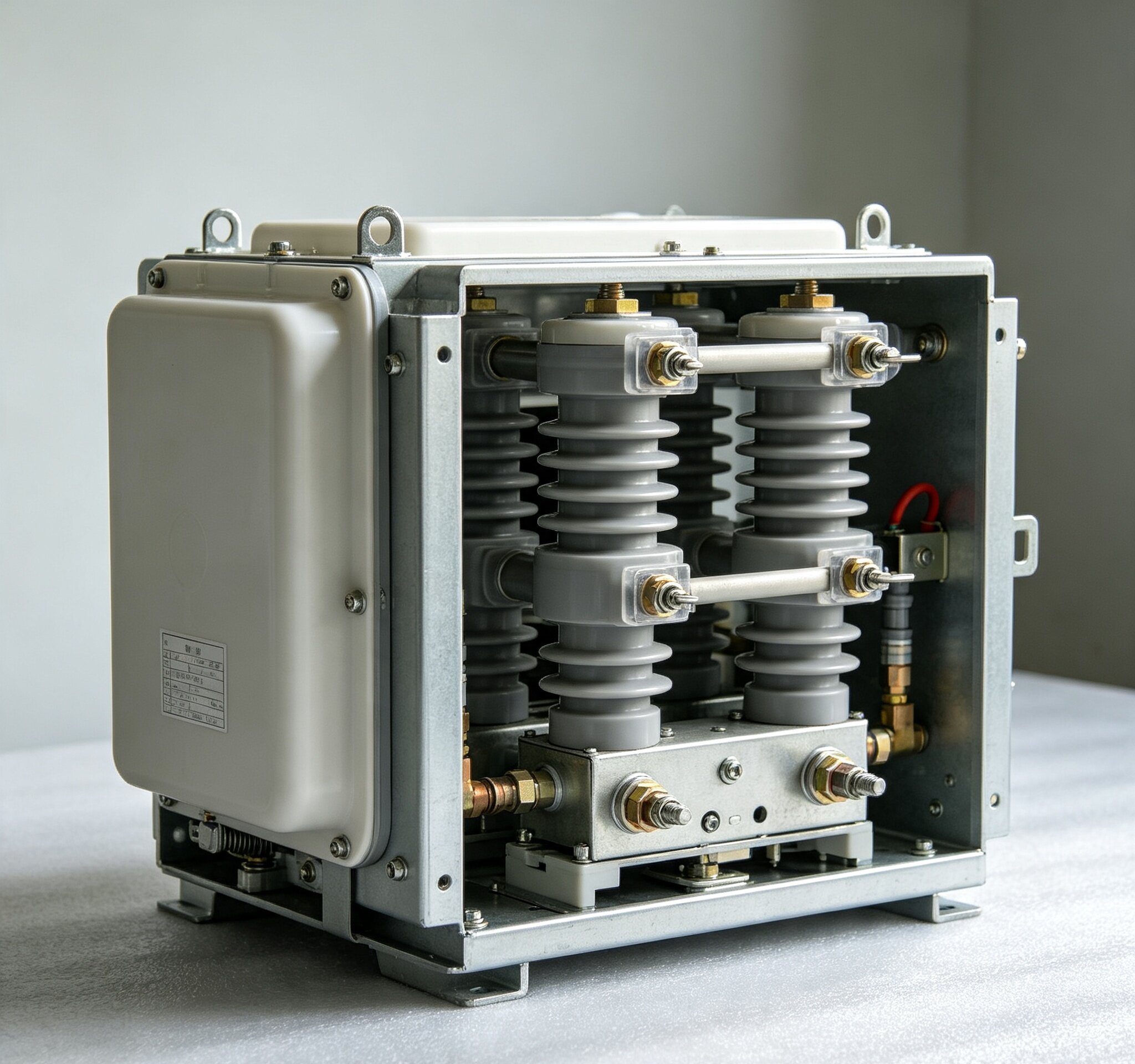
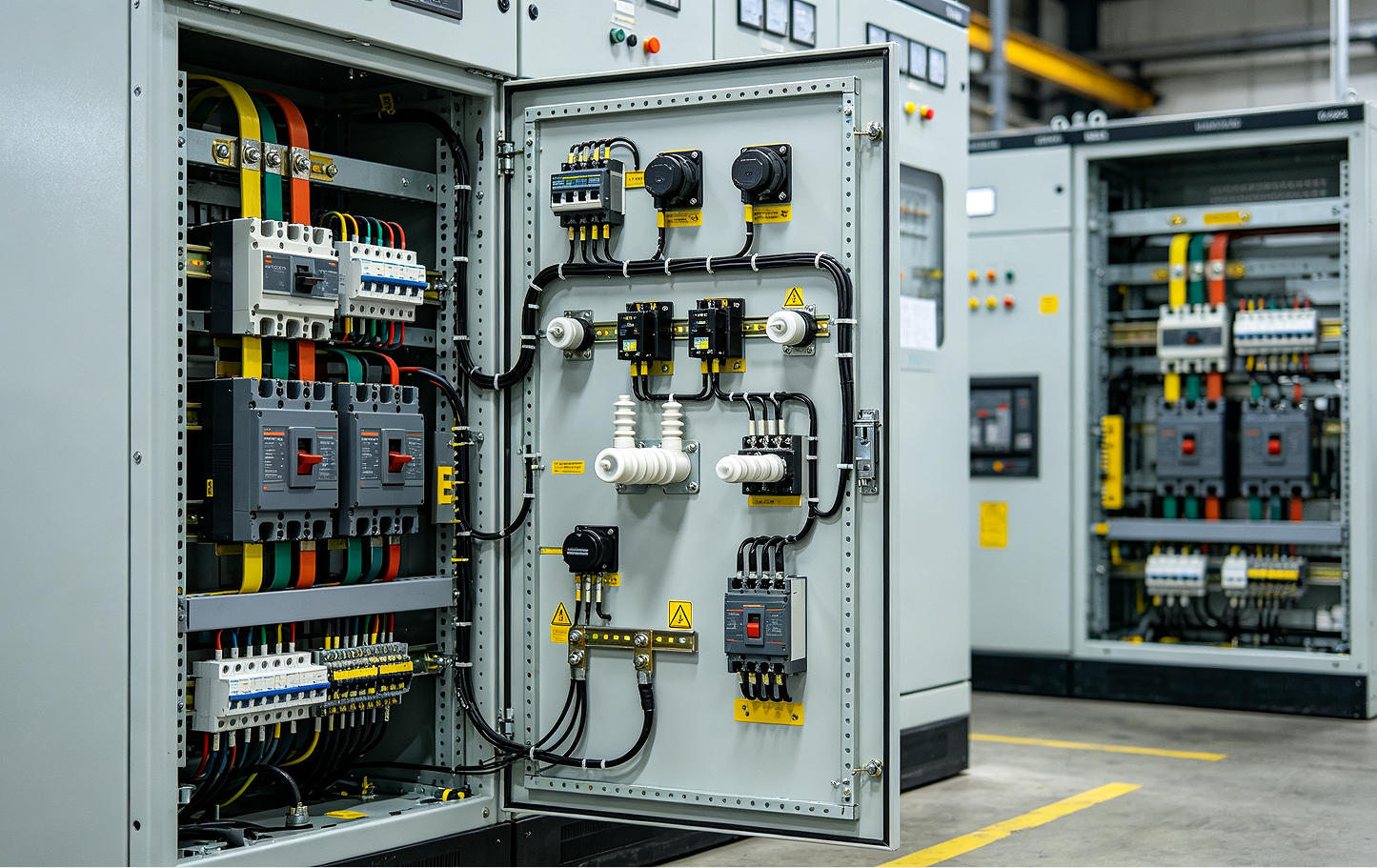
If we take dry-type transformers specifically, then the placement of the uniton-load tap-changer- it's always a compromise. You can’t just stick it next to the windings. It is necessary to ensure insulation distances, effective heat dissipation from contacts and mechanical isolation from vibrations. I remember a project about five years ago, where the customer demanded compactness at any cost. The manufacturer, not ours by the way, squeezed the on-load tap-changer into the minimum gap. The result is local overheating, insulation degradation and failure after two years. I had to redo the entire assembly.
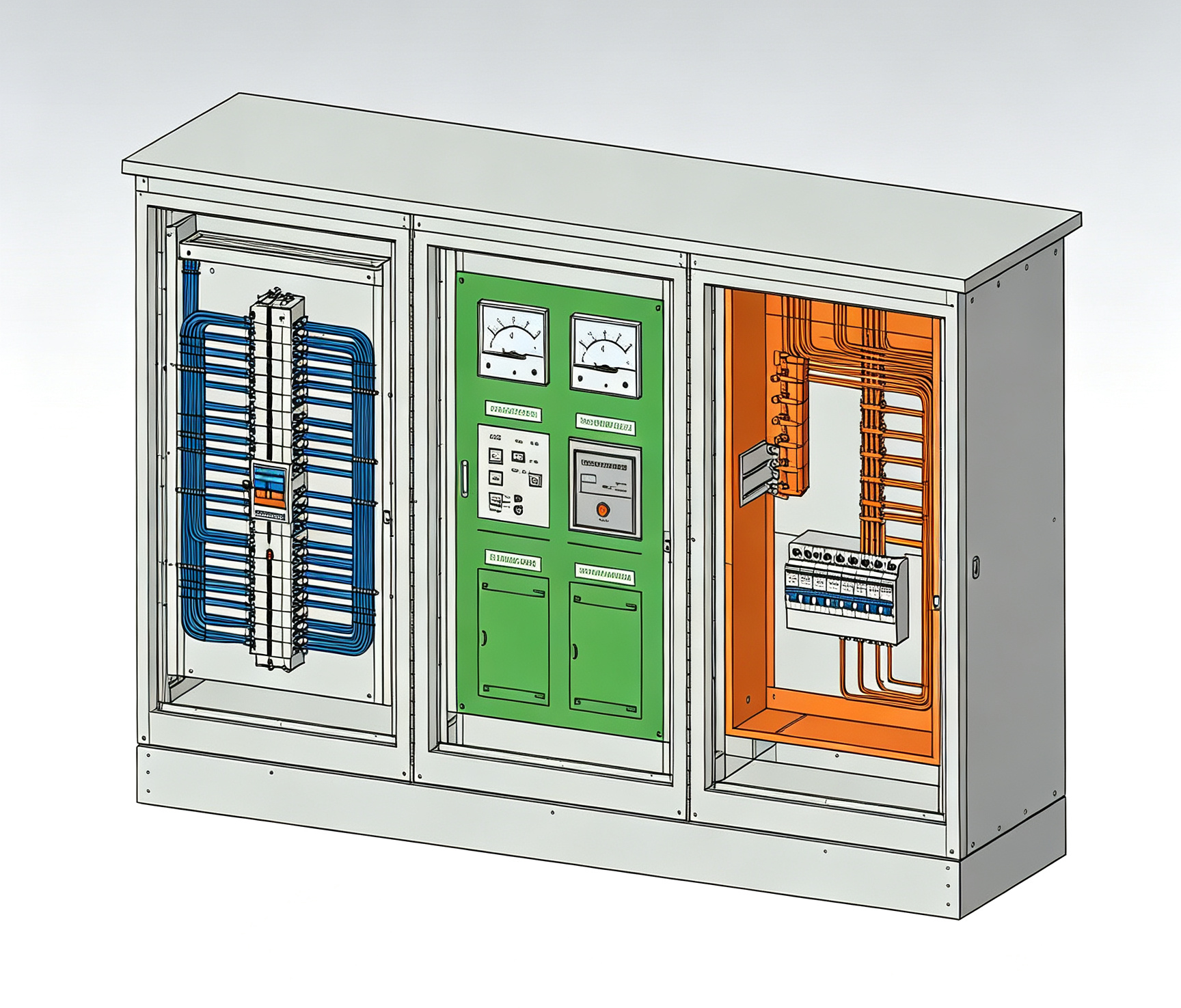
Now many, including our partners likeWenzhou Qiaonasen Electrical Equipment Co.,Ltd, are following the path of modular design. The on-load tap-changer unit itself is designed as a separate, well-ventilated compartment, but at the same time integrated into the overall cooling system of the transformer. This is reasonable. On their websiteqnasen.ruit is clear that they focus specifically on integrated solutions for energy distribution, and not on the sale of “hardware”. This is the right approach, because the on-load tap-changer is a system, not a component.
Contact materials are a separate issue. Silver-containing alloys have become the de facto standard for critical components. But the quality of their processing and the clamping force of the springs is something that can only be verified by experience and sometimes... failures. It happened that we received a shipment where the contacts were slightly burnt from the factory. Visually it is not critical, but during commissioning, resistance surges began. I had to open it up and sand it by hand. Now we always look at this unit when accepting it with particular bias.
Management and work logic: where hidden problems lie
ModernDry-type transformer on-load tap-changerunthinkable without a microprocessor controller. It would seem that everything is simple: set the voltage settings and that’s it. But the main headache is the algorithm for reacting to surges and drawdowns. Too fast a reaction - and the drive begins to “jerk?” with each short-term interference throw, wearing out the mechanics. Too slow - the consumer’s voltage manages to go beyond acceptable limits.
Here you cannot do without adaptation to a specific network. We typically adjusted the hysteresis and time delays experimentally, monitoring the behavior during the first weeks of operation. Once, at a facility with an arc furnace, standard settings led to the on-load tap-changer tripping 30-40 times a day. We reprogrammed it, making the reaction to sharp throws inertial, and the correction of smooth changes more sensitive. The number of alarms dropped to 4-5.
Another nuance is the connection with the automated process control system. The digital interface (the same Modbus) is convenient. But what about backup analog control? Often it is done according to the residual principle, and at a critical moment it turns out that the analog input is “floating”. or its range is not calibrated. This is a must have to check during commissioning. Company specializationWenzhou Qiaonasen Electrical Equipment Co.,Ltdon control systems precisely implies that such points should be worked out at the project level, and not completed on the spot.
Operation and maintenance: the myth of “set it and forget it?”
This is the biggest deception. A dry transformer actually requires less attention than an oil transformer. Butload adjustment- This is a mechanical unit. And he moves. Even if it's rare. This means that regular inspection is needed. Not every month, but once every six months or a year - definitely.
What are we watching? First of all, the moment of actuation of the drive. Any increase in switching time or extraneous sound (grinding, knocking) is an alarming signal. A common cause is dust getting into the guides or drying out of the lubricant. Ours are “dry” Transformers are often located in workshops where there may be metal or coal dust in the air. It's abrasive. We recommend at least purging the on-load tap-changer compartment with low-pressure compressed air during scheduled shutdowns.
The second point is to check the condition of the contacts through inspection windows, if any. Darkening is not always a death sentence, but severe erosion or melting is a reason for a deep revision autopsy. Spare contact groups must be in stock. Alas, at one of the old facilities they neglected this, and in case of failure they had to wait 6 weeks for delivery from Europe, transferring the transformer to a fixed tap with a non-optimal voltage.
Interaction with transformer protections
This section is often left out, but it is critical. Blockon-load tap-changermust be integrated into the protection system. What if the actuator gets stuck in an intermediate position, creating poor contact? Overheating protection for this unit or blocking from further commands should work. What if the switching occurs during an external short circuit? Logic should prohibit it.
I came across a situation where the overload protection settings did not take into account the additional heating generated by the current passing through the on-load tap-changer contacts, especially on the outer taps. As a result, the transformer was normal in terms of gas and temperature, and local overheating in the on-load tap-changer compartment led to a fire in the insulation of the connecting busbars. After this, we always insinuate that the temperature sensors should be placed directly on the contact group of the on-load tap-changer, and not just on the windings.
Companies that approach the issue systematically, likeQnasen, offer ready-made solutions with such interaction logic already incorporated. This saves a lot of time on design and approval. Their profile is solutions for transmission and distribution, which means they see the whole picture: from the HV input to the LV end consumer, with all protections and automation.
Economic and technical choice: when is on-load tap-changer really needed?
Not for everyone and not always. Transformer cost withDry type on-load tap-changermay be 25-40% higher. There is a payback only where there are significant fluctuations in the voltage in the network or the consumer’s requirements for the quality of electricity are extremely stringent (laboratories, precision equipment, medical centers). Or when it is necessary to compensate for voltage drops on long LV cable lines without increasing their cross-section.
We had a facility - a workshop with powerful presses. Inrush currents caused drawdowns, which caused the lighting to go out and the CNC controls of neighboring machines to reset. Installing a transformer with on-load tap-changer solved the problem radically. The voltage has become stable. But at another facility - an office center - the customer insisted on an on-load tap-changer “for reliability?” And the network in the area was new and stable. The device worked for years on one tap, and a lot of money was spent. Conclusion: A thorough analysis of the load profile and network conditions is necessary before making a decision.
And here again you come back to the idea that you need not just a supplier, but an engineering approach. Look at the descriptionWenzhou Qiaonasen Electrical Equipment Co.,Ltd- They are positioned as a solutions specialist. This implies that they should help carry out this very analysis, and not sell the most expensive thing. Ideally, of course. In practice, it often all comes down to the budget and the client’s desire “to have it happen?” But our task as practitioners is to convey the real conditions of application.Voltage adjustment- This is a tool, not a toy. And it should be used where you really can’t do without it.