
Opening a power transformer: what you see inside and what the instructions are silent about
2026-01-21
content
When they talk aboutopening a power transformer, many immediately imagine a major overhaul or an emergency situation. This is partly true, but in practice there are more reasons to look inside the tank - from a planned revision of the active part to, say, the banal need to replace the inputs when the dimensions of the new ones do not match the old holes in the lid. And this is where the fun begins, because every ?printout? - it's always a lottery. Even if in front of you is a transformer from one manufacturer, say, Uralelectrotyazhmash, there may be nuances inside that will not be written about in the passport. My colleague once said that an autopsy is like an operation: everyone knows the theory, but the hands only remember their mistakes and surprises from a particular “patient”.
It’s not easy to unscrew the bolts: preparation and first difficulties
Another point is draining the oil. It would seem that everything is simple: open the valve, place the container. But with old transformers, sediment from the bottom can clog the drain pipe, and when there are leaks, the lower part of the tank becomes covered with sludge deposits. Then you have to pump out the main mass, and thenopening a power transformer manually remove sludge from the trough. This dirty, time-consuming work is mandatory - otherwise debris will fall on the active part when it is lifted. For such cases, we always keep wide flexible hoses and powerful portable pumps in stock, since standard equipment often cannot cope.
And of course, the atmosphere. Ideally, open in dry weather with low humidity. But repair schedules, especially in power systems, rarely look at the weather forecast. We have to build a temporary tent around the device. I have seen more than once how crews try to speed up and begin work in high humidity or, even worse, in light drizzle. The result is increased humidity in the insulation, and then drying is delayed for weeks. Saving two hours turns into wasting two weeks.
What the tank hides: initial inspection of the active part
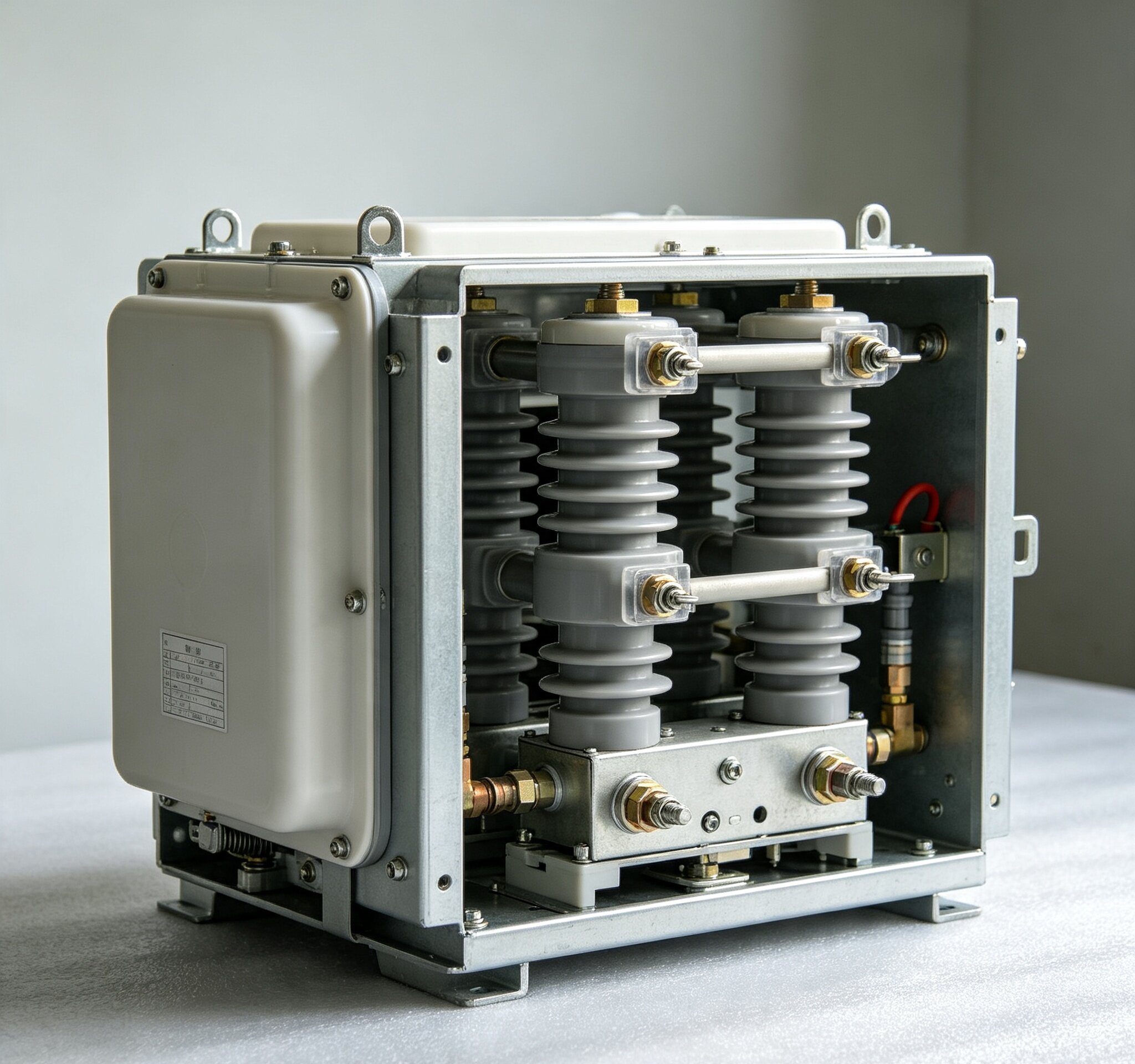
Inspecting the windings is a different story. You are looking for signs of overheating (darkening of paper insulation), displacement of turns, signs of weakening of the pressing. Often the problem is visible to the naked eye - for example, the destruction of wooden linings or spacer slats. But it happens that everything looks perfect, but insulation resistance measurements or oil chromatography results indicate a hidden defect. Then you need to think about deeper diagnostics, perhaps even partial disassembly - but this decision is made at the level of technical management, not in the field. For us, repairmen, the main thing is to qualitatively record the visual condition: we take a lot of photographs from different angles, sometimes we even make simple sketches, especially if we see something non-standard.
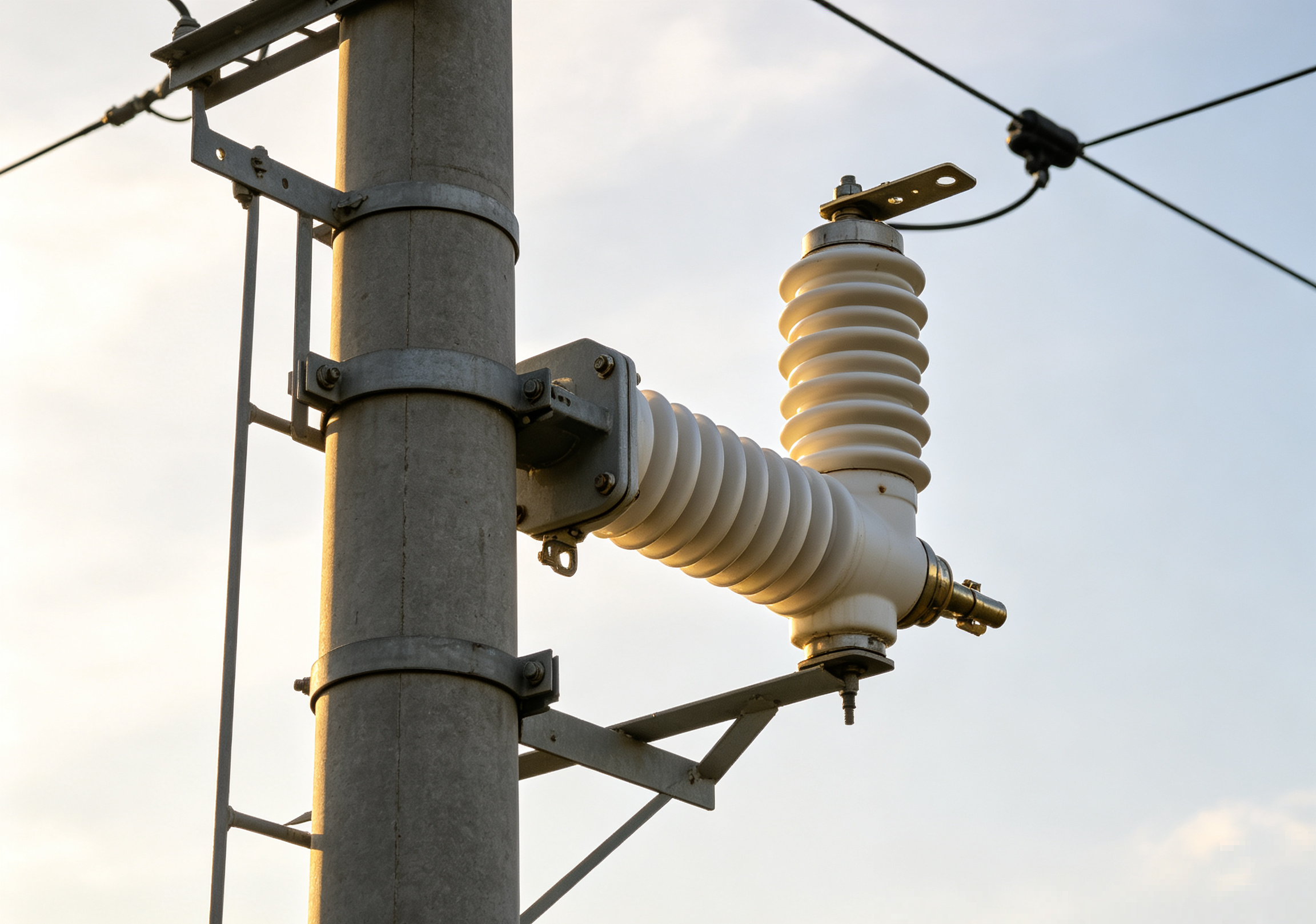
Particular attention is paid to the inputs and their seats whenopening a power transformer — at this stage, the cause of oil leakage along the flange is often identified: a skewed gasket, a microcrack in the insulator, or a loose nut. Sometimes traces of overheating are visible on the current-carrying rod due to poor contact; all this is recorded. Replacing the input immediately upon opening is often easier and cheaper than returning to the problem later - this depends on agreement with the customer and the availability of components. For modern, especially imported, transformers, it is more convenient to purchase spare parts from specialized suppliers, for example Wenzhou Qiaonasen Electrical Equipment LLC (https://www.qnasen.ru), which offers solutions for custom repairs when original parts are not available.
Gaskets, seals and ?eternal? tightness problem
After anyopening a power transformerthe main challenge is to put it back together without leaking. And here it all comes down to gaskets. It is a crime to reuse old rubber, even if it looks intact. She has already lost her elasticity, “remember?” mold under pressure, and is guaranteed to leak when re-tightened. Everything needs to be changed: the large seal around the perimeter of the cover, and the gaskets under the hatches, inlet flanges, and pipes. Nowadays, mostly paronite and oil- and petrol-resistant rubber are in use, but for critical connections, metalgraphite or other composite materials are increasingly being used. They are more expensive, but also last longer.
Tightening technology is a whole science. The bolts must be pulled crosswise, with a certain torque, which is indicated in the instructions. But where can I get it for a transformer from the 70s? Experienced craftsmen do it “by feel”, but this is risky. If you overtighten, you'll break the thread or it will lead? If you don't tighten the flange enough, it will leak. In recent years, we have begun to use click-type torque wrenches for critical connections. Yes, these are additional costs for the tool, but they are compensated by the absence of repeated trips to eliminate leaks. Cooler flanges are especially capricious in this regard - they have a large area and the planes can be uneven.
And one more nuance that is often forgotten is cleaning the surfaces under the gasket. It is necessary to carefully remove all remnants of the old gasket and degrease the surface. Sometimes you see crews neglect this, simply putting new rubber on a dirty flange covered in oil and old graphite. The result is predictable. We use both scrapers and special cleaners; sometimes we even have to sand minor scratches on the metal with fine sandpaper. Trifle? Maybe. But it’s these little things that make up a quality build.
Case study: when an autopsy showed more than expected
I would like to give an example of why a formal approach to auditing is unacceptable. There was a TDN-10000/110 transformer with 25 years of operation: according to documents and oil analyses, everything was normal, but the customer ordered the plannedopening a power transformerfor inspection and tightening of ties. After opening, the inside was clean, there was a minimum of sediment, but when examining the lower part of the LV windings, a flashlight revealed dark sagging on the insulation - traces of prolonged local overheating due to poor contact in the control winding. The defect was hidden, and without opening the power transformer with a thorough inspection, it would not have been discovered.
What did you do? We took photographs and drew up a report. What was needed was not just a tightening, but a repair of the contact connection with re-insulation. This, of course, increased the time and cost of work significantly. But if this had not been done, in a year or two the transformer could have failed with serious consequences. This case has become a textbook case for our entire team - now, even with a seemingly impeccable internal appearance, we spend an extra hour or two on the most detailed inspection of all secluded places, especially in areas of possible contacts and connections.
It is after such cases that you understand the value of an integrated approach. One autopsy is not enough. We need visualization, measurements, and subsequent analysis. Sometimes the defect is visible to the eye, and sometimes its signs are only in the data of a chemical analysis of the oil or in the results of measuring the capacitive and tangent delta. Therefore, competentopening a power transformer- this is always the first, but not the only step in a full diagnosis. It’s like a surgeon who, having made an incision, must not only see the problem, but also understand its cause in order to eliminate it, and not just sew it back up.
After assembly: what next?
So, the inspection and necessary work inside the transformer have been carried out, the tank is closed with a new gasket, but this is not the end of the procedure.opening a power transformer- the next mandatory stage is vacuuming, aimed at removing air and moisture vapor from the tank and insulating the active part, usually it is carried out for at least 24 hours at a residual pressure of 0.3–0.5 mbar, while it is important to monitor the process for a drop in vacuum, which signals a leak, and if such failures occur, you have to reset the vacuum, look for leaks with a soapy solution and tighten connections before adding oil and turning on the transformer.
Filling with oil. You need to fill it under vacuum, through the bottom valve. The oil must first be cleaned and dried. The speed of filling is also important - filling too quickly can lead to foaming and saturation of the oil with air microbubbles. After pouring, the transformer is often left for several hours (sometimes a day) to impregnate the insulation. Then - control measurements: insulation resistance, absorption coefficient, dielectric loss tangent. We compare it with the data before the autopsy. If the parameters have become noticeably worse, this is an alarming signal. Perhaps there was moisture left somewhere or the insulation was damaged during work.
And only after all operations, with normal performance, the transformer can be switched on - the first day it is monitored in idle mode: heating, oil level, cooling operation, absence of leaks and noise, any deviation requires stopping and analysis, often after the first switching on hidden installation errors appear, in general the processopening a power transformer before returning to service is an interconnected chain of operations, where negligence at any stage nullifies all the work, and this is the main lesson that can only be learned from practical experience with dozens of restored transformers.