
Assembly of dry-type transformers: from circuit design to installation in a cabinet
2026-01-09
content
When they talk about combining dry-type transformers, many people immediately imagine a simple connection of ready-made blocks. In practice, this is a whole range of work - from electrical installation according to the diagram to the final assembly of the control cabinet and high-voltage testing. A common mistake is to underestimate the importance of the preparatory stage and testing of components, especially if some of them, as in my case, were supplied from Russian assemblers, and some, like the same cores or insulating systems, came directly from specialized manufacturers, like Wenzhou Qiaonasen Electrical Equipment LLC. Their website, https://www.www.qnasen.ru, is well known to those looking for comprehensive energy distribution solutions, but it is important to understand: even high-quality components require a competent summary.
What's really behind the summary?
This is not about twisting a few wires together. We are talking about the full assembly cycle of the power unit. It all starts with unpacking and inspection. I personally encountered a situation where the supply from one contractor did not have enough end seals for 10 kV cables. Trifle? Until the moment you turn it on for the first time. I had to urgently search, order, and reschedule. Therefore, now the first rule is to check with the list of configurations before starting any work, even if the transformer is standard.
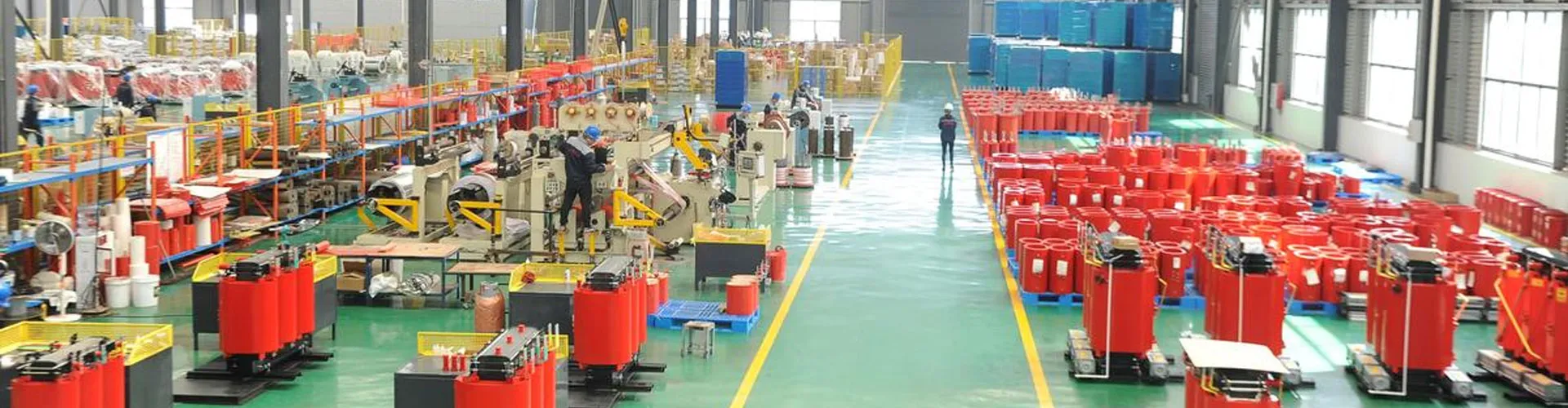
The most crucial moment during the assembly of dry-type transformers was working with the windings. Cleanliness is critical here. Dust, shavings, moisture are the main enemies. I remember a project where I had to install it in an unheated room in winter. They brought the transformer, let it stand, and heated the work area with heat guns. It would seem like little things, but without this, dry transformers after assembly could sweat, which is fraught with breakdown. Assembling a magnetic core, installing windings, and fixing them - all this requires not so much brute force as an understanding of how the structure will behave during operational vibrations.
And this is where the synergy of the components is important. Often they use components from different suppliers. Let's say the power module itself is one, but the LV/HV cabinet and protection systems are different. The assembler’s task is not just to connect them, but to ensure the correct operation of the entire system. For example, current transformers in the LV compartment must be correctly selected according to the transformation ratio for the relay in the control cabinet, otherwise the protection will not work correctly. This is the same summary in a broad sense.
Control cabinet: the brain of the system
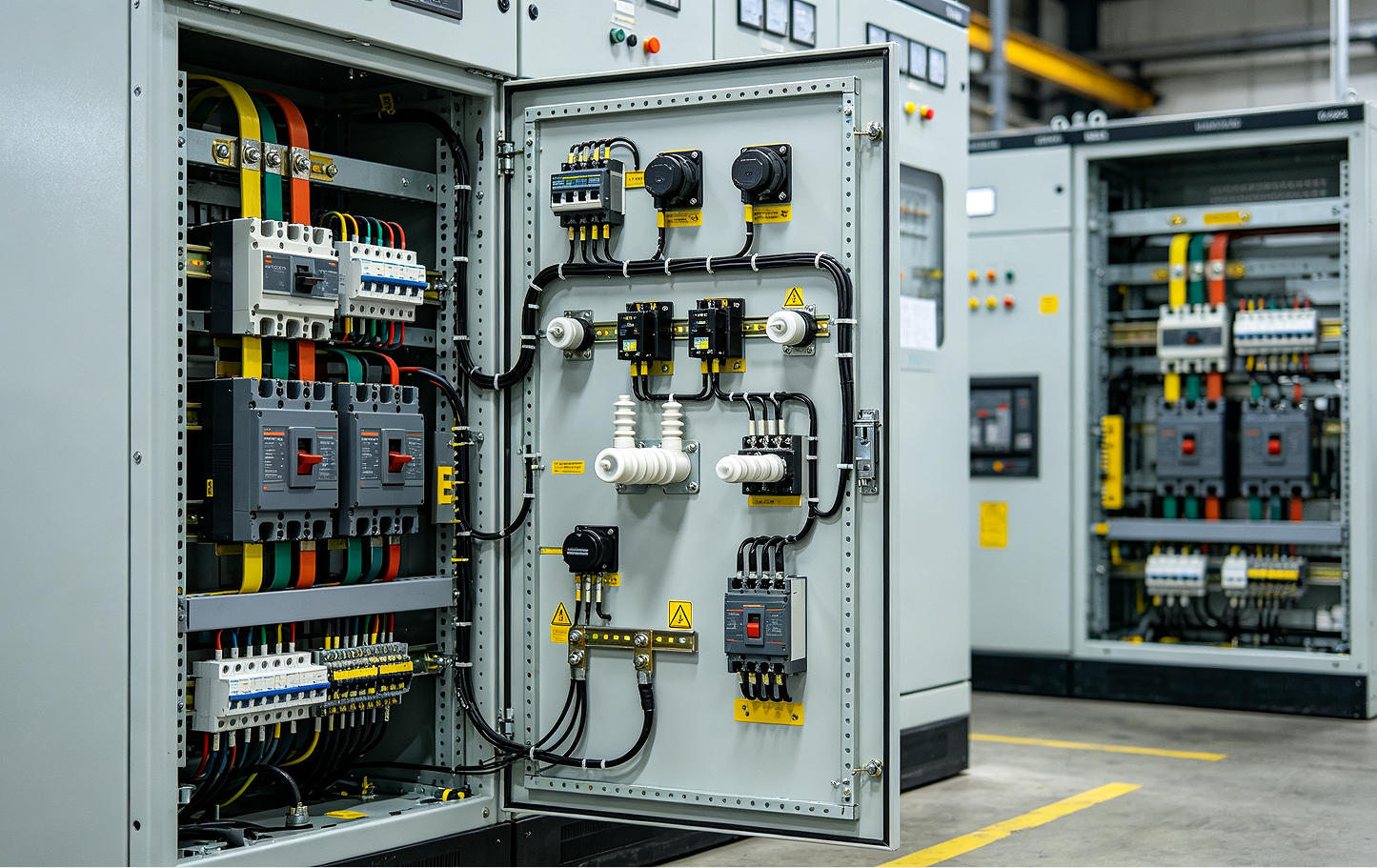
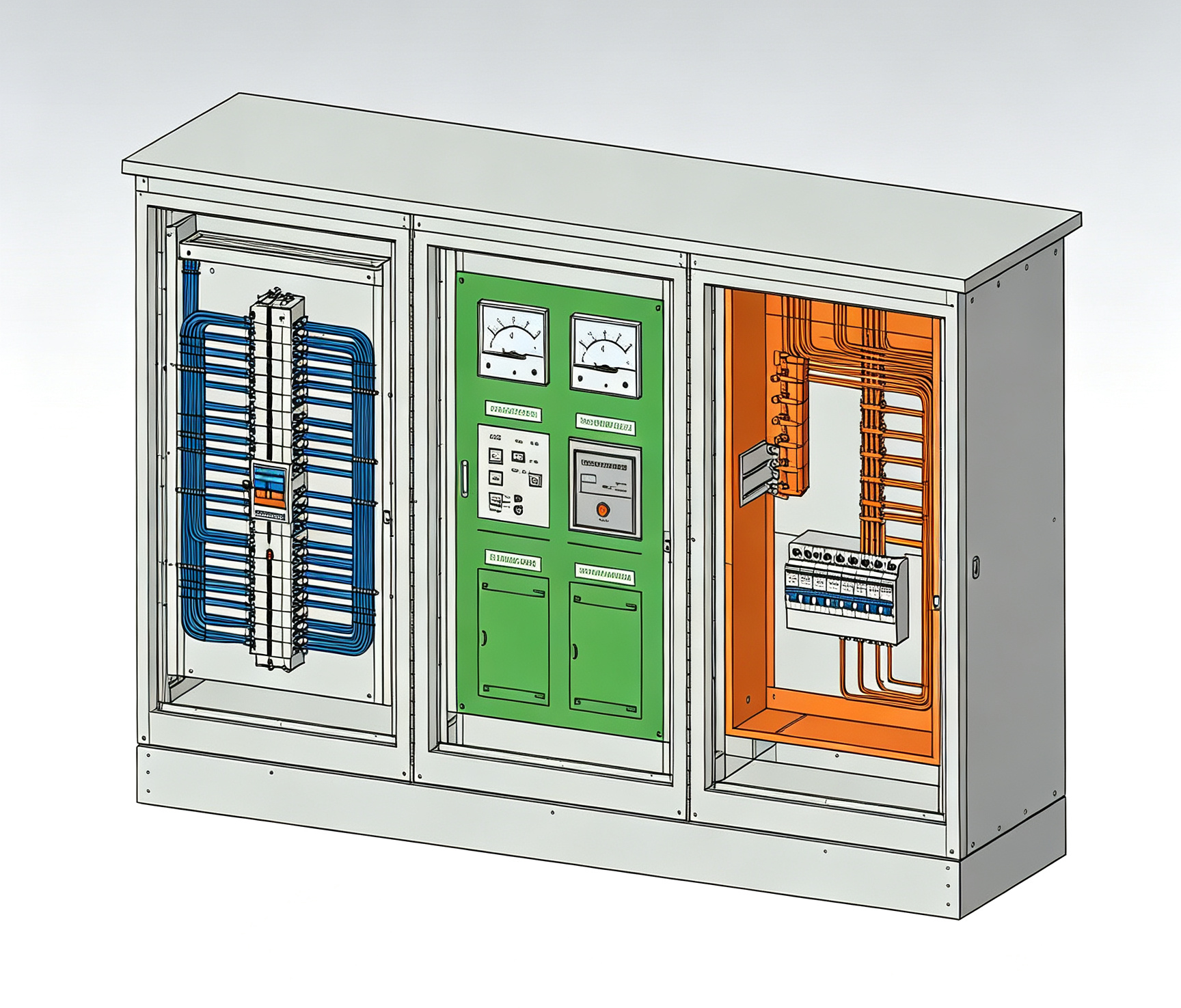
A separate story - the low-voltage part during assemblybrought together dry transformers. Assembling the cabinet is already the work of an electrician-circuit engineer. From experience, many commissioning problems arise here. Diagrams, especially for transformers with forced air cooling (AFC), can be confusing. Thermal contacts in the windings, temperature sensors, fan control, alarms - all this needs to be combined into a single circuit.
Once I had to redo the switching in a cabinet because the cabinet manufacturer used a relay with a different coil voltage than what was included in the design. The documentation for the transformer said one thing, the passport for the cabinet said something else. Visually, the assembled unit looked perfect, but when operating voltage was applied, some of the circuits simply did not work. I had to open it up, look for the cause, and change the relay. Now I always require complete diagrams for all components before installation begins.
By the way, about SPVO fans. Their installation and connection is also part of the assembly. It is important not only to secure them to the frame, but also to properly direct the air flow and check for vibration. An incorrectly installed fan can create resonance, which over time will weaken the fastenings of the windings themselves. A small thing that can lead to a serious accident.
Tests: moment of truth
After mechanical and electrical assembly, the most nerve-wracking stage comes - testing. And here the term reduced comes up again. Because you can assemble iron perfectly, but if you don’t take the correct measurements, everything will go down the drain. The mandatory minimum is measuring the insulation resistance with a 2500 V megger for 10 kV windings. The indicators must be stable and, as a rule, not lower than hundreds of megohms.
But the key thing is to measure the transformation ratio and check the winding connection group. I had a story at one of the sites about replacing an old oil transformer with a dry one. Assembly and connection were performed by third-party installers. When starting up there is a strong hum, phase imbalance. It turned out that when summarizing the external cable connections, the phases on the HV side were mixed up, essentially changing the group of connections. It’s good that we turned it on through the protection, and it worked. Reconnected, everything fell into place. After that, I am always personally present at the first turn-on, even if it was not my hands that assembled it.
Testing with increased voltage of industrial frequency is the final chord. It is often carried out by representatives of the electrical laboratory. But preparing the transformer for it is the responsibility of the assembler. Clear all insulators, ensure safe access, ensure all temporary bridges are removed. I saw how, due to a forgotten jumper on the REN bus, the protection of the test installation was triggered, mistaking it for a breakdown. We wasted half a day searching for a non-existent fault.
Logistics and site preparation
An often overlooked aspect of the scaffolding is delivery and installation on the foundation. A dry transformer, especially a powerful one, is a massive unit. You can't just throw it on the floor with a crane. You need a prepared foundation with embedded parts for anchoring. I have repeatedly encountered situations where a customer prepared a base according to old dimensional drawings, but the new model had a different arrangement of anchor holes. The result is urgent diamond drilling, dust, dirt directly into the clean room, and the risk of damage to the insulation.
Another nuance is the climate control. If the transformer is intended for outdoor use (version U1, HL1), then its on-site assembly often includes the installation of an additional casing and canopies. This is also part of the work. Ventilation must be provided inside such a casing, otherwise in the summer it will turn into a greenhouse. It was necessary to modify standard solutions by adding blinds or exhaust fans, which, in essence, is an engineering modification at the final assembly stage.
This is the right place to remember about companies that offer an integrated approach, like Wenzhou Qiaonasen Electrical Equipment LLC. Specializing in power transmission and distribution solutions means not just selling a box, but understanding the entire cycle. Ideally, the supplier should provide not only the transformer, but also a complete package of documentation for installation, protection settings and, importantly, recommendations for site preparation. In practice, this information often has to be pulled out.
Error Prevention and Subjective Notes
Based on bitter experience, I developed a checklist for myself before handing over the assembled unit and combined dry-type transformers during production. First, a visual inspection for foreign objects inside the active part. The magnetic core is a magnet; it collects all the metal shavings. Secondly, check the tightening torque of all power bolted connections, especially busbars. Weak tightening is the point of overheating. Thirdly, test ringing of all control and signaling circuits from the terminal on the sensor to the terminal in the cabinet.
Subjective observation: the simpler and more logical the design of the transformer for installation, the fewer problems at the site. Sometimes there are solutions where, in order to connect an LV cable, you almost need to disassemble half of the sheath. This increases assembly time and the risk of damaging something. A good manufacturer thinks not only about electromagnetic calculations, but also about ease of installation and maintenance.
Ultimately the phrasemixed dry-type transformers- this is slang behind which there is a huge layer of engineering and installation work. The quality of their implementation determines whether the transformer will work smoothly for years or become a headache for power engineers. Success here is, not least of all, attention to details that cannot be written in the specification, and healthy skepticism towards standard solutions. You always need to try them on a specific object, specific hands of installers and specific operating conditions.