
Power transformers as outputs: analysis of frequent collisions in practice
2026-01-21
content
This combination is “power transformers as outputs?” — constantly comes up in technical specifications, especially from customers who want to “do it reliably?” and they don’t really get to the point. I’ll say right away: the power transformer itself is not an output device in the classical sense of control systems or equipment power supply. This is a network element designed to convert voltage levels. But when it comes, for example, to powerful power supplies, test benches or specific industrial installations, it can actually be installed at the output of the cascade. And here the nuances begin, which in theory are often missed, but in practice come out sideways - from reactive power to current surges during switching.
Where does this even occur and what is the root of the misunderstanding?
Most often, you come across this formulation of the problem in projects where you need to obtain a low voltage (say, 36V, 100V) with a large load current - hundreds and thousands of amperes. The customer sees the diagram: rectifier -> inverter -> transformer -> load. And he calls this final transformer “output”. In fact, yes, it is at the output of the conversion path. But technically he remainspower transformerwith all that it implies: calculation for a certain operating mode (frequency, current shape, power factor), problems with magnetization, the need to take into account losses in steel and copper. The main mistake is to consider it as an analogue of an output transformer in low-current equipment, where the signal shape and frequency band are important. The key here is energy efficiency and dynamic reactive power control.
I remember one project for testing busbars. It was necessary to provide 4000A at 50V. The customer initially required an ?output transformer? with strict voltage stabilization. But with such power and low output voltage, the transformer itself becomes a source of significant voltage drop and reactive component. It took a long time to explain that the key element of the system will not be the transformer itself, but the control system for the thyristor rectifier before it, compensating for these drawdowns. The device itself was chosen to be oil-based, with forced cooling - standardpower transformerTMG, but with a recalculated secondary winding for low voltage and increased current density.
It is in such configurations that transient processes are often neglected. Turning on the transformer at idle is quite a quest. The inrush of the magnetizing current can be several times higher than the nominal value. If ?at the exit? There is such a transformer, and in front of it there is a semiconductor converter, this throw can damage the keys. It is necessary to implement soft start circuits or sequential connection systems through ballast resistors. This is not a theory - at one of the anodizing plants, exactly this situation led to the constant activation of the protection and downtime of the line. We decided to replace the transformer with a model with a step excitation system.
Features of selection and calculation: not only dimensions and kVA
When making a decision on a specific device, catalog power is just the beginning. Let's say the problem is in a frequency drive circuit for a large electrolyser. After the inverter there is a step-down transformer, which operates not at a sinusoidal network frequency of 50 Hz, but at the output PWM frequency of the inverter - say, from 100 Hz to 400 Hz. A standard transformer designed for 50 Hz will burn out or overheat here due to increased losses in the steel at higher frequencies. A specialized calculation of the insulation and magnetic circuit is required.
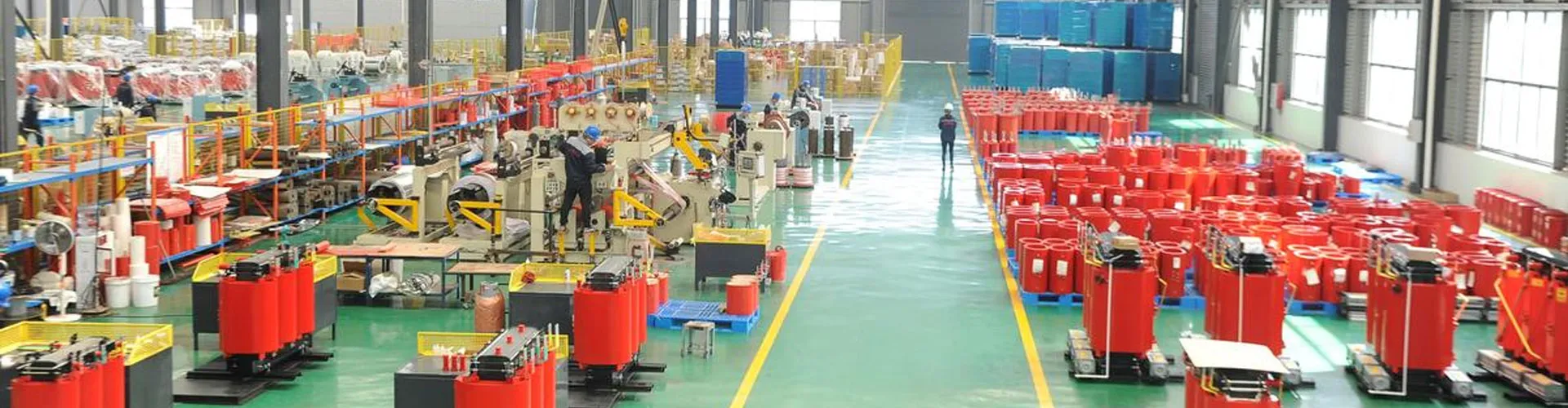
This is where you turn to specialized manufacturers who understand the context. For example, in solutions for transmission and distribution of high and low voltage, like the companyWenzhou Qiaonasen Electrical Equipment Co.,Ltd(their portfolio can be viewed athttps://www.qnasen.ru), it is often possible to manufacture transformers for non-standard parameters. It is important not just to buy a “1000 kVA transformer,” but to formulate a technical specification indicating the operating frequency range, current shape (sine, square wave, PWM), and the nature of the load (sharply variable, with frequent short circuits, as in arc welding).
Another practical point is the method of connecting the windings. Three-phase output stages often require a star-star circuit. with neutral or delta-star? for phase shift. This affects the dimensions and protection circuit. Once, when upgrading a galvanic line, they made a mistake with this - they took a standard transformer with a Dyn11 connection, but the rectifier system would have needed Yy0. I had to redo it on site by adding an external compensating choke. Expensive and ineffective.
Cooling and packaging issues are what determine the life cycle
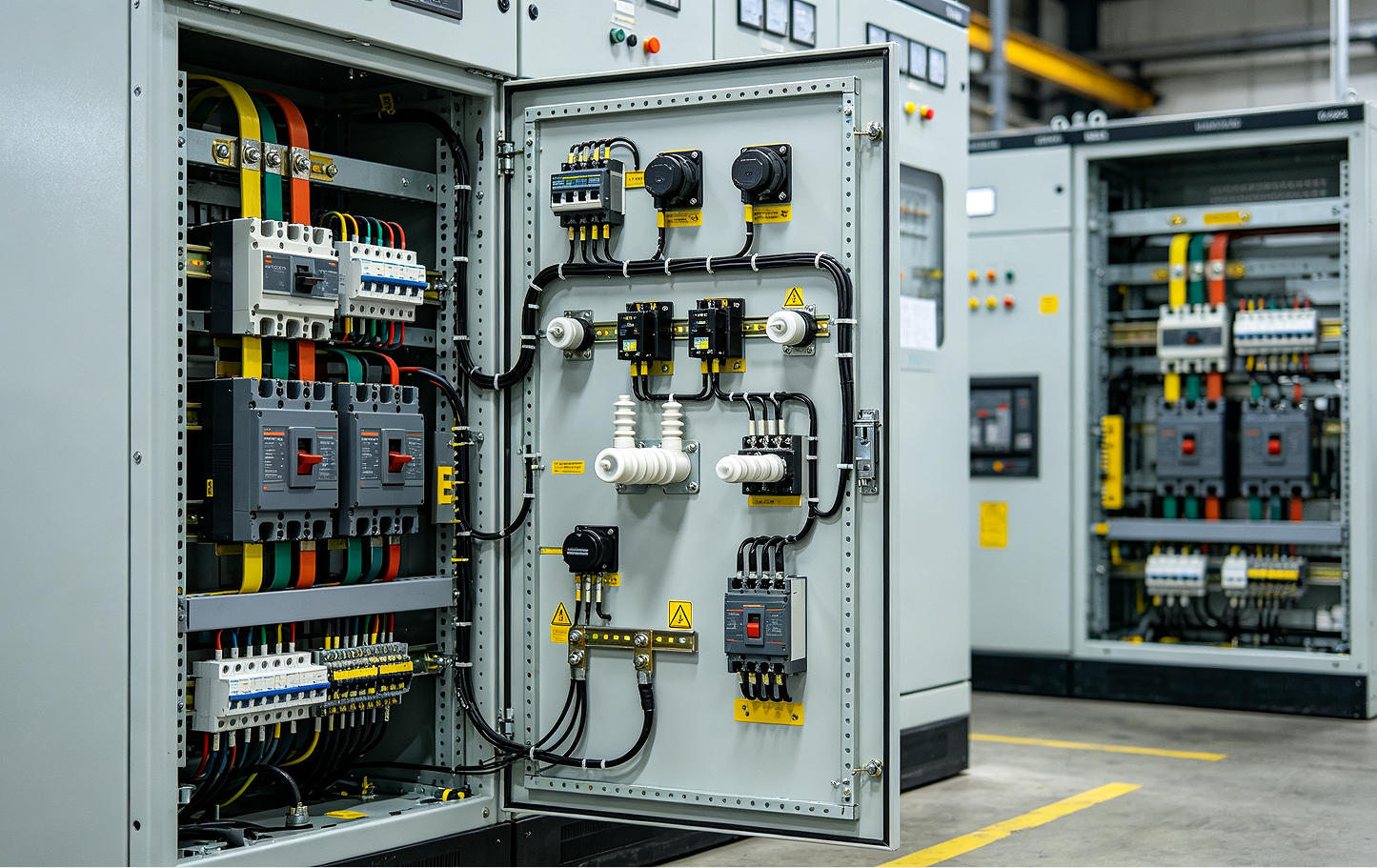
If the transformer is installed as a final element inside a workshop, say, at a rolling mill, then the environment is metal dust, elevated temperature, and vibration. Oil cooling may not be desirable due to the risk of leakage and fire. You choose dry transformers (DTS), but with a heating margin. Their windings often require additional insulation with increased tracking resistance. Ventilation should be designed so that air flows are not clogged with dust - you install filters, but they need to be cleaned. The reality is that this is often neglected in enterprises, and the transformer operates at the limit, losing its resource.
An interesting case was with an induction heating installation. There, the output transformer (essentially a matching one) operated at frequencies of 1-10 kHz. The problem was not in the magnetic core (ferrite), but in the cooling of the windings, which were made with a water-cooled hollow busbar. The designers initially did not take into account the hardness of the water - after six months the channels were overgrown, the heat output dropped, and the transformer failed due to overheating. I had to convert it to a closed-loop system with distilled water. This is to the question that even if you choose the right type of device, you can miss the mark on “little things”. operation.
Layout is also important. A power transformer, especially a powerful one, creates a significant magnetic stray field. If signal cables of the control system of the same stand pass nearby, interference and failures are inevitable. You have to screen it or spread it over a distance, which is not always possible. In one project for a research institute, it was necessary to make a separate screen from aluminum sheets for such an output transformer and even relay all the low-voltage wiring with twisted pair cables in the screen.
Interaction with protective and control equipment
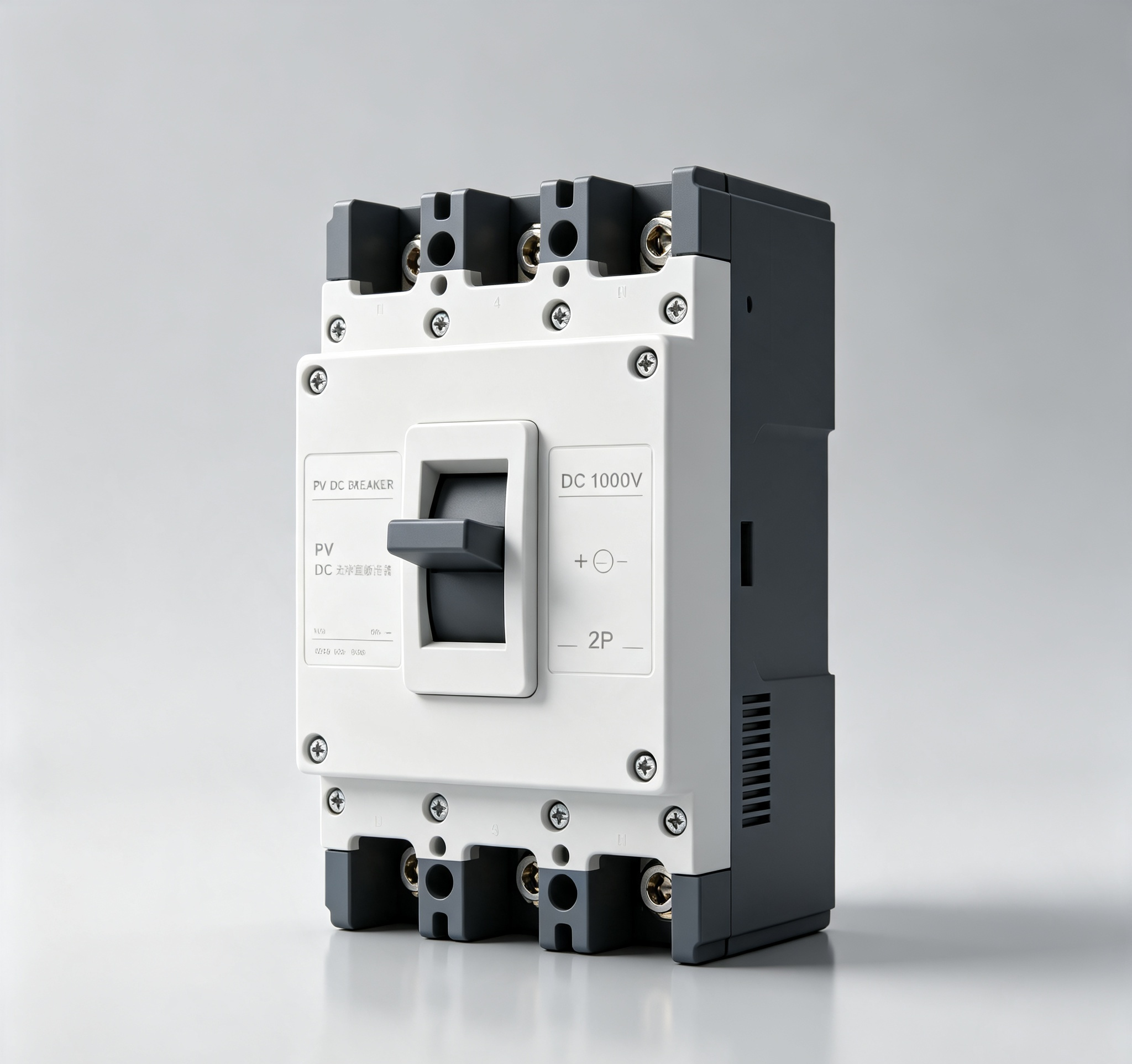
A common mistake here is an attempt to protect the transformer with standard circuit breakers or fuses, like a normal load. But the short circuit current at the output of such a transformer, especially at low output voltage, can be colossal - tens of kiloamperes. The machine may not have time to turn off, and the tires will melt. You need fast-acting semiconductor fuses or specialized switches with current-limiting action. Their parameters must be consistent with the time-current characteristic of the transformer.
Another nuance is overload protection. For a transformer in this operating mode, the load can be highly variable. A thermal relay configured according to the rated current of the secondary winding may not save from gradual overheating due to higher harmonics, which are produced, for example, by a thyristor rectifier in front of it. It is advisable to install thermistors directly into the winding (PTC system) or thermal protection into the magnetic circuit. In such cases, we often place temperature sensors directly in the hottest spots at the manufacturing stage, and the signal from them goes to the general installation control system.
With controlpower transformers as outputIt's not all that simple either. If this is part of a stabilized power supply system, then the voltage sensor should be installed not at the outputs of the secondary winding of the transformer, but directly at the load. Due to the voltage drop across the active resistance of the windings when the current changes, the feedback will not work correctly. You have to either compensate for this drop in the controller algorithm, or use a four-wire connection diagram. In practice, the latter is more reliable, but requires additional connection lines.
Economy and reliability: is it worth it?
The use of a classic power transformer as an output link is often due to considerations of reliability and cost. Modern IGBT semiconductor converters, capable of directly delivering low voltage at high current, are very expensive and difficult to cool. Pair of “inverter +power transformers as output" turns out to be cheaper and more repairable. A transformer can last for decades, while power modules require replacement every few years under heavy duty use.
However, this is a double-edged sword. Adding a transformer reduces the overall efficiency of the system by 1-3%, and this, with a power of megawatts, means significant losses and electricity bills. Sometimes, after calculating the life cycle, the customer comes to the conclusion that it is better to invest once in an all-semiconductor solution. But for one-time or rarely launched installations (for example, test benches), the transformer output is the only option in terms of reliability.
In conclusion, I will say that the phrase ?power transformers as output? - not technical nonsense, but a very living practical problem. But its implementation does not require a template approach, but a deep understanding of electrical engineering, operating conditions and the economics of the project. The key to success is in the details: correct calculation of parameters, taking into account the real and not the ideal load, and the right choice of a manufacturer who can translate these nuances into metal. As, for example, in the mentioned solutions for power equipment, where for a specific project they can offer a non-standard design, and not just ship the nearest standard size from the warehouse.