


what kind of power transformer protection
Power transformer protection- a topic that seems simple, but in fact is full of subtleties and pitfalls. I often see how a protection system is designed based only on the transformer’s nameplate data, without taking into account the actual operating conditions. It is believed that 'everything will be fine' if you install the standard kit. But, as practice shows, this is rarely the case. Because, you know, a transformer is not just a piece of metal and windings, it is a complex system that operates under certain conditions and is subject to many influences. From overloads to harmonics, from static electricity to incorrect operating modes. And comprehensive protection must take into account all these factors.
Review: reliable protection is the key to a long transformer life
Taskpower transformer protection– prevent its damage and ensure uninterrupted operation of the electrical grid system. This is a complex process that includes various devices and methods aimed at detecting and localizing emergency conditions. Reliable protection not only minimizes economic losses associated with repairing or replacing a transformer, but also increases operational safety.
Main types of protection for power transformers
The most common and important types of protection:short circuit protection, surge protection, overload protection, phase loss protectionandstatic electricity protection. Each of them has its own characteristics, operating algorithm and scope of application.
Immersion in details: short circuit protection
Short circuit protection– perhaps the most critical. Here we are talking about instant shutdown of the transformer when short circuit currents occur. Typically, switches are used that are installed in the circuit of primary or secondary windings. But there are nuances here. It is important to select the correct characteristics of the switch - its rated current, operating speed, and also take into account the transformer’s ability to withstand short-circuit currents. We once encountered a situation where the breaker was too 'fast' for the transformer, and when short-circuited, it tripped falsely, causing unnecessary outages and downtime.
Often, even with a correctly selected circuit breaker, problems arise with matching the short circuit current and the characteristics of the protective device. This is done by specialized companies, for example, Wenzhou Qiaonasen Electrical Equipment LLC, which offer comprehensive solutions in the field of protection of electrical equipment, includingprotection of power transformers.
Surge Protection: The Invisible Enemy
Surge protection– is also a very important aspect. Overvoltages can occur due to lightning discharges, switching processes in the network, as well as due to intrinsic impulse noise in the transformer. Surge protection is usually implemented using surge protective devices (SPDs) and varistors installed at the input and output of the transformer. It is important to select the correct type and parameters of the SPD so that they correspond to the level of overvoltages that may occur in a particular network.
We once implemented a surge protection system for a transformer operating on a line with high harmonic levels. We had to use special surge protectors with a wide bandwidth so that they do not block the useful signal. This required a thorough analysis of the electrical network and selection of the optimal solution.
Overload and phase loss: protection against long-term problems
Overload protectiondesigned to prevent overheating of the transformer during prolonged operation with currents exceeding the rated current. To do this, overload relays are used, which turn off the transformer when a certain current value or temperature of the windings is reached. Aphase loss protectionprotects the transformer from damage when one of the phases in a three-phase network is lost. Typically implemented using a phase balancing relay.
Overload protection is especially important for transformers operating under variable load conditions. If this is not provided, the transformer may overheat and fail. We have seen cases where the cause of transformer failure was not a short circuit, but a long-term overload.
Static Electricity: The Silent Threat
Don't underestimateprotection against static electricity. Static electricity can build up on the transformer housing and cause arcing, which can damage the insulation or even cause a short circuit. To protect against static electricity, ground the transformer housing and install devices for discharging static electricity.
We were working with a transformer that was operating in a dry, high static environment. Despite the case being grounded, sparking problems arose. It was necessary to install special voltage destabilizers on the transformer windings to reduce the likelihood of static electricity accumulation.
Problems in reality: typical mistakes and their consequences
I often encounter the fact that when designing a security systempower transformerThe features of a particular transformer and its location are not taken into account. For example, the presence of harmonics in the network is not taken into account, which can lead to false alarms of protective devices. Or the humidity and ambient temperature are not taken into account, which may affect the performance of protective devices.
Another common mistake is using standard protection kits that are not designed for a specific type of transformer. In such cases, it is necessary to carry out individual calculations of the parameters of protective devices. For example, we once installed a standard protection kit on a transformer with an unusual winding configuration, and it kept causing false alarms. I had to replace it with a custom-designed protection system.
Conclusions and recommendations
Thus,power transformer protectionis a complex task that requires taking into account many factors. It is necessary to conduct a thorough analysis of the electrical network, the characteristics of the transformer and its operating conditions. And, of course, you should use only high-quality and proven protective devices. It is important to understand that skimping on transformer protection can lead to much greater losses in the future. It is better to spend money on reliable protection now than to repair or replace the transformer later.
An integrated approach topower transformer protection, taking into account all possible risks and features of a particular object, will ensure its durable and reliable operation.
Correspondingproducts
Related Products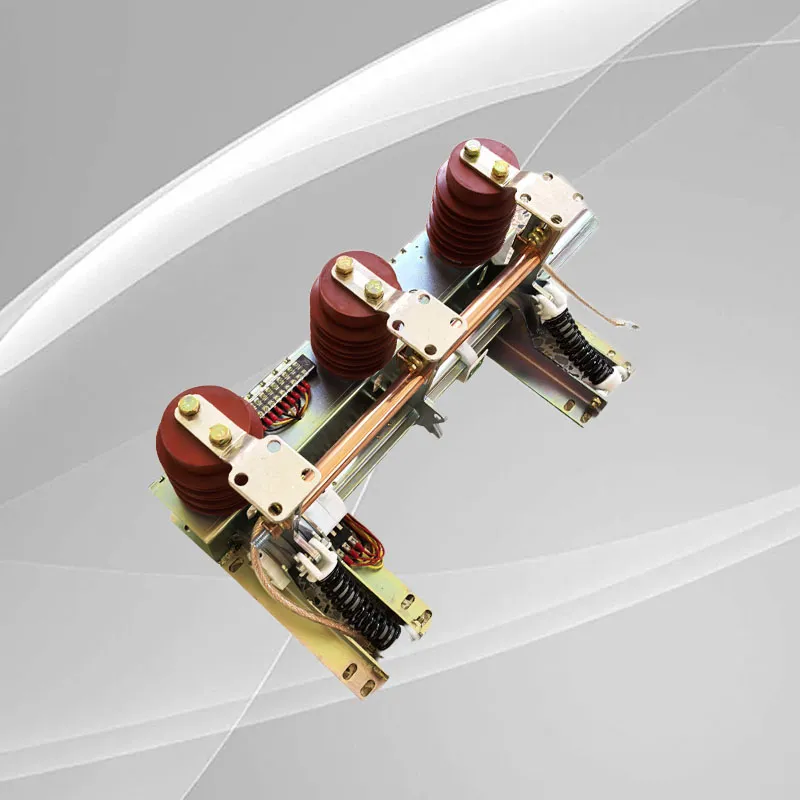


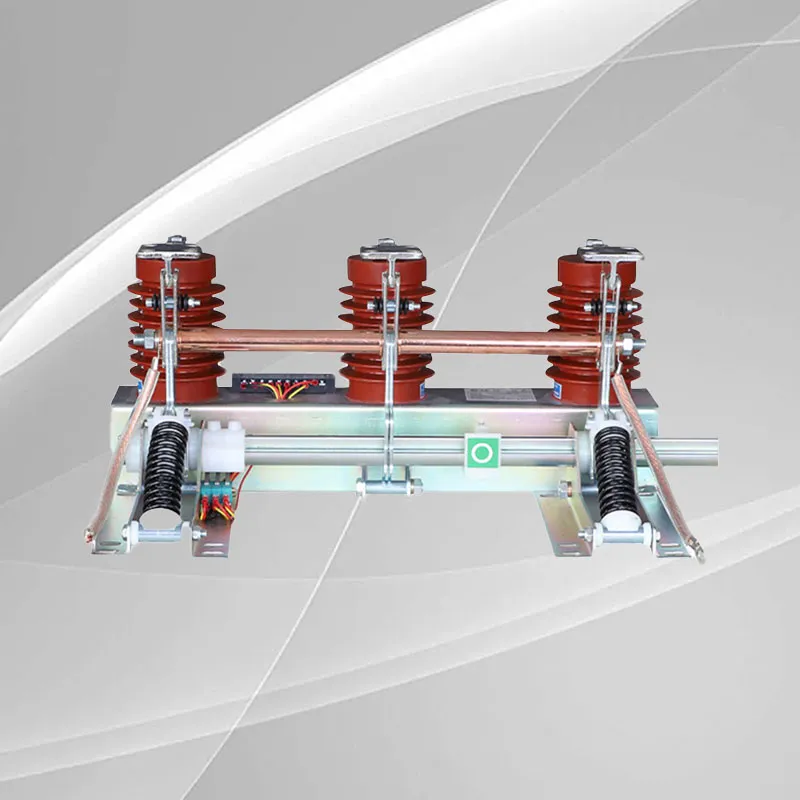
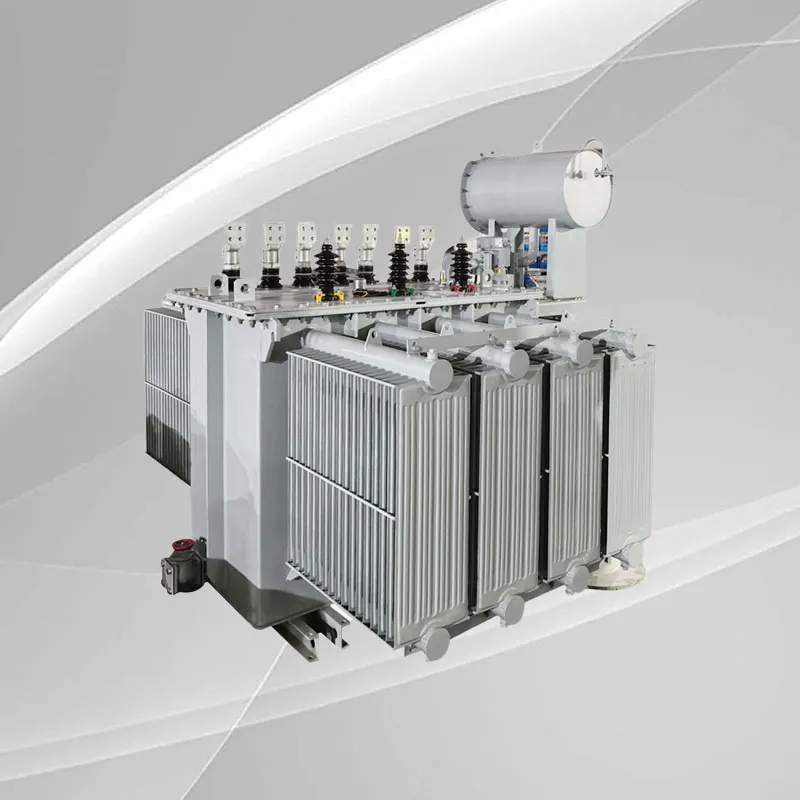
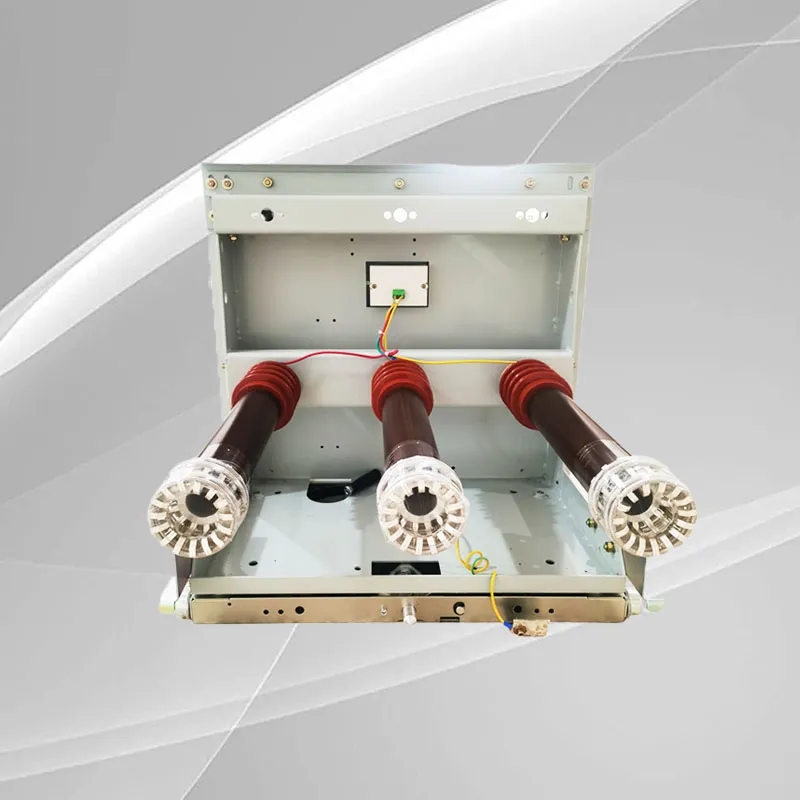
Best Sellingproducts
Best Selling Products-
 Power distribution cabinet
-
 Automatic circuit breaker DZ15 in plastic shell
-
 Metal Enclosed Stationary AC Switchgear XGN15-12
-
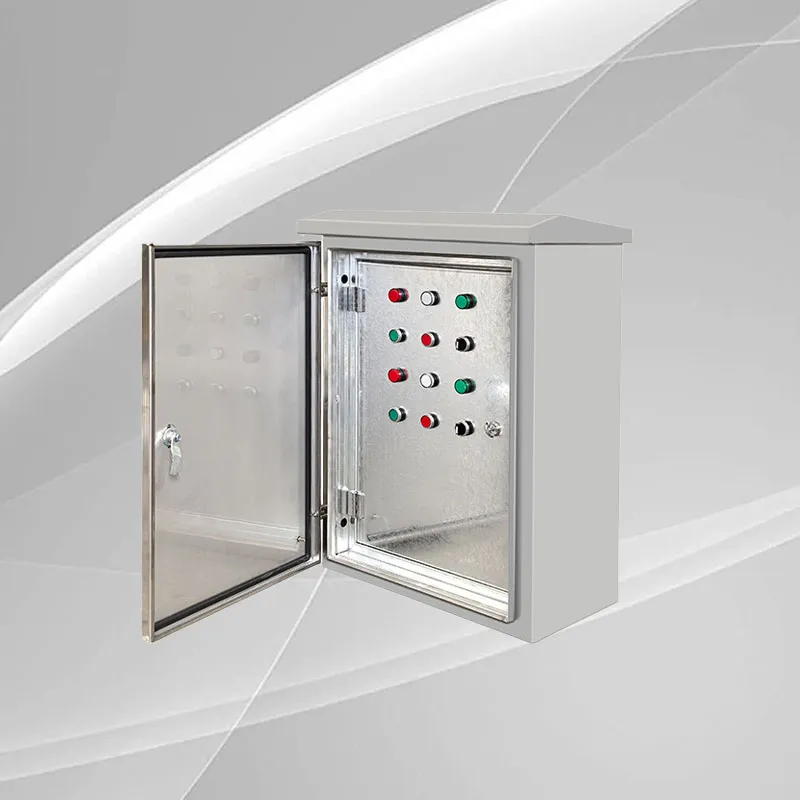 Stainless steel control panel
-
 Grid connection cabinet for photovoltaic system made of stainless steel
-
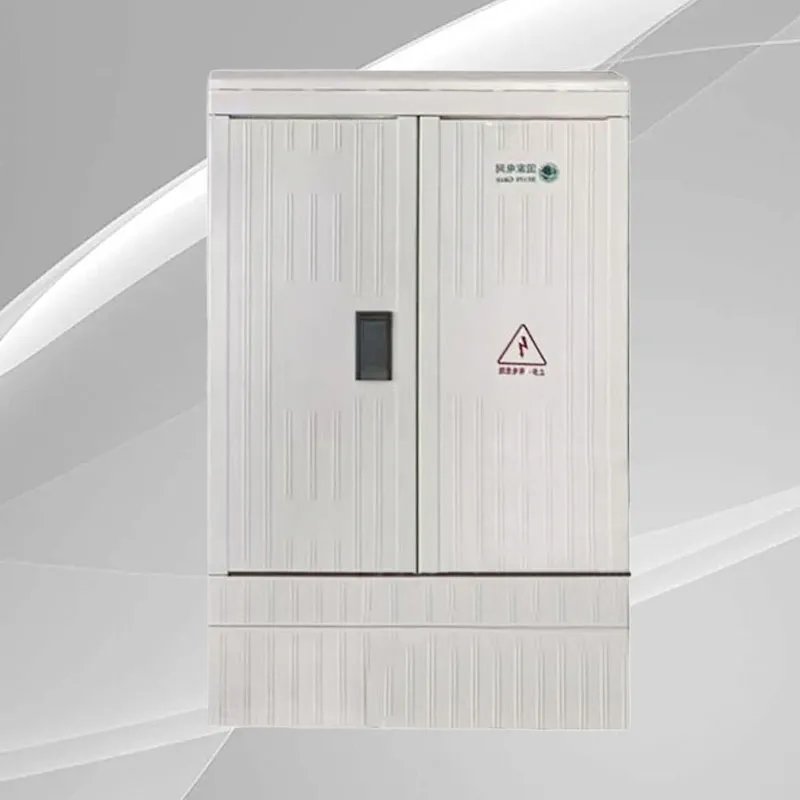 Thickened fiberglass housing for low voltage cable distribution board
-
 Switchgear with ATS BRSM
-
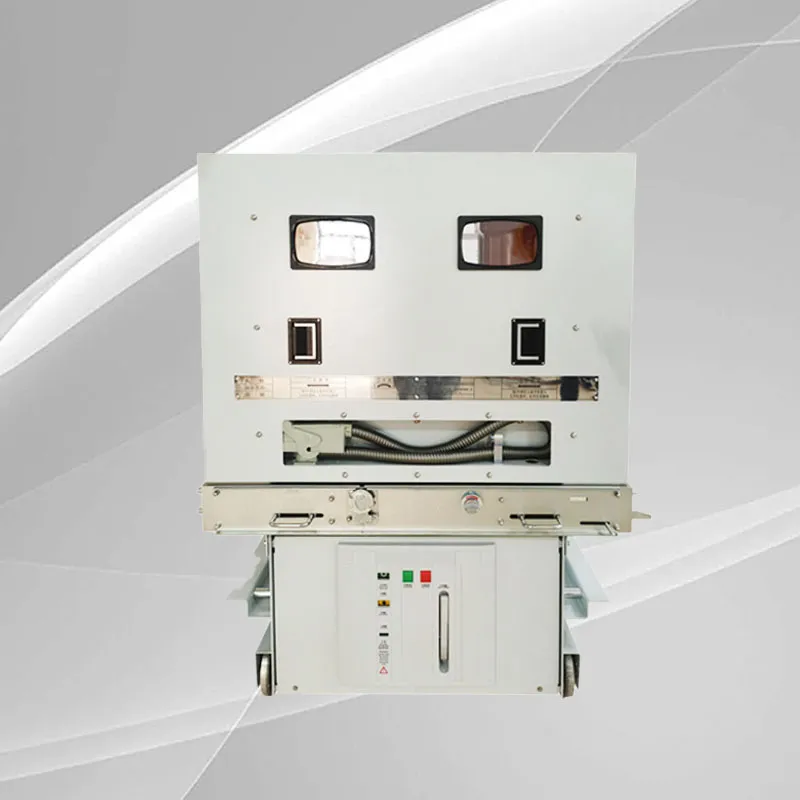 High Voltage Vacuum Circuit Breaker
-
 external isolation switch
-
 Indoor High Voltage Isolation Circuit Breaker with Ceramic Insulators
-
 Outdoor High Voltage Smart Vacuum Circuit Breaker
-
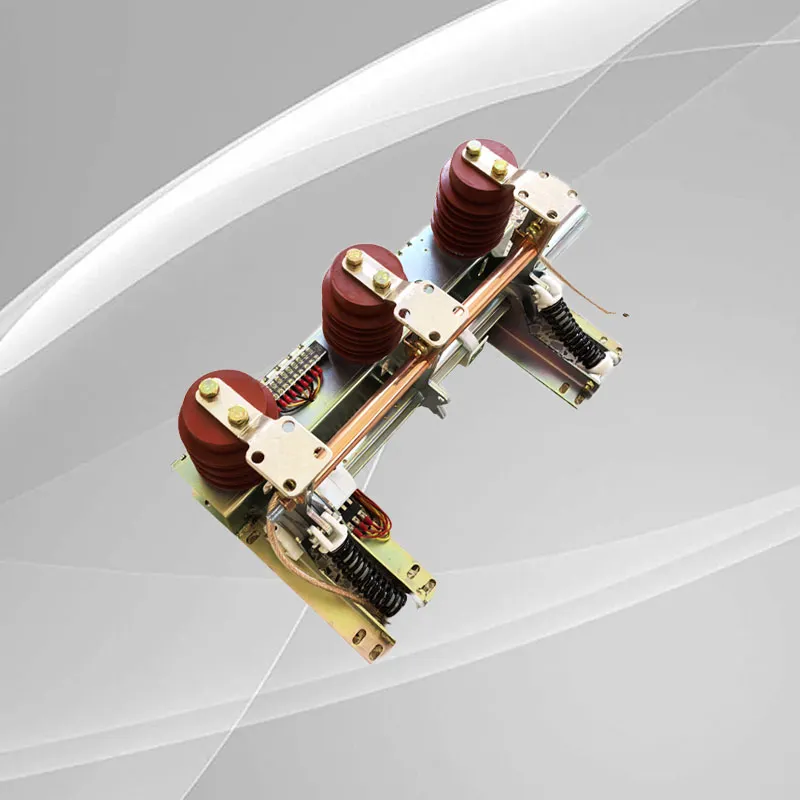 Internal high voltage grounding switch
Relatedsearch
Related Search- China Italian dry-type transformers main buyer
- circuit breakers abb sh201l
- China indoor dry transformer main buyer
- distribution board abb mistral
- Remote floor control cabinet
- circuit breaker turns off
- circuit breaker operating current
- Avito switchboard
- distribution board 800x600x300
- cross section circuit breaker



