


dry-type transformer efficiency
What isDry transformer efficiency? At first glance, the question is simple. But in practice, especially when it comes to real projects, everything turns out to be much more complicated. Often manufacturers, or even design engineers, simplify calculations by ignoring factors that ultimately have a significant impact on the actual output ratio. It is believed that dry design is always more advantageous, since it eliminates the need for heat removal and associated losses. But this is only part of the picture. In this article I will share my observations and experience gained over the years of work in the field of electrical equipment regarding this important parameter.
Introduction: Myths and RealityDry transformer efficiency
Dry transformers are generally more compact and lightweight than oil transformers. This is a significant advantage in confined spaces, such as server rooms or modern electrical control rooms. In addition, they do not require maintenance related to changing the oil and monitoring its properties. However, the perception of a dry transformer as automatically more efficient is a common misconception.Dry transformer efficiencydepends on many factors, and it cannot be assessed only on this basis.
For example, when designing a dry transformer, heat removal is carried out through natural or forced ventilation. The effectiveness of this system is highly dependent on ambient temperature, spalling and the overall design of the transformer. An improperly designed cooling system can lead to significant reductions inDry transformer efficiencyand, as a consequence, to its overheating and premature failure. We have even encountered cases where apparent space savings turned into significant financial losses due to the need to repair or replace the transformer.
Factors influencingDry transformer efficiency
List all factors influencingDry transformer efficiency- not an easy task. But I will highlight a few of the most significant:
- Winding materials:The quality of copper and insulating materials directly affects winding losses. The use of high-quality low-conductivity copper and modern insulating materials reduces losses.
- Core design:The core material (usually electrical steel) and its geometry influence core losses. Design optimization allows minimizing magnetic losses.
- Load mode: Dry transformer efficiencydepends on the load mode. At light loads, winding losses dominate, and at full load, core losses dominate. Optimal operating mode provides the highestDry transformer efficiency.
- Cooling system:The efficiency of the cooling system is critical. Insufficient heat dissipation leads to an increase in the temperature of the windings and a decrease inDry transformer efficiency.
- Short circuit current:The resistance of the transformer to short-circuit current and the nature of the distribution of this current across the windings affect losses and, as a consequence,Dry transformer efficiency. The design must take these factors into account and use appropriate protective measures.
Case Study: Optimizing CoolingDry transformer efficiency
We recently worked on a project to modernize the power supply system of an industrial enterprise. As part of the project, it was necessary to replace the old oil transformer with a modern dry transformer of higher power. Initially it was planned to use a standard natural ventilation system. However, after conducting thermal modeling, we came to the conclusion that this system would not be sufficient to provide the requiredDry transformer efficiency.
We proposed using forced ventilation using fans and thermal sensors that monitor the temperature of the windings and automatically adjust the fan speed. This made it possible to significantly reduce the temperature of the windings and increaseDry transformer efficiencyby 3-4%. Moreover, this ensured more stable and reliable operation of the transformer, which reduced the risk of emergency situations.
Design and Operational ChallengesDry transformer efficiency
Difficulties often arise due to insufficient understanding of the featuresDry transformer efficiency. For example, it happens that when choosing a transformer, they give preference to price rather than quality and efficiency. This may result in having to spend additional money on repairing or replacing the transformer in the future.
Another problem is improper operation of the transformer. For example, failure to comply with the permissible load conditions or insufficient control over the condition of the cooling system can lead to a decrease inDry transformer efficiencyand its premature failure. It is important that employees servicing the transformer are trained in operating rules and have the necessary knowledge and skills.
Conclusion:Dry transformer efficiency- this is a complex issue
In conclusion, I want to say thatDry transformer efficiency– this is not just a technical parameter, it is a complex issue that requires taking into account many factors. When designing and operating a dry-type transformer, it is necessary to pay attention not only to its technical characteristics, but also to its operating conditions. Attentive attention to these factors will ensure high efficiency and reliability of the transformer, as well as reduce the risks of emergency situations. Wenzhou Qiaonasen Electrical Equipment Co.,Ltd specializes in power transmission and distribution solutions, and we are ready to help you select and operate the optimalDry transformer efficiencyfor your tasks. Our website:
Correspondingproducts
Related Products



Best Sellingproducts
Best Selling Products-
 Complete ring distributor with JYSF6-12 full insulation and charging gas
-
 Automatic circuit breaker DZ15 in plastic shell
-
 Complete high-voltage distribution cabinet KYN28A-12 with input and linear cells and instrument transformer compartment
-
电动智能户外柱上高压真空断路分合闸开关.2.webp) ZW7-40.5 (side mounting) is an intelligent outdoor high-voltage vacuum circuit breaker with electric drive.
-
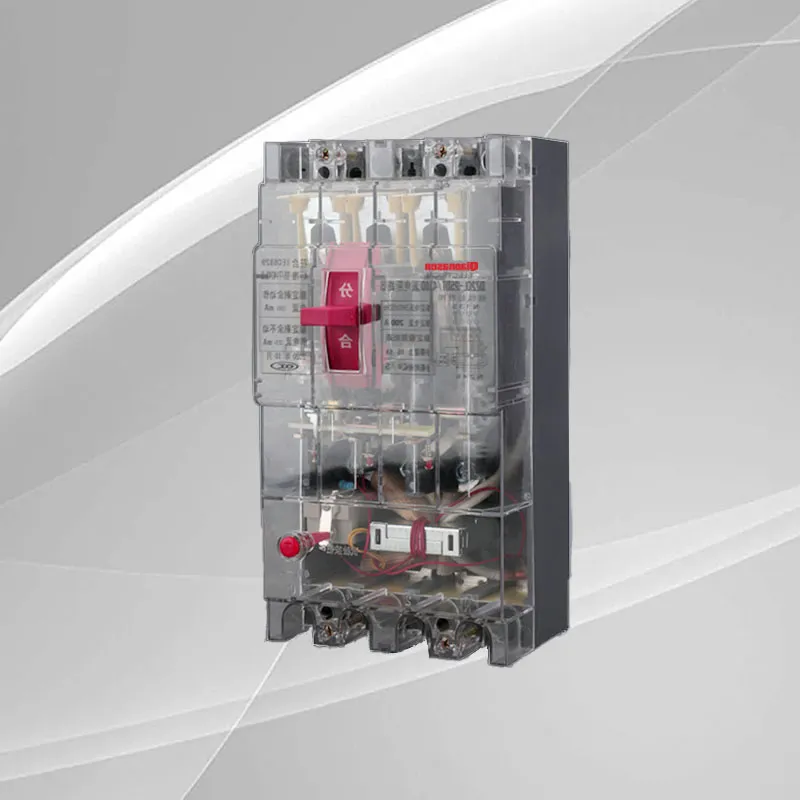 Circuit breaker with transparent plastic housing
-
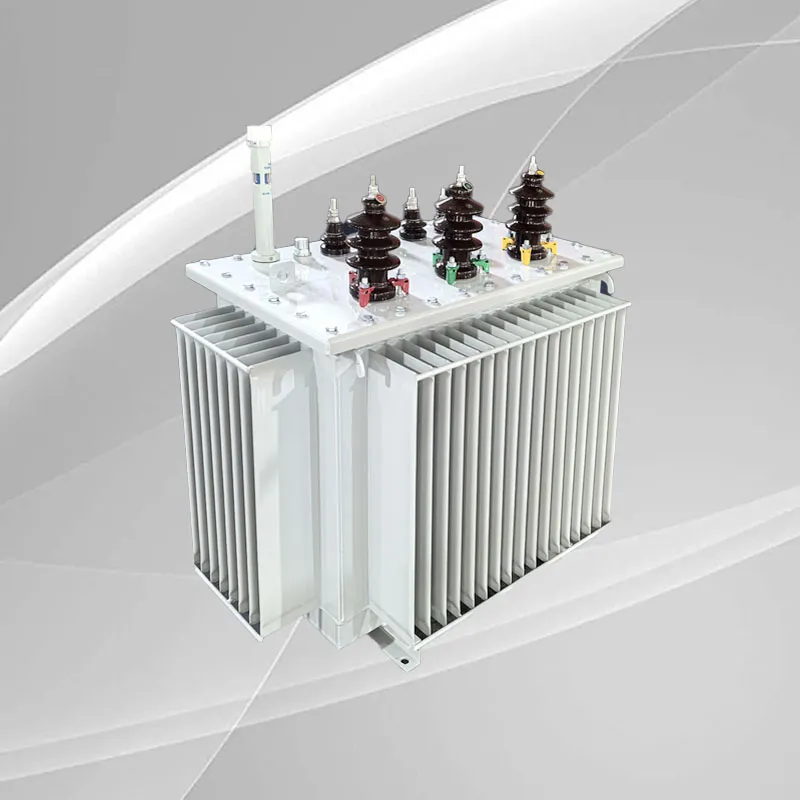 Oil power transformer
-
 Three-phase energy efficient transformer
-
 JXF weatherproof box for external use with enhanced dust protection
-
 Side vacuum switch
-
 Rotating internal high voltage disconnector
-
 Three-phase control transformer
-
 Withdrawable element for electricity metering
Relatedsearch
Related Search- China dry transformer 1250
- China dry type power transformers main buyer
- power transformer TM 630 kva
- automatic circuit breaker armat
- power transformer TM 1000 6
- ac dc circuit breakers
- China dry transformer service life main buyer
- China power transformer weight main buyer
- which distribution board to choose?
- shield ip41 distribution shield price



