


cast power transformer
Cast power transformer- this, at first glance, is just a transformer poured into the housing. But believe me, there is a whole world of nuances hidden here. Often, beginners look at this design as a simpler and more reliable alternative to traditional open-winding transformers. But I will say this: this simplicity is illusory. Understanding the principles of operation, choosing materials, monitoring the quality of pouring - all this requires specific knowledge and experience. In my practice, there have been cases when a seemingly 'simple'cast power transformerwas proving to be a pain in the ass despite its visual appeal.
Why casting is not always better
I want to make a reservation right away: casting is an excellent way to protect a transformer from external influences - dust, moisture, mechanical damage. In addition, this allows for a more compact design, which is especially important in limited space. But the complexity of manufacturing, especially complex geometric shapes, makes the process more demanding and expensive. And here lies the main problem. If the casting process is not optimized, you can end up with a transformer with defects that are then difficult to identify and correct.
Casting defects are not only cracks or voids. This may be an uneven distribution of metal, which leads to hot spots in the windings. And this, in turn, leads to a decrease in service life and even failure of the transformer. We once received a shipmentcast power transformerswith noticeable defects - microcracks were found inside the case. Later it turned out that this was due to incorrect calculation of the thickness of the case walls and insufficient heat treatment. This led to problems with case deformation when heated, and, as a result, reduced reliability.
Materials and their influence on performance
Selection of body materialcast power transformer– this is a critical stage. Usually different grades of cast iron are used, but the choice depends on operating conditions - temperature, vibration, load. You can’t just take the first cast iron you come across - it must have a certain degree of cold resistance and mechanical strength. If the material is chosen incorrectly, problems may arise with housing deformation at high temperatures or under high mechanical loads.
At our company, Wenzhou Qiaonasen Electrical Equipment Co.,Ltd, we carefully select material suppliers and conduct our own tests to verify their compliance with requirements. We use, for example, cast iron grade ChL10, which, as our research has shown, is optimally suited forcast power transformers, operated in conditions of moderate temperatures.
Problems with pouring and quality control
The pouring process is a complex technological operation that requires strict control. It is necessary to maintain a certain filling temperature, filling speed, and pressure. Failure to comply with these parameters may result in the formation of air bubbles, cracks and other defects. We use automated quality control systems that allow us to monitor all stages of the pouring process and identify defects at an early stage.
One of the common issues we encounter is the problem with metal shrinking when cooling. Shrinkage can lead to internal stresses that can lead to cracks over time. To prevent this, special cooling and shrinkage compensation technologies are used.
Comparison with traditional transformers
The question is often asked: which is better -cast power transformeror a transformer with open windings? There is no clear answer. Each option has its own advantages and disadvantages. Transformers with open windings are generally easier to maintain and repair. If problems arise with the winding, it can be replaced relatively easily. Butcast power transformersmore reliable in terms of protection from external influences and often have a longer service life.
However, when considering open winding transformers used in industrial environments, they are often chosen due to ease of maintenance and upgradeability. This is especially true for transformers that may be subject to frequent overloads or vibrations. In such cases, the ability to quickly repair outweighs the benefitscast power transformers.
Real example: Implementation into the power supply system of an industrial enterprise
Our team participated in a project to modernize the energy supply system of an industrial enterprise. This undertaking required severalcast power transformershigh power. When choosing, we took into account all factors - climatic conditions, loads, reliability requirements. Thanks to careful quality control and the use of modern materials, ourcast power transformersserved at the enterprise for more than 10 years without requiring major repairs. This allowed the company to reduce energy costs and increase production efficiency.
While working on this project, we encountered the problem of increased vibrations in the room where the transformers were installed. This led to additional stress in the housing and windings. To solve this problem, we used special vibration-isolating stands and additional measures to strengthen the structure. This experience has allowed us to improve production technologiescast power transformersand make them more resistant to vibrations.
Development prospects
Production technologies are constantly being improvedcast power transformers. New materials are being developed, casting and cooling technologies are being improved. In the future we can expect the emergence of more compact, reliable and economicalcast power transformers. Particular attention is paid to energy efficiency issues - designs are being developed that can reduce energy losses during the transmission and distribution of electricity.
Wenzhou Qiaonasen Electrical Equipment Co., Ltd. is actively involved in the development and implementation of new production technologiescast power transformers. We are constantly improving our processes and working to improve product quality. We are sure thatcast power transformerswill play an increasingly important role in ensuring reliable and efficient energy supplies.
Correspondingproducts
Related Products




Best Sellingproducts
Best Selling Products-
 PT-12 Internal high voltage voltage transformer with withdrawable element
-
 KYN28A-12 Internal structure of medium voltage switch with metal armor
-
 Disconnector with blade contact in a complete high-voltage cabinet
-
 Circuit breaker transparent
-
 Blade contact disconnector ZW10-12
-
 MBM1 is a circuit breaker in a plastic case with short circuit and overload protection.
-
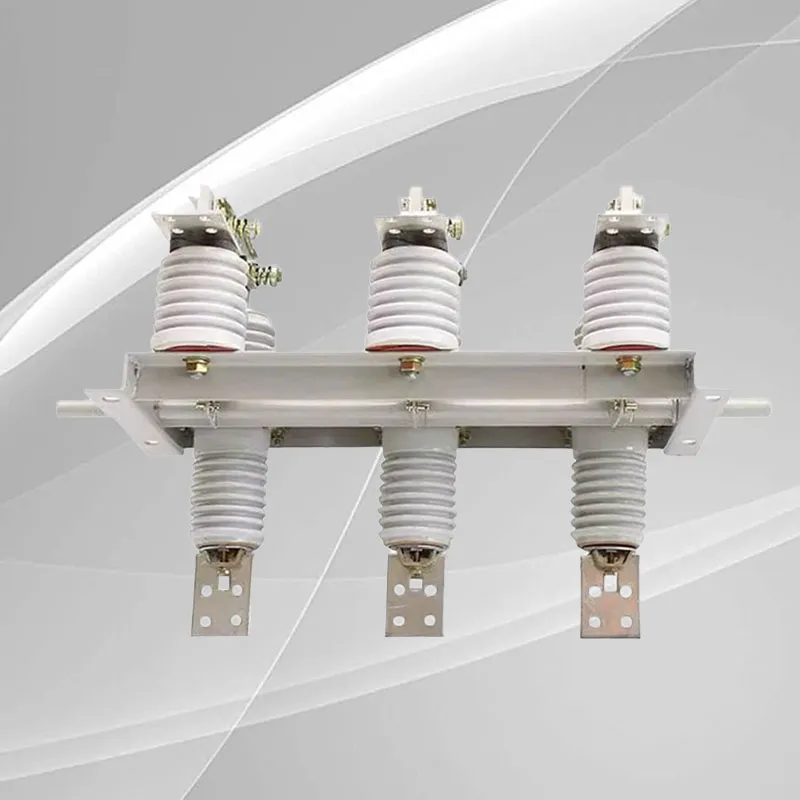 Internal high voltage disconnector type GN19-12C
-
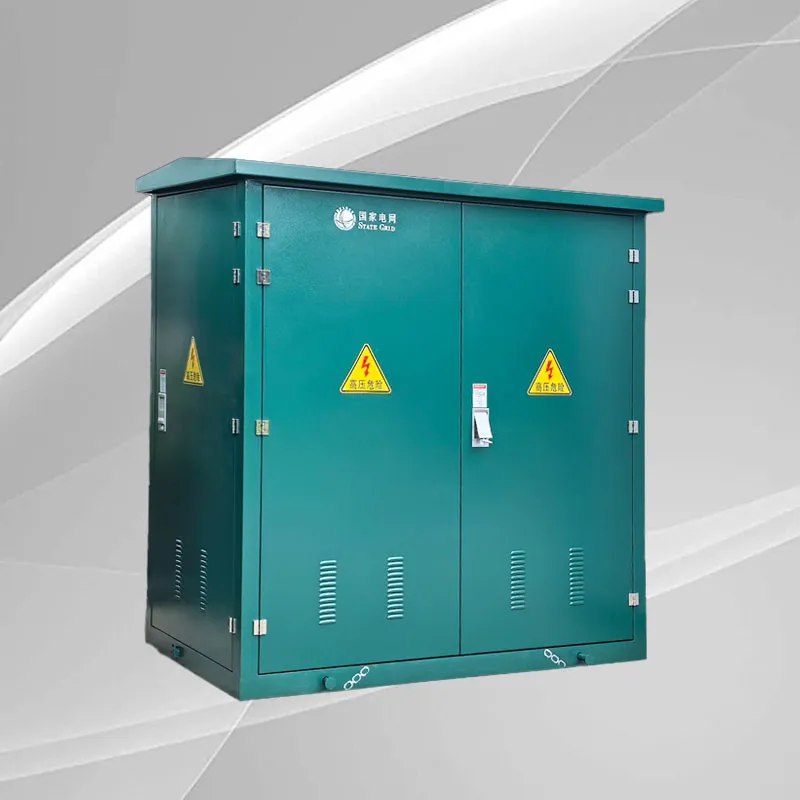 High voltage ring distribution cabinet
-
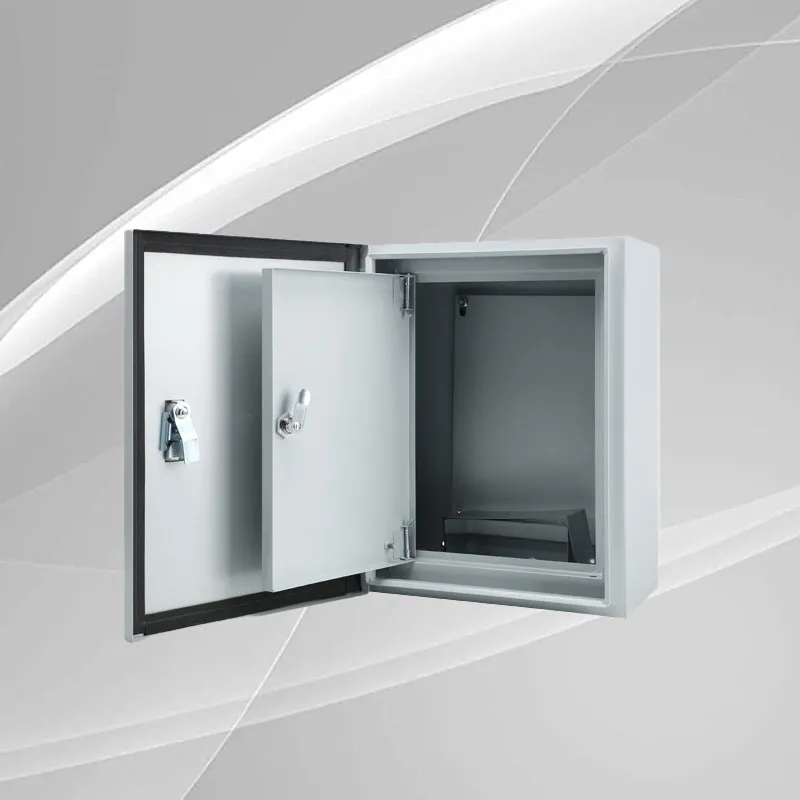 Indoor distribution cabinet with double door
-
 Transparent circuit breaker with plastic housing
-
 Outdoor distribution board
-
 Three-phase energy efficient transformer
Relatedsearch
Related Search- power transformer fencing
- China power transformers 1000 kva
- circuit breaker 1p c16
- circuit breaker 3p 630a
- relay protection of power transformers
- China dry transformer 6 0.4 main buyer
- distribution board shchrn 24z 1 ip31
- China GOST for dry-type transformers is the main buyer
- circuit breaker 125a 25ka
- Grid connected stainless steel photovoltaic box



