


power transformer inspections
Power Transformer Inspections– this is not just a formality before start-up or after long-term operation. Many people believe that a visual inspection and a couple of insulation resistance measurements are enough. And this, of course, is better than nothing. But often in the process of work, problems are identified that could have been prevented if we had carefully approached the diagnosis. In this article, I will share my experience, mistakes and recommendations for conducting a comprehensive inspection of a power transformer.
Why is a superficial examination often insufficient?
Don't underestimate the importance of a thorough diagnosis. Often problems are hidden under external prosperity. For example, microcracks in the windings or oil filling defects may not immediately appear, but over time lead to serious consequences. A simple measurement of insulation resistance may not reveal local sources of degradation, especially if they are located in hard-to-reach places or affect only certain sections of the windings. We have encountered cases where a transformer that showed 'normal' insulation resistance values quickly failed due to hidden damage within the windings.
Sometimes the problem lies in poor-quality installation documentation or incorrect interpretation of measurement results. For example, you can mistake minor deviations in readings for serious defects, or, conversely, ignore real problems if they are within acceptable limits. It is important to understand that acceptable values are not absolute limits, but rather guidelines that must be taken into account in the context of specific operating conditions.
In addition, over time, especially under intense load, natural changes occur in the structure and properties of materials. For example, winding insulation may gradually become thinner, and the oil in the oil gap may degrade. These changes are difficult to detect without special equipment and experience. That is why regular and comprehensivepower transformer inspectionsis an investment in the reliability and durability of the equipment.
Visual inspection: the first stage of diagnosis
A visual inspection is definitely the starting point. It allows you to identify obvious defects: cracks, traces of oil leaks, corrosion, damage to insulation. It is important to look beyond just the outside of the transformer and inspect all connections, terminal blocks and the cooling system. If any defects are detected, you should immediately stop using the equipment and conduct a more in-depth diagnosis.
For example, we once discovered a small crack in the transformer housing, which we initially did not notice during a visual inspection. This crack gradually enlarged under the influence of vibration and temperature changes, which ultimately led to oil leakage and failure of the transformer. This case highlights the importance of being careful and systematic when performing visual inspections.
The use of infrared thermography can greatly facilitate visual inspection. It allows you to identify areas with elevated temperatures, which may indicate the presence of overheating or hidden defects. This is especially useful for detecting insulation damage, oil leaks and cooling system faults.
Insulation resistance measurement: key parameter
Measuring insulation resistance is one of the main diagnostic methodspower transformer. It allows you to assess the condition of winding insulation and identify areas with degradation or contamination. However, as mentioned above, the results obtained cannot be interpreted unambiguously. It is necessary to take into account the rated voltage of the windings, oil temperature and air humidity.
We regularly carry out insulation resistance measurements on our custom transformers. To do this, we use specialized instruments that ensure high accuracy and reliability of measurements. At the same time, we pay attention to the correct preparation of equipment and compliance with the technological process in order to eliminate errors. Particular attention is paid to measuring the insulation resistance between the windings and the transformer body.
It is worth noting that when measuring insulation resistance, it is necessary to carry out a test voltage tension on the transformer windings. This makes it possible to identify local areas of insulation degradation that are not visible when measuring without voltage. Test voltage tension also allows you to assess the state of the dielectric strength of the insulation and identify possible problems with its performance.
Diagnostics of oil in the oil gap
The oil in the oil gap performs an important function - cooling and insulating the transformer windings. Over time, the oil degrades, loses its dielectric properties and can contaminate the windings. Regular oil analysis can identify signs of degradation and prevent potential problems.
During oil analysis, we determine its acid number, moisture content, electrical conductivity and other parameters. These parameters allow you to assess the condition of the oil and identify signs of its degradation. For example, an increase in acid number indicates the presence of acidic decomposition products in the oil, which may be due to overheating or oxidation of the oil. High moisture content can lead to a decrease in the dielectric strength of the insulation and failure of the transformer.
We use portable oil analyzers to perform rapid analysis. This allows you to quickly assess the condition of the oil and take the necessary measures. If oil degradation is detected, we recommend replacing it or cleaning it using special filters and adsorbents. Sometimes it is also necessary to carry out additional diagnostics of the windings to identify possible damage caused by oil degradation.
Calculation and analysis of inspection and measurement results
The collected data from visual inspection, insulation resistance measurements and oil analysis must be carefully analyzed and compared with standard values. For this purpose, specialized software systems are used that allow you to automatically process data and identify possible problems. It is important not to limit ourselves only to quantitative indicators; it is also necessary to take into account the qualitative signs identified during the inspection and analysis process.
In our case, we use our own developed algorithms to analyze data, which take into account the characteristics of a particular type of transformer and its operating conditions. These algorithms allow you to identify hidden defects and predict possible problems. We also consult with power industry experts to refine our analysis and make informed decisions.
Don’t forget about the service history of the transformer. Information about previous repairs and component replacements can be very helpful in interpreting inspection and measurement results. For example, if windings have been repaired in the past, this must be taken into account when assessing the condition of the insulation and other parameters.
Case study: transformer diagnostics after an accident
We recently received an order to diagnose a transformer that failed after a short circuit. During a visual inspection, we found traces of insulation breakdown in one of the windings. Insulation resistance measurements showed low values, which confirmed the presence of damage. Oil analysis revealed an increased content of free decomposition products.
In addition, we found microcracks in the transformer housing, which could be caused by overheating. For a more detailed analysis, we carried out non-destructive testing of the windings using the ultrasonic method. This made it possible to identify local areas of insulation degradation that were not visible during visual inspection.
Based on the diagnostic results, we concluded that it is necessary to completely replace the transformer. We provided the customer with a detailed report on the diagnostics performed and recommended that the transformer be recycled. This case shows that even after an accident, it is necessary to carry out comprehensive diagnostics to identify all damage and prevent possible recurrence of problems. Wenzhou Qiaonasen Electrical Equipment Co.,Ltd can offer such services.
Conclusion
Complexpower transformer inspection– this is a complex and responsible process that requires experience, knowledge and special equipment. This step should not be neglected, as it allows you to identify hidden defects and prevent costly accidents. Regular and timely
Correspondingproducts
Related Products





Best Sellingproducts
Best Selling Products-
 Outdoor Single Phase Waterproof Transparent Plastic Electricity Meter Shield
-
 MBW1 series intelligent universal circuit breakers, three-pole fixed
-
 Fixed enclosed switchgear XGN66-12(Z)
-
 Residual current switch
-
 Circuit breaker transparent
-
 PT-12 Internal high voltage voltage transformer with withdrawable element
-
 Molded Case Circuit Breaker (MCCB), 63A
-
 XGN66-1210KV High Voltage Ring Cabinet
-
 Stainless steel meter panel
-
 Isolating circuit breaker HL30-125
-
 Power distribution cabinet
-
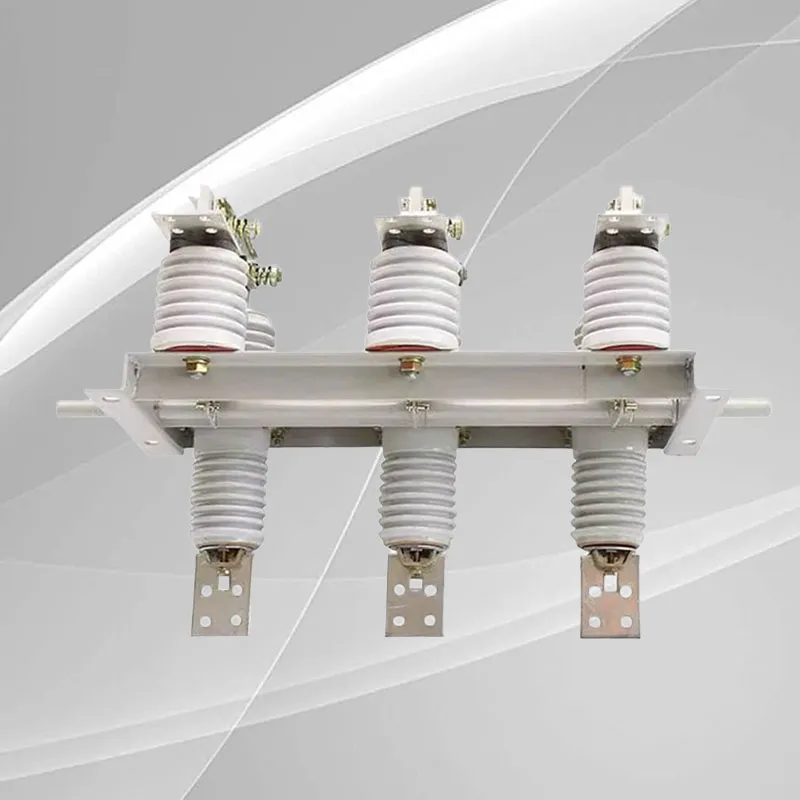 Internal high voltage disconnector type GN19-12C
Relatedsearch
Related Search- China dry transformer 4000 main buyer
- China power transformer 110 35 main buyer
- two-door distribution board
- how much does a switchboard cost?
- GOST power transformers 35 kV
- distribution board manufacturer
- distribution board ekf schrn 36 ip31
- power transformer structure
- China efficiency of dry-type transformer main buyer
- damage to power transformers



