


pbv dry transformer
Dry transformers– a topic that I encounter almost daily. Often, especially at the initial stage, there is a misconception about their simplicity. Many people think that it is just an 'oil-free transformer'. In fact, the design and installation of just such devices is a whole science that requires attention to many nuances, from choosing a design to ensuring reliable heat transfer. I would like to share some observations accumulated over the years of working withdry transformers, and talk about mistakes that can be avoided.
Main advantages and disadvantages of dry-type transformers
In general, everyone knows that the main advantage is the absence of oil. This significantly reduces the risk of fire and simplifies maintenance. In industrial environments, this is a huge plus, especially in areas with high safety requirements. In addition, there is less chance of environmental pollution in the event of a leak. But, of course, there are also disadvantages. Firstly, as a rule, they are more expensive than their oil counterparts, especially for high capacities. Secondly, they require a more thorough cooling system. This may increase the size and cost of installation. And thirdly, although less frequently, they are susceptible to the influence of humidity - it is necessary to comply with fire safety standards in the room where they are installed. The effect of humidity on insulation is an important point that is often underestimated.
Design features and their impact on reliability
There are several design optionsdry transformers: with natural and forced ventilation, with air cooling and using various types of insulation. The choice of a specific type depends on the required power, climatic conditions and reliability requirements. For example, for rooms with high humidity it is better to use transformers with a more sealed design and additional protection from moisture. I have seen how careless handling of these details has led to serious insulation problems and resulting accidents. It is important to understand that 'dry' does not mean 'safe from all factors' - it is only one of the conditions for reliable operation.
It is especially important to pay attention to the quality of insulation. Various materials are used: epoxy resins, polymer compounds, special oils with high dielectric constant (although this contradicts the essence of a “dry” transformer, it is sometimes used to improve cooling). It is important that the insulation is uniform, without cracks or defects. Insulation testing is a mandatory step during acceptance and periodic maintenance. Often minor damage is discovered that can lead to serious consequences over time. Once we discovered a microcrack in the epoxy resin, which led to the failure of the transformer after six months of operation. In such cases, regular monitoring should not be neglected.
Cooling systems: efficiency and installation features
As I already mentioned, an efficient cooling system is a key factor in reliabilitydry transformer. The most common systems are natural and forced ventilation. Natural ventilation is simple and reliable, but less effective for large capacities. Forced ventilation allows heat to be removed more efficiently, but requires the installation of fans and a control system. The choice of cooling system depends on the required transformer power and operating conditions. When designing a ventilation system, it is important to take into account the characteristics of the room: the presence of dust, humidity, air temperature.
Solutions to improve heat transfer
There are also more modern solutions to improve heat transfer. For example, the use of heat pipes or heat plates. Heat pipes provide high heat transfer efficiency, especially in small sizes. Thermal plates allow heat to be evenly distributed over the entire surface of the transformer. We used heat pipes in one of the projects, and this allowed us to significantly reduce the temperature of the windings and increase the service life of the transformer. But it is worth remembering that the use of such solutions increases the cost and complexity of installation.
In addition, it is important to properly organize the air flow around the transformer. The space around the transformer must not be cluttered to ensure free access of air. It is recommended to provide special clearances between the transformer and walls or other objects. This will help prevent the transformer from overheating and extend its service life. Insufficient ventilation is one of the most common causes of exitdry transformersout of order.
Installation errors and possible consequences
During installationdry transformerIt is important to comply with all requirements specified in the technical documentation. It is especially important to correctly connect the windings, tighten the terminals and ensure a reliable grounding system. Incorrect connection of the windings can lead to serious damage to the transformer and other negative consequences. Poorly tightened terminals can cause heating and open circuits. An insecure grounding system can result in electrical shock.
Grounding and electrical safety issues
Particular attention should be paid to grounding the transformer housing. Grounding must be carried out in accordance with the requirements of regulatory documents. It is important to ensure that the grounding conductor has sufficient cross-section and reliable contact with the transformer body. Improper grounding can not only cause electric shock, but also cause a fire. Check the grounding before connecting the transformer to the network. And don’t skimp on the quality of grounding - this is one of the most important elements of electrical safety.
Another common mistake is the wrong choice of cable to connect the transformer to the network. The cable must have sufficient bandwidth and comply with regulatory requirements. An incorrectly selected cable may overheat and cause a fire. It is important to consider the operating conditions of the cable, such as ambient temperature and moisture. Always check the regulatory documents and choose a cable with a current reserve.
Conclusion: reliability and durability are the result of an integrated approach
In conclusion, I would like to say that design and installationdry transformeris a responsible task that requires knowledge and experience. Do not underestimate the importance of complying with all regulatory requirements and performing quality work. Only with an integrated approach can reliable and durable operation of the transformer be ensured. And remember, preventive maintenance and regular monitoring are the key to uninterrupted operation of electrical equipment.
At our company Wenzhou Qiaonasen Electrical Equipment Co.,Ltd, we specialize in high and low voltage transmission and distribution solutions and electrical control systems. We have extensive experience in dry-type transformers and can offer our customers a wide range of services from design to installation and maintenance. If you have any questions, please contact us - we are always happy to help.
Correspondingproducts
Related Products



Best Sellingproducts
Best Selling Products-
 Outdoor Waterproof Stainless Steel Switchboard
-
 Residual current switch
-
 Metal Enclosed Stationary AC Switchgear XGN15-12
-
 Switch cabinet with double doors
-
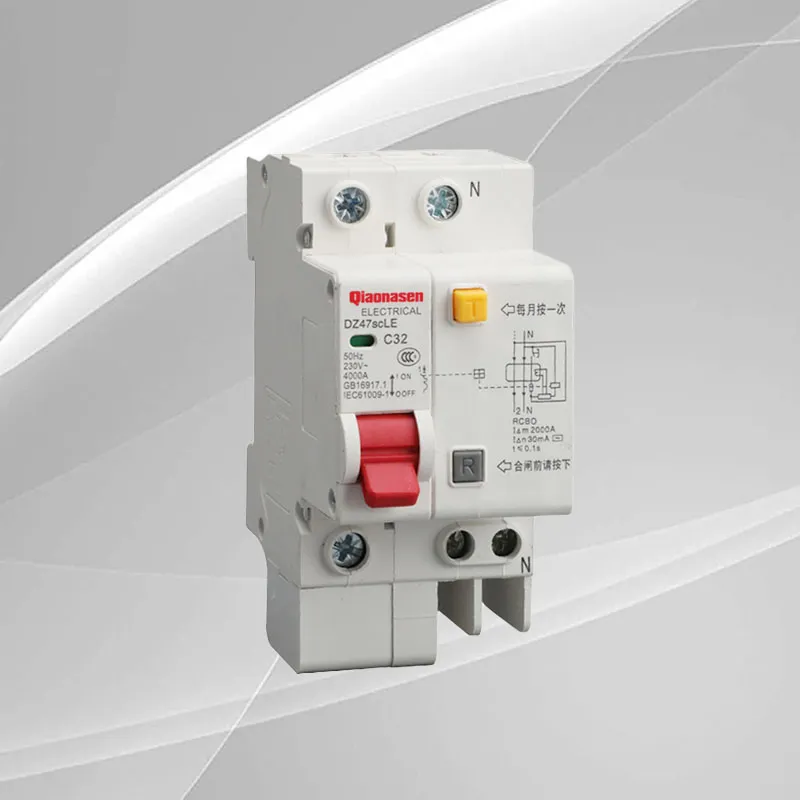 Residual current device with plastic housing
-
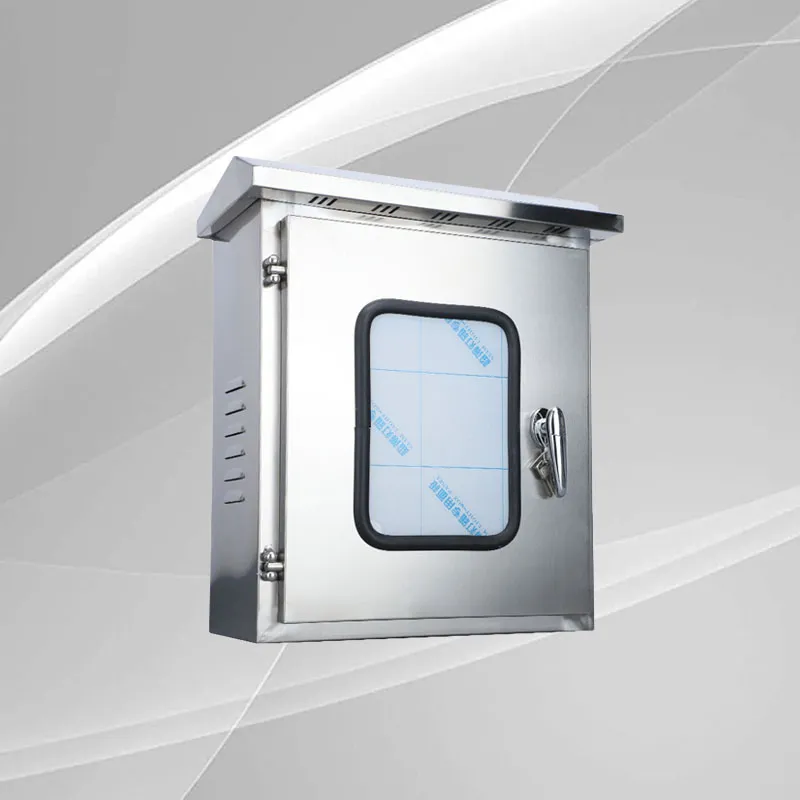 Stainless steel meter panel
-
 Miniature circuit breaker
-
 VS1 ZN63-12 1250A fixed indoor high voltage vacuum circuit breaker
-
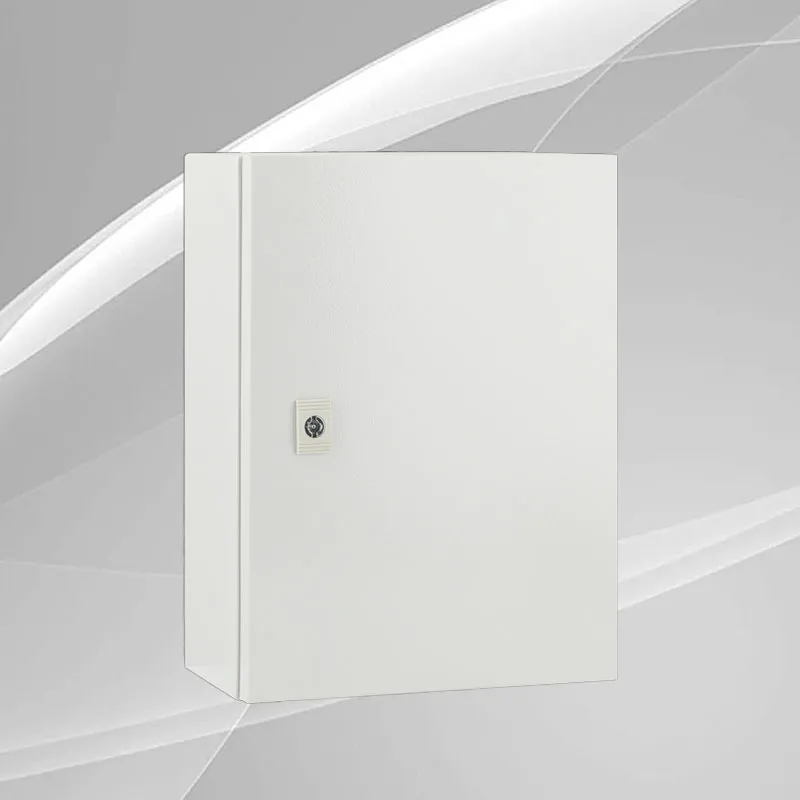 Apartment switchboard
-
 KYN28A-12 Internal structure of medium voltage switch with metal armor
-
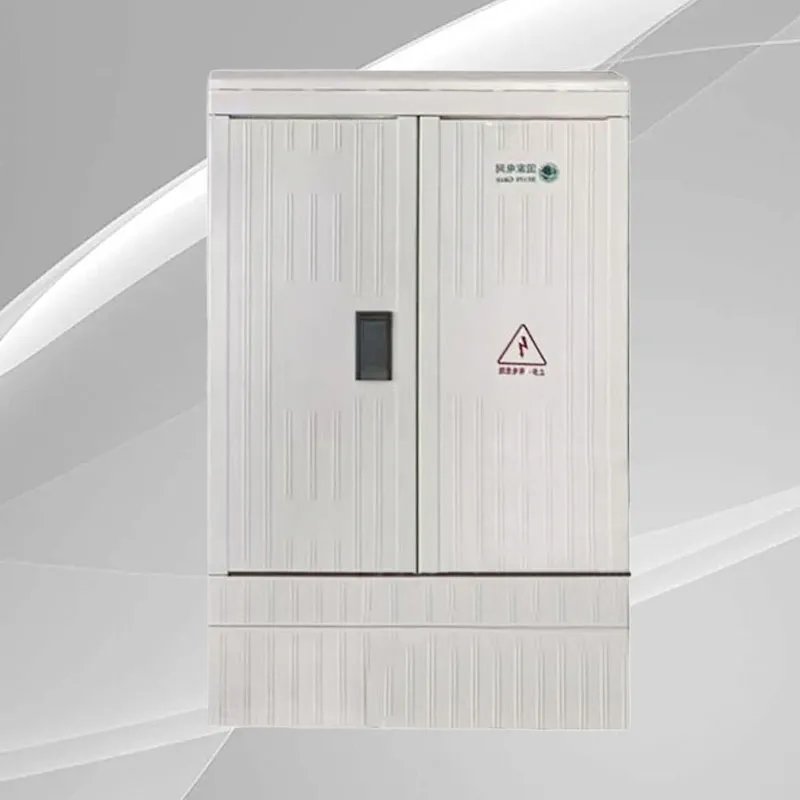 Thickened fiberglass housing for low voltage cable distribution board
-
 MBM1 is a circuit breaker in a plastic case with short circuit and overload protection.



