


advantages of a dry transformer
Although many people still prefer traditional oil-filled transformers, I believe that **dry transformers** are not just a fashion trend. This is a completely reasonable choice, especially in the context of modern requirements for safety and environmental friendliness. Yes, they have their own nuances, and they are not always the ideal solution, but in certain situations they definitely win. Let's figure out what exactly are the 'advantages' of these devices, and what in practice needs to be taken into account when using them. It seems to me that people often underestimate the capabilities and advantages, and sometimes they are simply not familiar with the details.
Review: Cleanliness, Safety and Ecology
The bottom line is this: **a dry transformer** is much safer to operate and less harmful to the environment. These are the main advantages that immediately catch your eye. We will talk about them in detail and also look at other important aspects such as reliability, cost and application. We will focus on real experience, and not on theoretical reasoning. It seems to me that often the debate surrounding the choice of transformer type boils down to economic considerations, forgetting about personnel safety and long-term maintenance costs.
Eco-Friendly: No Oil, Better for the Planet
This is perhaps the most obvious advantage. The absence of oil eliminates the risk of leaks and environmental pollution in the event of an accident. Oil-filled transformers are a potential threat to soil and water resources. In the modern world this is critically important. This is especially true for industrial enterprises and energy facilities located in environmentally sensitive areas. I remember one case where one of our clients had an oil leak from an old transformer. The consequences were serious - huge fines and cleanup costs. The lesson was learned for the entire company.
In addition, dry execution reduces the risk of fire. Oil is flammable and leakage may cause a fire. **Dry transformers**, on the contrary, are much safer in this regard, although they do not completely exclude the possibility of fire of other components.
Recently, models have appeared with dielectric insulation using synthetic epoxy resins, which further increase environmental friendliness and durability.
Personnel safety: Less health risks
Another important advantage is personnel safety. No oil means no risk of burns from hot parts. Although safety precautions must be followed for both dry-type and oil-wet transformers, the risk of injury is significantly lower with dry-type transformers. Moreover, the absence of oil odor creates more comfortable working conditions for maintenance personnel.
The risk of electric shock is also reduced because there is no opportunity for oil to spread on the ground and create a hazardous field.
It is important to remember the need to use personal protective equipment when working with any transformer, but the **dry transformer** provides a noticeable advantage in this regard.
Reliability and Durability: Not always obvious factors
There is often an opinion that oil transformers are more reliable and durable. This is not entirely true. Modern **dry transformers** can easily compete in reliability with oil transformers, and in some cases even surpass them. It all depends on the quality of workmanship, the materials used and operating conditions.
However, it must be taken into account that **dry transformers** are more sensitive to overheating. If overloaded or improperly ventilated, the temperature of the windings may rise rapidly, which may damage the insulation. Therefore, during design and operation it is necessary to pay special attention to the cooling system. We, for example, at Wenzhou Qiaonasen Electrical Equipment Co., Ltd., always carefully calculate heat dissipation and select the optimal cooling system for each project. We cooperate with trusted suppliers of fans and coolers.
When it comes to durability, proper operation and timely maintenance are key factors. Regular checking of the insulation condition, cleaning of dust and dirt, monitoring the temperature of the windings - all this is necessary to ensure long and uninterrupted operation of a **dry transformer**. Our customers often contact us with service questions, and we always try to provide the most complete and professional solution.
Features of ventilation and cooling
To effectively remove heat, **dry-type transformers** use various cooling systems: natural ventilation, forced ventilation and air cooling using radiators. The choice of system depends on the power of the transformer and operating conditions. Forced ventilation provides more efficient heat removal, but requires additional costs for electricity and fan maintenance.
It is important to properly design the ventilation system to ensure uniform cooling of all transformer components. Insufficient ventilation can lead to overheating and reduced insulation life.
We often encounter situations where clients try to save money on ventilation, but this leads to serious problems in the future. Therefore, we always try to provide the optimal solution taking into account all factors.
Cost and Application: Balance between costs and benefits
As a rule, **dry transformers** are more expensive than oil transformers, especially in small capacities. This is due to a more complex design and the use of more expensive materials. However, they may prove more beneficial in the long run, given the reduced maintenance costs and increased safety.
**Dry type transformers** are widely used in various industries, including electric power, mechanical engineering, metallurgy, chemical industry and others. They are ideal for installation in areas with high safety and environmental requirements, such as hospitals, schools, kindergartens and office buildings.
They are also often used as distribution transformers in industrial facilities and power supply networks. Nowadays, there is often a tendency to replace old oil-filled transformers with **dry transformers** as part of modernization of energy systems.
Application examples: from office buildings to industrial plants
In office buildings, **dry-type transformers** provide power to lighting systems, computers, servers and other equipment. They are characterized by low noise levels and compact sizes, which allows them to be installed in small spaces.
In industrial enterprises, **dry transformers** are used to power electric motors, welding machines, machine tools and other equipment. They provide reliable power supply and protection against overloads and short circuits.
In the electric power industry, **dry-type transformers** are used as substation transformers, switchgears and other electrical network equipment. They are highly reliable and durable.
Problems and Possible Errors: What you need to know when choosing
Despite all the advantages, **dry transformers** also have their disadvantages. The main problem is the complexity of the cooling system. An improperly designed or installed cooling system can cause overheating and damage to the transformer.
It is also necessary to take into account that **dry transformers** are more sensitive to dust and contamination. Regular cleaning of dust and dirt is necessary to ensure proper ventilation and prevent overheating.
It is important to select the correct power and voltage transformer to match the load requirements. Incorrect selection can result in reduced efficiency and increased wear. We often encounter situations where customers choose a transformer at the lowest price without taking into account all the factors. This can lead to serious problems in the future.
How to avoid mistakes when choosing and using
When choosing a **dry transformer**, it is necessary to take into account all factors: power, voltage, operating conditions, safety and environmental requirements. It is recommended to contact specialists for advice and professional help.
When operating a **dry transformer** it is necessary to follow safety regulations and carry out regular maintenance. Regular checking of the insulation condition, cleaning of dust and dirt, monitoring the temperature of the windings - all this is necessary to ensure long and trouble-free operation.
Correspondingproducts
Related Products



Best Sellingproducts
Best Selling Products-
 Distribution board for circuit breakers
-
 Three-phase control transformer
-
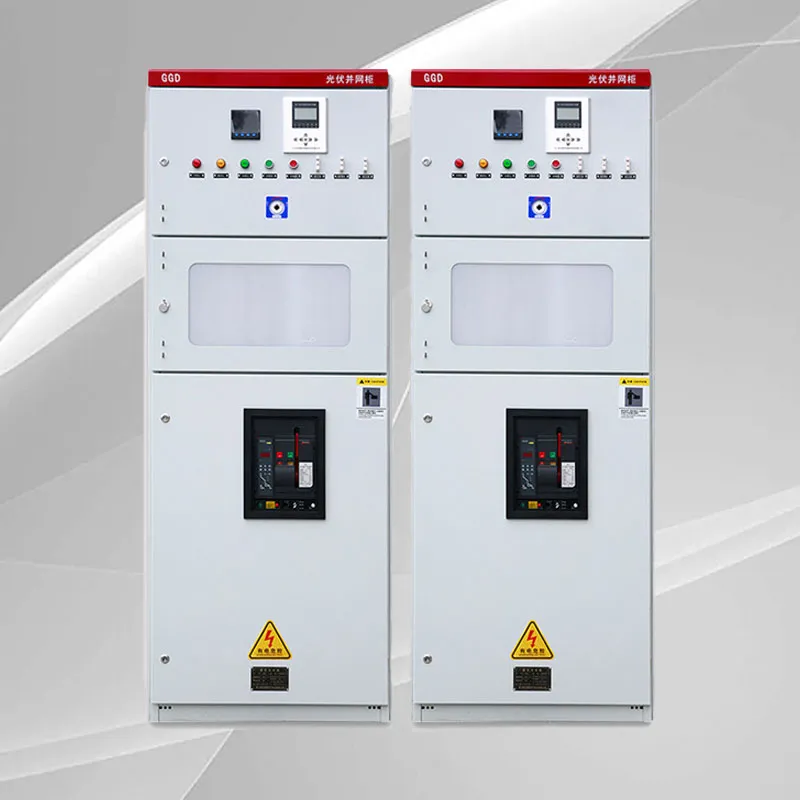 GGD cabinet for network connection of photovoltaic systems
-
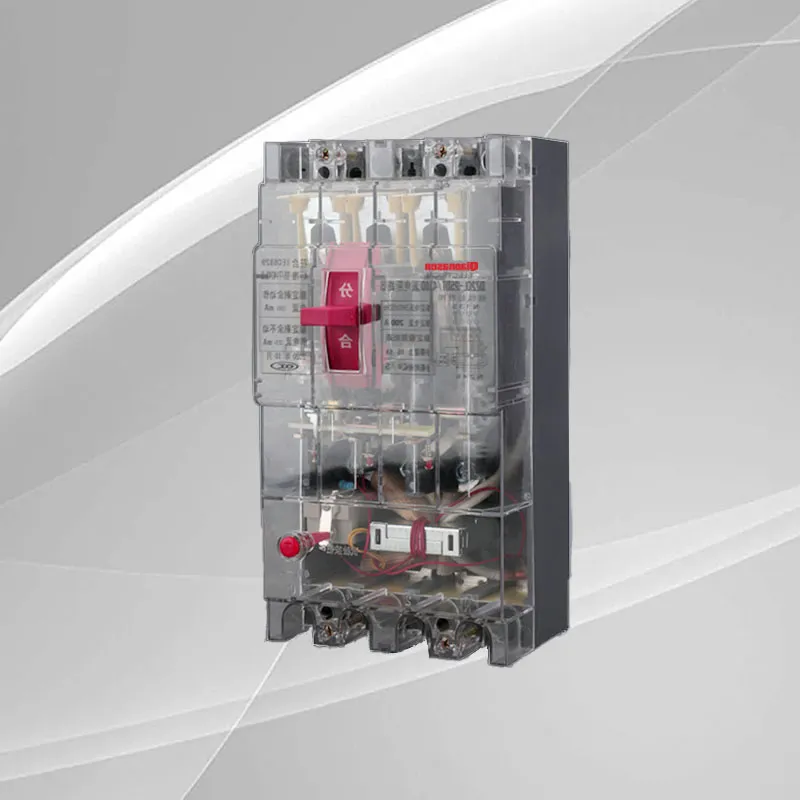 Circuit breaker with transparent plastic housing
-
 Outdoor waterproof distribution cabinet
-
 Withdrawable element for electricity metering
-
 Complete ring distributor with JYSF6-12 full insulation and charging gas
-
 Automatic circuit breaker DZ15 in plastic shell
-
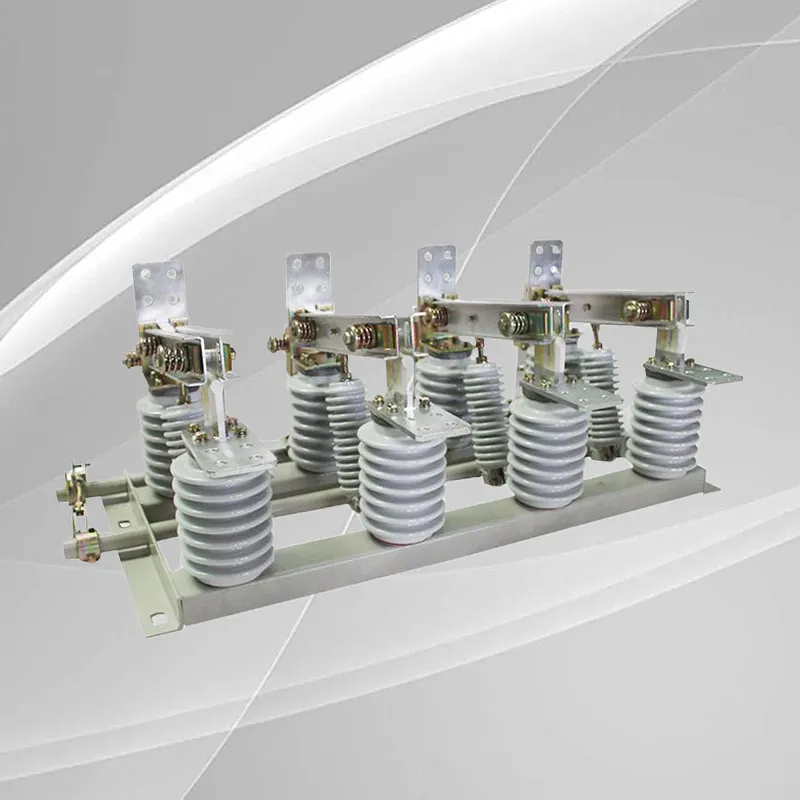 High voltage isolation switch GN24-12 for indoor use
-
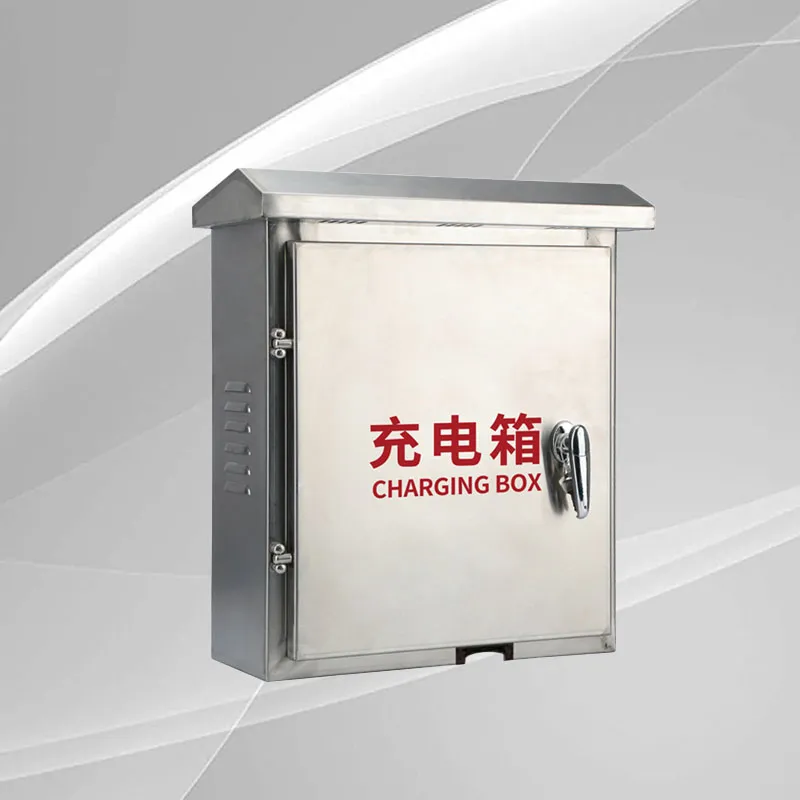 Outdoor electric charging cabinet
-
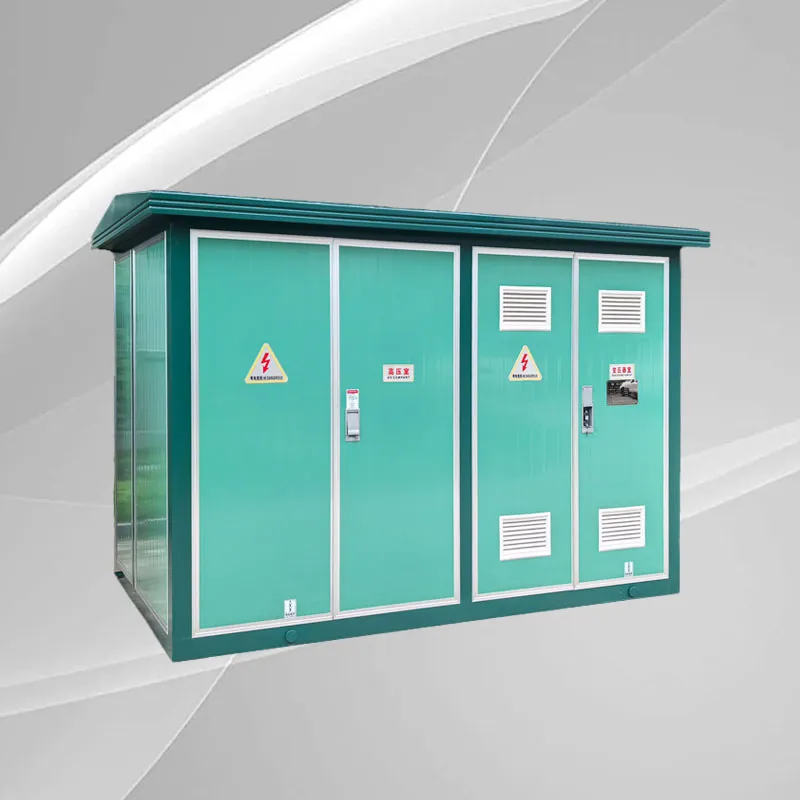 Complete outdoor transformer substation of European type
-
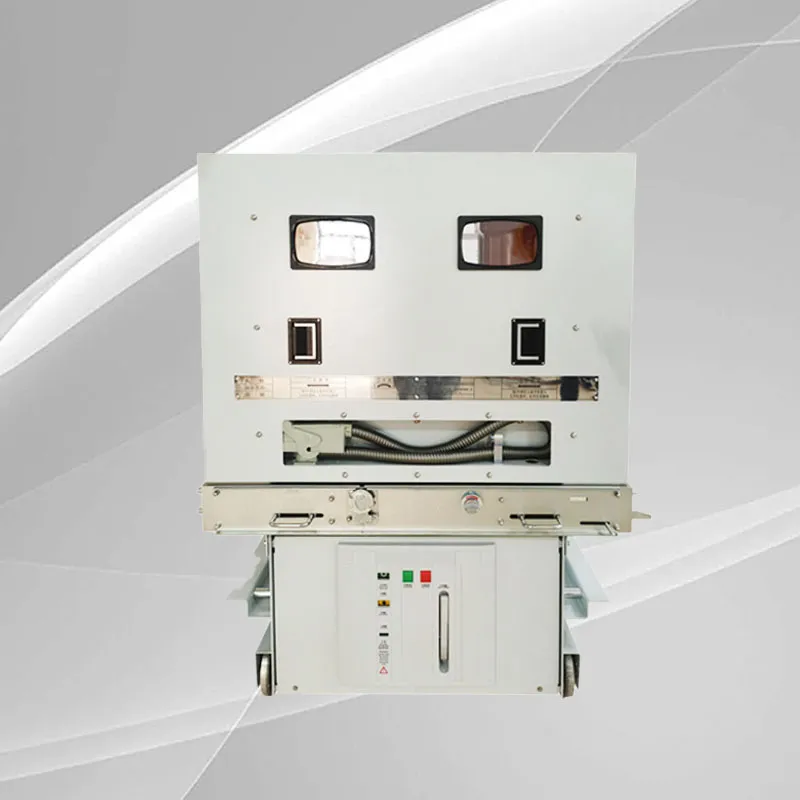 High Voltage Vacuum Circuit Breaker



