


power transformer check
Checking the power transformer- a responsible thing. Many people believe that it is enough to simply measure the resistance of the windings and everything is ready. But believe me, this is just the tip of the iceberg. Experience shows that ignoring a more detailed analysis can lead to serious problems in the operation of the equipment and, as a result, to expensive repairs or even complete replacement of the transformer. We at Wenzhou Qiaonasen Electrical Equipment Co., Ltd. constantly encounter situations where seemingly minor deviations in readings hide much more serious defects.
Why is due diligence necessary?
Essentiallypower transformer check- this is not just a set of tests, it is a diagnosis of his state of health. The goal is to identify hidden defects that may arise during operation: insulation damage, breakage or short circuit in the windings, core defects. Insufficient testing increases the risk of emergency situations, reduces the efficiency of the transformer and shortens its service life. This is especially true for transformers operating under difficult conditions - high loads, temperature changes, aggressive environments.
We often see how, due to incorrect or incomplete diagnostics, transformers continue to operate under increased load, which leads to rapid wear and ultimately failure. As a result, instead of timely repairs, you have to spend significant amounts of money on replacement.
Diagnostic methods: from basic measurements to complex tests
Of course, they start with simple things: checking the insulation resistance, measuring the winding resistance, visual inspection for damage. But this is only a preliminary stage. For a more accurate picture, a whole range of methods are used: short circuit test, measurement of magnetic flux parameters, harmonic spectrum analysis. Each method provides its own information, and only a comprehensive analysis allows one to draw a reliable conclusion about the condition of the transformer.
For example, when conducting a short circuit test, we do not just record the short circuit current, we analyze its shape and magnitude. This determines how well the transformer can withstand overload and how reliable its protection is. Sometimes, even a slight deviation from the norm in the form of short circuit current can indicate the presence of hidden defects in the windings or core.
What problems do we most often encounter?
The most common problem is damage to the winding insulation. This can be caused by overheating, humidity, mechanical damage, or simply the natural aging of the insulating material. If the insulation is damaged, current will leak, which will reduce the voltage at the output terminals and may cause a short circuit.
Another common problem is an open or short circuit in the windings. This may be caused by mechanical damage to the windings, overload or improper operation. Winding breakage leads to partial or complete loss of transformer power. A short circuit can lead to rapid overheating and damage to the windings.
Don't forget about core defects. Displacement of the magnetic grids, cracks or defects in the core material can lead to a decrease in the efficiency of the transformer and an increase in energy losses. This is especially important for high power transformers, where even a small decrease in efficiency can lead to significant economic losses.
Case Study: Factory Transformer Situation
We recently worked outchecking the power transformerwho worked at a metallurgical plant. The transformer began to produce unstable voltage, which led to frequent stoppages in the production process. We initially carried out basic measurements which revealed no obvious defects. However, when performing a short circuit test, we discovered an unusual current waveform. This forced us to conduct a more detailed analysis. As a result, we identified damage to the insulation of one of the windings, which was not noticeable during visual inspection. Quick diagnostics allowed us to promptly identify the problem and replace the damaged winding. This allowed us to avoid serious accidents and ensure uninterrupted operation of the plant.
What is important to consider when conducting an audit?
It is important thatpower transformer checkwas carried out by qualified specialists who have experience working with this equipment. You cannot rely only on 'lamp' diagnostic methods - they do not always give reliable results. It is necessary to use modern equipment and software to analyze transformer parameters.
It is also important to consider the operating conditions of the transformer. Depending on the operating conditions, various diagnostic methods can be used. For example, transformers operating in aggressive environments require additional analysis for corrosion and contamination.
The importance of documenting diagnostic results cannot be underestimated. All measurements and tests must be recorded in a protocol, which must contain information about the condition of the transformer and recommendations for its repair or replacement.
Features of testing transformers with automatic protection systems
When working with transformers equipped with automatic protection systems (APS), you need to be especially careful about diagnostics. A fault in the windings or core can lead to false triggering of the EPS, which can lead to power failure and, as a result, serious consequences. Therefore, when carrying outpower transformer checkswith SAZ, you need to make sure that the SAZ is operating normally and does not give false signals.
Often we are faced with a situation where the EPS is triggered by incorrect readings due to insulation damage or a short circuit. In this case, it is necessary to conduct a thorough diagnosis to identify the cause of the false alarm and eliminate it. Sometimes, this requires additional tests on the SAZ to ensure its functionality.
In conclusion, I would like to emphasize once again thatpower transformer check– this is an important procedure that allows you to identify hidden defects and prevent emergency situations. You should not save on diagnostics - it is better to spend a little time and money on a quality check than to later face expensive repairs or replacement of the transformer.
Correspondingproducts
Related Products



电动智能户外柱上高压真空断路分合闸开关.2.webp)
Best Sellingproducts
Best Selling Products-
 Withdrawable element for electricity metering with duck-type voltage transformers
-
 Residual current switch
-
 Miniature circuit breaker
-
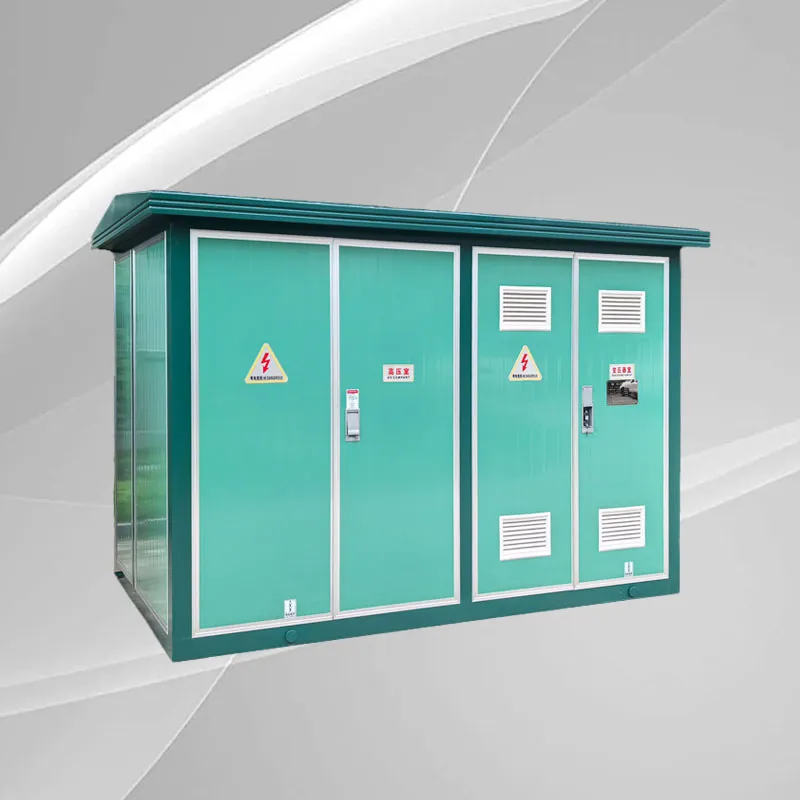 Complete outdoor transformer substation of European type
-
 Transparent circuit breaker with plastic housing
-
 Ground Outdoor Waterproof Distribution Cabinet
-
 Three-phase control transformer
-
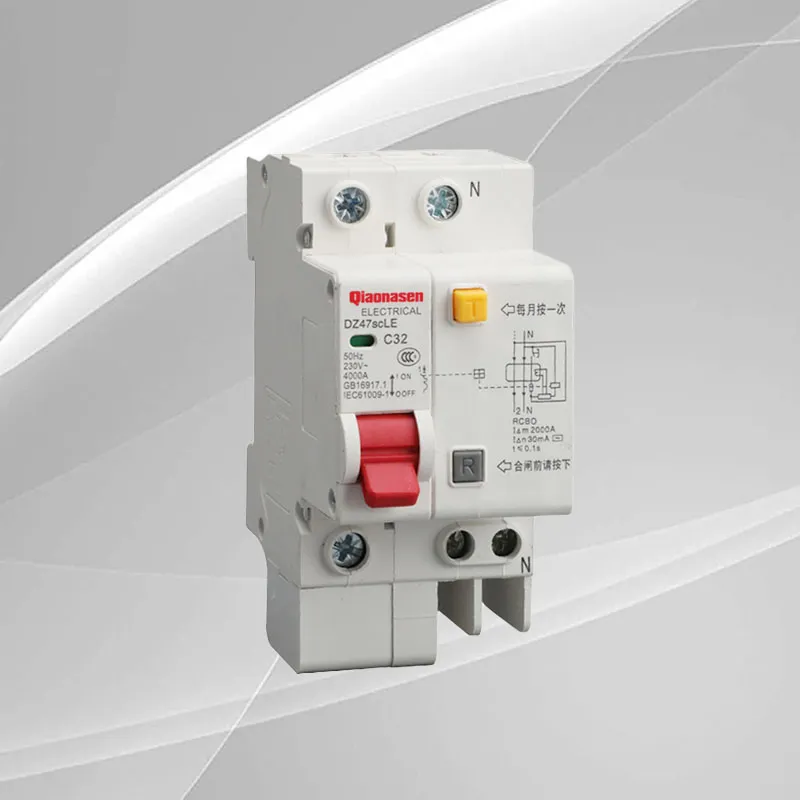 Residual current device with plastic housing
-
 Withdrawable element for electricity metering
-
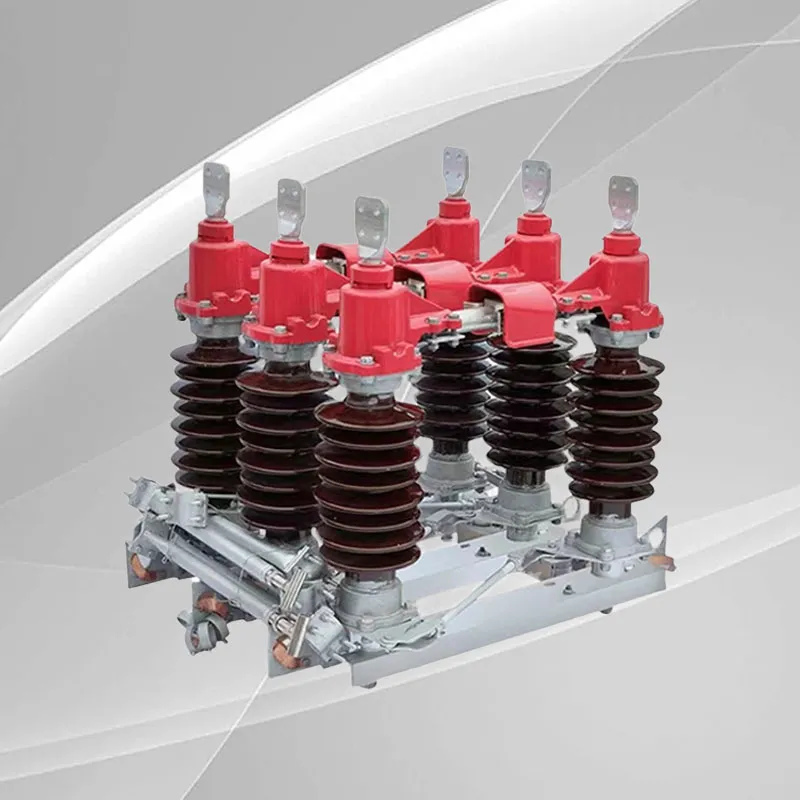 Outdoor high voltage isolating switch type GW4-40.5
-
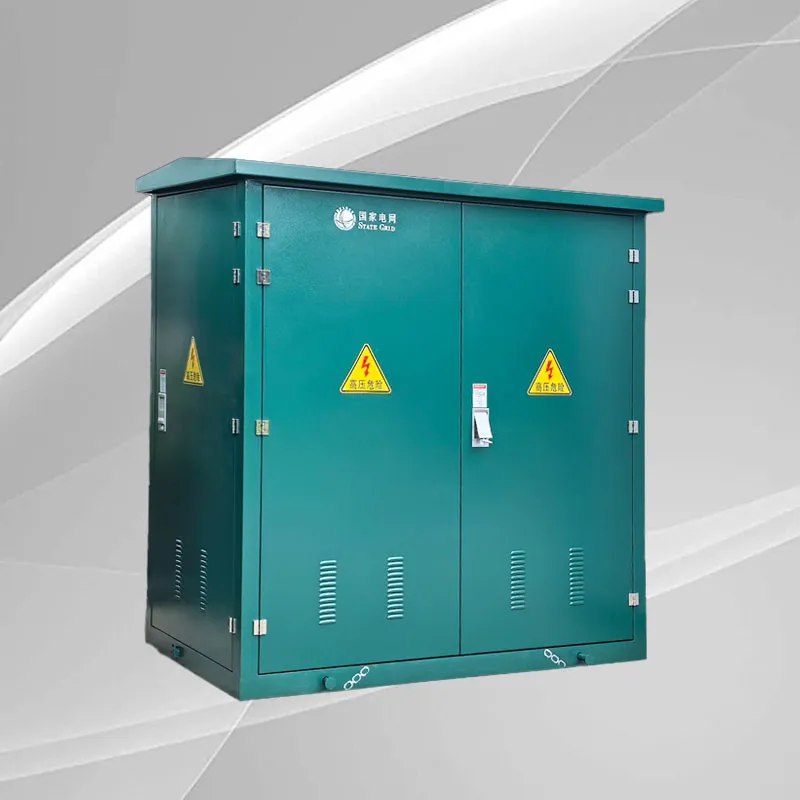 High voltage ring distribution cabinet
-
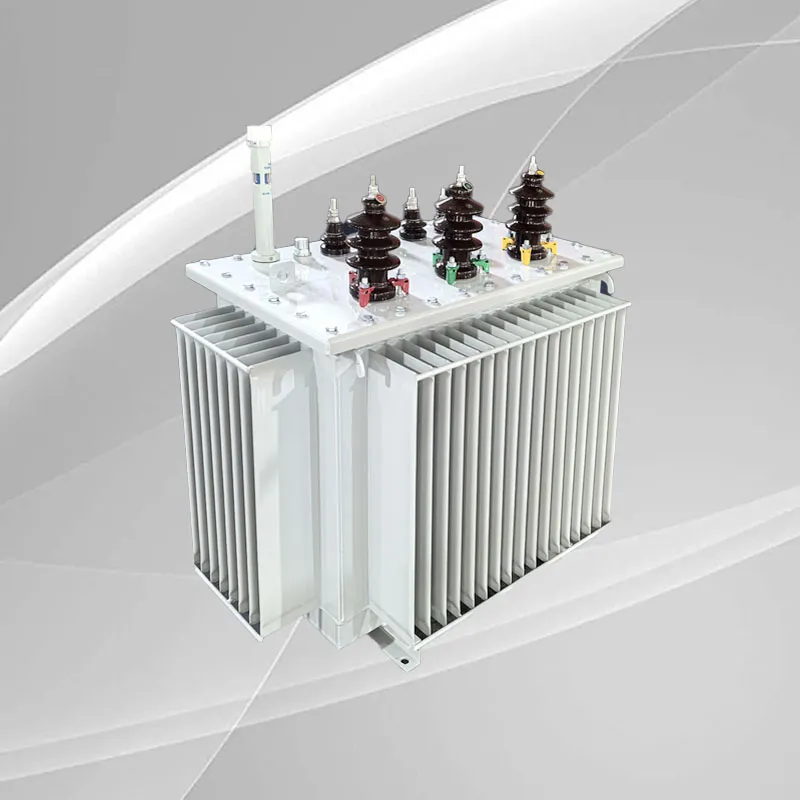 Oil power transformer



