


operating modes of power transformers
Perhaps the most common mistake is to think that there is some clear division between operating modespower transformers. Many beginners try to figure out the perfect pattern for every situation, but the reality is much more complex. In our practice, which is involved in the design and maintenance of power equipment, we are constantly faced with the need to adapt the operation of transformers to specific tasks and load characteristics. This article is an attempt to systematize the experience gained and share with colleagues some points that are often overlooked.
Basic Operating Modes: Overview and Common Misconceptions
So what do we have? First of all, these are balanced and unbalanced load modes. Theoretically, a balanced load is ideal, ensuring uniform heating of the windings. But in practice this is rare. Most transformers operate with an unbalanced load, which results in increased heating and reduced service life. Many believe that the problem can be solved by using special reactive power compensation schemes, but this is only a partial solution. It is important to take other factors into account.
Next are the modes of normal and overloaded operation. Overload is the obvious enemy of transformers, but it is often masked by short-term load peaks. And it is these peaks that are the main culprits of premature failure. We have repeatedly seen cases where transformers operating with a permissible long-term overload broke down due to short but powerful current surges.
Influence of operating mode on transformer parameters
It is important to understand that each operating mode affects various parameters of the transformer - from winding temperature to noise level. For example, when the load is unbalanced, the inrush current increases, which can create additional stress on the power supply system. And this is just the tip of the iceberg. We once encountered a problem where a transformer, which was operating mostly in balance, suddenly began to overheat at a certain phase angle of the load. We had to conduct a comprehensive examination and identify the problem - hidden damage to the insulation. This is a lesson for life.
Practical aspects of operating mode management
What can be done in practice to optimize the operating modes of transformers? The first is a thorough load analysis. You need to understand which consumers are connected to the transformer, what their characteristics are and how consumption changes throughout the day. In our company, we use load monitoring systems that allow us to monitor these changes in real time. This helps us react to deviations in a timely manner and prevent overloads.
Secondly, this is the use of automatic control of transformers. Modern circuit breakers and protection relays allow you to quickly turn off the transformer in the event of an emergency, as well as optimize operating modes depending on the current load. For example, you can use automatic switching between two transformers to distribute the load evenly and reduce the likelihood of overheating.
Case study: optimizing transformer performance on a production floor
In one of our projects, we optimized the operation of a transformer that powers machines in a production workshop. Initially, the transformer operated constantly at maximum power, which led to its overheating and shortened service life. After carrying out a load analysis, we found that most of the machines operate with variable loads. We installed a control system that automatically reduced the transformer power during low load periods and increased it during peak load periods. As a result, we reduced the temperature of the transformer windings by 15% and increased its service life by 20%.
Don't forget about maintenance
And finally, do not forget about regular maintenance of transformers. Regular checking of the insulation condition, cleaning of dust and dirt, as well as monitoring the oil level are necessary conditions to ensure reliable and durable operation of the transformer. We always recommend that our customers develop a maintenance plan that takes into account the operating characteristics of the transformer and the manufacturer's recommendations.
In conclusion, I want to say that understanding operating modespower transformers– this is not just a theoretical question. This is a practical necessity that allows you to ensure a reliable power supply and extend the life of your equipment. And although at first glance everything seems simple, in reality everything is much more complicated. Therefore, it is important to constantly improve your knowledge and experience, and also not be afraid to experiment and look for new solutions.
Wenzhou Qiaonasen Electrical Equipment Co.,Ltd
Wenzhou Qiaonasen Electrical Equipment Co.,Ltd specializes in high and low voltage transmission and distribution solutions and electrical control systems in the power equipment industry. We offer a full range of services for design, installation, commissioning and maintenance of power electrical equipment. More detailed information can be found on our website:https://www.qnasen.ru.
Correspondingproducts
Related Products


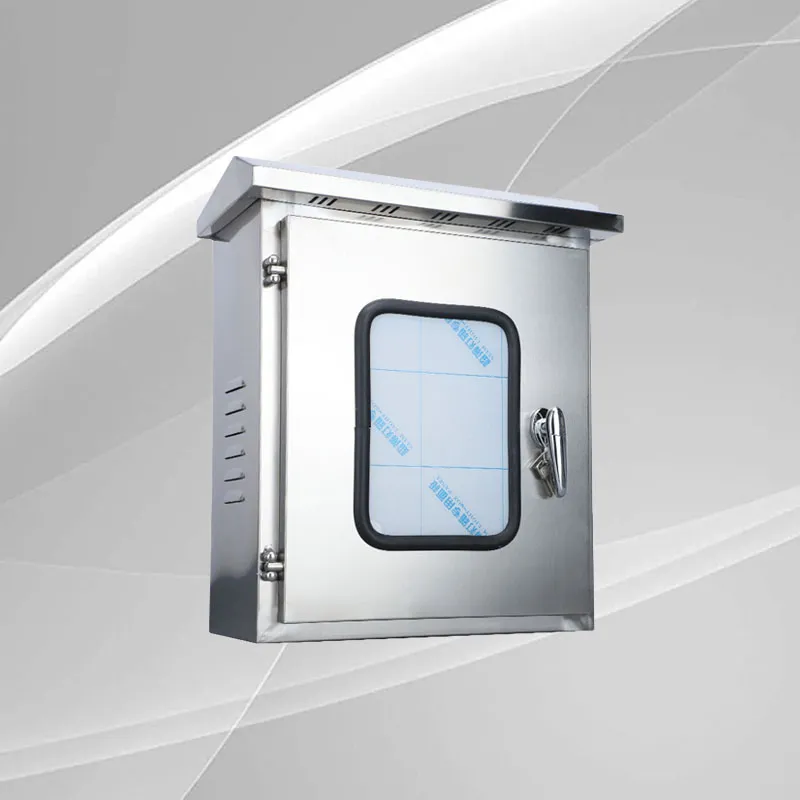

Best Sellingproducts
Best Selling Products-
 Outdoor High Voltage Smart Vacuum Circuit Breaker
-
 DZ15LE Leakage Current Circuit Breaker - White 3P 4P Low Voltage AC
-
 Transparent Industrial Automatic Three Phase Four Wire Leakage Proof Switch
-
 MBM1 is a circuit breaker in a plastic case with short circuit and overload protection.
-
 JXF weatherproof box for external use with enhanced dust protection
-
 Explosion Proof Oil Induction Voltage Regulator
-
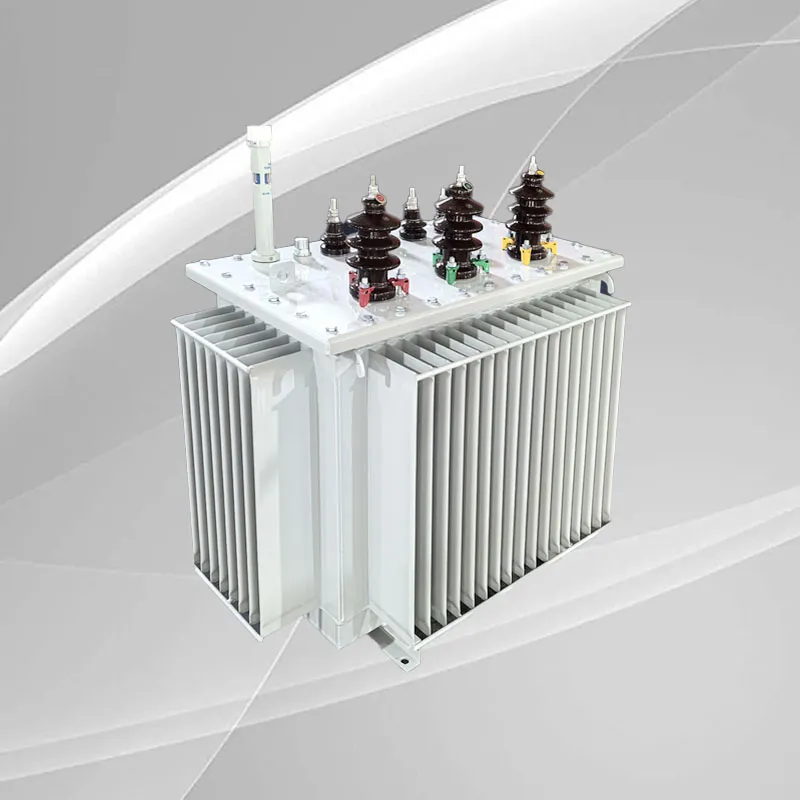 Oil power transformer
-
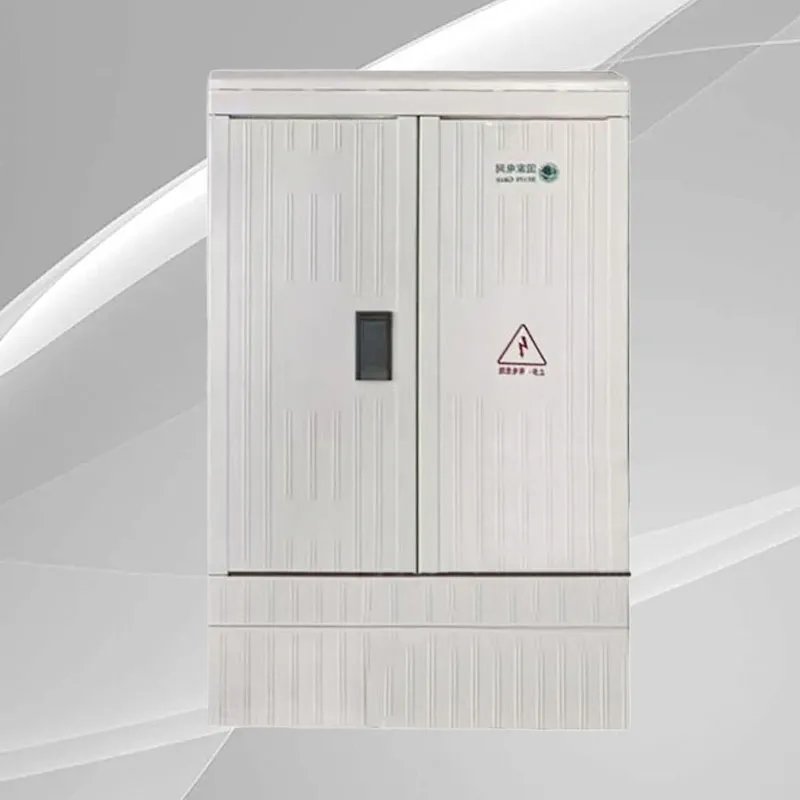 Thickened fiberglass housing for low voltage cable distribution board
-
 Three-phase energy efficient transformer
-
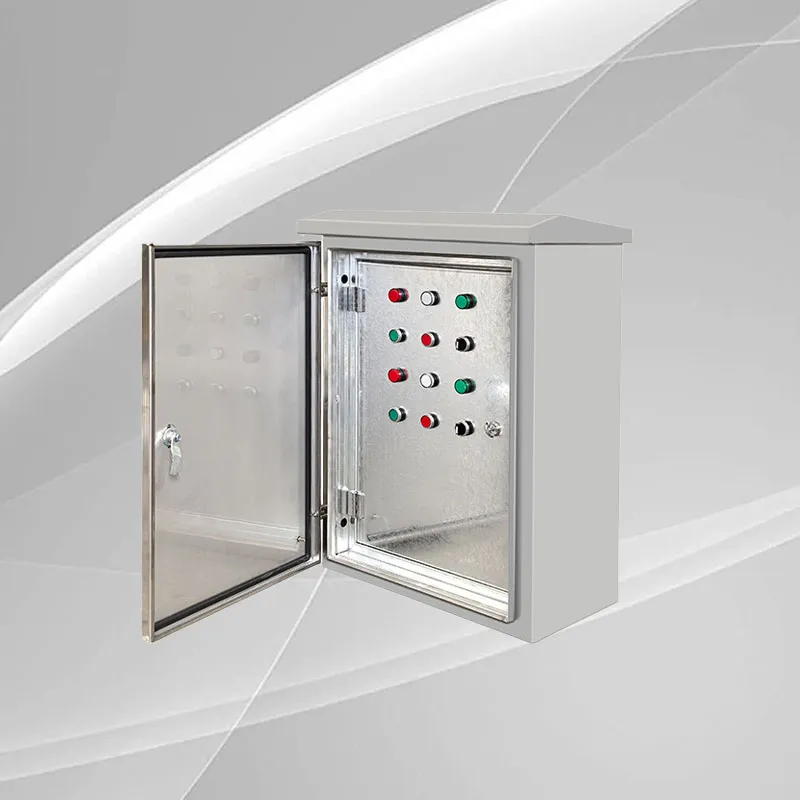 Stainless steel control panel
-
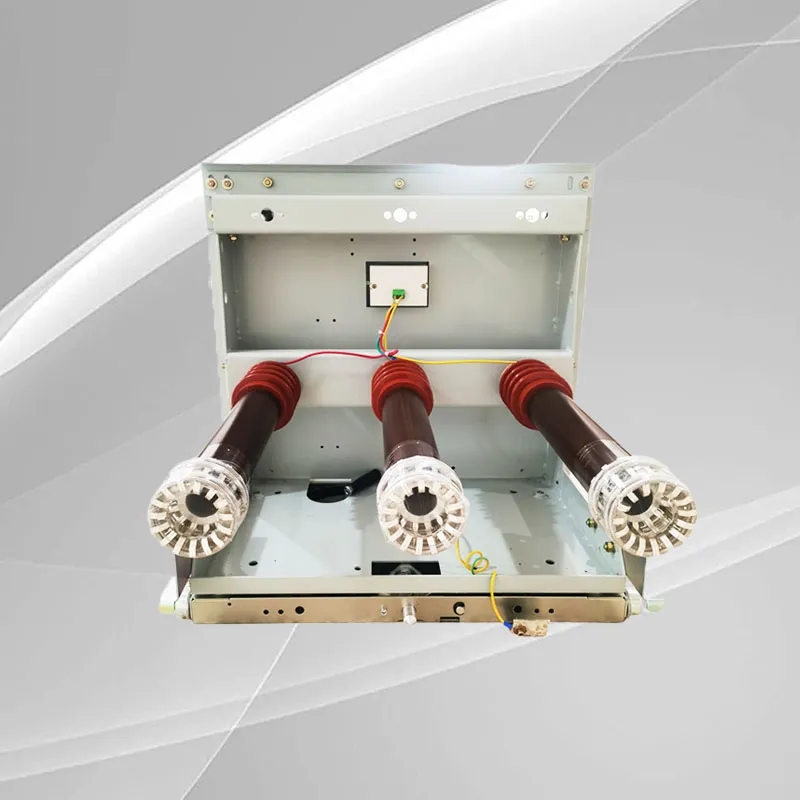 Withdrawable element for electricity metering with voltage check function
-
 GW9-10 High Voltage Isolation Switch with Ceramic Insulators for Outdoor Installation
Relatedsearch
Related Search- power transformer 35 10 kV
- China energy saving transformers oil transformers main buyer
- dry transformer 2000 kva
- China power transformer 250kva
- 110kv power transformer protection
- distribution board 50 modules
- distribution board for 60 modules
- 3 phase power transformers
- China power transformer loading
- circuit breaker saturn



