


dry transformer 2000 kva
Dry transformer 2000 kVA- This is, at first glance, a simple technical solution. But believe me, the actual application and choice of such a unit is always a compromise between cost, reliability and load specifics. Often customers come with the confidence that “2000 kVA is enough,” and then the fun begins: optimization for a specific project, taking into account all factors and, possibly, making adjustments to the original plan. Let us consider this issue in more detail, based on personal experience and observations.
Main advantages and disadvantages of dry-type transformers
Unlike oildry transformersdo not require the use of dielectric oil, which is certainly a big plus from the point of view of environmental safety and reduction of fire load. This is especially important in areas with high security requirements, such as offices or industrial workshops where there is sensitive equipment. In addition, the absence of oil simplifies maintenance and reduces the risk of leaks. But they have their own pitfalls. Firstly, they are usually more expensive than oil analogues of the same power. Secondly, heat removal in them is more difficult, which may require a more thorough ventilation system.
We at Wenzhou Qiaonasen Electrical Equipment Co., Ltd. specialize in high and low voltage transmission and distribution solutions and electrical control systems in the power equipment industry. In our projects, we often face the question of choosing the optimal type of transformer, anddry transformersare becoming more and more popular. Especially when it comes to premises with safety restrictions or the need to minimize the risks associated with the use of oil.
Thermal conditions and ventilationdry transformer
One of the key points when working withdry transformer– this is its thermal regime. Although theoretically they have better heat dissipation than oil ones, problems can arise if ventilation is not organized correctly. Simply having a fan is not enough. We need a well-thought-out system that will ensure uniform distribution of air over the entire surface of the transformer and effective heat removal. We often encounter situations where the transformer overheats due to insufficient ventilation, which, in turn, leads to a decrease in its service life. And this, of course, is undesirable.
We recommend carefully calculating the heat losses of the transformer, taking into account the characteristics of the room and choosing the optimal ventilation system. This may include the use of forced air circulation, the installation of cooling radiators, or even the use of special heat shields. In some cases, especially at heavy loads, it is necessary to monitor the temperature of the transformer windings and housing.
Construction Types and Selectiondry transformer
There are different types of constructiondry transformers: with natural and forced cooling. Transformers with natural cooling are easier to maintain, but have less power. Transformers with forced cooling, on the contrary, are more powerful and efficient, but require a complex ventilation system. The choice of design type depends on the specific project requirements and budget. For example, for small rooms with low load, you can use a transformer with natural cooling, and for large industrial facilities - a transformer with forced cooling.
In addition, when choosingdry transformerit is necessary to take into account its insulation class, degree of protection, as well as the possibility of installing additional protection devices. It is important that the transformer meets all regulatory requirements and is adapted to operating conditions. Don't forget about the possibility of expansion if the load may change in the future.
Real experience: project on the production floor
We recently participated in a project to modernize a production workshop. It was necessary to replace the old oil transformer withdry transformer 2000 kVA. The customer was initially inclined to purchase the cheapest option, but we convinced him that this could lead to problems in the future. We conducted a detailed load analysis, calculated heat losses and proposed the optimal option for a forced-cooling transformer.
During installation and commissioning, a problem arose with the organization of ventilation. Initially, a standard ventilation system was proposed, but after startup the transformer began to overheat. We had to make changes to the ventilation system by installing additional fans and cooling radiators. As a result, after optimizing the ventilation system, the transformer began to operate stably and without overheating. This experience has shown us the importance of careful planning and consideration of all factors when working withdry transformers.
Problems and possible errors
Often during operationdry transformerproblems arise due to overheating, premature failure of insulation or malfunction of the ventilation system. The causes of these problems can be different: improper installation, insufficient ventilation, overload, transformer defects.
One of the common mistakes is the use of low-quality components when installing and servicing a transformer. It is necessary to use only certified materials and comply with all regulatory requirements. It is also important to carry out regular maintenance on the transformer, including checking the condition of the insulation, ventilation system and connections. Do not ignore any signs of malfunction, as this can lead to serious consequences.
Development prospectsdry transformers
Production technologiesdry transformersare constantly evolving. New materials and designs are emerging that can improve their efficiency, reliability and safety. In particular, transformers are being actively developed using new types of insulating materials that provide higher heat resistance and durability. In addition, new ventilation systems are being developed that allow heat to be removed more efficiently.
Overall,dry transformersrepresent a promising direction in the development of transformer technology. They are becoming increasingly popular due to their benefits and are constantly being improved with new technologies. We are confident that they will play an increasingly important role in the energy industry in the future.
Correspondingproducts
Related Products


Best Sellingproducts
Best Selling Products-
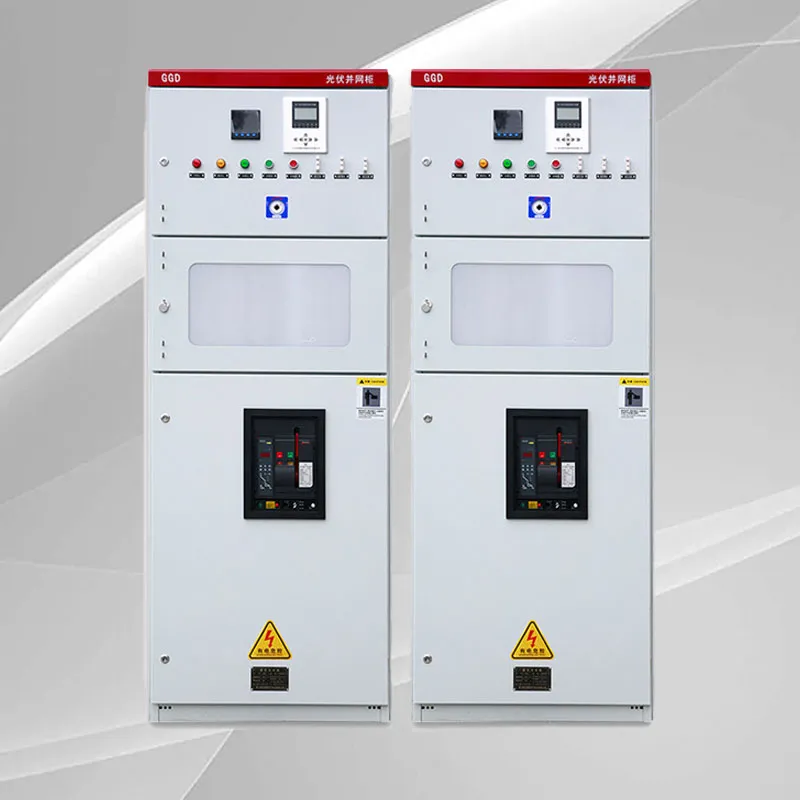 GGD cabinet for network connection of photovoltaic systems
-
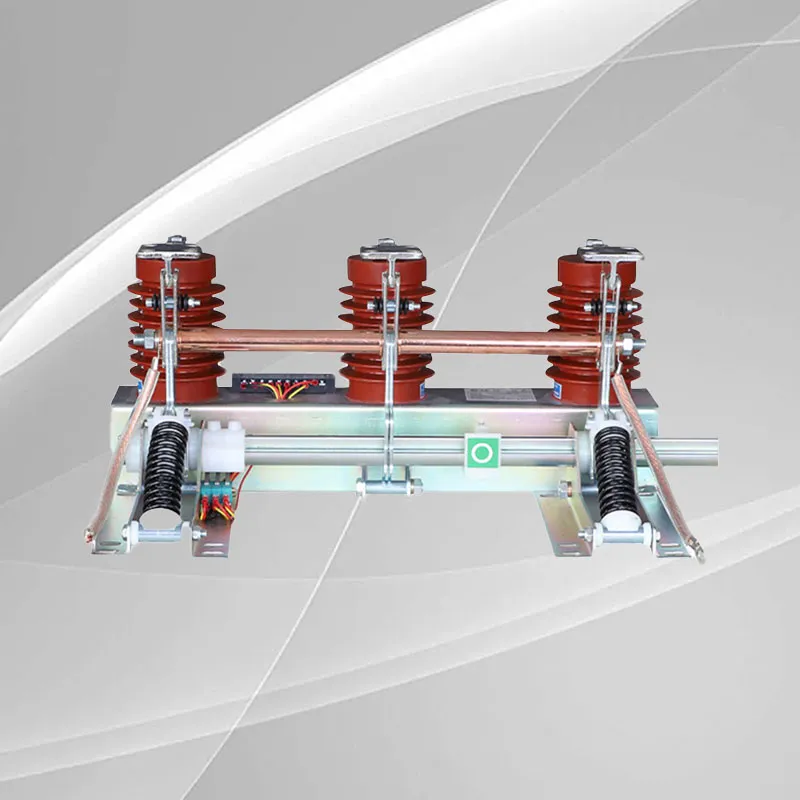 Indoor high voltage earthing switch type JN15
-
 Three-phase energy efficient transformer
-
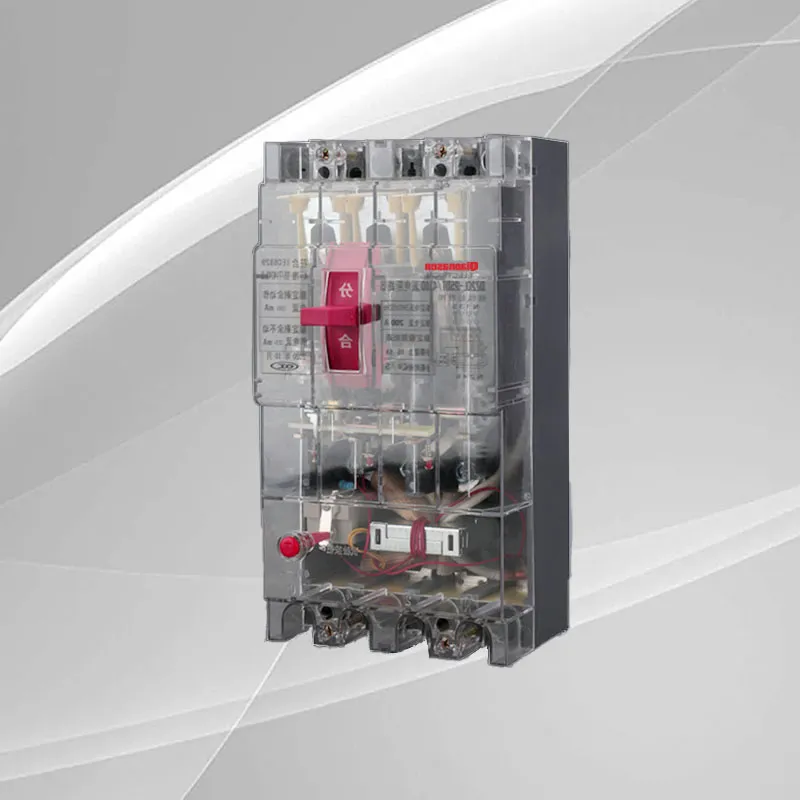 Circuit breaker with transparent plastic housing
-
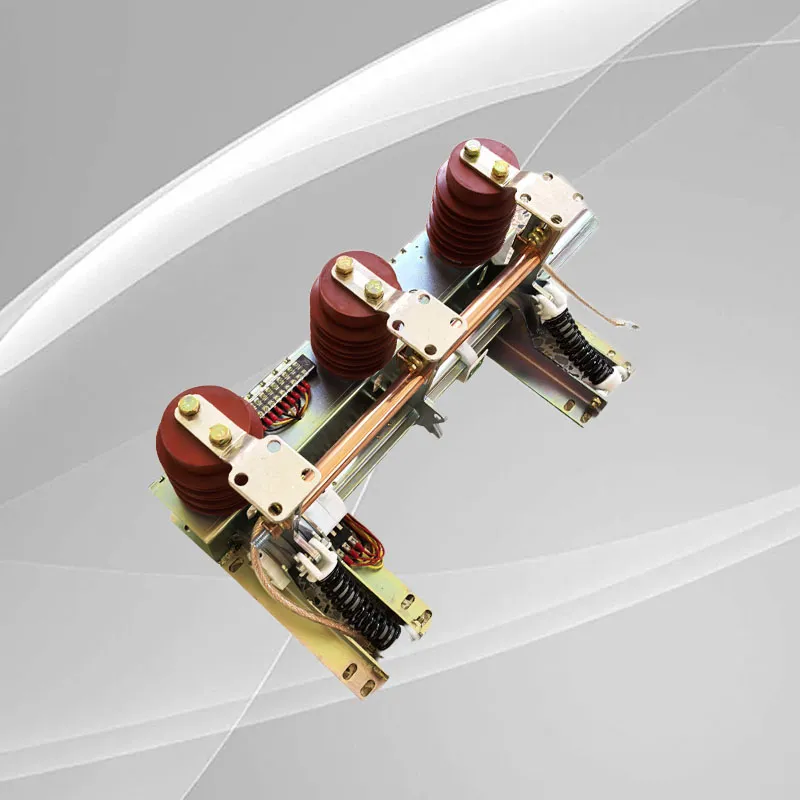 JN15-12-31.5 internal high voltage grounding switch
-
 Side vacuum switch
-
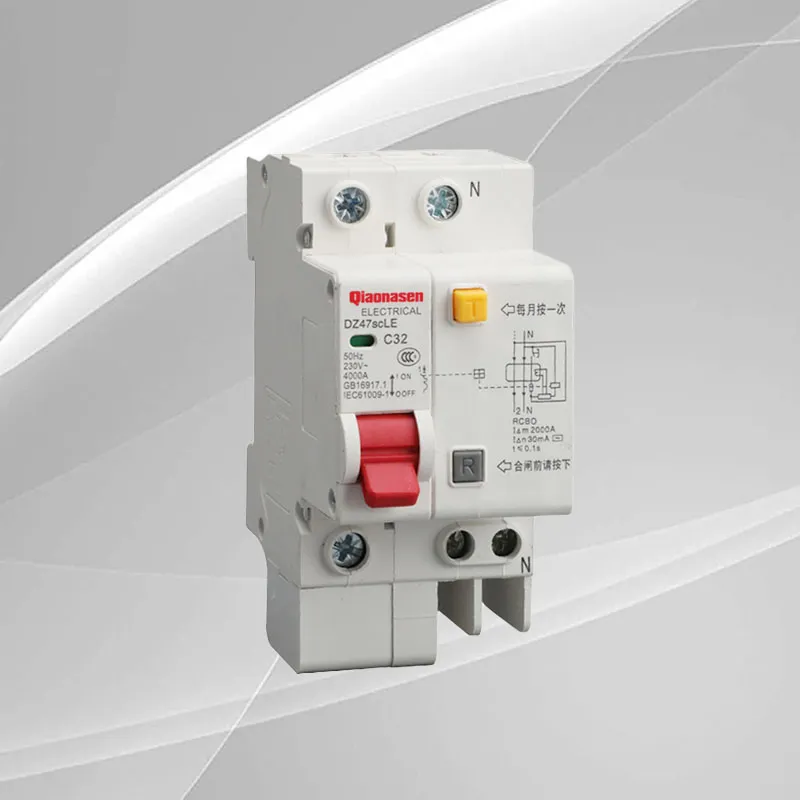 Residual current device with plastic housing
-
 Explosion Proof Oil Induction Voltage Regulator
-
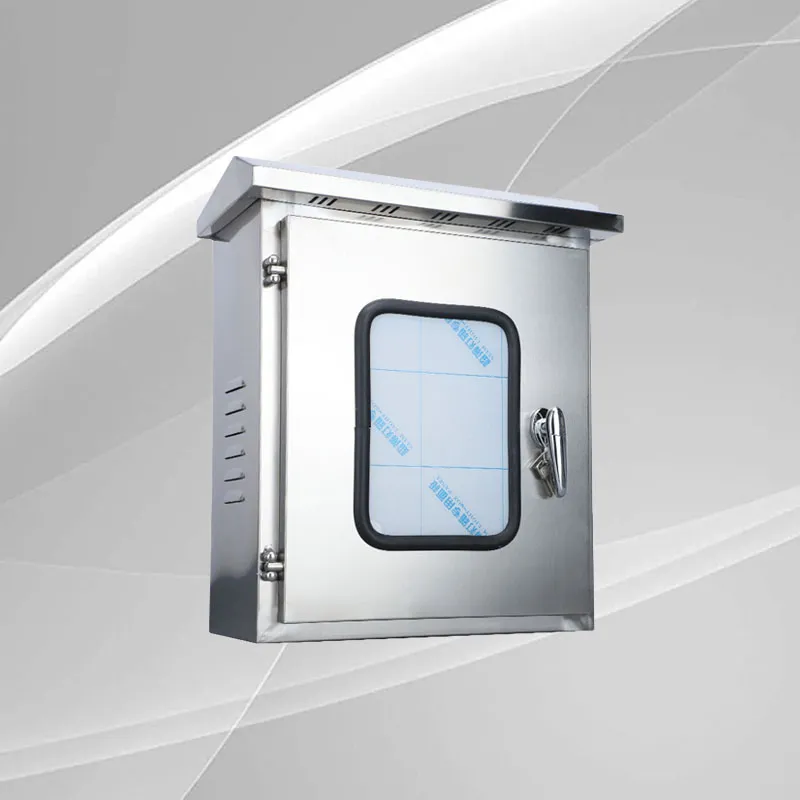 Stainless steel meter panel
-
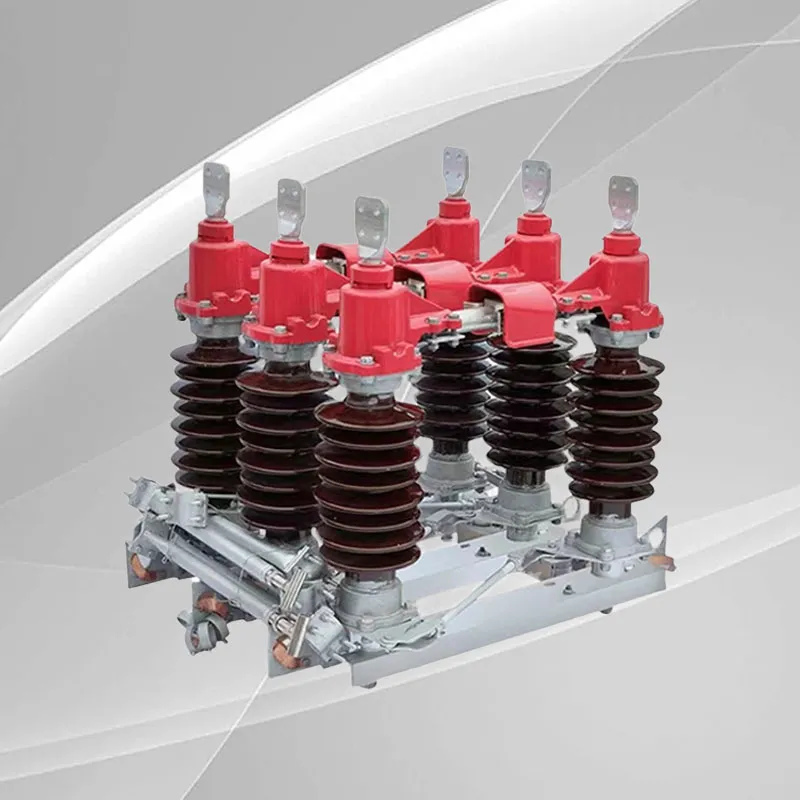 Outdoor high voltage isolating switch type GW4-40.5
-
电动智能户外柱上高压真空断路分合闸开关.2.webp) ZW7-40.5 (side mounting) is an intelligent outdoor high-voltage vacuum circuit breaker with electric drive.
-
 Apartment switchboard
Relatedsearch
Related Search- circuit breaker s201 1 pole
- power transformers 6 0 4 kV
- distribution board 1
- China dry transformers 10 kV main buyer
- easypact circuit breaker
- power transformers connection group
- circuit breaker factor
- distribution board for home 15 kW
- cable entry into the distribution board
- what are the powers of power transformers



