


power transformer 10 3 3
Power transformers10/3/3 is a common configuration, and often when ordering or selecting, people focus solely on these numbers. 10 kV primary, 3 kV and 3 kV secondary - everything seems to be clear. But they often underestimate how many nuances lie behind these denominations, and what problems can arise if they are selected incorrectly. Several years of working in this field have convinced me that simply looking at characteristics is not always sufficient. These are not just numbers, they are trade-offs between efficiency, reliability and cost, and these trade-offs need to be well understood.
Why is this configuration needed? Reasons for popularity
This configuration is often used in distribution networks, especially at the medium voltage substation level. The main reason is flexibility. The use of two secondary windings allows power to be supplied to two independent 3 kV circuitos. This is convenient if you need to service different parts of the enterprise or have a backup system. For example, in an industrial facility, one 3 kV line can power the main production, and the other - auxiliary services, or even serve as backup power in the event of a failure of the main system. But simply having two outputs does not guarantee the ability to use them simultaneously or with the same power. This must be taken into account when designing.
In addition, this scheme allows to reduce losses during energy transmission. Stepping down the voltage after the primary transformer is standard practice, but a two-step step-down like 10/3/3 may be more effective in certain scenarios. Efficiency, of course, depends on many factors - from the quality of materials to the design of the windings and cooling system. For example, we once encountered the problem of overheating of a transformer, which was originally designed for lower power. We had to reconsider the cooling system and even modify the winding designs.
Key points when choosing and installing
We must not forget about choosing the right insulation class. Typically class B or F is used, but depending on operating temperature and reliability requirements, a higher class may be required. Using an insufficiently reliable insulation class is a direct path to premature failure of the transformer. During installation, it is very important to follow the rules of grounding and shielding. This directly affects the safety of personnel and the safety of equipment.
The importance of proper grounding
Improper grounding is a common cause of accidents and damage. It is important to use reliable connecting elements and ensure minimal resistance of the grounding conductor. We have seen situations where poor grounding caused significant voltage surges, resulting in damage to sensitive equipment. Therefore, before installation, it is necessary to carefully check the condition of the grounding system and, if necessary, repair or upgrade it.
Environmental influence
Ambient operating temperature is another important factor. Transformers are designed to operate within a specific temperature range, and exceeding this range can result in reduced life and even failure. If the transformer is operated in conditions of high temperatures or humidity, it is necessary to provide measures to protect against environmental influences, for example, the use of a special coating or the installation of a ventilation system.
Practical experience: Mistakes to avoid
We have seen many cases when, when choosingpower transformerserrors occurred that eventually led to serious problems. One of the most common is underestimating the load. Often customers order a transformer with a minimum power reserve, which leads to its overload and overheating. It is important to consider not only the current load, but also possible future increases. It is better to have a small reserve of power than to constantly work at the limit.
Another common mistake is using a transformer that does not meet quality requirements. Poor quality transformers may have defective windings, insufficient insulation, or poor cooling systems. This may cause accidents and damage to other equipment. Therefore, it is important to choose transformers from reliable manufacturers who provide a guarantee for their products. For example, in one project we encountered a transformer that was manufactured in violation of technology. After several months of operation it broke down, requiring expensive repairs.
Alternatives and current trends
In recent years, new technologies have emerged that improve efficiency and reliability.transformers. For example, the use of power semiconductors for controltransformersallows you to create systems that can automatically regulate voltage and current, as well as protect against overloads and short circuits. Liquid-cooled transformers are also gaining popularity, providing more efficient cooling and allowing transformers to operate in harsher environments.
Wenzhou Qiaonasen Electrical Equipment Co.,Ltd specializes in supplying and installingelectrical equipment, includingpower transformersvarious types and capacities. We offer a wide selection of transformers from leading manufacturers and provide a full range of design, supply, installation and commissioning services. Our experience in this field allows us to find optimal solutions for our customers and ensure reliable and efficient operation of electrical equipment.
Impact of digitalization
Modernpower transformersare increasingly equipped with monitoring and diagnostic systems that allow them to monitor their condition in real time and identify possible problems at an early stage. This helps prevent accidents and reduce repair and maintenance costs.
Correspondingproducts
Related Products



电动智能户外柱上高压真空断路分合闸开关.2.webp)
Best Sellingproducts
Best Selling Products-
 Complete high-voltage distribution cabinet KYN28A-12 with input and linear cells and instrument transformer compartment
-
 Three-phase energy efficient transformer
-
 Circuit breaker transparent
-
 Switch cabinet with double doors
-
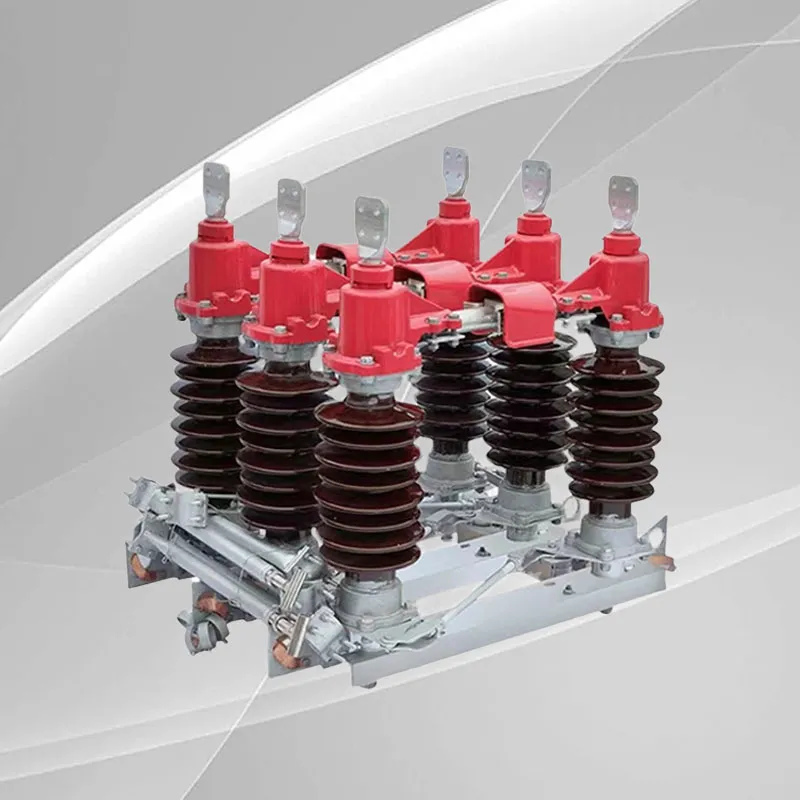 Outdoor high voltage isolating switch type GW4-40.5
-
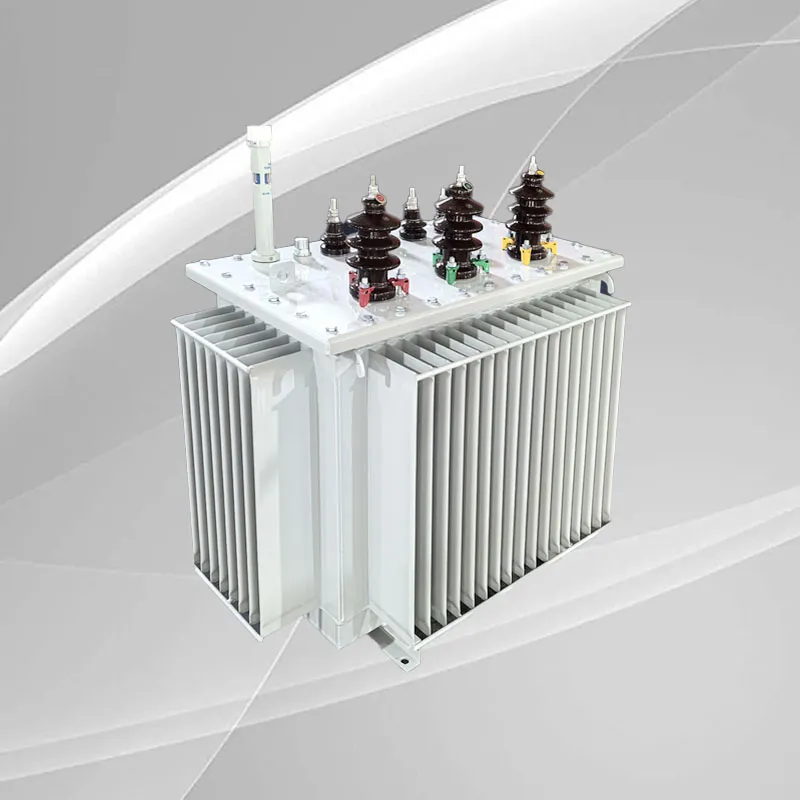 Oil power transformer
-
 Distribution board for circuit breakers
-
 Residual current switch
-
 Three-phase control transformer
-
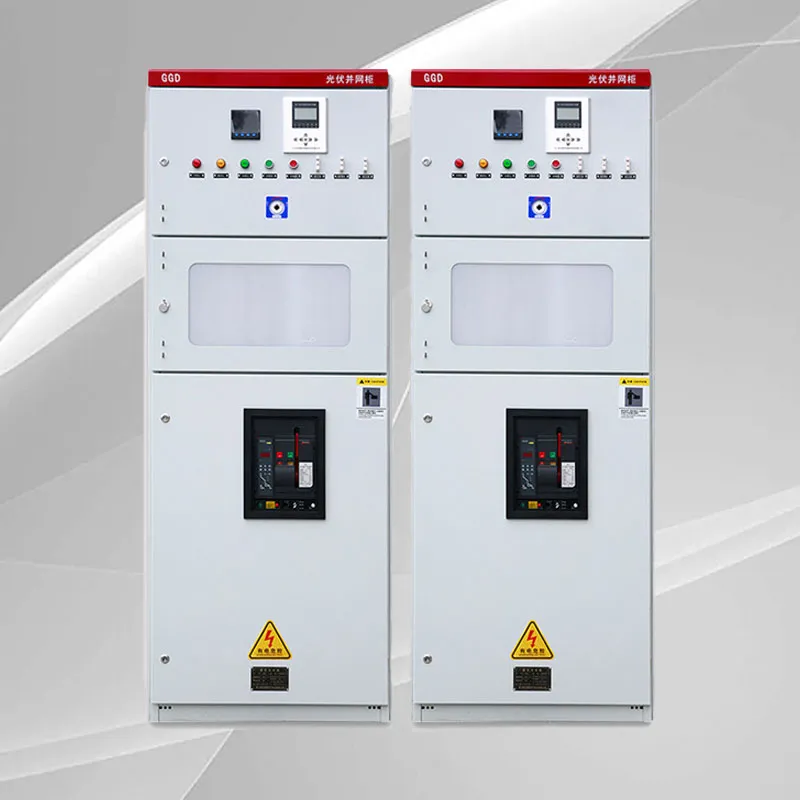 GGD cabinet for network connection of photovoltaic systems
-
 Ground Outdoor Waterproof Distribution Cabinet
-
 Outdoor waterproof distribution cabinet



