


power transformers ts
TSis an integral part of any energy system. Lately there has been a certain hype around these devices, various 'revolutionary' solutions are appearing, but, it seems to me, the basic principles and problems remain unchanged. I often hear from colleagues that choiceTS- it's just 'selection by power'. This is, of course, a simplification. The reality is much more complex, and both the reliability of the system and the economics of the enterprise can suffer from the wrong choice. Therefore, I want to share some thoughts and observations based on practical experience.
Key aspects of choicesubstation transformers
ChoiceTSis a complex task that requires taking into account many factors. And power is just one of them. It is necessary to take into account the voltage, type of winding connection (Y/Y, Y/Δ, Δ/Δ), the level of harmonic distortion in the network, as well as operating conditions - climatic, technological. We must not forget about reliability and service life. I often come across situations where they choose the cheapest option, and then constantly have problems with overheating, voltage sags or premature failure. As a result, you have to spend much more money on repairs and downtime than if you had initially chosen a better quality one.transformer for distribution networks.
It is especially important to pay attention to the insulation characteristics. ModernTSoften have more complex insulation systems, but this does not mean that they are automatically more reliable. It is necessary to check the quality of insulation, insulation resistance and conductivity. Otherwise, sooner or later, an insulation breakdown will occur, which will lead to serious consequences. In our company, Wenzhou Qiaonasen Electrical Equipment LLC, we pay great attention to the quality of insulation, so we work only with trusted manufacturers.
Typestransformers powerand their features
There are many typesTS: oil, dry, filled with dielectric. Each of them has its own advantages and disadvantages. Oilytransformershave traditionally been considered the most reliable and durable, but they require regular maintenance and can be dangerous due to oil leaks. DryTSare more environmentally friendly and require less maintenance, but they tend to be more expensive. DryTS, especially with advanced cooling technologies, are becoming increasingly popular. For example, we recently implemented a project to replace old oiltransformersto modern air-cooled dry units, and the results exceeded our expectations - reduced maintenance costs and increased reliability.
It is important to understand that the choice of typeTSmust be determined by the specifics of a particular substation. For example, in rooms with increased fire hazard it is preferable to use dryTS. And for high-voltage power lines, where high reliability is important, oil-based ones are still often chosen.TS.
Problems encountered during operationvoltage transformers
OperationTSis associated with a number of problems. One of the most common is overheating. Overheating can be caused by various factors: overload, ineffective cooling system, surface contaminationtransformer. Regular monitoring of winding temperatures is an important maintenance item. We use a variety of temperature monitoring techniques, including thermography and temperature sensors, to help identify and correct overheating problems early.
Another common problem is insulation degradation. IsolationTSexposed to various factors such as humidity, dust, vibration, electrostatic discharge. Insulation degradation can lead to insulation breakdown and failuretransformer. Regular insulation inspection and resistance testing are necessary precautions. If defects are detected, they must be corrected promptly to avoid serious consequences. It often happens that the importance of regular cleaning is underestimated.transformerfrom contamination, this significantly extends its service life.
Case Studies of Wenzhou Qiaonasen Electrical Equipment Co., Ltd.
We have repeatedly encountered situations where, when installing newTSThere were problems with harmonic distortion in the network. Harmonic distortion can lead to overheating of the windings, reducing efficiencytransformerand equipment damage. In such cases it is necessary to use special harmonic filters ortransformers with increased harmonic immunity. For example, in one of the projects we had to install active harmonic filters to reduce the level of distortion in the network, and this significantly increased reliability and efficiency of operationTS.
There are also often cases when, during operation,TSThere are problems with voltage levels. Voltage sags can be caused by network overload, transformer failure, or control system misconfiguration. It is necessary to regularly measure the voltage level and promptly eliminate identified problems. We offer diagnostic and repair servicesTS, as well as setting up control systems to ensure the optimal voltage level in the network.
Development prospectstransformer technology
Currently, new technologies are actively developing in the field oftransformer technology. Among them are the use of new materials for windings and insulation, the development of more efficient cooling systems, and the introduction of intelligent control systems. In the future we can expect the emergencetransformers with increased reliability and durability, and alsotransformers with lower harmonic distortion levels.
We, as a company, follow new development trendstransformer technologyand constantly introduce innovative solutions into our products and services. Our website [https://www.qnasen.ru](https://www.qnasen.ru) contains detailed information about our products and services. We are ready to offer you the optimal solution for your energy system.
Correspondingproducts
Related Products



Best Sellingproducts
Best Selling Products-
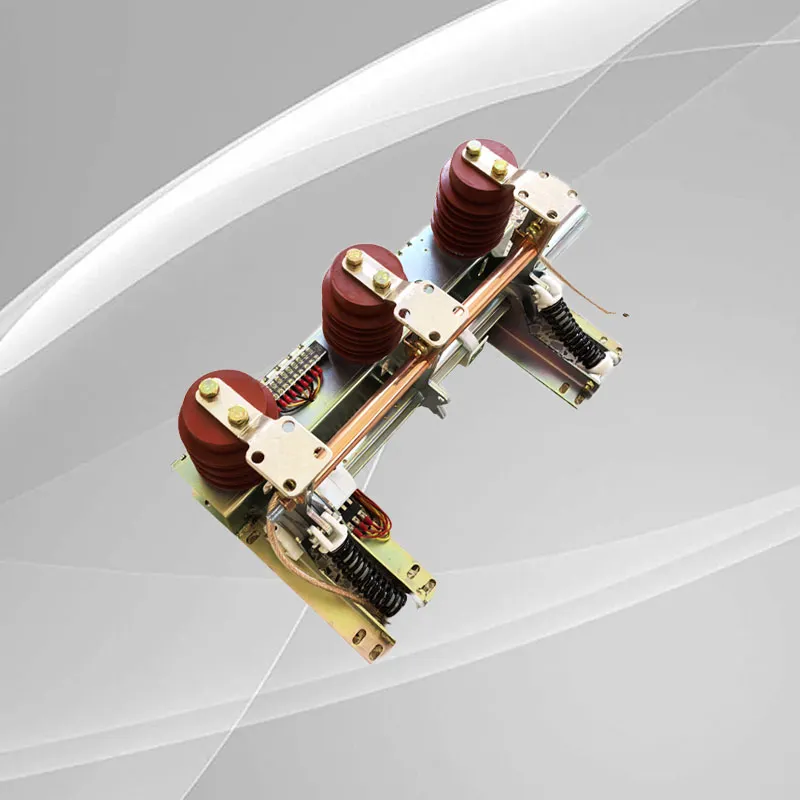 Internal high voltage grounding switch
-
 High voltage internal switch
-
 JYSF6-12 fully insulated gas-filled ring distribution device
-
 Oil transformer
-
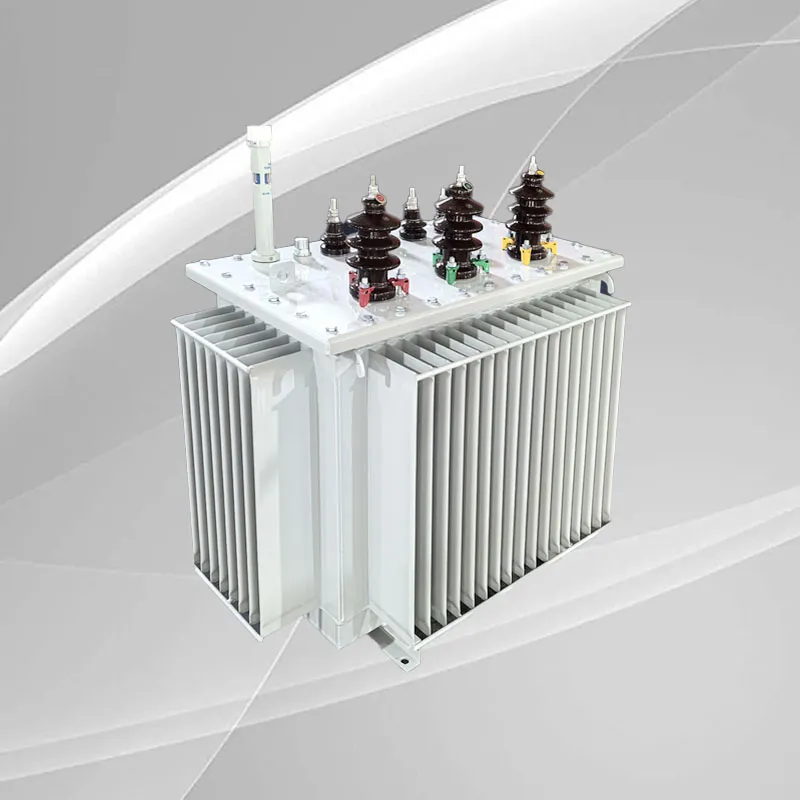 Oil power transformer
-
 XGN15-12 Gas Insulated Ring Distribution Unit Output Cell
-
 Complete low voltage distribution board made of stainless steel
-
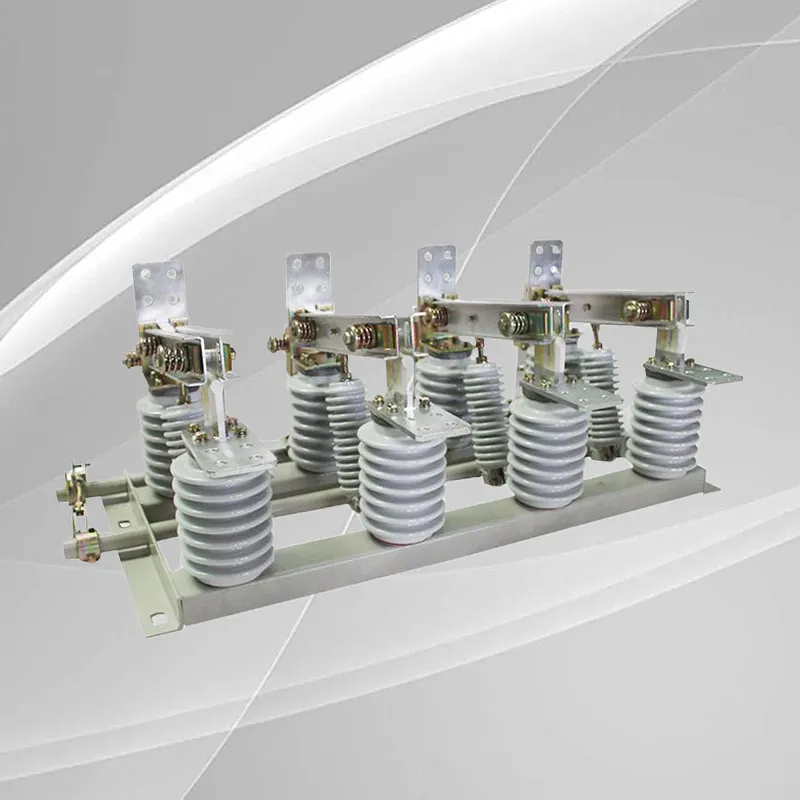 High voltage isolation switch GN24-12 for indoor use
-
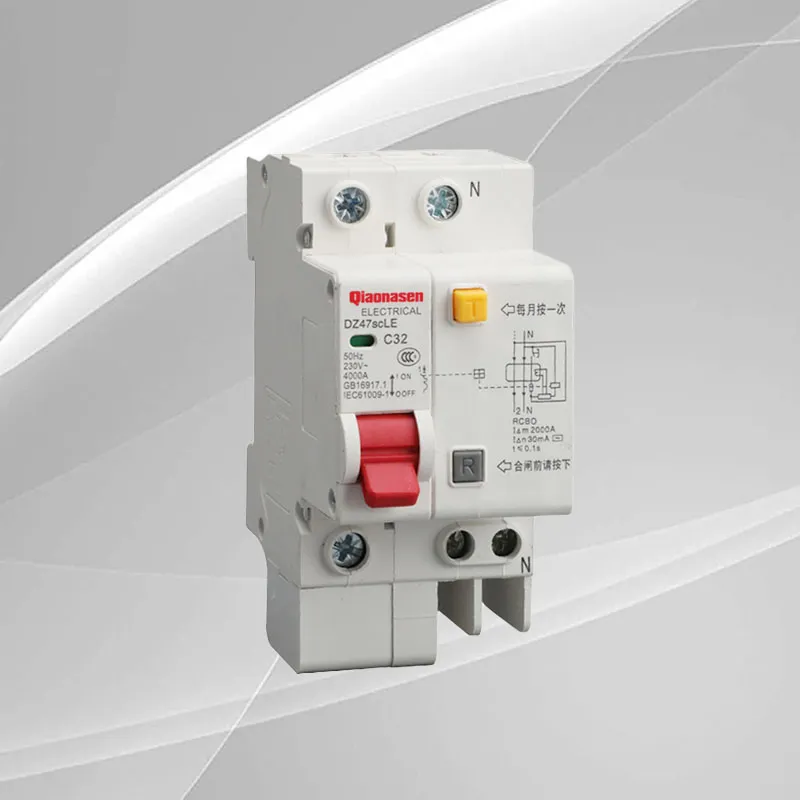 Residual current device with plastic housing
-
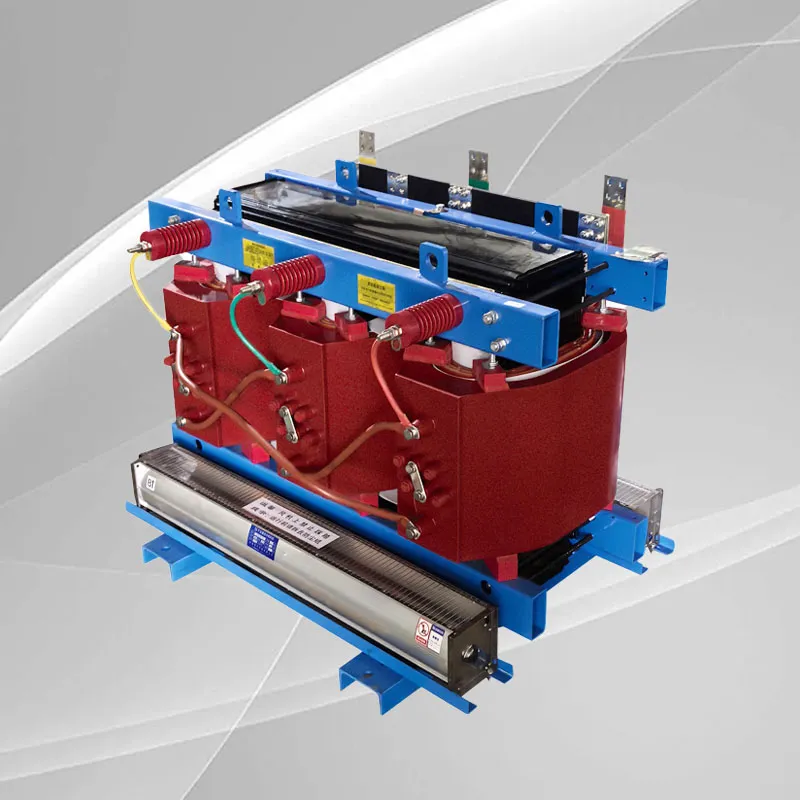 Dry transformer
-
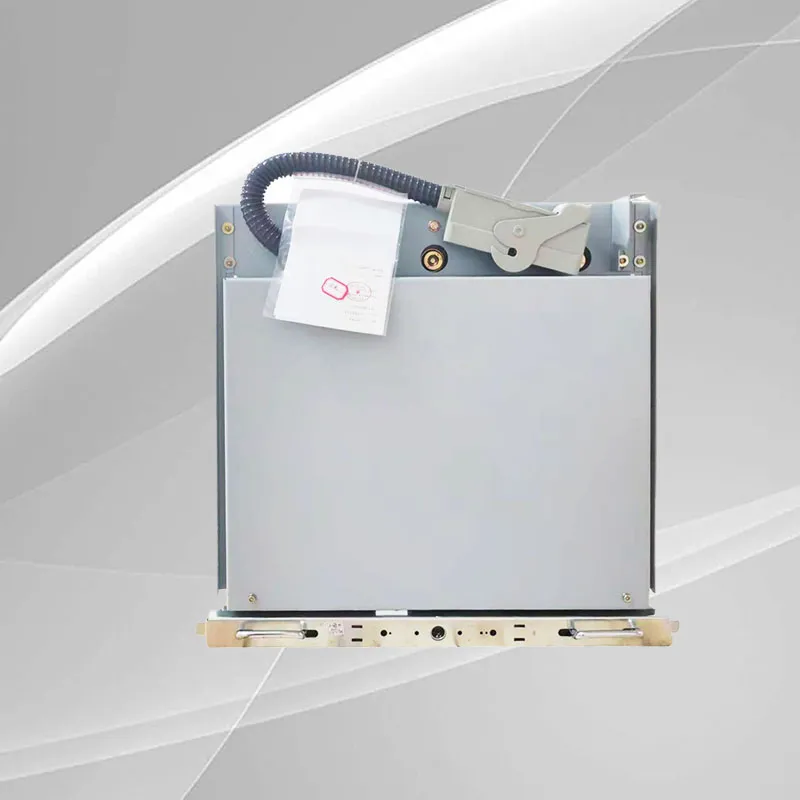 Withdrawable element for electricity metering with duck-type voltage transformers
-
 GW9-10 High Voltage Isolation Switch with Ceramic Insulators for Outdoor Installation
Relatedsearch
Related Search- what does a power transformer do
- single-pole circuit breaker ABB s201
- China power transformers 220 kv main buyer
- I will wind the power transformer
- distribution board 150 kW
- distribution board mounted dkc
- rating of distribution boards
- China power transformer kva main buyer
- buy ip65 distribution boards
- China dry transformer designation main buyer



