


dry current transformers
Dry current transformers– a seemingly simple thing. You choose according to the parameters, install, that’s it. But in reality this is not the case. Many novice engineers underestimate the nuances that arise when working with these devices, especially in modern conditions of growing requirements for reliability and safety. In this article I will share my experience, talk about common problems and ways to solve them. I don’t pretend to be the absolute truth, these are rather reflections based on many years of practice.
Review: Why read about dry-type current transformers?
If you are looking for a one-stop guide todry current transformers, this is not it. There are no ready-made formulas or ideal solutions here. It's more of a set of useful tips based on experience with different models and under different conditions. The main goal is to help you avoid common mistakes and make the right choice when designing and installing electricity metering and protection systems. Recently, interest in them has increased significantly, due to the need to reduce fire risks and increase safety, especially in public buildings and industrial facilities. I understand that this may seem obvious, but the lack of a deep understanding of the intricacies of working with them often leads to unpleasant consequences.
Common mistakes when choosing and installing
The first mistake I often see is the wrong choice of current transformer. People focus on price rather than features. Insufficient precision, incorrect current range, or inadequate insulation can all lead to serious problems. For example, I remember a case where a batch of low-accuracy current transformers were installed at a site, which led to significant errors in electricity metering and subsequent disputes with the utility company. This, of course, cost much more than a higher quality model.
The second common problem is improper installation. Insufficient terminal tightening, poor insulation, or incorrect wiring can all cause the current transformer to overheat and fail. This is especially true fordry current transformers, since they are more sensitive to external factors than traditional oil ones. Don't forget about shielding, especially when working with high frequencies. We have had cases where, due to improper shielding, noise occurred in the signal, which affected the accuracy of measurements.
Features of working with dry current transformers in modern networks
In modern power grids, more and more attention is paid to automation and dispatch.Dry current transformersplay an important role in these systems, as they provide a reliable and accurate signal for relay protection and automation devices. However, the operating characteristics of these devices must be taken into account and appropriate anti-interference techniques must be used.
Modern systems often use digital interfaces to transmit data from current transformers. This requires the use of special protocols and equipment. For example, to integrate current transformers with SCADA (Supervisory Control and Data Acquisition) systems, various interfaces such as Modbus, Ethernet/IP, or Profibus are used. The choice of interface depends on the requirements of the system and the capabilities of the equipment.
Sometimes there are compatibility issues between different devices. For example, a current transformer may not support a certain type of current transformer, or vice versa. Therefore, before implementing the system, it is necessary to thoroughly check the compatibility of all equipment.
Insulation and overheating problems
Insulation is one of the key factors of reliabilitydry current transformers. It is especially important to ensure reliable insulation between the primary and secondary windings, as well as between secondary circuits.
Overheating is another common problem. It can be caused by various factors such as overload, poor installation, or insufficient ventilation. If overheated, the insulation can be destroyed, which will lead to a short circuit and failure of the current transformer. We've seen this happen several times at sites where ventilation has not been given proper attention.
Solutions to prevent overheating
Adequate ventilation must be provided to prevent overheating. To achieve this, various methods can be used, such as natural ventilation, forced ventilation, or the use of heat sinks.
It is also necessary to ensure that the current transformer is not overloaded. To do this, it is necessary to select the correct current transformer according to the parameters and not exceed the permissible load. In addition, it is important to regularly check the condition of the insulation and replace it if necessary.
Our technicians often use thermography to identify hot spots, allowing problems to be identified and corrected early.
The influence of external factors on insulation
External factors such as humidity, dust, and dirt can negatively affect the insulationdry current transformers. Humidity can cause insulation to deteriorate, and dust and dirt can create conductive paths that can cause short circuits.
Therefore, it is necessary to install current transformers in dry rooms or use protective covers. In addition, it is necessary to regularly clean current transformers from dust and dirt.
Experience working with various manufacturers
Over the years, we have collaborated with many manufacturersdry current transformers. Each manufacturer has its own characteristics and advantages. For example, the products of Wenzhou Qiaonasen Electrical Equipment LLC are of high quality and reliability. Their current transformers meet all the requirements of Russian and international standards.
At the same time, you should not chase the cheapest models. They often turn out to be unreliable and have a short service life. It’s better to overpay a little and buy a current transformer from a trusted manufacturer that guarantees quality and reliability.
Comparison of characteristics of different models
When selecting a current transformer, various characteristics such as accuracy, current range, insulation voltage, and operating temperature must be taken into account.
Current transformer accuracy is an important parameter that determines the accuracy of electricity measurements. The higher the accuracy, the smaller the error. The current range determines the maximum current that can safely flow through the current transformer. The insulation voltage determines the maximum voltage that the current transformer can withstand. The operating temperature determines the temperature range within which the current transformer can operate normally.
Recommendations for operation and maintenance
Correct operation and maintenancedry current transformers– this is the key to their long and reliable operation.
Check the condition of insulation, terminals and connections regularly. Clean current transformers from dust and dirt. Do not overload the current transformer. Calibrate the current transformer regularly.
It is also important to follow safety regulations when working with current transformers. Before carrying out any work, turn off the power and make sure there is no voltage.
Conclusion: Learning from mistakes
Working withdry current transformersrequires certain knowledge and experience. Don't underestimate the nuances and miss the details. Don't be afraid to ask questions and seek help from experts. Remember that high-quality equipment and correct installation are the key to reliable and safe operation of electrical installations. I hope this article was helpful to you. At our company Wenzhou Qiaonasen Electrical Equipment LLC we are always happy to help you with the selection and installationdry current transformers.
Correspondingproducts
Related Products


Best Sellingproducts
Best Selling Products-
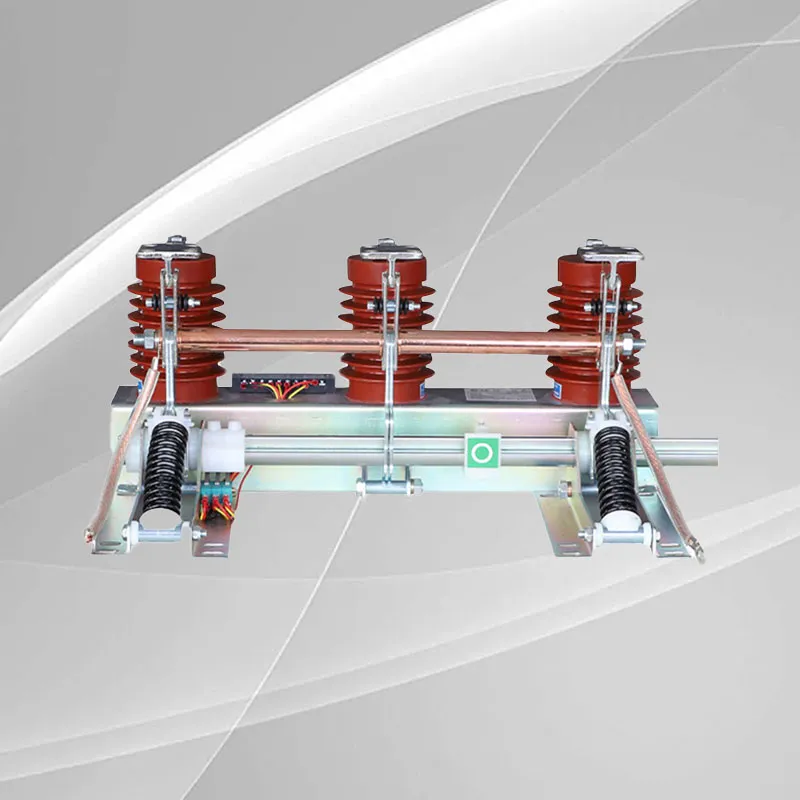 Indoor high voltage earthing switch type JN15
-
电动智能户外柱上高压真空断路分合闸开关.2.webp) ZW7-40.5 (side mounting) is an intelligent outdoor high-voltage vacuum circuit breaker with electric drive.
-
 Automatic circuit breaker DZ15 in plastic shell
-
 Disconnector with blade contact in a complete high-voltage cabinet
-
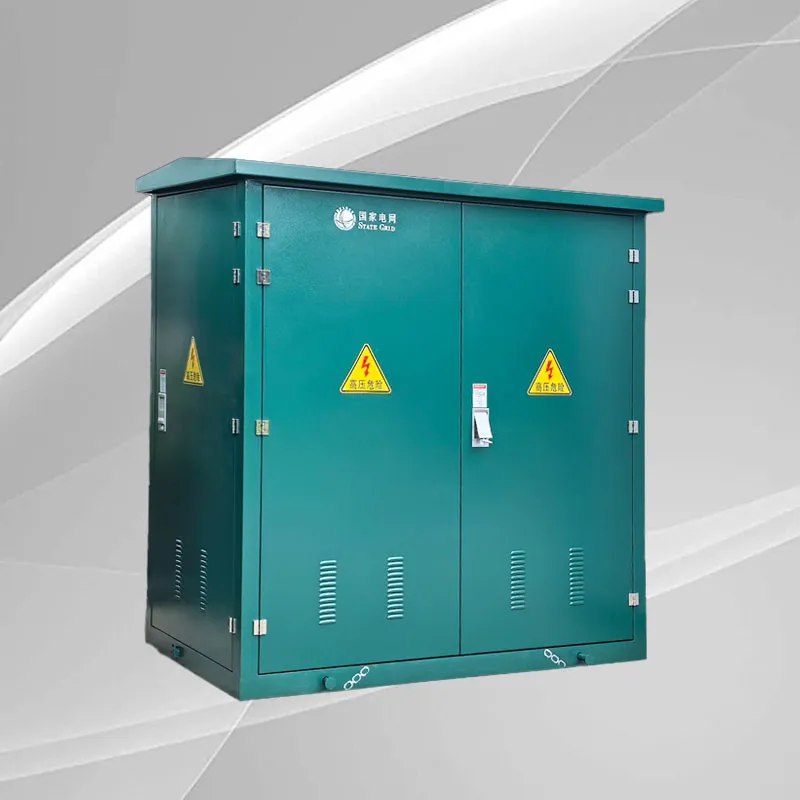 High voltage ring distribution cabinet
-
 Blade contact disconnector ZW10-12
-
 Switchgear with ATS BRSM
-
 Outdoor distribution cabinet made of 201 steel
-
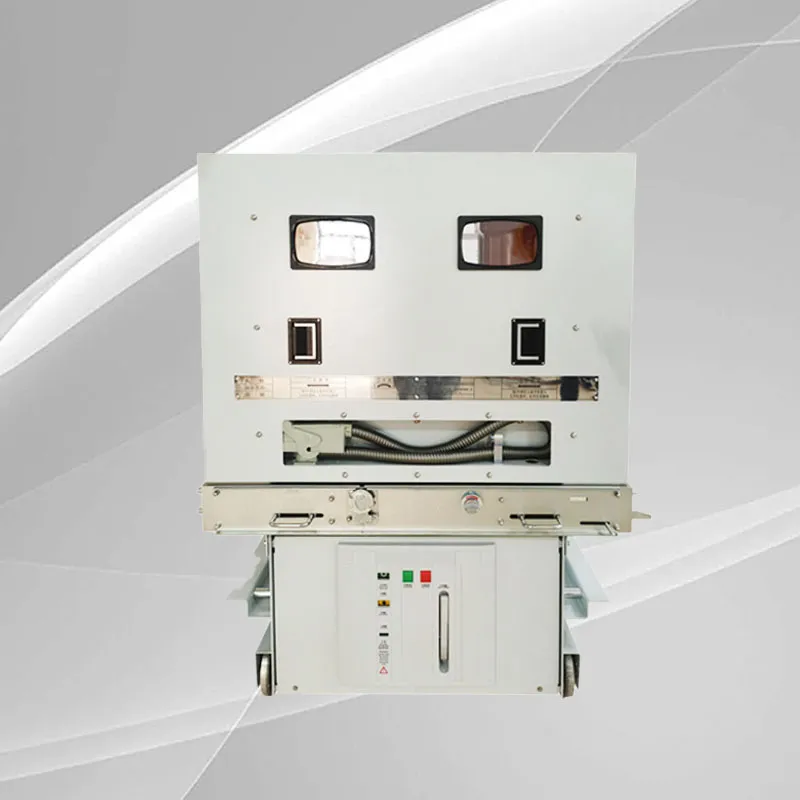 High Voltage Vacuum Circuit Breaker
-
 Side vacuum switch
-
 XGN66-1210KV High Voltage Ring Cabinet
-
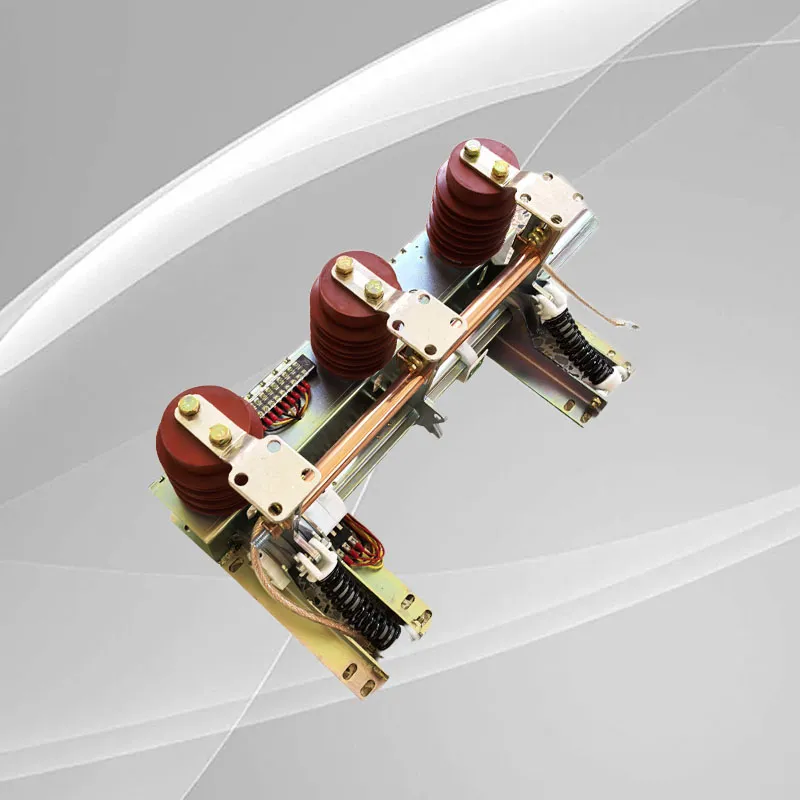 JN15-12-31.5 internal high voltage grounding switch



