


dry transformer temperature
Usually, when talking about transformers, people immediately think of their oil and complex equipment. But, working in the field of electrical equipment, I often encounter issues related specifically totemperature of dry transformers. And this is not just an academic interest, but a practical necessity. Many new engineers, especially those just starting to work with dry-type transformers, tend to underestimate the importance of temperature control. They believe this is more a cooling equipment issue than a transformer performance indicator. In fact, temperature tracking is the cornerstone of reliability and durability.
Why is the temperature of dry-type transformers important?
Shouldn't be perceivedtemperature of dry transformerslike just a number on a thermometer. This is, first of all, an indicator of the effectiveness of his work and, indirectly, his condition. When a transformer operates within an acceptable temperature range, it operates optimally: there is less wear on the insulation, less likelihood of defects occurring, and, of course, less risk of accidents. Overheating, on the contrary, accelerates the degradation of insulation, which can lead to a short circuit and, as a consequence, to expensive repairs and downtime. Underestimating this factor is a direct path to problems.
Unlike oil transformers, in dry transformers cooling occurs mainly due to natural convection and heat removal from the metal casing. This means that the temperature of dry-type transformers is much more influenced by external factors such as ambient temperature, ventilation efficiency and transformer loading.
Features of heat transfer in dry transformers
Various designs of dry-type transformers have their own heat transfer characteristics. For example, naturally ventilated transformers will require more careful temperature control in hot weather than forced ventilated transformers. Take this into account when creating maintenance plans.
In addition, it is important to understand that the temperature distribution inside the transformer is not always uniform. The main heat generation occurs in the windings, especially in the primary winding, so it is important to pay attention to the temperature of these elements.
Don't forget about the influence of load. The higher the load on a transformer, the more heat it generates. Therefore, it is important not only to monitor the temperature at rated load, but also to analyze how it changes at different load levels.
Practical experience: problems and solutions
I remember a case where in one of the objects we worked with, a dry transformer was systematically exceeding the permissible temperature. Initially we assumed there was a problem with the ventilation, but after careful diagnostics it turned out that the problem was an incorrect fan speed setting. The fan was running at minimum speed, which is not enough to effectively remove heat. Changing the fan speed reduced the temperature to normal and eliminated the risk of overheating. This, of course, is a small thing, but it showed how important it is to carefully analyze the causes of overheating.
It happened that thermography was used to identify local overheating areas. This allows you to see a picture of the temperature distribution inside the transformer and identify potential problems at an early stage. For example, uneven distribution of winding current can lead to local overheating of certain areas, which can damage the insulation.
It's no secret that when working withtemperature of dry transformersThe question of acceptable values often arises. Codes and standards may vary depending on the transformer manufacturer and operating conditions. Therefore, it is critically important to study the technical documentation and follow the manufacturer’s recommendations. Otherwise, you risk getting not only an inaccurate picture of the equipment’s operation, but also its premature failure.
Control tools and methods
There are several ways to control temperaturedry transformers: from simple thermometers to complex automated monitoring systems. The simplest way is to regularly visually inspect and measure the temperature of the windings using an infrared thermometer. A more advanced option is to use thermocouples installed at key areas of the transformer.
Recently, remote monitoring systems have become increasingly popular, which allow you to monitor the temperature of the transformer in real time and receive notifications when permissible values are exceeded. Such systems are especially useful for remote sites where regular inspections are difficult.
For example, we often use solutions from manufacturers specializing in electrical equipment monitoring systems. They allow data on temperature, vibration and other transformer parameters to be collected and analyzed to identify potential problems. This significantly improves maintenance efficiency and avoids costly repairs.
Problems arising from improper use
Another common problem is improper installation of the transformer. If the transformer is installed in a poorly ventilated area, the temperature of its housing can rise significantly, which in turn leads to overheating of the windings. It is also important to consider the location of the transformer relative to other heat sources. For example, if a transformer is installed near high-power electrical equipment, it may result in elevated temperatures.
In addition, you should pay attention to the quality of insulation. Damaged insulation can lead to current leakage and, as a result, overheating. Regular inspection of insulation and timely replacement of damaged elements is an important part of maintenance.
If we talk about specific examples, I saw how, due to improper installation and insufficient ventilation, the transformer overheated within a year after commissioning. This required expensive repairs and significant downtime. Unfortunately, this is not an isolated case.
Conclusions and recommendations
Thus, controldry transformer temperatures– this is not just a formality, but an important element in ensuring the reliability and durability of electrical equipment. Regular temperature monitoring, timely identification and elimination of problems, as well as compliance with the manufacturer’s recommendations are the key to successful operation of dry-type transformers.
I recommend that everyone who works with dry-type transformers pay due attention to this aspect and not neglect modern tools and control methods. Study the documentation, analyze the data and don’t be afraid to seek help from specialists. This will help you avoid serious problems and ensure trouble-free operation of your electrical equipment.
Wenzhou Qiaonasen Electrical Equipment LLC (https://www.qnasen.ru) specializes in the supply of high-quality electrical equipment, including dry-type transformers. We are always ready to provide professional advice and help you choose the optimal solution for your tasks.
Correspondingproducts
Related Products


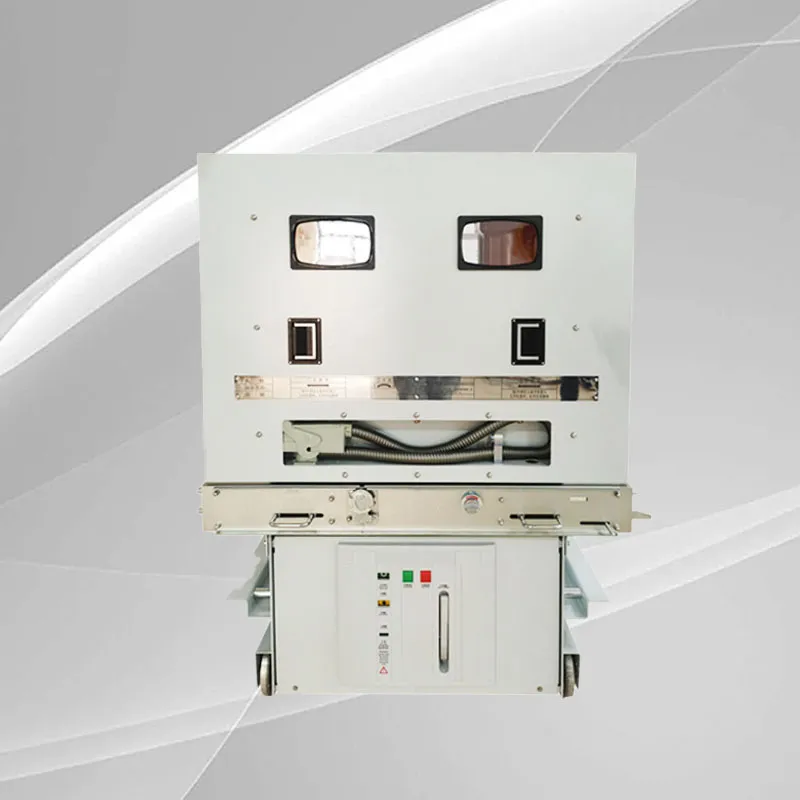

Best Sellingproducts
Best Selling Products-
 Outdoor waterproof distribution cabinet
-
 Mine transformer BKC-150VA
-
 Grid connection cabinet for photovoltaic system made of stainless steel
-
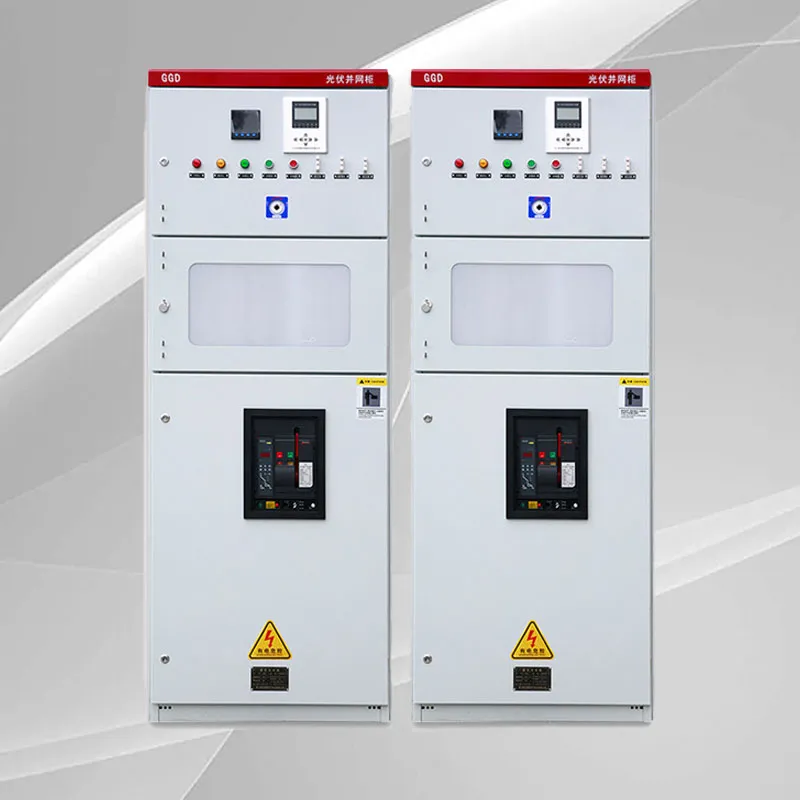 GGD cabinet for network connection of photovoltaic systems
-
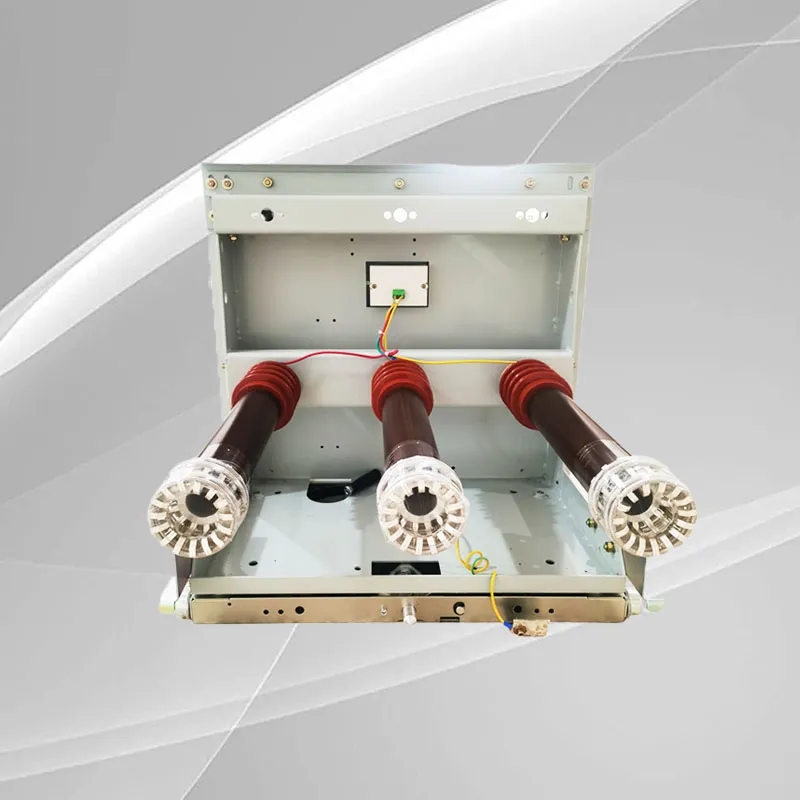 Withdrawable element for electricity metering with voltage check function
-
 Power distribution cabinet
-
 Complete high-voltage distribution cabinet KYN28A-12 with input and linear cells and instrument transformer compartment
-
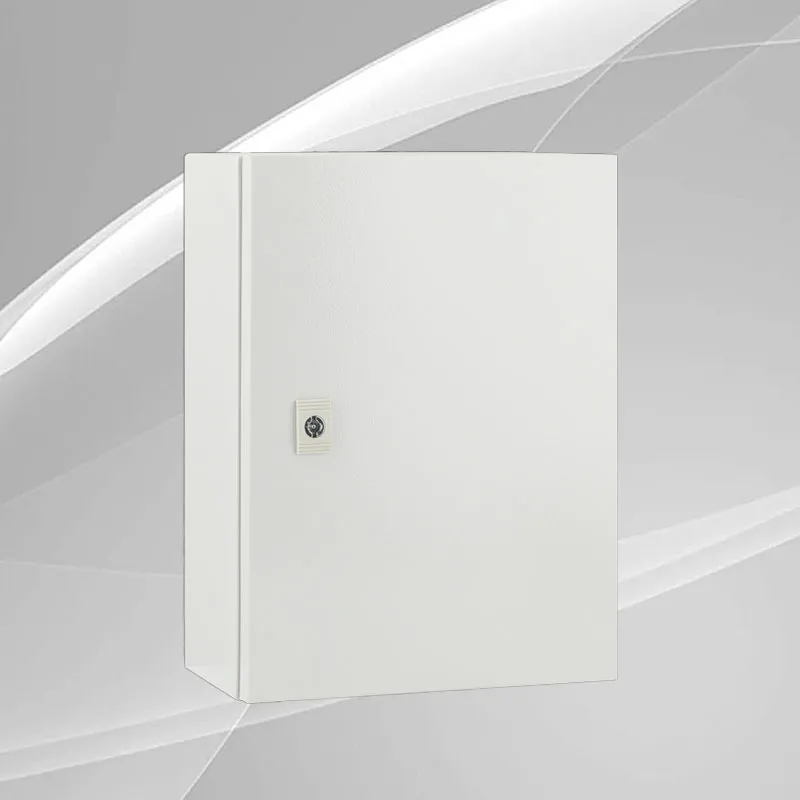 Apartment switchboard
-
 Transparent circuit breaker with plastic housing
-
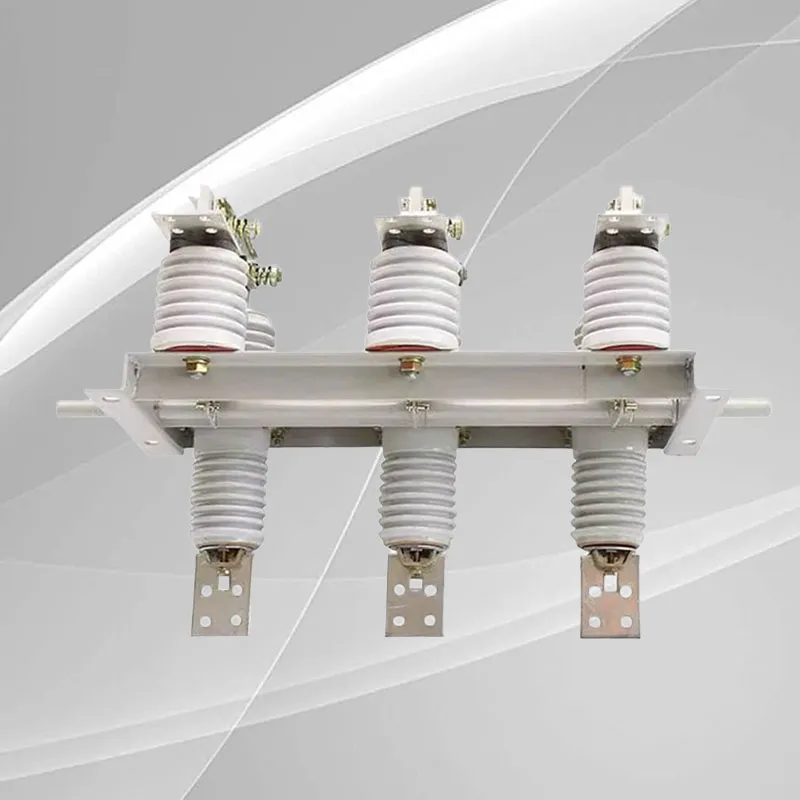 Internal high voltage disconnector type GN19-12C
-
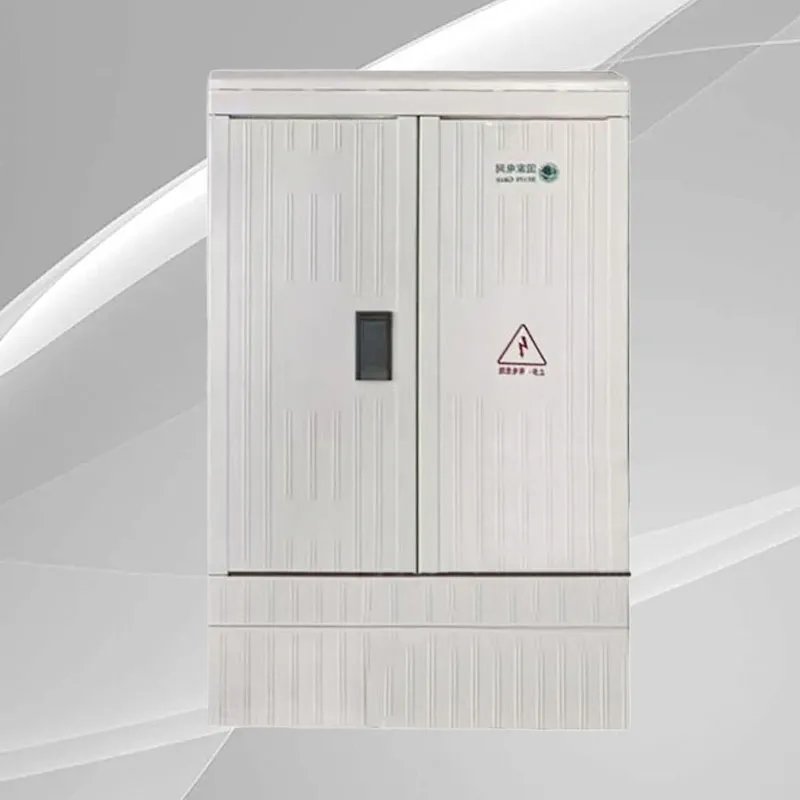 Thickened fiberglass housing for low voltage cable distribution board
-
 VS1 ZN63-12 1250A fixed indoor high voltage vacuum circuit breaker



