


gas relay for power transformers
Gas relay for power transformers– a topic that I encounter all the time. And do you know how often I hear that it’s just a “pressure sensor” that goes off when gas comes out? This is, of course, a simplification. In reality, it is a complex complex, and misunderstanding of its operation can lead to serious problems with the transformer. We often see how failure to diagnose and understand operating principles leads to unnecessary shutdowns and costly repairs. Therefore, I want to share my experience, or rather, some observations and mistakes that we made and, I hope, you can avoid.
Operating principle and main components
Let's start with the most important thing - how does it even work? In short,gas relayis a device that detects a gas leak (most often tertiary ammonia) in a transformer tap and generates an electrical signal. This signal, in turn, is transmitted to the transformer protection system, which makes the decision to shut down. The gas used as a working medium has the ability to expand when heated, and it is this expansion that causes the relay to operate. It is important to understand that the operation of the relay depends on the gas pressure in the outlet. Normal pressure is, of course, one thing, but when there is a leak, it drops sharply, which is the trigger.
Himselfgas power transformer relayconsists of several key elements: a pressure sensor, an electromagnetic mechanism, a signal processing circuit and output contacts. The pressure sensor is usually a membrane that is deformed by gas pressure. The electromagnetic mechanism converts the mechanical movement of the membrane into an electrical signal. Next, the signal is amplified and processed, and when a certain threshold is reached, the output contacts close, sending the signal to the protection system.
Typical problems and their solutions
In practice, withgas relays for power transformersyou may encounter various problems. For example, false positives. This can be caused not only by gas leaks, but also by temperature fluctuations, vibration, or even improper relay installation. We once encountered a problem with false alarms due to strong winds that created vibrations in the transformer tap. The solution turned out to be simple - installing additional vibration dampers.
Another common problem is a 'sticking' relay mechanism. This may occur due to corrosion or contamination. Regular checking and cleaning of the relay from contamination is a necessary condition for its reliable operation. We use special cleaners designed for electronic components to avoid damaging the relay. And, of course, do not forget about periodic lubrication of moving parts.
Diagnostics and maintenance
Regular diagnostics and maintenancegas relays– the key to reliable operation of the transformer. Typically, this includes checking the gas pressure at the outlet, visually inspecting the relay for damage, and testing the electrical contacts. For diagnostics, you can use special instruments that allow you to measure gas pressure and the electrical signal generated by the relay. Remember that it is unacceptable to carry out work without disconnecting the transformer from the network. This safety rule is fundamental.
Do not forget about periodic calibration of the relay. Over time, relay characteristics can change, which can lead to inaccurate operation. Calibration allows you to return the relay to factory settings and ensure its reliable operation.
Experience with various models
Wenzhou Qiaonasen Electrical Equipment Co.,Ltd offers a wide range ofgas relays for power transformersfrom various manufacturers. We work with relays of various types - from simple to complex, with various parameters and functions. For example, we have successfully used relays equipped with a self-diagnosis system, which allows us to quickly identify faults and carry out preventive maintenance.
I personally participated in the installation and configurationgas relaysat several large power plants. The most difficult thing was probably adapting the relay to specific operating conditions - high humidity, temperature changes. It is necessary to carefully consider all factors that may affect the operation of the relay and choose the best option for a particular case.
To sum it up
In conclusion, I want to say thatpower transformer gas relayis a critical element of the transformer protection system. Don't underestimate his role. Regular diagnostics, maintenance and proper operationgas relayensure reliable operation of the transformer and avoid costly accidents. And most importantly, always follow the manufacturer’s instructions and do not neglect safety rules. This applies not onlygas relays for power transformers, but also all electrical equipment in general.
Correspondingproducts
Related Products




Best Sellingproducts
Best Selling Products-
 Circuit breaker transparent
-
 Outdoor distribution cabinet made of 201 steel
-
 Withdrawable element for electricity metering with duck-type voltage transformers
-
 Explosion Proof Oil Induction Voltage Regulator
-
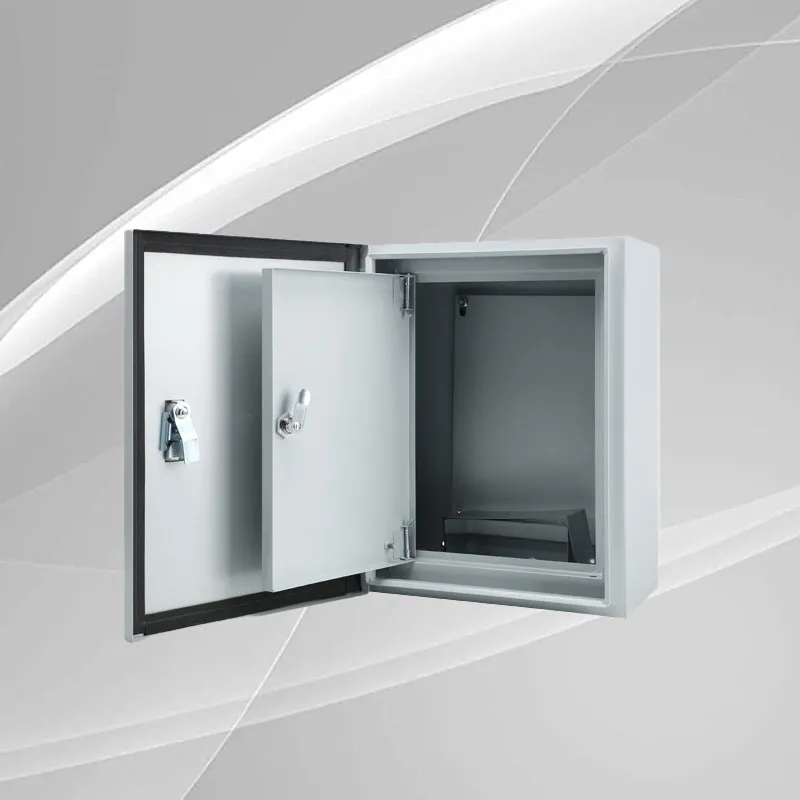 Indoor distribution cabinet with double door
-
 MBW1 series intelligent universal circuit breakers, three-pole fixed
-
 Mine transformer BKC-150VA
-
 Switch cabinet with double doors
-
 Complete high-voltage distribution cabinet KYN28A-12 with input and linear cells and instrument transformer compartment
-
 Oil transformer
-
 Indoor High Voltage Isolation Circuit Breaker with Ceramic Insulators
-
电动智能户外柱上高压真空断路分合闸开关.2.webp) ZW7-40.5 (side mounting) is an intelligent outdoor high-voltage vacuum circuit breaker with electric drive.
Relatedsearch
Related Search- China dry type power transformers main buyer
- which distribution board to choose?
- China damage power transformers main buyer
- circuit breaker va47 29 1p 16a
- industrial power transformer
- mounted distribution board EKF
- TV power transformer
- power transformer electrical panel
- testing dry transformers
- drying power transformers



