


testing dry transformers
Today I want to share my thoughts and experiences related totesting of dry transformers. Often in theory everything looks simple and clear, but in practice nuances arise that can significantly affect the result and even the further operation of the equipment. Many newbies, and even experienced engineers, overlook important points, which leads to erroneous conclusions or even a defective batch. I won’t go into deep theory, but rather share what came to my mind after many years of working with this equipment, and talk about things that, in my opinion, are really important.
Why is dry-type transformer testing important?
It's simple:testing of dry transformersmake sure that the transformer meets the declared characteristics, and most importantly, is safe to use. This is not just a formality, it is a critical stage on which the reliability and safety of the entire electrical installation depends. Insulation testing, loss determination, and mechanical strength testing are all necessary to ensure that the transformer can withstand the loads and will not become a source of fire or electric shock. This is especially true for transformers used in critical systems - hospitals, industrial plants, etc.
Sometimes, unfortunately, you can come across an approach whentesting of dry transformersare considered as a feasible formality, performed for show. But this is very dangerous. Poor quality tests may not reveal hidden defects, which will subsequently lead to an emergency. Therefore, this process must be taken seriously and all necessary procedures must be followed. Ultimately, this is a matter of the safety of people and the safety of property.
Main types of tests
There is a whole range of tests that are carried out withdry transformers. The most important of them are, of course, insulation tests, determination of open-circuit and short-circuit parameters, as well as mechanical strength tests. Each of these types of tests allows you to identify certain characteristics of the transformer and evaluate its suitability for use. In addition, additional tests can be carried out, for example, for resistance to overloads or to various external factors (temperature, humidity, etc.).
It is important to remember that the choice of specific types of tests depends on the purpose of the transformer and its operating conditions. For example, transformers used in harsh climates require additional testing for low and high temperature resistance. And for transformers operating in high vibration conditions, it is necessary to conduct mechanical strength tests taking these factors into account. We at Wenzhou Qiaonasen Electrical Equipment Co., Ltd. always try to take all these features into account when developing a test program.
What problems are encountered during testing?
In practice, various problems often arise. One of the most common is poor quality testing equipment. The use of outdated or faulty equipment may lead to inaccurate results and, as a result, erroneous conclusions. Problems also often arise with preparing the transformer for testing - for example, with cleaning of contamination or sealing the insulation. If you do not pay enough attention to this preparation, the test results may be unreliable.
Another problem is the lack of qualified personnel. Carrying outtesting of dry transformersrequires certain knowledge and experience. It is not enough just to know how to use the equipment - you need to be able to correctly interpret test results and draw informed conclusions. Unfortunately, it is not always possible to find a sufficient number of qualified specialists, which can negatively affect the quality of testing. In our company, we pay great attention to staff training and regularly conduct advanced training.
Case Study: Insulation Problem
We recently had a case when, when testing the insulation of one ofdry transformersdeviations from the norm were identified. After further research, it turned out that the problem was a slight contamination of the insulation, which prevented normal heat dissipation. In addition, slight wear and tear of the insulating materials was detected. To fix the problem, it was necessary to regenerate the insulation and replace worn components. As a result, the transformer was successfully restored and is suitable for use. This case shows that even small deviations from the norm can lead to serious consequences if they are not identified and corrected in time.
What are the trends in dry-type transformer testing?
There is currently a trend towards process automationtesting of dry transformers. Automated systems can improve testing accuracy and speed, and reduce the likelihood of errors. In addition, real-time transformer condition monitoring systems are becoming increasingly common. These systems make it possible to promptly identify signs of malfunction and prevent emergency situations.
Another important trend is the use of new materials and technologies in testing. For example, sensors with increased sensitivity are increasingly being used to detect even minor changes in transformer parameters. New diagnostic methods based on the analysis of data obtained during tests are also being actively developed. We, as a company, actively follow these trends and constantly introduce new technologies into our work.
Wenzhou Qiaonasen Electrical Equipment Co.,Ltd: Our Approach to Testing
At Wenzhou Qiaonasen Electrical Equipment Co.,Ltd, we attach utmost importance to qualitytesting of dry transformers. We have modern equipment and a team of experienced specialists who have all the necessary knowledge and skills to conduct tests of any type and complexity. We strictly comply with all applicable regulations and use only certified testing methods.
Our approach consists of a comprehensive analysis of each transformer, from preparation for testing to interpretation of results. We are not limited to just performing formal procedures - we strive to identify all possible hidden defects and guarantee the reliability and safety of the equipment. We are always ready to provide our clients with a full report on the tests performed, as well as recommendations for further operation of the transformer. You can also find suppliers of various equipment and components here. Our website:
Correspondingproducts
Related Products




Best Sellingproducts
Best Selling Products-
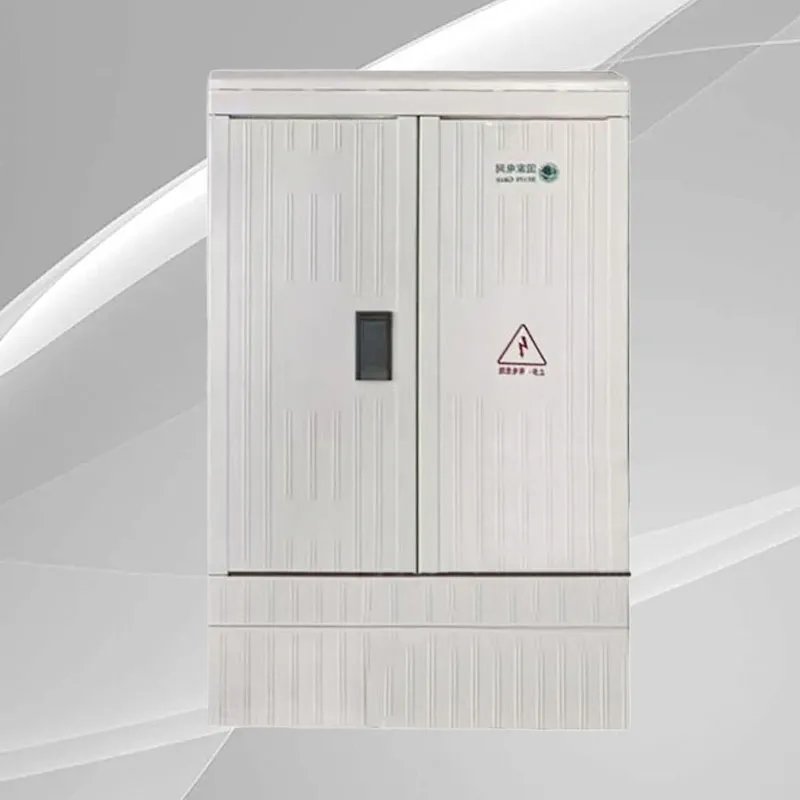 Thickened fiberglass housing for low voltage cable distribution board
-
 High voltage vacuum circuit breaker ZW20
-
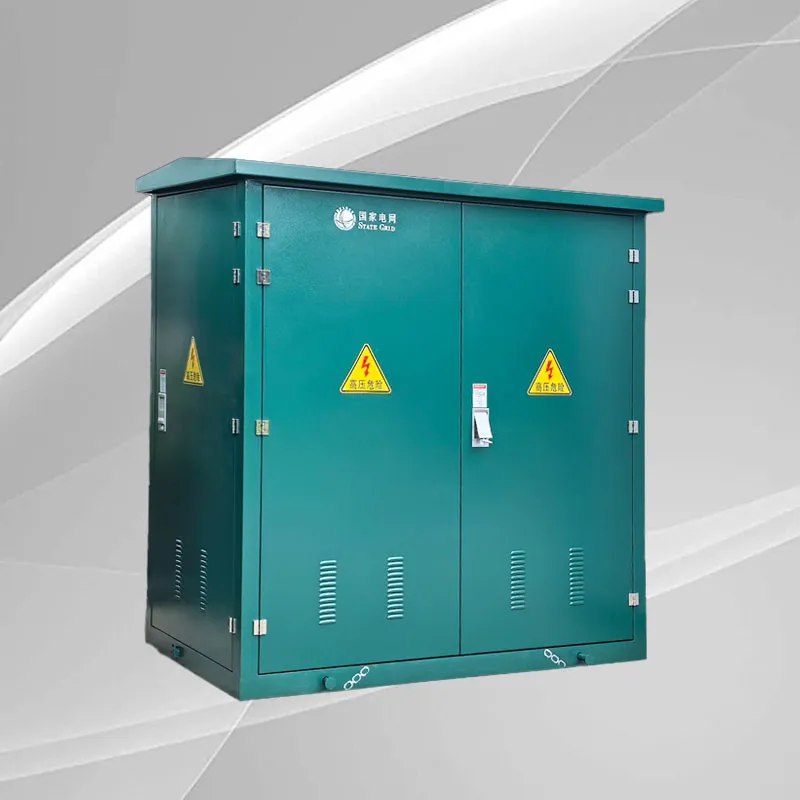 High voltage ring distribution cabinet
-
 Three-phase control transformer
-
电动智能户外柱上高压真空断路分合闸开关.2.webp) ZW7-40.5 (side mounting) is an intelligent outdoor high-voltage vacuum circuit breaker with electric drive.
-
 Miniature circuit breaker
-
 Complete low voltage distribution board made of stainless steel
-
 Circuit breaker transparent
-
 Side vacuum switch
-
 MBW1 series intelligent universal circuit breakers, three-pole fixed
-
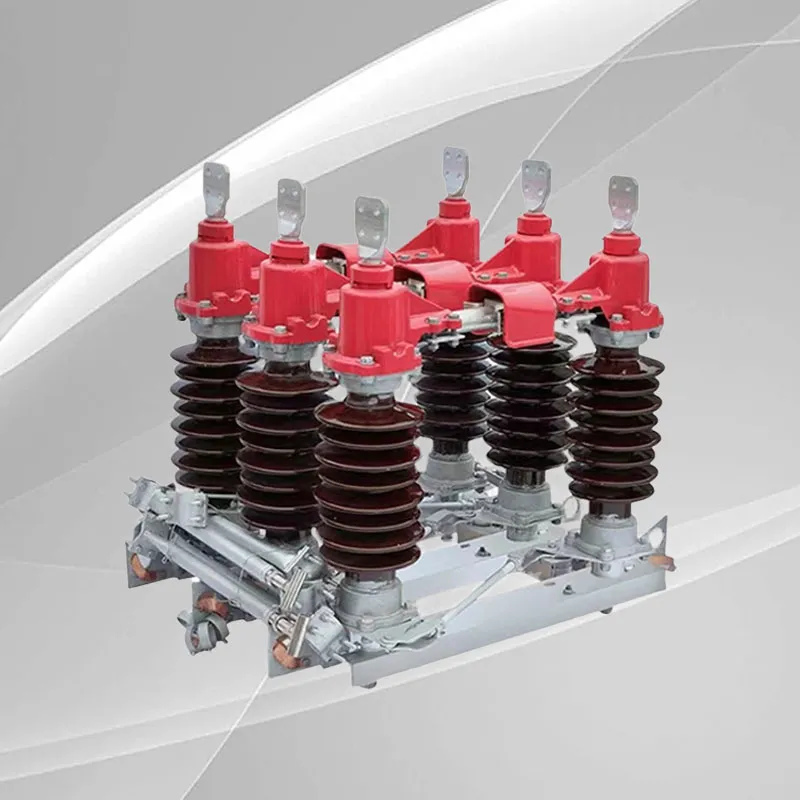 Outdoor high voltage isolating switch type GW4-40.5
-
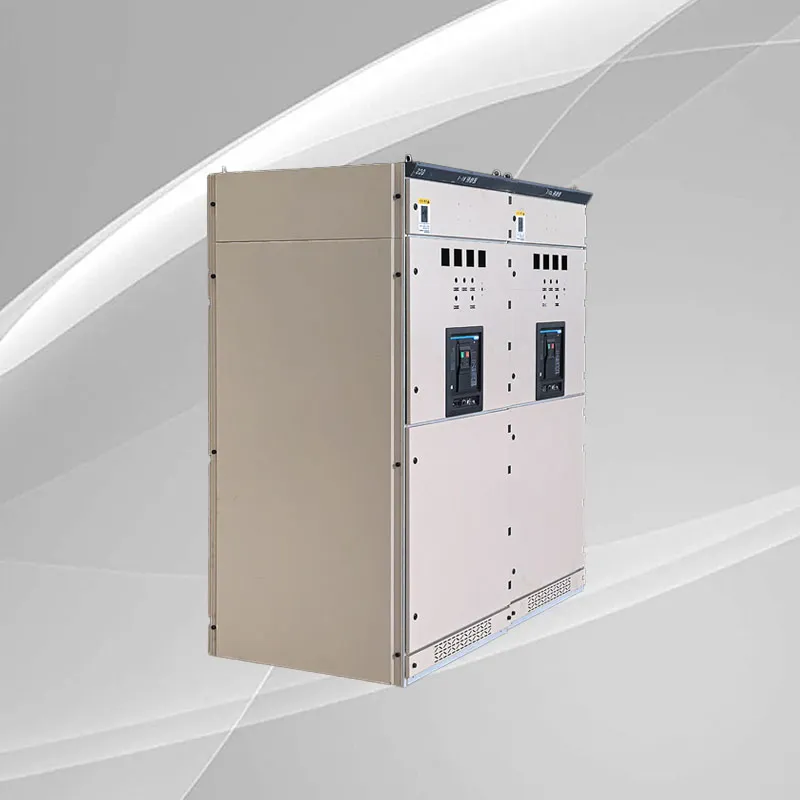 Low-voltage withdrawable distribution cabinet GCS (input cabinet)



