


defects in power transformers
Defects of power transformers- This is a topic that you encounter in almost every serious repair shop. They often come with a complaint about “the transformer is not working,” but the diagnosis turns out to be much more vague. We, at Wenzhou Qiaonasen Electrical Equipment Co., Ltd., regularly encounter a wide variety of problems, from simple winding breaks to complex insulation damage. I will try to share my experience without claiming the absolute truth, but only highlighting the most common “headaches”.
Common causes of malfunctions and their classification
First of all, it is worth understanding that the reasonsdefects in power transformerscan be divided into several main groups. Sometimes it comes down to a simple overload, insufficient ventilation or improper operation of the cooling system. In such cases, of course, fixing the problem often does not require disassembling the transformer. But most often, we are dealing with more serious damage caused by mechanical, electrical or thermal factors.
Mechanical damage is, of course, external shocks and vibrations that lead to damage to the housing, insulation, and sometimes the windings themselves. Electrical - overvoltage, harmonic distortion in the network, short circuits, and, of course, improper operation, for example, supplying voltage with the wrong polarity. Thermal is overheating that can occur due to overload, an ineffective cooling system, or an insulation defect leading to spontaneous combustion. Among the most common problems that require attention, I would highlight damage to the insulation, breakage of individual winding cores, short circuit between the windings and the housing, and mechanical deformations of both the housing and internal elements.
Isolation Problems: The 'Silent' Threat
This is where the main problem often lies. Insulation is the first thing that suffers when there is a fault. It ages, is exposed to moisture, overheating, and chemicals. Very ofteninsulation defectdoes not appear immediately, but gradually. At first, small breakdowns are observed, which are difficult to detect by conventional means. But over time they only get worse, leading to serious consequences. We often see transformers that "suffocate" before finally failing. In such cases, diagnosis can be difficult and requires the use of special instruments, such as a megohmmeter, to check the insulation resistance.
I remember one case when they brought us a transformer that 'wouldn't turn on'. After the initial check, nothing suspicious was found. But when we checked the insulation, it turned out that the winding was badly 'broken'. The problem was not in the windings as such, but in the insulation, which was gradually deteriorating. We replaced the insulation and the transformer worked like new. But he warned: you should not skimp on high-quality insulation - this is the key to long and uninterrupted operation of the transformer.
Problems with windings and connections
In addition to insulation, it is worth paying attention to the condition of the windings themselves and their connections. In particular, on the quality of soldering and connection of winding cores. A situation often occurs when, due to vibrations or temperature fluctuations, connections become loose, which leads to an increase in resistance and overheating of the windings. This may damage the windings and cause a short circuit. In practice, we have encountered transformers where some connections simply fell off, and restoring them solved the problem.
Particular care must be taken to check the connections at the points where the windings are connected to the busbars. Where the greatest thermal stress occurs and where connections are most likely to loosen. The use of high-quality connecting elements and proper soldering are important factors that affect the reliability of the transformer. Our experience shows that often the least obvious problems lie in these places.
Real examples and their solutions
Recently we came across a transformer that was overloaded. We found out that short-term voltage surges periodically occur in the network, which led to an increase in current in the windings and overheating. As a result, the insulation began to deteriorate, and after some time a breakdown occurred. The solution was to install a surge protector and change the load pattern. Such cases are unfortunately quite common and highlight the importance of proper electrical system design and the use of equipment protection measures.
Another interesting case is a transformer with mechanical deformations of the housing. The cause of the deformation was strong vibrations caused by a malfunction of other equipment at the site. A damaged housing led to damage to internal components, in particular to damage to the windings. In this case, restoration of the housing was impossible, and the transformer had to be replaced. This case highlights the importance of considering external factors when operating transformers.
Diagnostics and prevention
Let's start with what? The first step is a visual inspection. Check the housing for cracks, dents, and traces of corrosion. Checking the condition of pins and connectors. Next - measuring the insulation resistance, checking the windings for short circuits. And, of course, checking the operation of the cooling system. Modern equipment allows for more accurate diagnostics, for example using thermography to identify overheated areas.
But the most important thing is prevention! Regular inspection and maintenance of transformers, timely replacement of worn-out elements, and proper operation are the key to long and reliable operation. And, of course, it is important to train personnel in the rules of operation and maintenance of equipment. We often see problems that could have been avoided if the staff had been more attentive and careful.
Wenzhou Qiaonasen Electrical Equipment Co.,Ltd offers a wide range of repair and maintenance servicespower transformers. We use modern equipment and materials, and also have extensive experience. Contact us, we are always happy to help.
Correspondingproducts
Related Products


Best Sellingproducts
Best Selling Products-
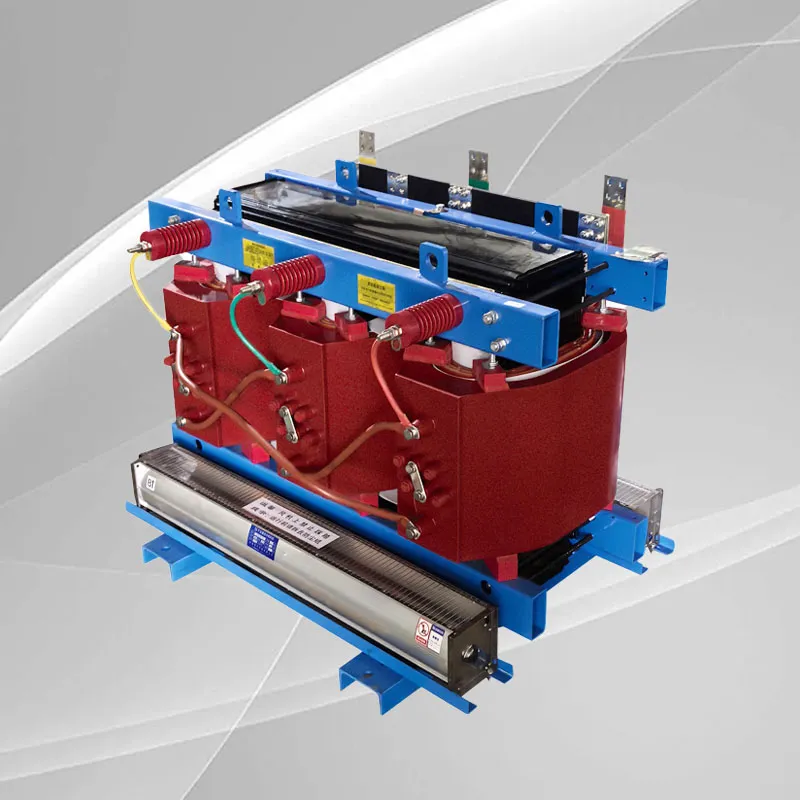 Dry transformer
-
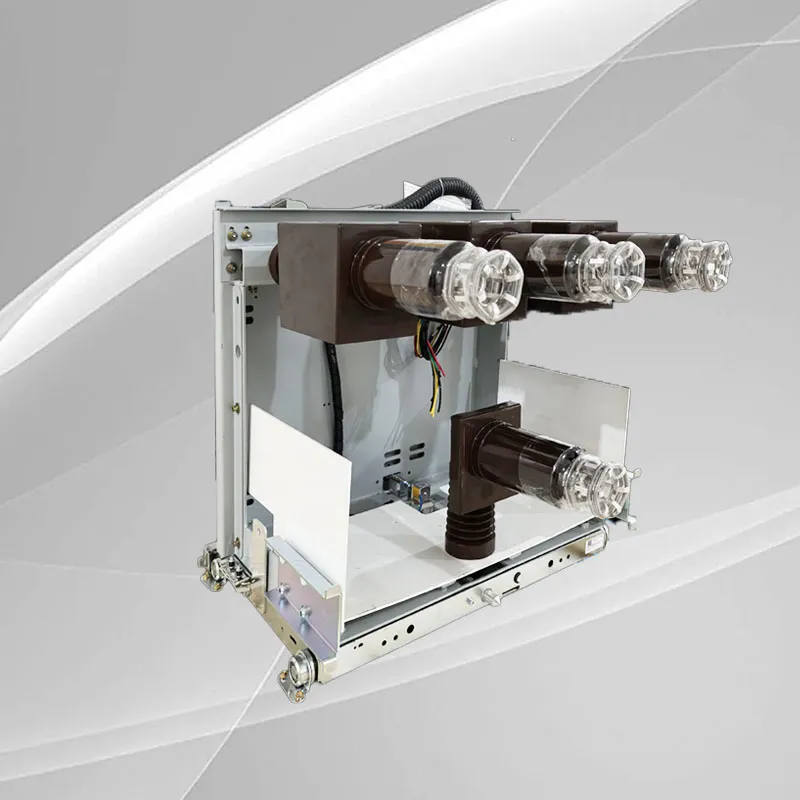 Withdrawable element for electricity metering for four contacts with three voltage transformers
-
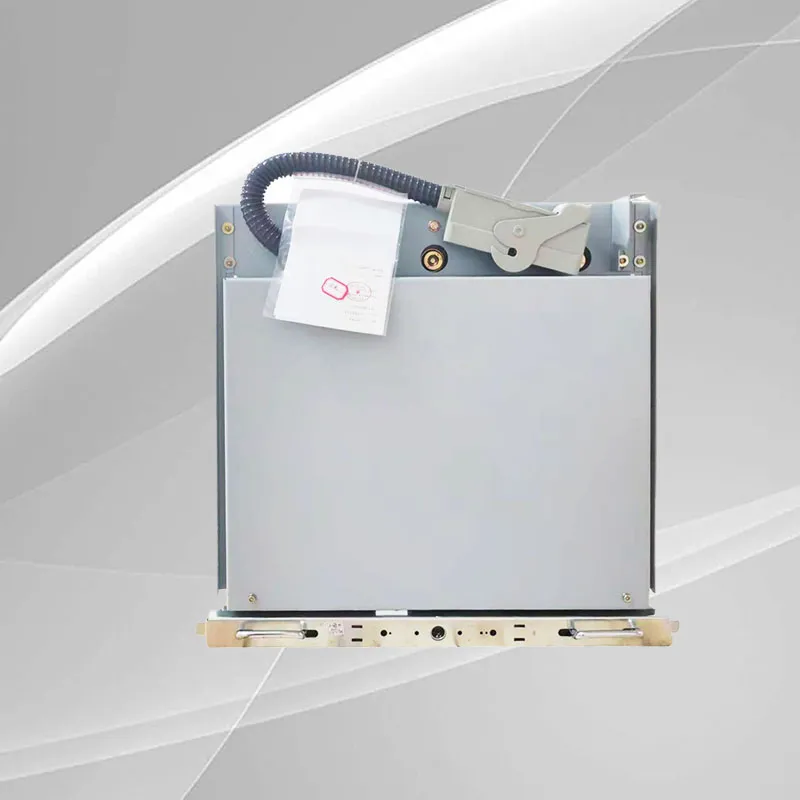 Withdrawable element for electricity metering with duck-type voltage transformers
-
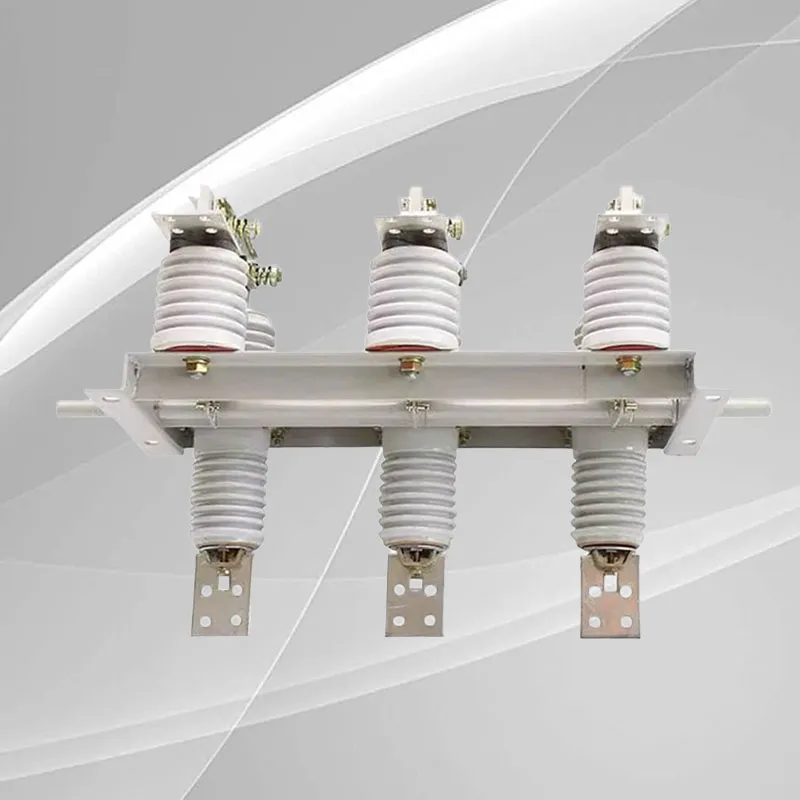 Internal high voltage disconnector type GN19-12C
-
 Ground Outdoor Waterproof Distribution Cabinet
-
 High voltage internal switch
-
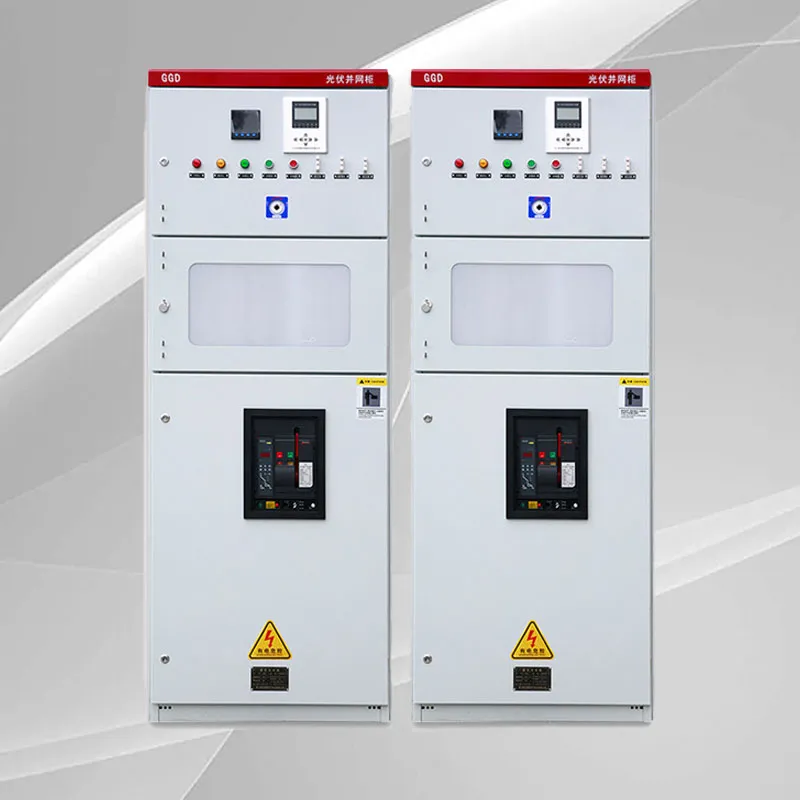 GGD cabinet for network connection of photovoltaic systems
-
 Transparent circuit breaker with plastic housing
-
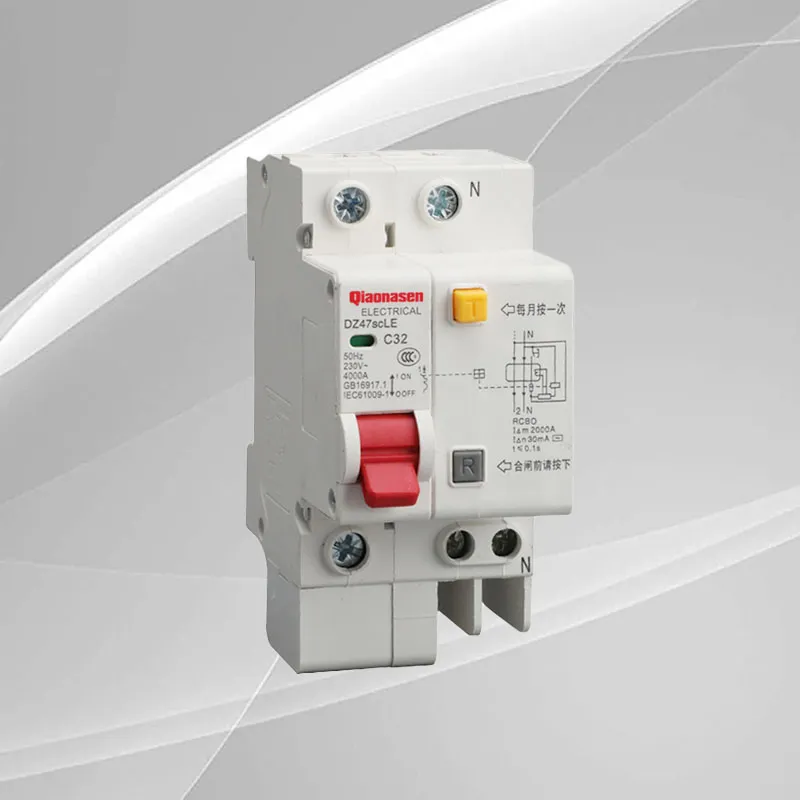 Residual current device with plastic housing
-
 Complete low voltage distribution board made of stainless steel
-
 Outdoor Waterproof Stainless Steel Switchboard
-
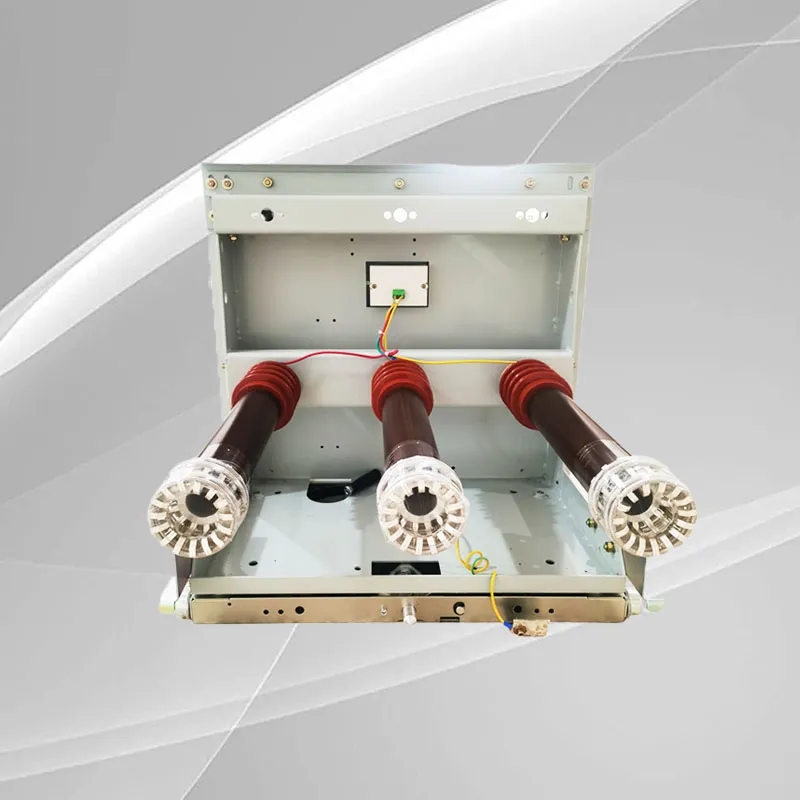 Withdrawable element for electricity metering with voltage check function



