


dry transformer loading
Dry transformer loading– this is not just a mechanical installation. Often, when it comes to installing a dry-type transformer, people think that it is a simple procedure - they brought it, installed it and that’s it. But, believe me, this is far from the case. Many problems arise precisely because of insufficient preparation and ignoring important nuances. In our practice, problems are most often associated with improper preparation of the base, insufficient qualifications of personnel, and, most importantly, with an incorrect assessment of the weight and dimensions of the equipment. I want to share some observations that, I hope, will help you avoid trouble. I won’t go into technical details; rather, I’ll tell you about typical mistakes and how we overcame them.
Site preparation: the basis for success
The first and perhaps most important stage is preparing the site for installationdry transformer. It sounds trivial, but many people neglect this point, which later turns into serious problems. The base must be perfectly level, support the weight of the transformer with a margin and be resistant to vibrations. We often encounter situations where the customer provides uneven concrete, an insufficiently strong foundation, or does not take into account the possibility of vibrations from neighboring equipment. This leads to deformation of the transformer housing, damage to the insulation and, ultimately, premature failure. This is especially critical for high power transformers. If the base does not meet the requirements, then even the most modern and high-quality transformer will not last long. The optimal solution is a reinforced concrete foundation designed for the maximum possible load. We often use special anchors to additionally secure the transformer to the foundation in order to minimize the risk of its displacement. In some cases, especially in open areas, a vibration isolation system is used.
It is important not only the quality of the foundation itself, but also its compliance with fire safety requirements. There must be a fire safety stand around the transformer, and the site must be equipped with fire extinguishing equipment. Sometimes questions arise regarding compliance with these requirements, especially when installing transformers in industrial premises. In these cases, it is necessary to carefully analyze the technical documentation and consult with fire safety specialists. We work closely with such specialists to ensure the safety of the entire installation and operation process.
Load calculation and equipment selection
Before you startloading a dry transformer, you need to carefully calculate its weight and dimensions. This is not only to ensure the correct selection of lifting equipment, but also to ensure safe transport and installation. Transformers are often ordered without paying attention to their weight and dimensions, which creates additional difficulties during installation. We always carefully check the technical documentation and compare the data with the data provided by the customer to avoid errors. If necessary, contact the manufacturer for additional information.
Difficulty arises if the transformer has non-standard dimensions or design. In such cases, special training and the use of specialized equipment are required. We often encounter situations where it is necessary to use cranes with increased lifting capacity or special equipment to move a transformer through a limited space. It is important to consider all factors and plan ahead for the lifting and installation process.
Sometimes the problem arises with the accuracy of weight measurement. Different methods may produce slightly different results. We always use multiple independent sources of information to confirm transformer weights to minimize the risk of error. This is especially important when working with high power transformers.
Lifting and moving process: safety first
The most important stage is lifting and movingdry transformerto the installation site. This requires the use of specialized equipment and qualified personnel. We always use cranes with the appropriate lifting capacity and ensure we have experienced operators. It is important to carefully plan the route of lifting and moving, taking into account all obstacles and restrictions. It is necessary to ensure the safety of others and prevent damage to equipment and buildings.
When lifting the transformer, it is necessary to use special slings and grips that securely fix its body. It is important to ensure that the lines are correctly distributed and do not create excessive stress on certain areas of the hull. We always use high-quality slings and regularly check their condition. When transporting over long distances, the transformer must be securely fastened to avoid displacement and damage.
It is important to consider weather conditions when lifting and moving the transformer. In conditions of strong wind or ice, it is necessary to suspend work and wait for the weather to improve. Staff safety must come first and it is not worth taking risks to complete a job on time.
Special cases: high power transformers and non-standard conditions
Lifting and installing high power transformers is always a difficult and responsible task. This requires the use of specialized equipment and experienced personnel. We often encounter situations where it is necessary to use cranes with maximum lifting capacity or special equipment to move a transformer through a limited space. Particular attention is paid to safety when lifting and moving such heavy equipment.
When installing a transformer in a confined space, such as a manufacturing facility, careful consideration must be given to logistics and the use of special equipment to move the transformer through narrow aisles. In such cases, trolleys with swivel wheels or special equipment for moving along stairs are often used. It is important to ensure the safety of personnel and prevent damage to equipment and buildings.
Unusual conditions, such as working in low temperatures or high humidity, also require special attention. The impact of these factors on the operation of the equipment must be taken into account and appropriate measures must be taken to ensure its safety. We use special coatings and protective materials to protect the transformer from aggressive environments.
After installation: testing and commissioning
After installationdry transformerCareful testing and commissioning must be carried out. This includes checking electrical connections, measuring insulation parameters and checking the operation of protective devices. We always carry out a comprehensive inspection of equipment to ensure its functionality and safety.
It is important to ensure that the transformer is connected to the electrical network correctly and in accordance with the technical documentation. Incorrect connections may result in equipment damage and hazardous situations. We use specialized equipment to test electrical connections and ensure they are secure.
It is also necessary to check the operation of the transformer cooling system and make sure that there are no oil leaks (although there is no oil in a dry transformer, there are other cooling systems). We use special sensors and tools to measure temperature and pressure in the cooling system. After successful testing and commissioning, the transformer can be put into operation.
Our specialists also train personnel in the operation and maintenance of the transformer to ensure its durability and reliability.
Experience and mistakes: what we learned from
Over the years of work in this field, we have accumulated a lot of experience and made many mistakes. One of the most common is underestimating the importance of site preparation. We have repeatedly encountered situations where, due to an uneven base or insufficient foundation strength, a transformer became deformed and failed. This required expensive repairs and equipment downtime.
Another common mistake is insufficient qualifications of personnel. Inexperienced installers may make mistakes when lifting and moving a transformer, which can result in personal injury and equipment damage. We always carefully check the qualifications of our personnel and provide training on safe operation of equipment.
We have also encountered situations where customers provided incomplete information about the transformer, for example, they did not indicate its weight and dimensions. This made planning the installation process difficult and led to additional costs. We always require customers to provide complete and accurate information about
Correspondingproducts
Related Products




Best Sellingproducts
Best Selling Products-
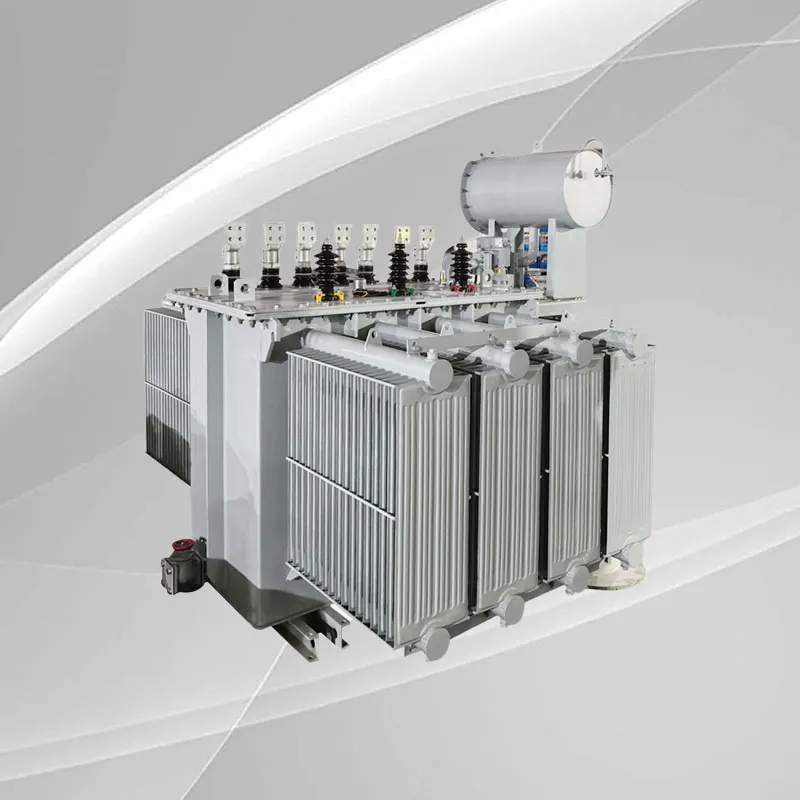 Oil transformer
-
 Complete low voltage distribution board made of stainless steel
-
 Outdoor Waterproof Stainless Steel Switchboard
-
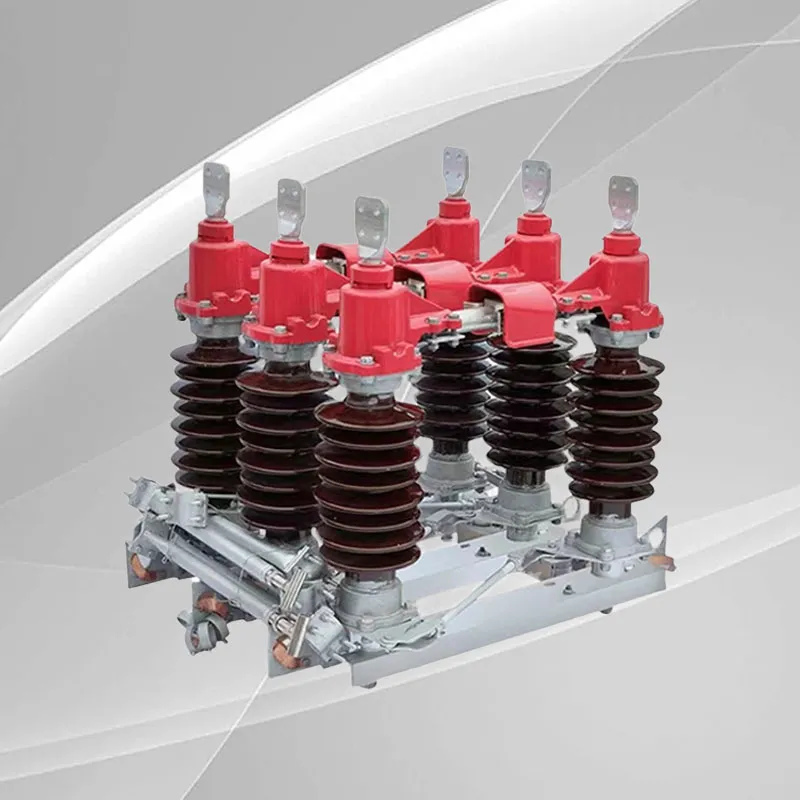 Outdoor high voltage isolating switch type GW4-40.5
-
 Complete high-voltage distribution cabinet KYN28A-12 with input and linear cells and instrument transformer compartment
-
 Metal Enclosed Stationary AC Switchgear XGN15-12
-
 external isolation switch
-
 Three-phase energy efficient transformer
-
 MBW1 series intelligent universal circuit breakers, three-pole fixed
-
 High voltage internal switch
-
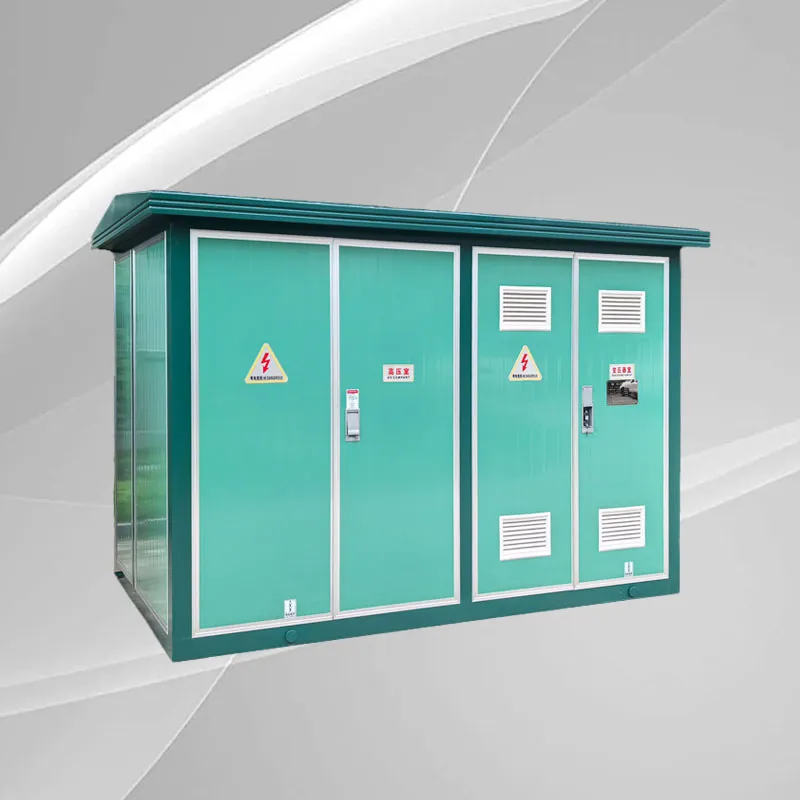 Complete outdoor transformer substation of European type
-
 Mine transformer BKC-150VA



