


elements of power transformers
Most aspiring engineers studyingpower transformers, concentrate on the windings - this is understandable, they are the key element. But other equally important components are often overlooked. In my opinion, this is a serious mistake that can lead to problems with the reliability and durability of the entire device. Over the years of working in this field, I have learned that even minor deficiencies in the operation of one of these elements can negatively affect the overall efficiency and safety of the transformer. Today I want to share some observations and experiences gained during the design and renovation processtransformersdifferent power.
Main components and their role
Before going into details, let's outline the mainelements of power transformers. This, of course, is a magnetic circuit, windings - primary and secondary, insulation, oil (or other dielectric for oil transformers), as well as various auxiliary parts: plugs, fuses, ventilation holes, and so on. Each of these parts performs its own specific function, and their interaction determines the overall performancetransformer.
The magnetic core is the basis of the transformer; it ensures the passage of magnetic flux. Typically made from electrical steel sheets to minimize hysteresis and eddy current losses. The quality of the steel, of course, plays a huge role, but the design of the magnetic circuit is also important - the thickness of the sheets, their location, the presence of gaps. An incorrectly designed magnetic circuit can lead to increased losses and overheating.
Insulation: The Subtle But Critical Element
Isolation inpower transformers– This is perhaps the most underestimated, but at the same time the most critical element. It provides electrical insulation between the windings, magnetic core and housing. Insulation is exposed to high temperatures, moisture and mechanical stress, so its selection and correct application is not an easy task. We have worked with transformers where poor quality insulation was initially used, and this led to premature failures. This resulted in significant costs for repairs and replacements, not to mention potential safety risks.
There are many types of insulation: oil, air, epoxy, polymer. Each type has its own advantages and disadvantages. For example, oil insulation provides good heat transfer and moisture protection, but requires regular maintenance and can be dangerous if it leaks. Air insulation is more environmentally friendly, but less efficient in terms of heat transfer. The choice of insulation type depends on many factors: transformer power, operating conditions, budget.
Transformer oil: a vital fluid
For oil transformers, oil is not just a dielectric, but also a coolant and an insulator. It provides insulation between the windings, removes heat from the core and windings, and protects against corrosion. The quality of the oil plays a huge role in the longevity of the transformer. The oil must be clean and free from impurities and moisture. Regular oil analysis can identify signs of wear and prevent serious problems.
We regularly analyze oil in our laboratory using various methods - measuring acid number, dielectric constant, moisture content. This allows us to monitor the condition of transformers and carry out preventive maintenance in a timely manner. For example, we encountered a case where, due to high moisture content, the oil lost its dielectric properties, which led to insulation breakdown. After changing the oil and carrying out repair work, the transformer worked like new again.
Installation problems and errors
Even the highest quality transformer can fail due to improper installation. For example, poor-quality grounding, incorrect connection of windings, insufficient ventilation - all this can lead to overheating, insulation breakdown and other serious problems. During installationtransformersThe manufacturer's instructions must be strictly followed and all safety requirements must be taken into account.
We often see how uncertified materials are used during installation or the rules of electrical installation work are violated. This is unacceptable as it can lead to serious consequences. We always recommend our customers to contact qualified specialists for installation and maintenancetransformers.
Incorrect installation of ventilation grilles
Incorrect installation of ventilation grilles, for example, their partial closing, leads to deterioration of heat dissipation and an increase in temperature in the transformer. This is especially true for high power transformers.
Insufficient chassis grounding
Poor or missing chassis grounding increases the risk of electrical shock and may result in equipment damage.
Use of low-quality connecting elements
Poor quality terminals, bolts and other connecting elements can lead to loose connections and sparking.
Conclusion
As I said at the beginning,elements of power transformersare inextricably linked. Ignoring any detail can lead to serious problems. Therefore, it is important to carefully approach the design, manufacture, installation and maintenance of transformers. Remember reliability and durabilitytransformerdepends on the quality of each of its components, from a small insulating thread to a powerful magnetic circuit. Wenzhou Qiaonasen Electrical Equipment Co.,Ltd specializes in high and low voltage transmission and distribution solutions and electrical control systems in the power equipment industry, and we are always ready to assist you in selecting and maintaining transformer equipment.
Wenzhou Qiaonasen Electrical Equipment Co.,Ltd– your reliable partner in the field of electrical equipment. More detailed information about our activities is available on the website:https://www.qnasen.ru
Correspondingproducts
Related Products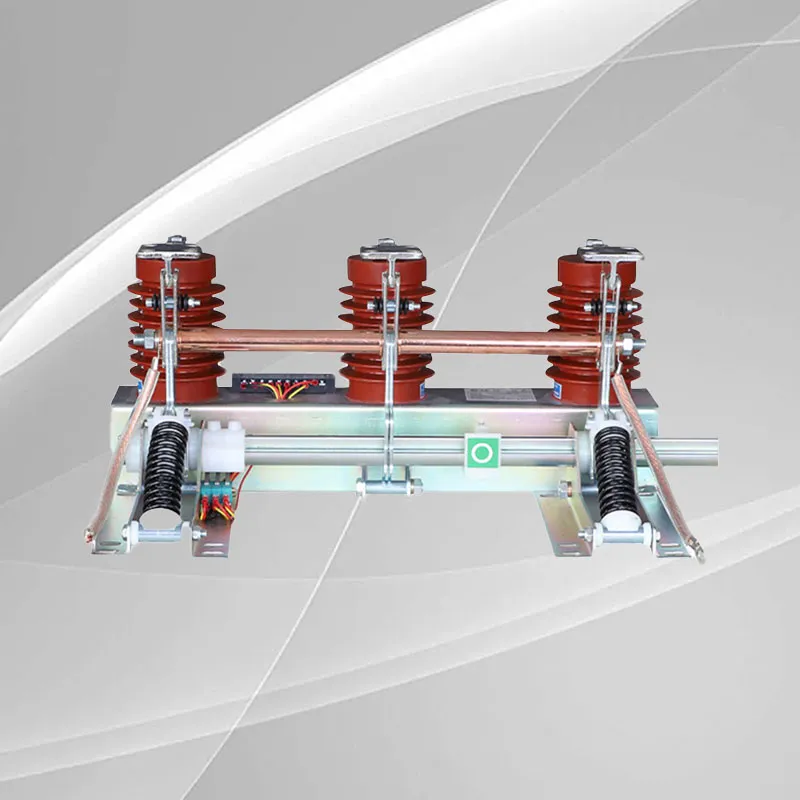



Best Sellingproducts
Best Selling Products-
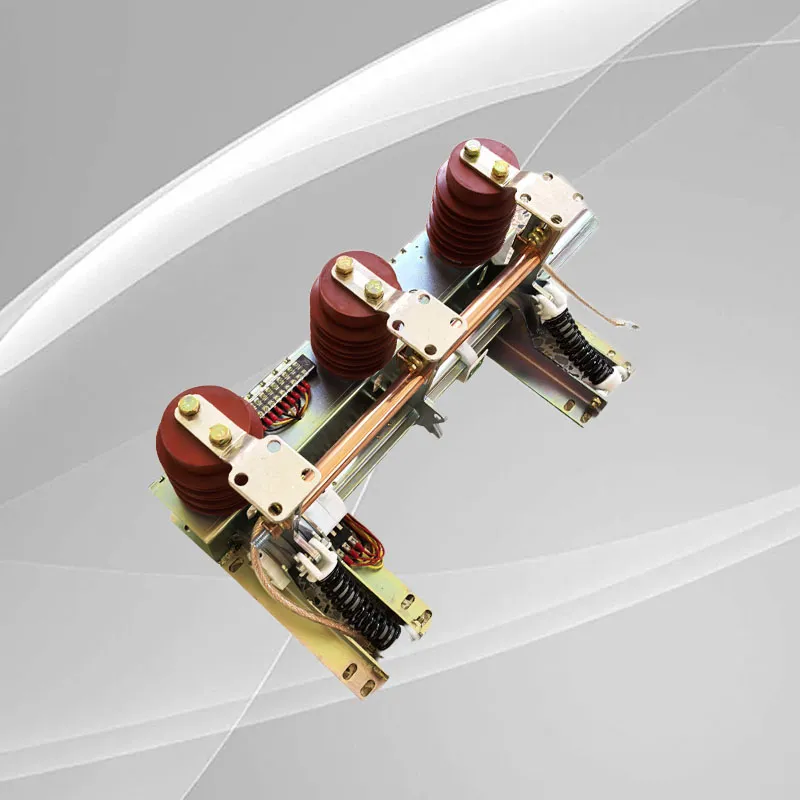 JN15-12-31.5 internal high voltage grounding switch
-
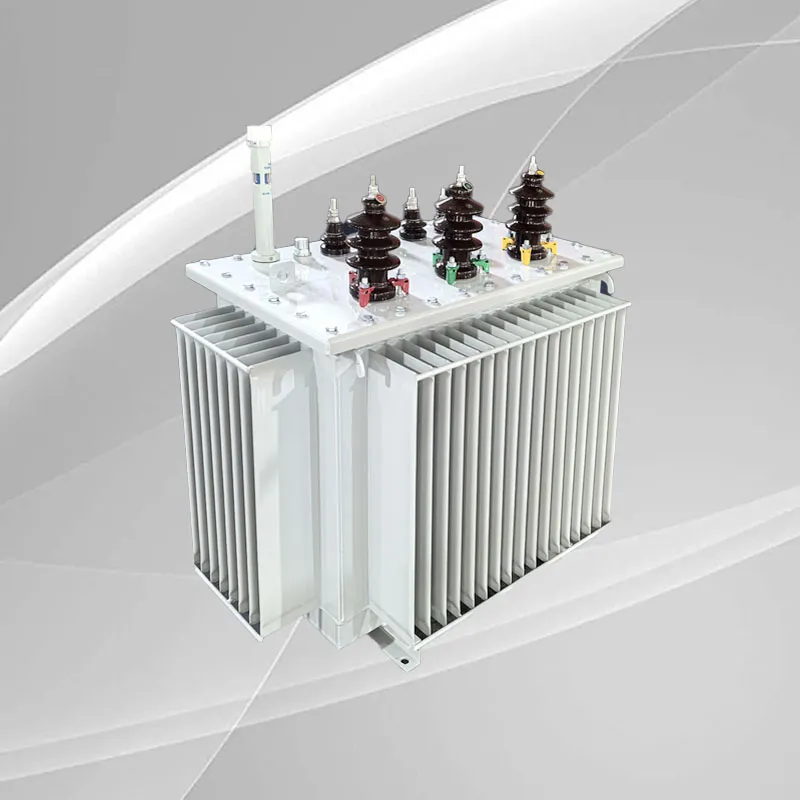 Oil power transformer
-
 Mine transformer BKC-150VA
-
 Ground Outdoor Waterproof Distribution Cabinet
-
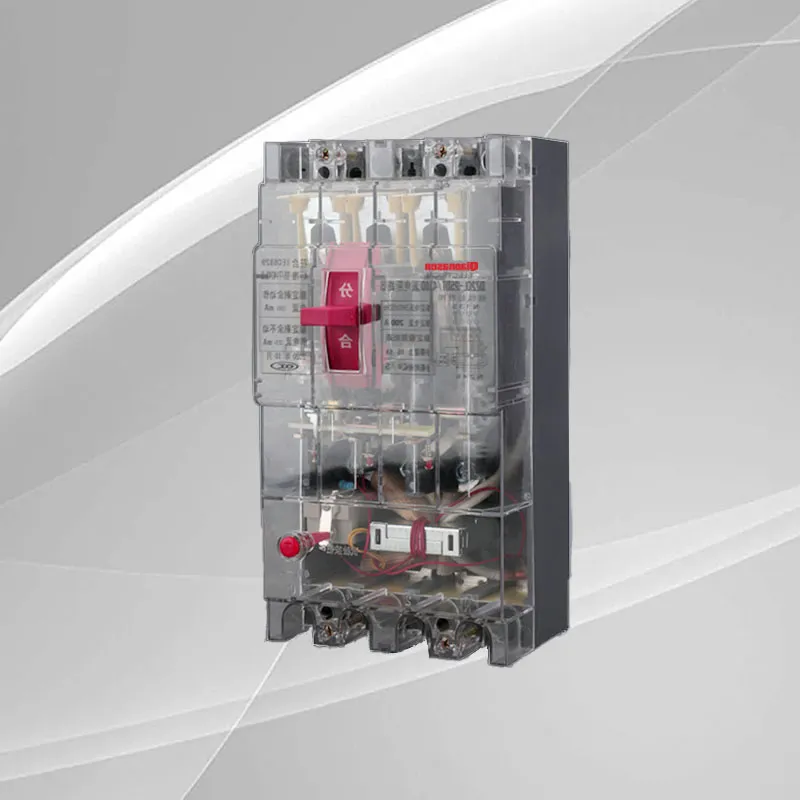 Circuit breaker with transparent plastic housing
-
 Withdrawable element for electricity metering
-
 Side vacuum switch
-
 external isolation switch
-
 Power distribution cabinet
-
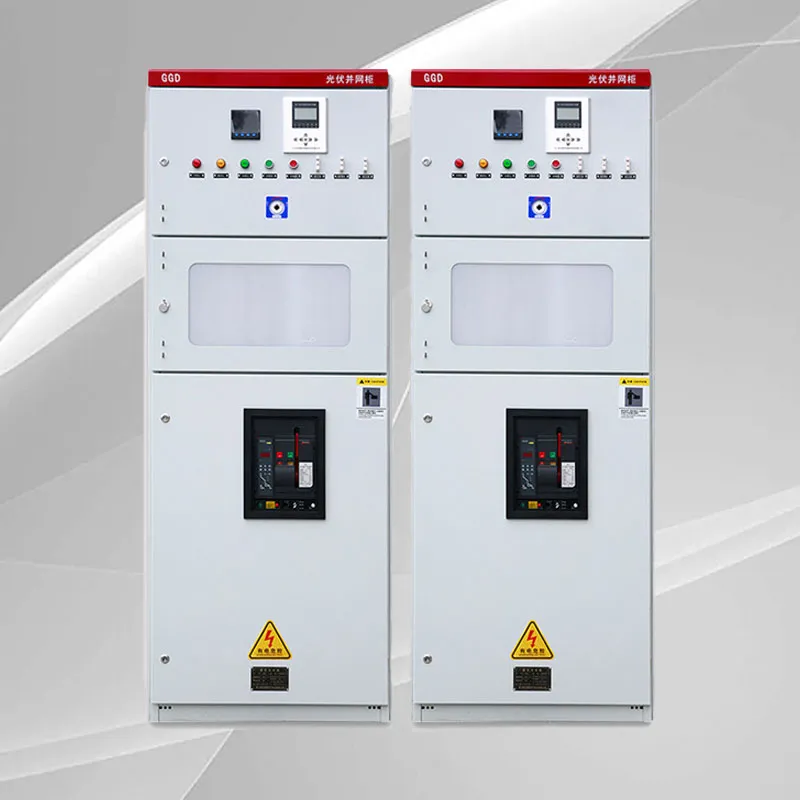 GGD cabinet for network connection of photovoltaic systems
-
 PT-12 Internal high voltage voltage transformer with withdrawable element
-
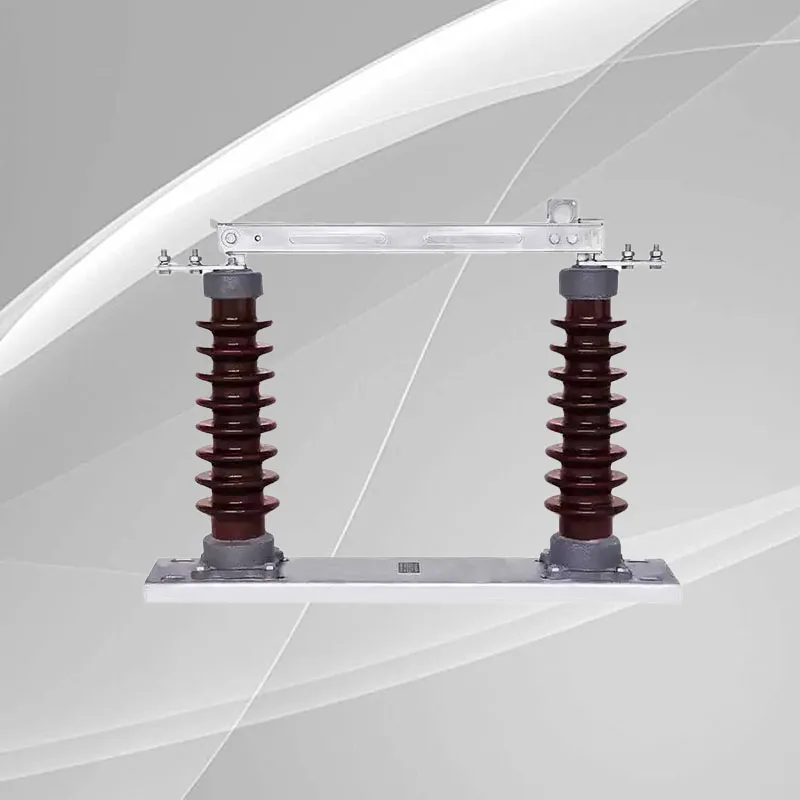 Outdoor high voltage disconnector type GW9
Relatedsearch
Related Search- circuit breaker 380 volt
- volume of power transformers
- equipment switchboard
- China power cable transformer main buyer
- inductance of power transformers
- dry transformer 400 kva price
- power distribution board
- China energy saving transformers oil transformers
- distribution board shrn 54 ip54
- rating of dry transformers



