


control of power transformers
All of us who work withpower transformers, have encountered one problem: diagnosing them seems to be a simple process. Measurements are taken, parameters are compared, and everything is clear. But in reality, as practice shows, there are plenty of pitfalls. Often, especially in a hurry, we focus on obvious things - voltages, currents, frequencies. But we forget about system failures, hidden defects, and long-term trends. It seems to me that many companies involved in the operation of electrical equipment underestimate the complexity of complexcontrol of power transformers. And this leads to unpleasant consequences.
Why is comprehensive control needed?
It’s not easy to fix the parameters – this is a minimum set. It's about understanding what's happening inside the transformer, predicting potential failures, and planning preventative maintenance. Otherwise, you end up working reactively—constantly putting out fires rather than preventing them. Goalcontrol of power transformers– not just identifying faults, but ensuring reliability and safety of energy supply.
This is especially true for transformers operating in difficult conditions - high load, variable temperatures, aggressive environment. Simple control of voltage and current cannot cope here. We need tools and techniques that allow us to 'see' what is not visible through visual inspection and standard measurements.
What to track? Monitoring options
There are several approaches tocontrol of power transformers. Traditional methods include periodic visual inspections, parameter measurements, and oil analysis. But they are not informative enough. Modern monitoring systems offer a much wider range of capabilities. For example, contactlesstemperature controlwindings, electromagnetic field analysis, vibration measurement.
We at Wenzhou Qiaonasen Electrical Equipment Co., Ltd. often encounter requests for the implementation of comprehensive monitoring systems. Customers understand that this is an investment in the future that will allow them to reduce equipment downtime, optimize maintenance costs and improve safety.
Non-contact winding temperature monitoring
This is perhaps one of the most effective ways to detect overloads and local overheating in the windings of a transformer. Unlike traditional thermocouples, non-contact sensors do not require direct contact with the windings, reducing the risk of insulation damage. We use systems based on thermal imagers and infrared sensors, which allow us to obtain an accurate temperature map over the entire surface of the winding.
We once had a case with a transformer working at a chemical plant. During regular inspections using a thermal imager, we discovered local overheating in one of the winding phases. This made it possible to quickly take measures to eliminate the cause of overheating and prevent possible damage to the transformer. Without contactless monitoring, we would most likely only discover the problem after the transformer failed. It would cost much more.
Electromagnetic field analysis
A change in the electromagnetic field is an early sign of many defects in a transformer - short circuits, broken branches, defects in insulation. Electromagnetic field analyzers can detect these changes at an early stage, when serious problems can still be prevented. But this requires certain qualifications and experience in interpreting data.
It is important to understand that simply measuring the amplitude of the electromagnetic field is not enough. We need waveform analysis, spectral analysis, and anomaly detection. This is why we recommend using monitoring systems with automatic data interpretation and notifications of critical situations. Such systems allow you to quickly respond to emerging problems and take measures to eliminate them.
Vibration control
Transformers are mechanical devices that are subject to vibration. A change in the nature of vibration may indicate defects in the windings, core, and bearings. Vibration sensors allow you to monitor vibration at various points in a transformer and identify anomalies.
The key point is to analyze the vibration frequency spectrum. This allows not only to identify the source of vibration, but also to assess the degree of its danger. We often use accelerometers and vibrometers to monitor vibration in transformers. The obtained data is analyzed using specialized software, which allows you to automatically detect anomalies and generate reports.
What problems arise in practice?
Often, systems implementationcontrol of power transformersstarts with good intentions but quickly runs into problems. For example, there is a lack of qualified personnel to work with modern equipment. Or lack of time to analyze data. Or resistance from specialists accustomed to traditional diagnostic methods. All this can lead to the fact that the monitoring system turns out to be just hardware that does not bring any benefit.
There is also a common problem with integrating the monitoring system with existing enterprise management systems. It is necessary to ensure data exchange between the monitoring system and the accounting system, maintenance planning system, etc. Without this, the effectiveness of the monitoring system will be limited.
What can be improved?
In my opinion, we need to move towards a more active and predictivecontrol of power transformers. Not just react to accidents, but predict them. This requires the use of more complex data analysis algorithms, the use of machine learning and artificial intelligence.
We must not forget about staff training. Specialists must be able to work with modern equipment, analyze data and make decisions based on the information received. Only then will the implementation of monitoring systems bring real benefits.
Our company, Wenzhou Qiaonasen Electrical Equipment Co., Ltd., is constantly working to improve its monitoring systems and offers a wide range of services for the design, implementation and maintenance of such systems. We try to take into account all the nuances of operating electrical equipment and offer individual solutions that meet the needs of each client.
Correspondingproducts
Related Products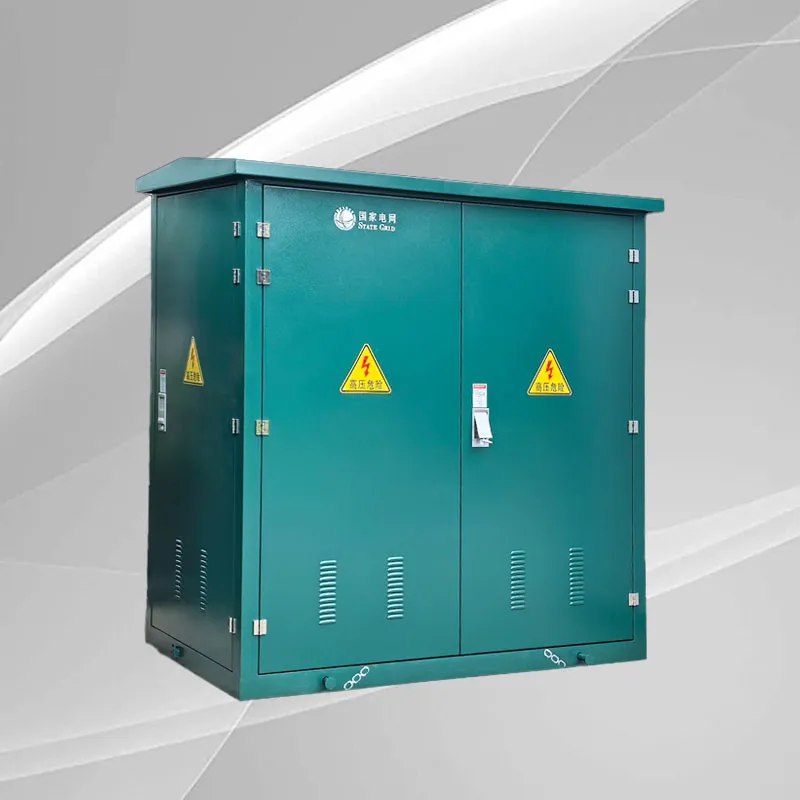
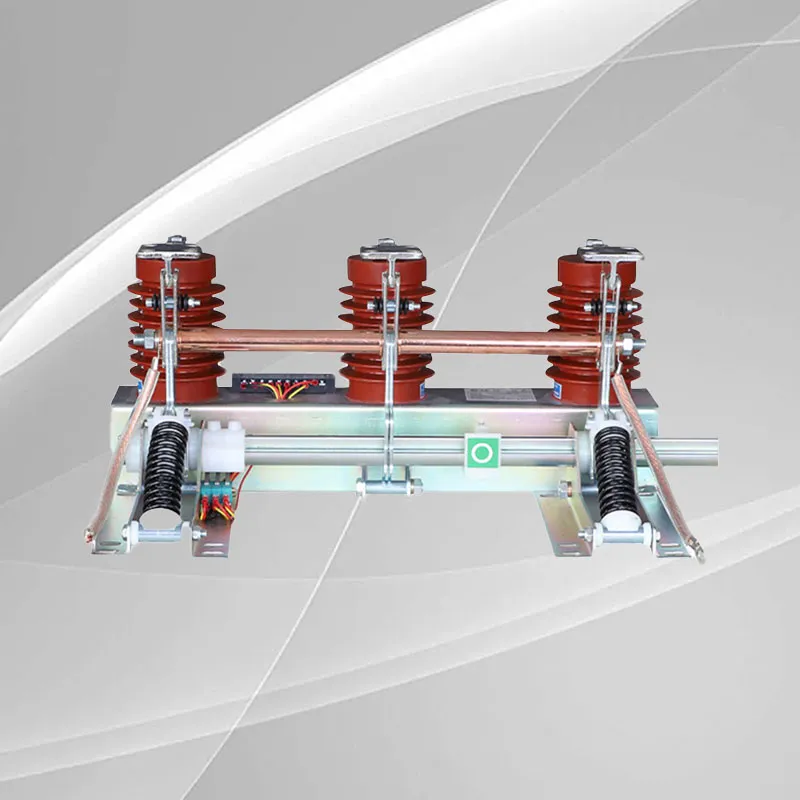

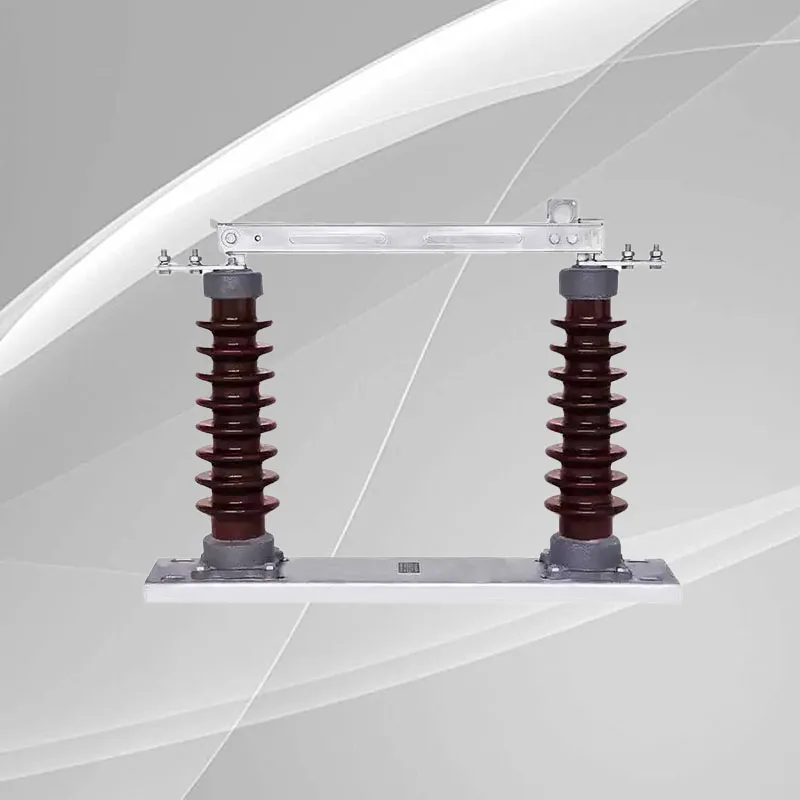
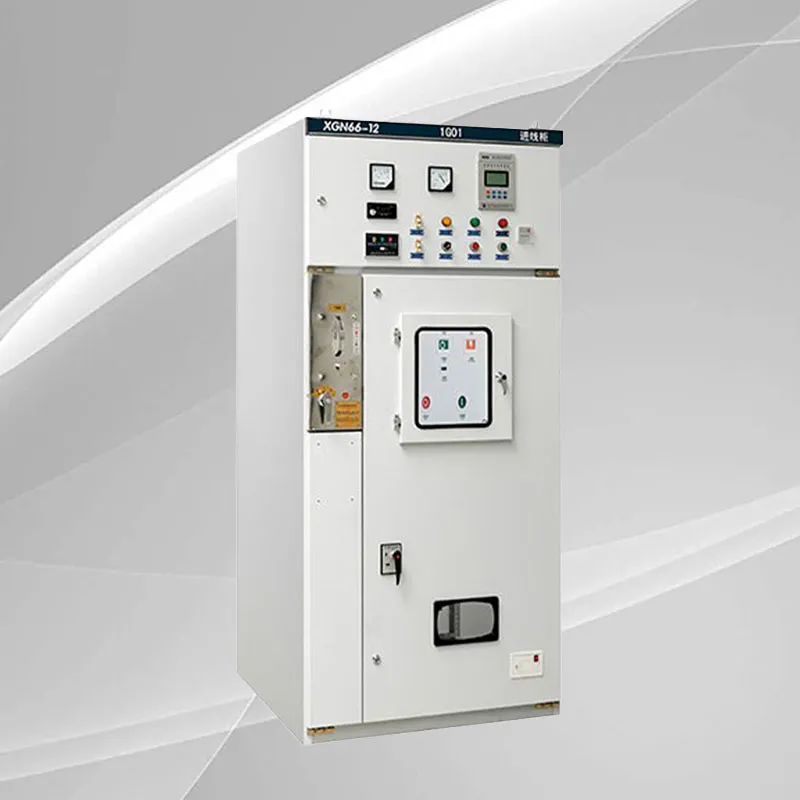

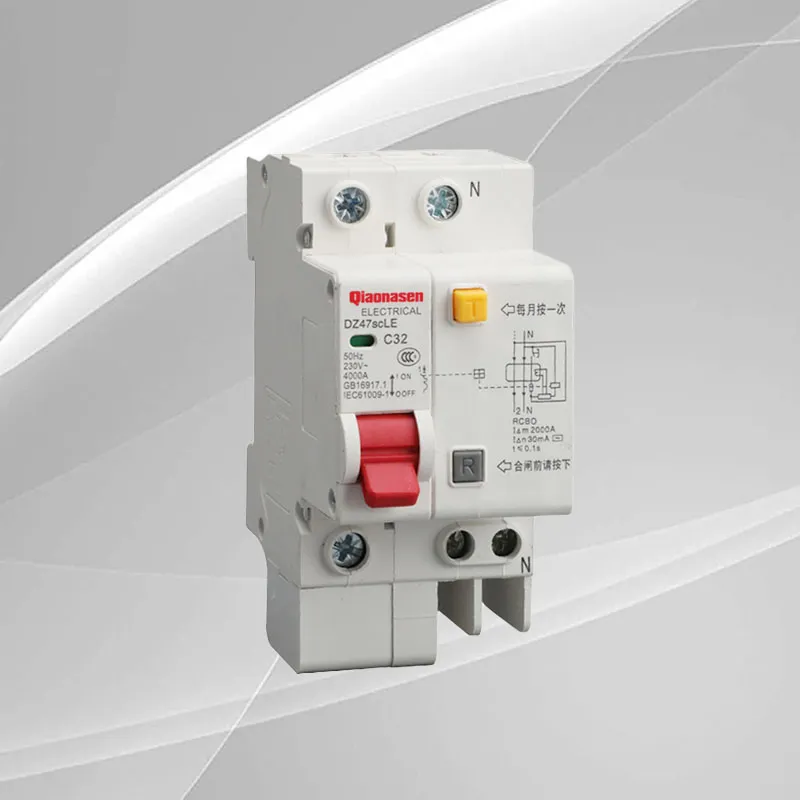
Best Sellingproducts
Best Selling Products-
 MBW1 series intelligent universal circuit breakers, three-pole fixed
-
 Internal high-voltage disconnector GN19-630A with double input and grounding contact
-
 external isolation switch
-
 High voltage internal switch
-
 Isolating circuit breaker HL30-125
-
 PT-12 Internal high voltage voltage transformer with withdrawable element
-
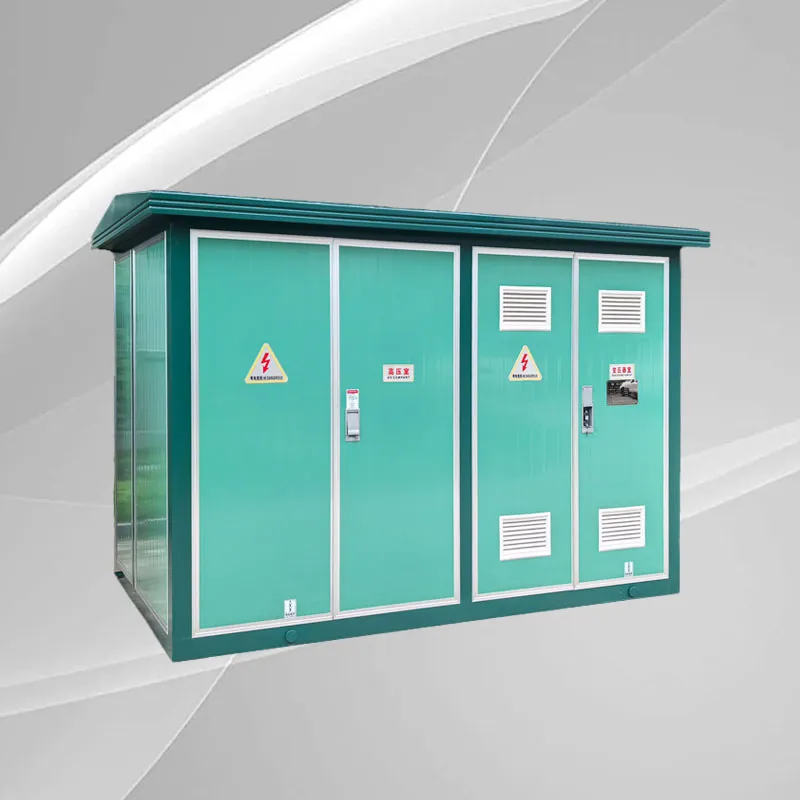 Complete outdoor transformer substation of European type
-
 KYN28A-12 Internal structure of medium voltage switch with metal armor
-
 Power distribution cabinet
-
 Withdrawable element for electricity metering
-
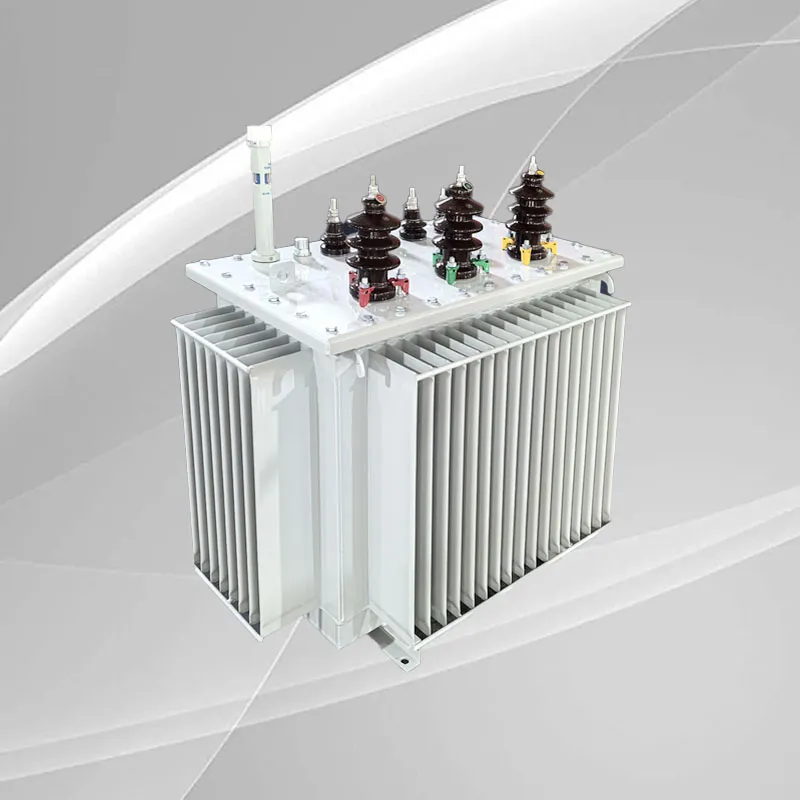 Oil power transformer
-
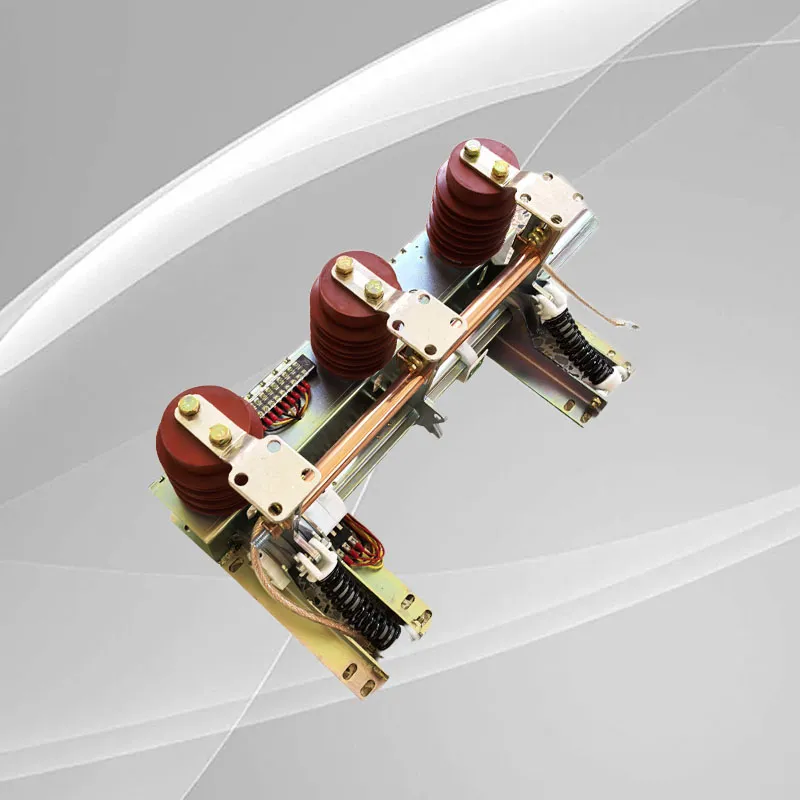 JN15-12-31.5 internal high voltage grounding switch
Relatedsearch
Related Search- modern power transformers
- LLC svel power transformers
- China dry transformer 10 0.4 kV main buyer
- Energy efficient transformers
- China Italian dry-type transformers main buyer
- circuit breaker nm1
- electrical distribution board
- power transformer plate
- buy power transformer 400 kva
- relay protection of power transformers



