


power transformer housing
It's always funny when clients come in with a clear idea of the look.power transformer housing, and forget about the requirements for heat dissipation, electrical safety and ease of installation. I often see situations where the emphasis is on beautiful design, and functionality, which determines the service life and reliability of the entire system, fades into the background. This, of course, is an understandable desire - the equipment should look presentable, especially if it is installed in public places. But I am confident that the right approach is a balance between aesthetics and engineering necessity. We will not talk about visual design, but about the practical side of the issue, how to properly design and manufacturepower transformer housing, so that it meets all requirements and does not become a bottleneck for all electrical equipment.
Why so much attention to the body?
The question may seem obvious - the housing protects the transformer from external influences. However, this is just the tip of the iceberg.Power transformer housingplays a key role in heat dissipation, ensuring efficient cooling of the windings. Considered to be goodpower transformer housingmust be not only durable, but also well ventilated to avoid overheating and extend the life of the insulation. An incorrectly designed housing can lead to rapid wear of the transformer and, in the worst case, a breakdown. In addition, the housing provides mechanical protection from mechanical damage, dust, moisture and other adverse factors. And, of course, it must meet safety requirements, providing protection against electric shock.
Heat dissipation: a key design parameter
The most common, and at the same time, the most interesting challenge is ensuring efficient heat dissipation. There is no universal solution here. It all depends on the power of the transformer, climatic conditions and cooling methods. Most often, natural or forced ventilation is used. With natural ventilation, the correct design of the housing and the location of the ventilation holes are important. Forced ventilation requires the use of fans and a well-designed duct system. We must not forget about the thermal conductivity of the housing material. We at Wenzhou Qiaonasen Electrical Equipment LLC often encounter situations where customers save on housing material, forgetting about its thermal conductivity. As a result, the transformer overheats, and 'savings' are much more expensive.
For example, we worked with a 300 kVA transformer for an industrial enterprise. Initially, a body made of thin profile steel was proposed, which made it possible to save on material. But after testing, it turned out that the housing did not remove heat effectively enough, and the temperature of the windings significantly exceeded the permissible values. I had to remake the case from thicker metal and add additional ventilation holes. This increased the cost of the project, but avoided serious problems in the future.
Electrical Safety: Not for conversation
Security is not just a formality, but a necessity.Power transformer housingmust be grounded and have reliable insulation. It is important to provide protection against accidental contact with live parts. Fuses or circuit breakers must be provided inside the housing to protect against short circuits. And, of course, it is necessary to ensure the housing is sealed to prevent moisture and dust from entering. Regular inspection and maintenance of the enclosure is also important to maintain its safety.
Materials: steel, cast iron and their features
The choice of housing material is another important design stage. Most often, steel or cast iron is used. Steel is lighter and cheaper, but less resistant to corrosion. Cast iron is stronger and more durable, but heavier and more expensive. The choice of material depends on the operating conditions of the transformer and the requirements for its reliability. In some cases, aluminum alloys are used, especially for transformers installed in dry rooms.
Steel: a common choice, but requires protection
Steel cases are the most common option. It is important to use steel with good corrosion resistance. Galvanized steel or powder coated steel is often used. Powder coating provides additional protection against corrosion and gives the body a more aesthetic appearance. You should not skimp on the quality of the coating, as it directly affects the service life of the case.
Cast iron: reliability and durability
Cast iron housings are a more expensive but more reliable solution. They have high strength and durability, and also dampen vibrations well. Cast iron housings are often used for transformers operating in harsh environments.
Errors in design and manufacturing
We encountered many errors in the design and manufacture of casespower transformers. One of the most common is insufficient attention to heat dissipation. Mistakes are also often made when choosing the material and design of ventilation holes. Another common mistake is improper installation of insulation and grounding.
Improper ventilation: a path to overheating
Improperly designed ventilation is a direct path to transformer overheating. Ventilation openings must be properly located and of sufficient area. It is important to consider the direction of air flow and use fans if natural ventilation is not sufficient.
Insufficient protection from moisture and dust
Moisture and dust getting inside the housing can lead to failure of the transformer. It is necessary to ensure the tightness of the housing and use seals on all connections. It is also important to provide filters to protect against dust.
In conclusion, I would like to emphasize once again that the design and manufacturepower transformer housing- This is not only a matter of aesthetics, but also a matter of reliability and safety. You should not save at this stage, as this can lead to serious problems in the future. Care must be taken in the choice of material, design and cooling method. Wenzhou Qiaonasen Electrical Equipment Co., Ltd. is always ready to help you solve these problems.
Correspondingproducts
Related Products



Best Sellingproducts
Best Selling Products-
 Complete ring distributor with JYSF6-12 full insulation and charging gas
-
 Molded Case Circuit Breaker (MCCB), 63A
-
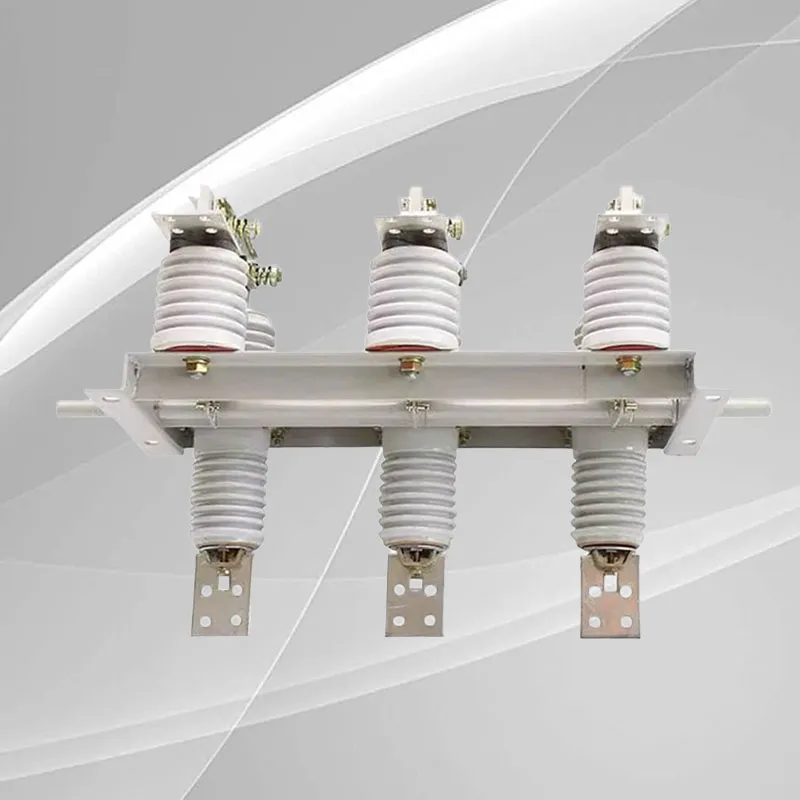 Internal high voltage disconnector type GN19-12C
-
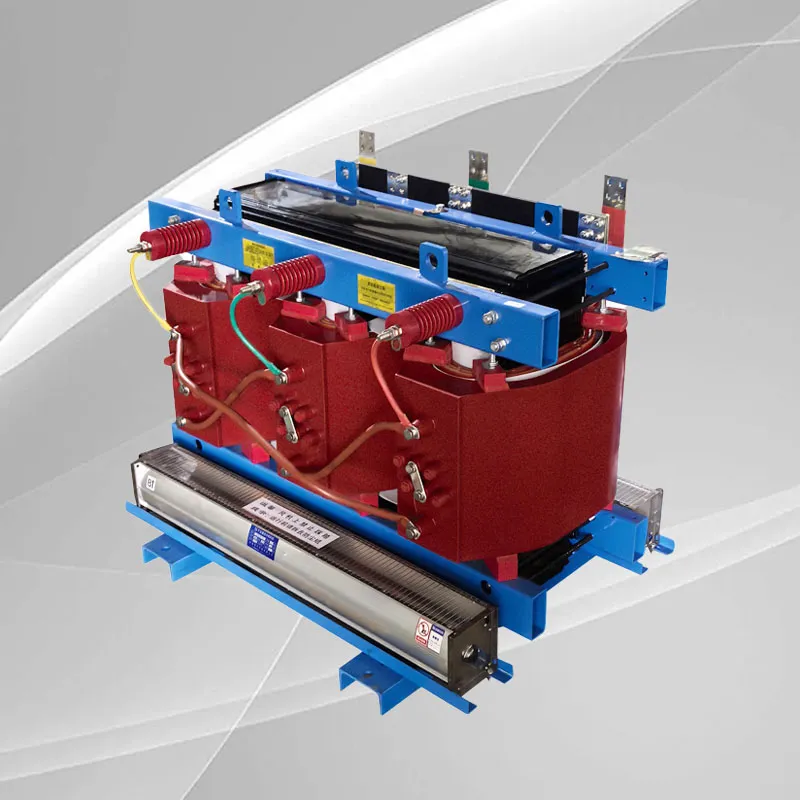 Dry transformer
-
 XGN66-1210KV High Voltage Ring Cabinet
-
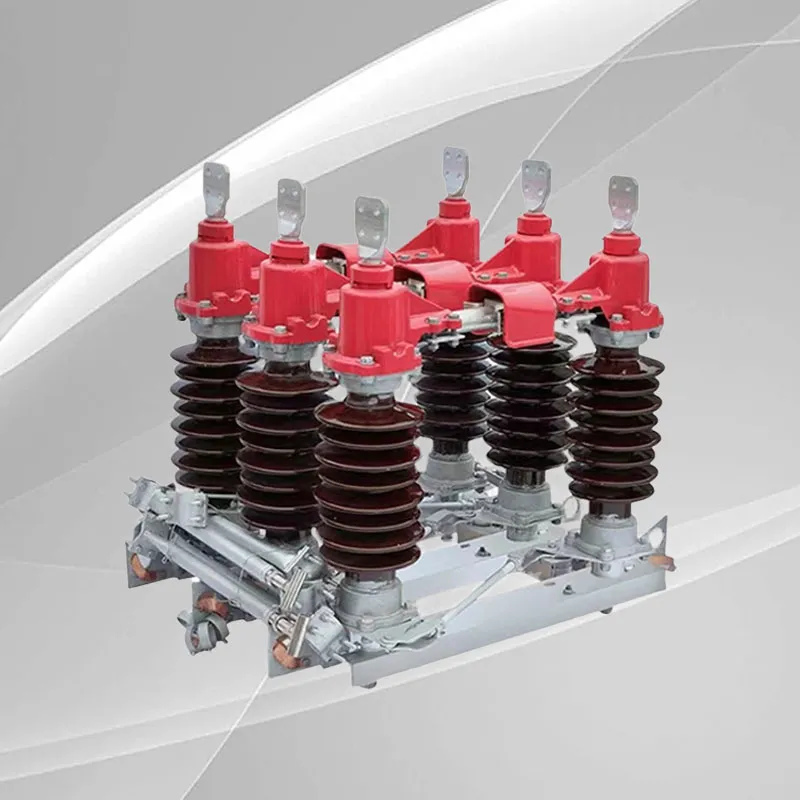 Outdoor high voltage isolating switch type GW4-40.5
-
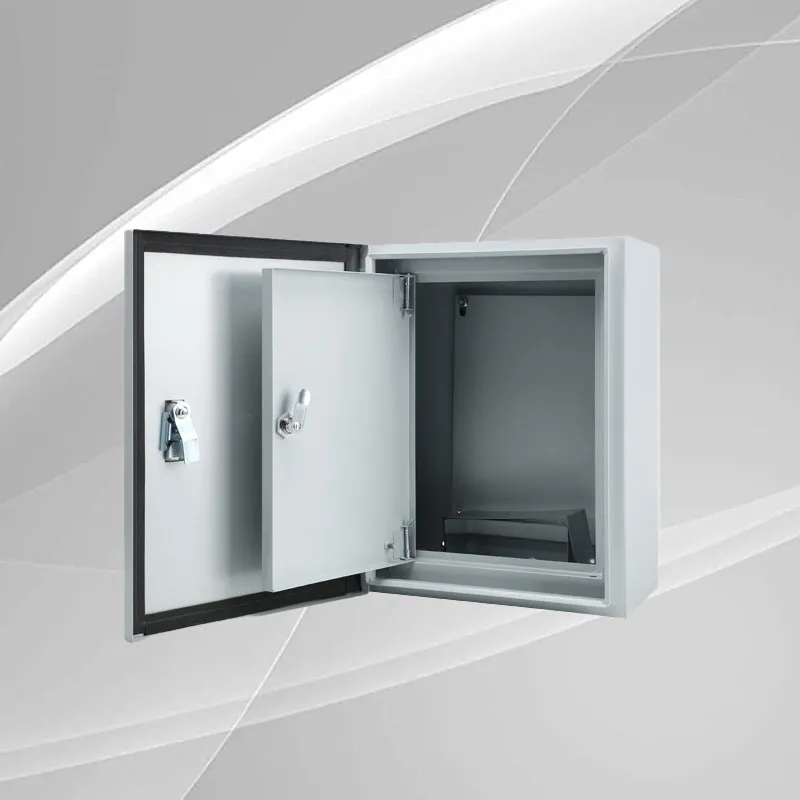 Indoor distribution cabinet with double door
-
 KYN28A-12 Internal structure of medium voltage switch with metal armor
-
 XGN15-12 AC High Voltage Ring Switchgear with Sulfur Hexafluoride
-
 Transparent Industrial Automatic Three Phase Four Wire Leakage Proof Switch
-
电动智能户外柱上高压真空断路分合闸开关.2.webp) ZW7-40.5 (side mounting) is an intelligent outdoor high-voltage vacuum circuit breaker with electric drive.
-
 Three-phase control transformer
Relatedsearch
Related Search- power transformer power kVA
- how much copper power transformer
- power transformers 110kv
- power transformers 220 kV
- China testing dry-type transformers main buyer
- China power transformer inspections
- distribution board schrn p 18
- automatic limit switch
- China step up power transformer
- power transformer 110 35 10 kV



