


power transformer magnetic circuit
Magnetic core of power transformer– this is, at first glance, a simple thing. Just iron. But as soon as you start delving into the details, you realize how delicate and important a part of the structure this is. Many believe that its task is only to provide a path for magnetic flux. This is true, but much more interesting is how to do this correctly to minimize losses and ensure reliable operation of the entire system. Over the years of working with these transformers, a lot of experience has accumulated, and I would like to share some thoughts that arose in the process.
Importance of material selectionmagnetic circuit
The first thing you need to start with is the choice of material. Electrical steel is usually used, but its different grades differ significantly in characteristics. In addition to the silicon content, the grain structure, the number of defects, and, of course, the heat treatment method play an important role. For example, I often encounter a situation where they choose the cheapest material, ignoring its magnetic properties and ability to withstand high temperatures. The result is increased losses inmagnetic circuit, overheating, and ultimately – failure of the transformer. At our company Wenzhou Qiaonasen Electrical Equipment LLC, we always try to use trusted suppliers with quality certificates to minimize such risks.
I remember one case when we had to disassemble a transformer that was operating under difficult conditions - high load, voltage surges. It turned out that the materialmagnetic circuitwas not designed for such loads. After a detailed analysis, it turned out that the grain structure was deformed under the influence of high temperatures, which led to an increase in hysteresis losses. Replacementmagnetic circuitto material with higher characteristics made it possible to significantly reduce losses and increase the reliability of the transformer.
Section influencemagnetic circuiton its characteristics
Correctly selected sectionmagnetic circuit– this is another important factor. A cross-section that is too small leads to saturation of the magnetic circuit under normal load, while a cross-section that is too large leads to excess weight and cost. Calculating the cross section requires taking into account many factors, including magnetic flux induction, network frequency, and the characteristics of the material used. This is not always obvious, and adjustments often have to be made in practice based on test results.
One day we designed a transformer, and the design cross-sectionmagnetic circuitseemed insufficient to us. We increased it, but this led to an increase in the size and weight of the transformer. As a result, we found a compromise solution - we increased the cross-section only in the most loaded areasmagnetic circuit, maintaining the optimal overall design. This approach reduced weight and cost without sacrificing reliability.
Problems with groovesmagnetic circuit
Groovesmagnetic circuit- these are the places where the windings are located. Their design and quality of processing have a significant impact on the performance of the transformer. Irregular shape of grooves, burrs, polishing defects - all this leads to increased resistance and, as a consequence, increased losses. In addition, it is necessary to ensure that the grooves are wide enough for the circulation of coolant or air.
There is often a problem with filling the groovesmagnetic circuit. If the grooves are clogged with grease residue or dirt, this will impair cooling and may lead to overheating. Therefore, it is important to maintain cleanliness when assembling the transformer. Wenzhou Qiaonasen Electrical Equipment Co., Ltd. pays special attention to cleaning and processing of groovesmagnetic circuitto ensure optimal cooling and minimize losses.
Grooving technologiesmagnetic circuit
There are various groove processing technologiesmagnetic circuitincluding milling, grinding, and polishing. The choice of technology depends on the materialmagnetic circuit, required accuracy and budget. Polishing the grooves reduces resistance and improves cooling. However, this is a more labor-intensive and expensive process.
We experimented with different groove processing technologiesmagnetic circuitto reduce losses in transformers. It turned out that combining milling and grinding allows one to achieve the optimal result - high precision and good cooling. This approach is now used in our new designs.
Coolingmagnetic circuitand its role in durability
Proper coolingmagnetic circuit– a critical factor for its longevity. Overheating leads to material degradationmagnetic circuitand a decrease in its magnetic properties. Cooling can be carried out in various ways - air, liquid, or using oil insulation. The choice of cooling method depends on the power of the transformer and operating conditions.
We often encounter situations where transformers overheat due to insufficient cooling. This is especially true for transformers operating in confined spaces or in high ambient temperatures. Therefore, it is important to pay special attention to the cooling systemmagnetic circuitwhen designing a transformer. Wenzhou Qiaonasen Electrical Equipment Co., Ltd. develops optimal cooling systems for each type of transformer, taking into account their characteristics.
Design influencemagnetic circuiton cooling efficiency
Constructionmagnetic circuitalso affects its cooling efficiency. For example, the use of ventilation ducts or radiators can improve air circulation and reduce temperaturesmagnetic circuit. It is also important to provide sufficient surface areamagnetic circuitfor heat removal.
In some cases, we used special coolant additives to increase its thermal conductivity. This made it possible to significantly reduce the temperaturemagnetic circuitand increase its reliability. However, it is necessary to carefully select additives so as not to damage the winding insulation.
In conclusion, I want to say thatpower transformer magnetic circuit- This is a complex and multifaceted design. The correct choice of material, cross-section, and groove processing technology, as well as an effective cooling system, is the key to durable and reliable operation of the transformer. And although everything seems simple in theory, in practice there are always nuances, and the accumulated experience and understanding of the design is crucial.
Correspondingproducts
Related Products




Best Sellingproducts
Best Selling Products-
 Outdoor Waterproof Stainless Steel Switchboard
-
 Outdoor distribution board
-
 Molded Case Circuit Breaker (MCCB), 63A
-
 Withdrawable element for electricity metering with duck-type voltage transformers
-
 Rotating internal high voltage disconnector
-
 Ground Outdoor Waterproof Distribution Cabinet
-
 Oil transformer
-
 High voltage ring cabinet XGN66-12/10kV
-
 Outdoor Single Phase Waterproof Transparent Plastic Electricity Meter Shield
-
 Outdoor high voltage disconnector type GW9
-
 High voltage internal switch
-
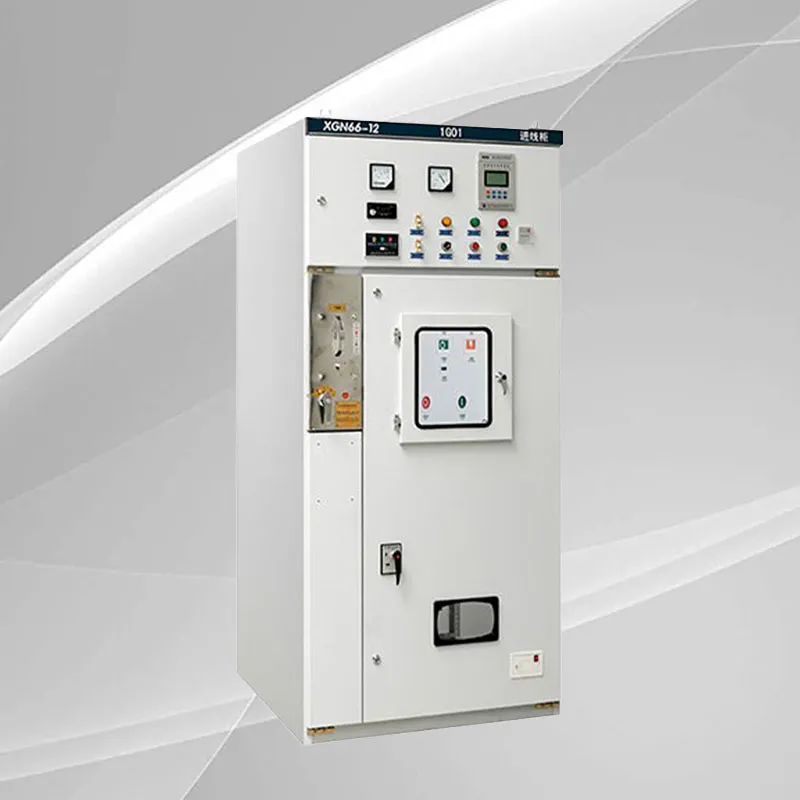 Fixed enclosed switchgear XGN66-12(Z)
Relatedsearch
Related Search- electronic power transformer
- distribution board 36z
- dry transformer 1250 kva
- ZW20-12 series outdoor high voltage vacuum circuit breaker
- automatic circuit breakers standard
- dry transformers 1000
- circuit breaker 1p 32a
- China dry type transformer loading
- circuit breaker rated current 16a
- automatic switches two-pole 32a



