


dry transformers 1000
Dry transformers 1000 kVAis a seemingly simple term. But believe me, behind it lies a whole world of subtleties and decisions that are often forgotten or underestimated. People are looking for reliability, durability, safety compliance, and often just trying to choose the 'cheapest' option. And this is where the problems begin. After all, saving on quality ultimately costs much more, especially when it comes to equipment that operates 24/7.
Review: What you need to know about 1000 kVA dry-type transformers
In short, we are talking about transformers that do not require the use of oil for cooling. This immediately imposes certain restrictions and provides its own advantages.Dry transformersare used where the use of oil is excluded - for example, in rooms with increased fire safety requirements, in laboratories, hospitals, shopping centers. An important parameter is, of course, power - in this case, 1000 kVA allows you to power significant loads. However, simply specifying the power is not enough. Characteristics such as insulation class, power losses, inrush currents, as well as compliance with all regulatory requirements (PUE, etc.) are critically important.
Types of cooling of dry-type transformers
The main task is heat removal. There are different cooling systems: natural ventilation, forced ventilation, and even using refrigerants. Natural ventilation is suitable for relatively small capacities and a favorable microclimate. Forced, with the help of fans, allows you to increase power and work in more difficult conditions. The use of refrigerants is rather an exception, used in very specific cases where extreme cooling is required.
I remember one time when we were installingdry transformerfor a new shopping center. The customer chose the option with natural ventilation, focusing on low cost. But in the end, due to the high load and poor heat exchange in the room, the transformer constantly overheated. We had to redo the ventilation system and, unfortunately, this required additional costs and time. This experience has shown that saving on cooling is not always profitable.
Housing materials and design
Housingdry transformermust provide reliable protection from external influences - dust, moisture, mechanical damage. Most often, steel cases with anti-corrosion coating are used. It is important to pay attention to the quality of the insulation - it must meet the voltage and temperature requirements. Various materials are used for windings - copper, aluminum. The choice of material depends on performance and cost requirements.
In recent years, transformers with improved insulation characteristics, for example using epoxy resins, have become increasingly popular. They are more resistant to overheating and have a longer service life. But, again, the price of such transformers is higher.
Problems when operating dry-type transformers
Dry transformersless susceptible to failure due to oil, but they have their own characteristics. One of the most common problems is overheating. This may be due to insufficient ventilation, high load, or incorrect choice of cooling system. It is also important to monitor the condition of the insulation and carry out timely diagnostics. We must not forget about vibrations - they can lead to loose connections and damage to equipment.
Diagnostics and maintenance
Regular diagnostics are the key to long and uninterrupted operationdry transformer. It is necessary to monitor the temperature of the windings, the condition of the insulation, and the level of vibrations. It is recommended to carry out periodic inspections of the housing and connections. It is also important to comply with fire safety regulations and ensure access to the transformer for maintenance.
We often encounter situations where customers forget about the need for regular maintenance. As a result, small problems accumulate and lead to serious accidents. Therefore, I strongly recommend concluding a maintenance contract with a qualified company. It's not just an expense, it's an investment in the reliability and security of your electrical grid.
Features of choicedry transformerfor various tasks
The choice of power, insulation class and other parameters of the transformer depends on the specific task. For small loads, a naturally ventilated transformer may be sufficient, but for larger loads, forced ventilation or even refrigerant cooling may be necessary. It is important to consider not only the current load, but also possible growth in the future. It is recommended to provide a small power reserve to avoid overloading the transformer.
When choosing a transformer, you must also consider safety requirements and regulatory compliance. In some cases, it is necessary to install surge and short circuit protection devices. It is also necessary to ensure that there are certificates of quality and compliance.
Case studies
In one of the projects we installeddry transformer 1000 kVAto the production workshop, where there was high dust and vibration. To solve this problem, we used a transformer with a reinforced housing and a forced ventilation system. This allowed us to ensure reliable operation of the equipment and avoid breakdowns.
In another case, we were faced with the problem of a transformer overheating in a room with poor ventilation. We had to redesign the ventilation system and install additional fans. As a result, it was possible to reduce the temperature of the windings and prevent failure of the transformer.
Conclusion
Dry transformers 1000 kVAis a reliable and efficient solution for power transmission and distribution in various industries. However, when selecting and operating such transformers, it is necessary to take into account a number of features. It is important to select the correct parameters, ensure a reliable cooling system and carry out regular maintenance. Only in this case can the durability and uninterrupted operation of the equipment be guaranteed.
Wenzhou Qiaonasen Electrical Equipment Co., Ltd. specializes in the supply and installation of dry-type transformers of various capacities. We offer a wide selection of models from leading manufacturers and guarantee high quality products and professional service. More detailed information can be found on our website:https://www.qnasen.ru. If you have any questions, please contact us.
Correspondingproducts
Related Products



Best Sellingproducts
Best Selling Products-
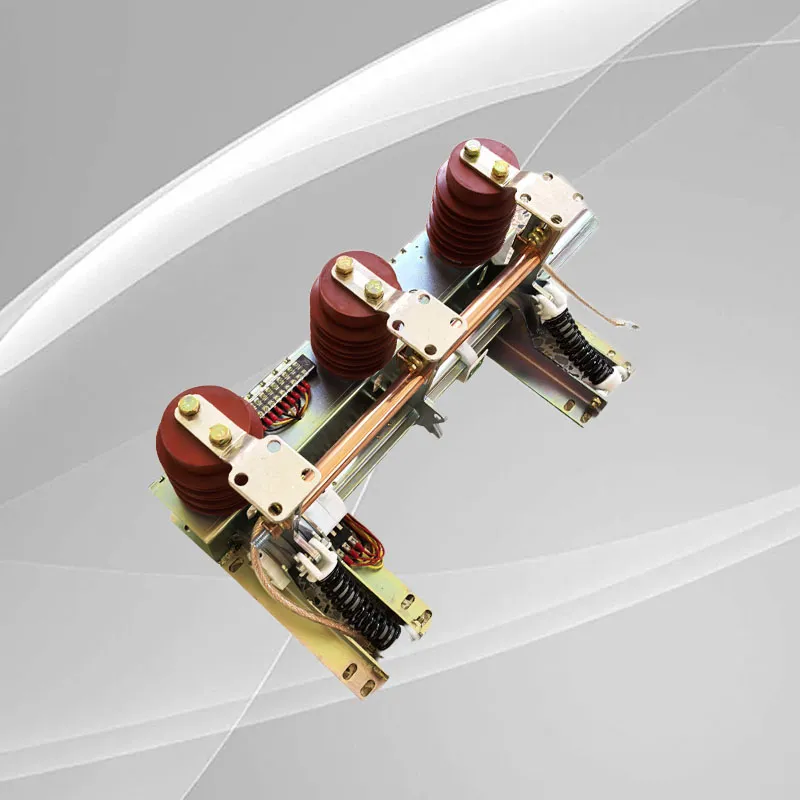 JN15-12-31.5 internal high voltage grounding switch
-
 JYSF6-12 fully insulated gas-filled ring distribution device
-
 Complete high-voltage distribution cabinet KYN28A-12 with input and linear cells and instrument transformer compartment
-
 MBM1 is a circuit breaker in a plastic case with short circuit and overload protection.
-
 Low-voltage withdrawable switchgears MNS
-
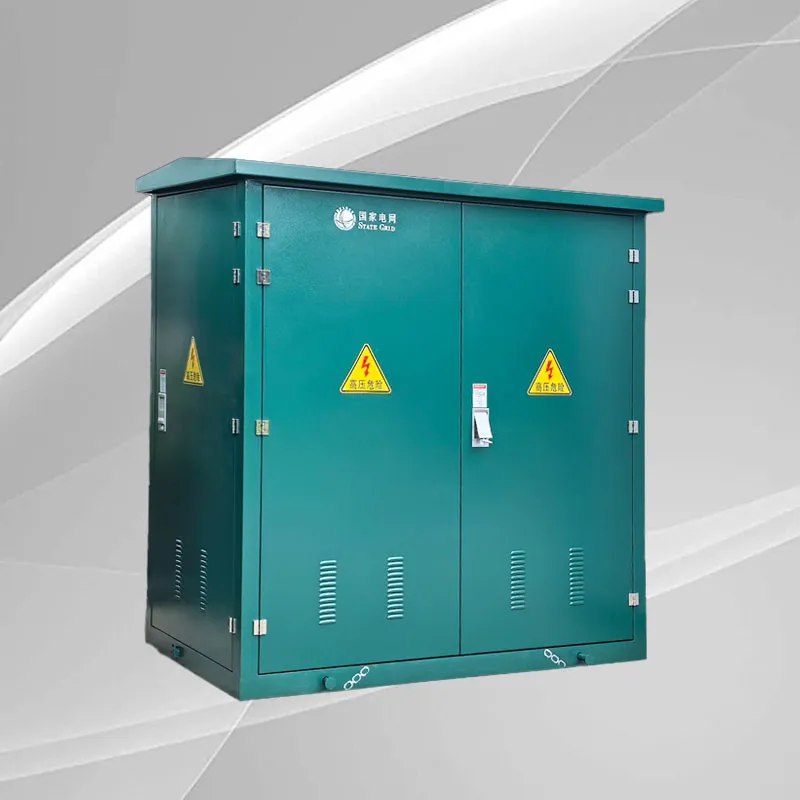 High voltage ring distribution cabinet
-
 Complete ring distributor with JYSF6-12 full insulation and charging gas
-
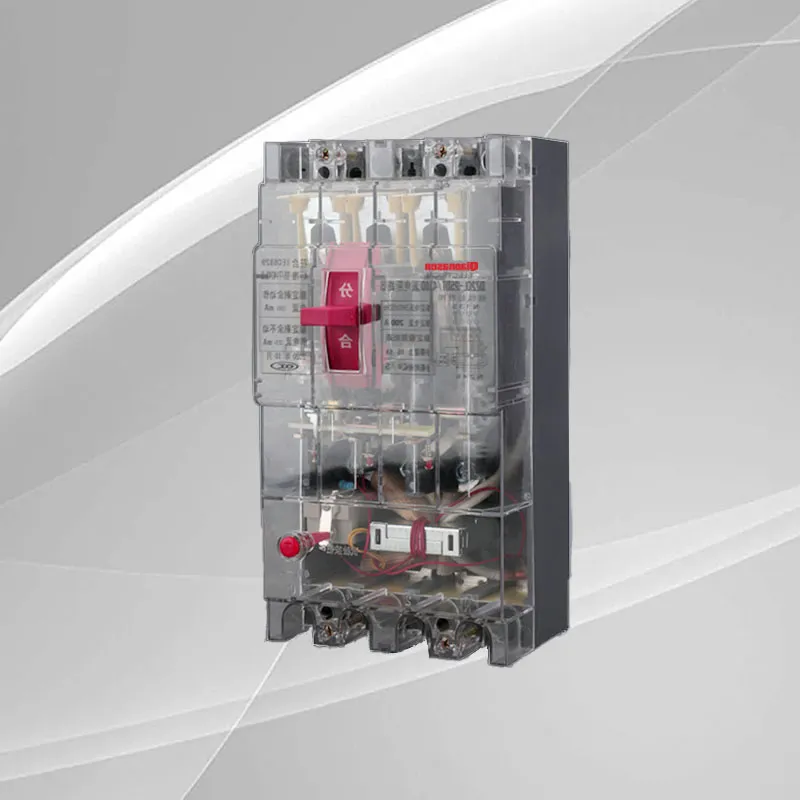 Circuit breaker with transparent plastic housing
-
 Rotating internal high voltage disconnector
-
 Internal power distribution cabinet
-
 Outdoor distribution board
-
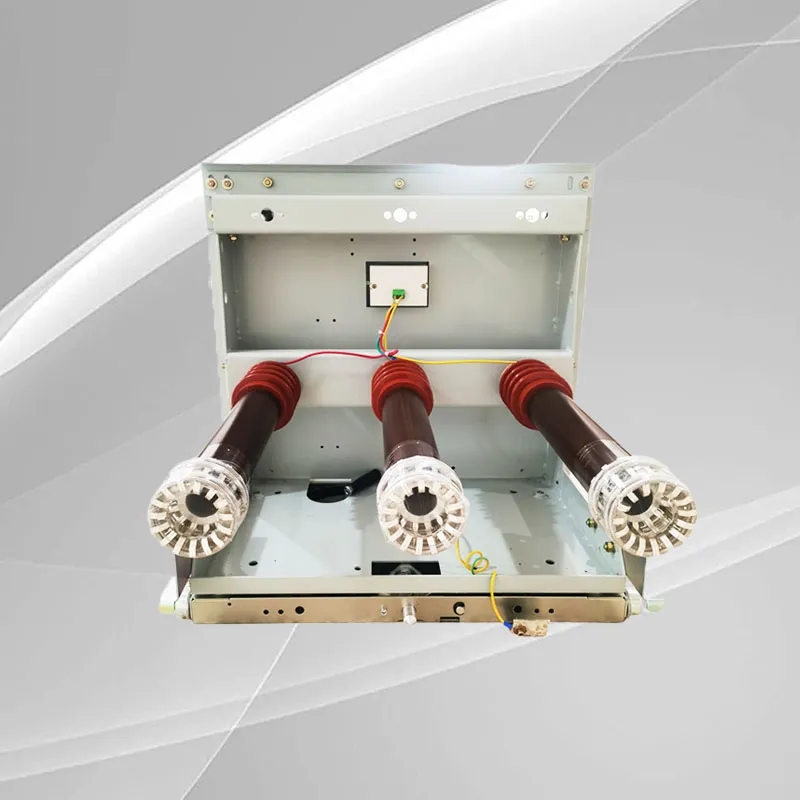 Withdrawable element for electricity metering with voltage check function
Relatedsearch
Related Search- circuit breaker iek va88 35 250a
- dry transformer 3200 kva
- power transformer conclusion
- China decoding of dry-type transformers
- Fixed circuit breaker
- distribution board abb mistral65
- machine control transformer
- Side design of internal high voltage vacuum circuit breaker
- distribution board ekf schrn 12 ip31
- circuit breaker 630a keaz



