


LV winding of dry transformer
Dry transformers... It would seem a simple device. But, if you dig deeper, you will discover a whole layer of subtleties, especially when it comes toLV winding. I often encounter situations where people underestimate the importance of correct winding technology, thinking that they just wrapped it and everything is ready. This is, to put it mildly, misleading. Recently we encountered a serious problem on one of the projects, where, as it turned out, errors inlow voltage windingled to premature failure of the transformer. In this article I will share my experience, seen in practice, and talk about things that are rarely discussed in documentation.
General notes on the manufacture of dry transformer windings
Let's start with the basics. During productionLV windings of a dry transformer, like any other, it is important to consider many factors. It's not just about winding wire around a core. It all starts with the right choice of material - copper, of course, but also its cross-section and insulation. Do not always rely only on the rated current. It is important to consider permissible overloads and temperature conditions. In general, recently there has been a tendency to use thinner copper wire, which allows increasing the current density and reducing the size of the winding, but also requires more careful control of the quality of the winding.
Another important point is the correct preparation of the wire. It should be perfectly smooth, without damage or dirt. Otherwise, you may experience unpredictable problems with bandwidth and connection reliability. We always use special wire cleaners and also strictly monitor the humidity of the working environment. This seems like a small thing, but the durability of the entire transformer depends on it.
Problems arising when winding LV windings
This is where the fun begins. Most often we encounter problems associated with winding overheating. This can be caused by several factors: incorrect calculation of the wire cross-section, poor insulation, poor-quality winding, or, as I already mentioned, overloads. This is especially true for transformers operating in conditions of high humidity or high temperatures. We use special winding cooling methods such as the use of air ducts or even liquid cooling in particularly demanding cases. For example, in transformers for solar power plants this becomes a necessity.
Another common problem is the loss of insulation integrity. This can lead to a short circuit and failure of the transformer. To avoid this, we carefully check the winding insulation after each winding step. We use special instruments to measure insulation resistance and graphic control methods. Recently, on one of the projects, an ultrasonic quality control method was used, this made it possible to identify microcracks in the insulation that were not noticeable with traditional methods.
Experience with different types of windings
We work with various typeslow voltage windings– single-phase, three-phase, with different winding connection schemes. Each type has its own characteristics and requires its own approach to manufacturing. For example, when manufacturing a three-phase winding, it is important to ensure an even load on all three phases. Otherwise, you can get phase imbalance and reduce the efficiency of the transformer. To do this, we use special programs to calculate and control the quality of winding.
I would especially like to note the work with windings made on frame cores. They are more resistant to mechanical stress, but require more careful preparation and installation. It is important to properly secure the winding to the core to avoid deformation and damage to the insulation. We use special clamps and adhesives that ensure reliable fastening of the winding. Wenzhou Qiaonasen Electrical Equipment Co.,Ltd specializes in such complex solutions.
Modern technologies and materials
Recently, there has been a tendency towards the use of new materials and technologies in the manufactureLV windings of a dry transformer. For example, new types of insulating materials have emerged with increased heat and chemical resistance. The direction of using nanotechnology to improve insulation properties and reduce energy losses is also actively developing. We constantly monitor innovations in this area and implement them into our production practice.
Recently we tried using special epoxy resins to fill the windings. Theoretically, this should increase their protection from moisture and mechanical damage. But, unfortunately, in practice we encountered problems with curing the resin. Cracks and defects formed, which reduced the quality of the insulation. As a result, we returned to traditional methods of filling the windings with oil. Although, I think, in the future the technology of pouring epoxy resins will become more advanced and accessible.
Conclusion
As you can see, makingLV windings of a dry transformer– this is not an easy task, requiring experience, knowledge and constant quality control. The importance of every detail cannot be underestimated. Otherwise, you may encounter serious problems that will lead to premature failure of the transformer. Wenzhou Qiaonasen Electrical Equipment Co.,Ltd always strives for excellence in its work and uses the most advanced technologies and materials. I hope this article will be useful to those involved in the manufacture and maintenance of transformers.
Correspondingproducts
Related Products


Best Sellingproducts
Best Selling Products-
 Withdrawable element for electricity metering
-
 Side vacuum switch
-
 Complete high-voltage distribution cabinet KYN28A-12 with input and linear cells and instrument transformer compartment
-
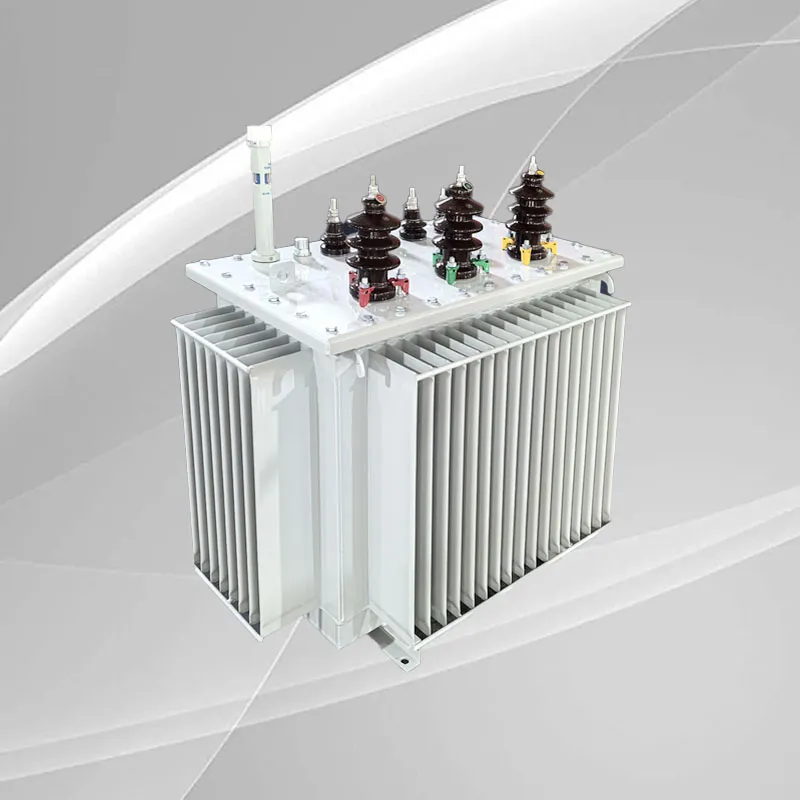 Oil power transformer
-
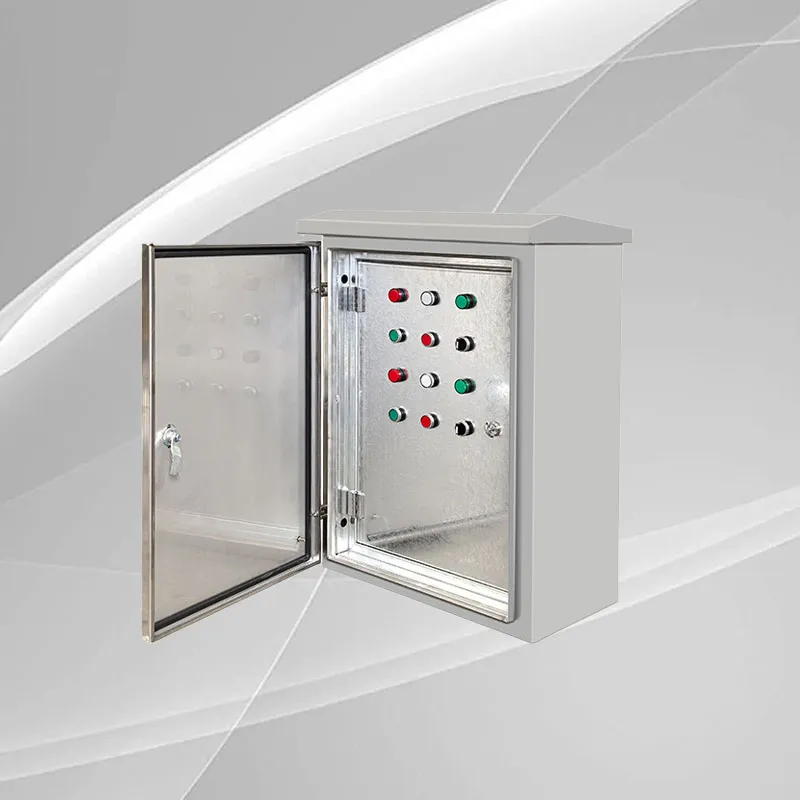 Stainless steel control panel
-
 Molded Case Circuit Breaker (MCCB), 63A
-
 Apartment switchboard
-
 Residual current switch
-
 Outdoor Single Phase Waterproof Transparent Plastic Electricity Meter Shield
-
 Automatic circuit breaker DZ15 in plastic shell
-
 Miniature circuit breaker
-
 Transparent circuit breaker with plastic housing



