


losses in power transformers
Discussionlosses in power transformersoften comes down to standard formulas and numbers. But in practice everything is much more complicated. We often focus on ideal operating conditions, forgetting about the real problems that arise in the field - overloads, unstable power supply, age of equipment. And often, seemingly insignificant deviations from the calculated parameters lead to significant economic losses. This is not about theoretical reasoning, but about proven experience.
What are losses in transformers and why are they important?
First of all, it is necessary to understand thatlosses in power transformersis an inevitable part of their work. They can be divided into several types: winding losses (I2R losses), core losses (hysteresis and eddy currents), excitation losses and mechanical losses. It cannot be said that any one type predominates, and their ratio greatly depends on the design of the transformer, its operating mode and, of course, on the quality of the materials used. It is important to understand that the total losses directly affect the efficiency of the power system and, as a result, the final cost of electricity.
In case of incorrect calculation or incorrect operation,losses in power transformersmay increase significantly. For example, overloading a transformer leads to a sharp increase in I2R losses in the windings. Even a slight excess of the rated current can lead to a critical increase in the temperature of the windings, which, in turn, reduces their service life and can cause failure. This is, to put it mildly, an undesirable scenario. Our enterprise, Wenzhou Qiaonasen Electrical Equipment Co., Ltd. specializes in power transmission and distribution solutions, and we often encounter situations where an incorrectly selected transformer or incorrect equipment settings lead to inexplicably highlosses in power transformers.
Impact of low-quality equipment and materials
The quality of materials used in the manufacture of the transformer plays a huge role. Low-quality core steel with a high level of hysteresis losses is a direct path to increasinglosses in power transformers. This is especially noticeable in medium and high power transformers. It is also worth paying attention to the quality of the insulation - its destruction leads to a short circuit and, naturally, to losses. We have repeatedly encountered situations where transformers made from materials of questionable quality failed much faster than expected.
When producing transformers, it is important to monitor compliance with technological processes, especially the quality of windings. Uneven winding or the use of low-quality wire leads to an increase in winding resistance and, as a result, to an increase in I2R losses. Sometimes, even small errors in the winding process can significantly affect the overall efficiency of the transformer. Wenzhou Qiaonasen Electrical Equipment Co.,Ltd strictly controls every stage of production to minimize risks.
Practical examples and conclusions
I remember one case when they brought us a transformer, which, according to the specifications, had to have certain efficiency indicators. However, after testing it turned out that the actual performance was 15% lower than stated. Upon closer inspection, we discovered that the transformer core is made of a material with a high level of hysteresis losses. This led to a significant increaselosses in power transformers, especially at partial loads. As a result, the client had to replace the transformer, which entailed significant financial losses.
Another common problem is transformer misuse. Many owners of energy systems do not pay attention to the condition of the transformer and do not carry out regular inspections and maintenance. This can lead to contaminant buildup, insulation damage and other problems, which in turn increaseslosses in power transformers. It is important to remember that regular maintenance is not just a formality, but a necessity to ensure reliable and efficient operation of the transformer.
Solutions to minimize losses
There are several ways to minimizelosses in power transformers. Firstly, this is the use of high-efficiency transformers made from high-quality materials. Secondly, it is proper operation and regular maintenance. Thirdly, this is the use of modern technologies, such as transformer condition monitoring systems, which make it possible to quickly identify and eliminate problems.
For example, Wenzhou Qiaonasen Electrical Equipment Co., Ltd. offers a wide range of transformers with different levels of efficiency. We also offer transformer maintenance and repair services. We understand that each transformer is unique and requires an individual approach. That's why we develop solutions that best suit our customers' needs. Recently, we have been actively working on the implementation of remote monitoring systems for the condition of transformers, which allows us to quickly respond to any changes in their operation and prevent accidents.
Prospects and new technologies
The development of new materials and technologies, such as the use of nanoparticles to reduce core eddy currents, opens up new opportunities to reducelosses in power transformers. In particular, research into new types of magnetic materials, such as ferrites, promises significant improvements in transformer efficiency. We are closely monitoring the development of these technologies and plan to use them in our future developments.
Also a promising direction is the development of intelligent control systems for transformers, which make it possible to automatically optimize their operating mode and minimize losses. The use of machine learning algorithms makes it possible to predict the condition of the transformer and predict possible accidents, which helps prevent serious consequences. In the future, thanks to the development of new technologies,losses in power transformerswill become less and less, which will lead to an increase in the efficiency of the energy system as a whole.
Correspondingproducts
Related Products



Best Sellingproducts
Best Selling Products-
 Grid connection cabinet for photovoltaic system made of stainless steel
-
 Disconnector with blade contact in a complete high-voltage cabinet
-
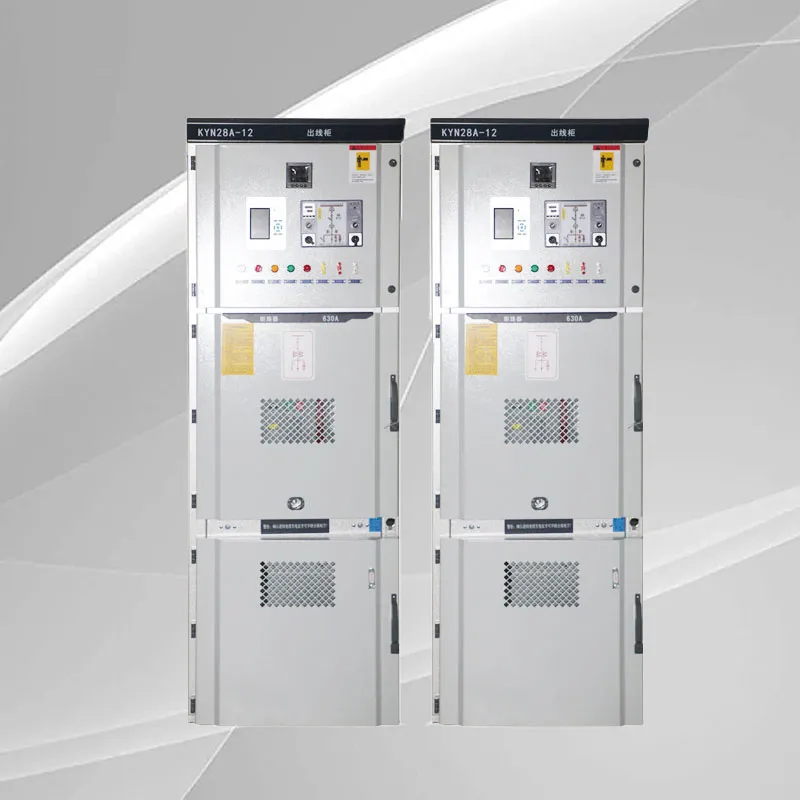 KYN28A-12 indoor metal armored medium power AC switchgear
-
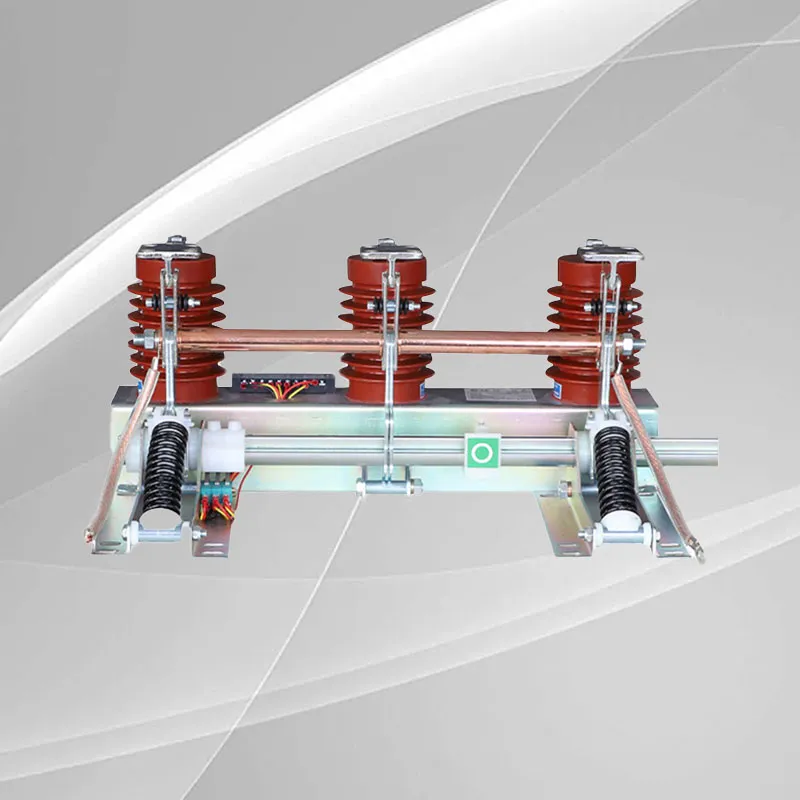 Indoor high voltage earthing switch type JN15
-
 Complete low voltage distribution board made of stainless steel
-
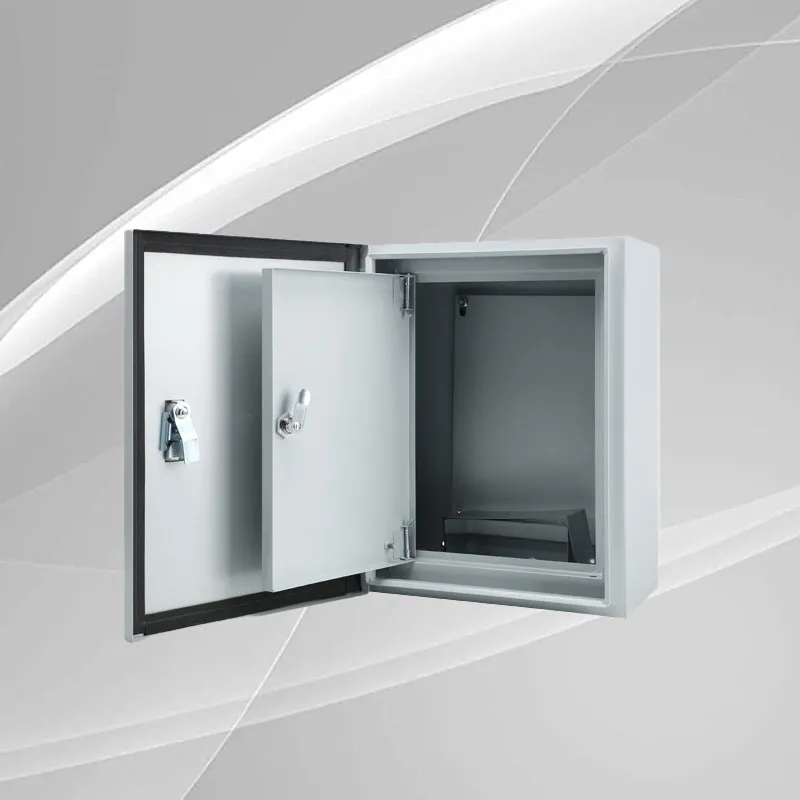 Indoor distribution cabinet with double door
-
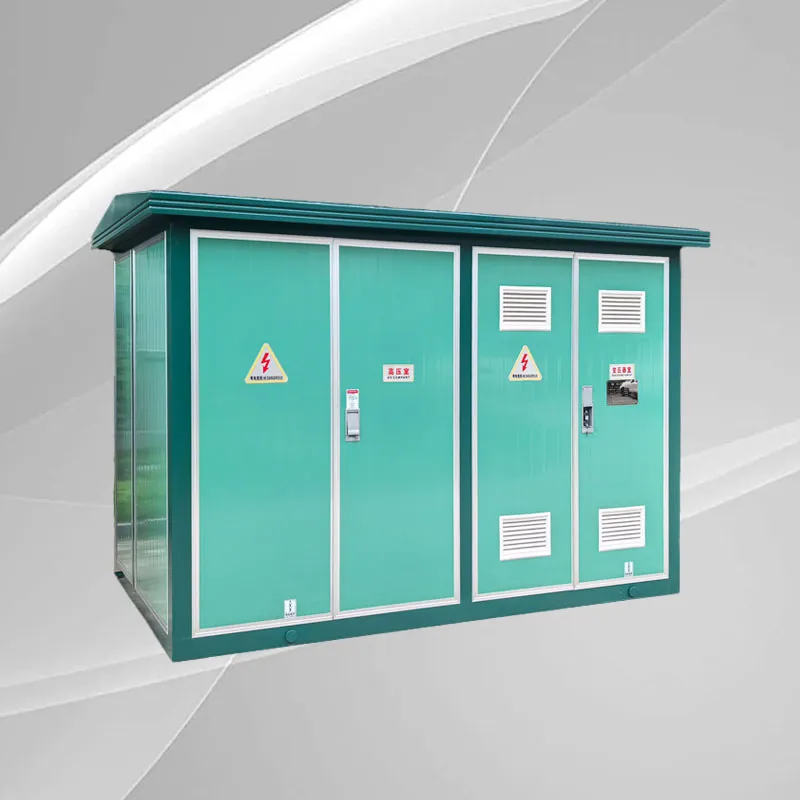 Complete outdoor transformer substation of European type
-
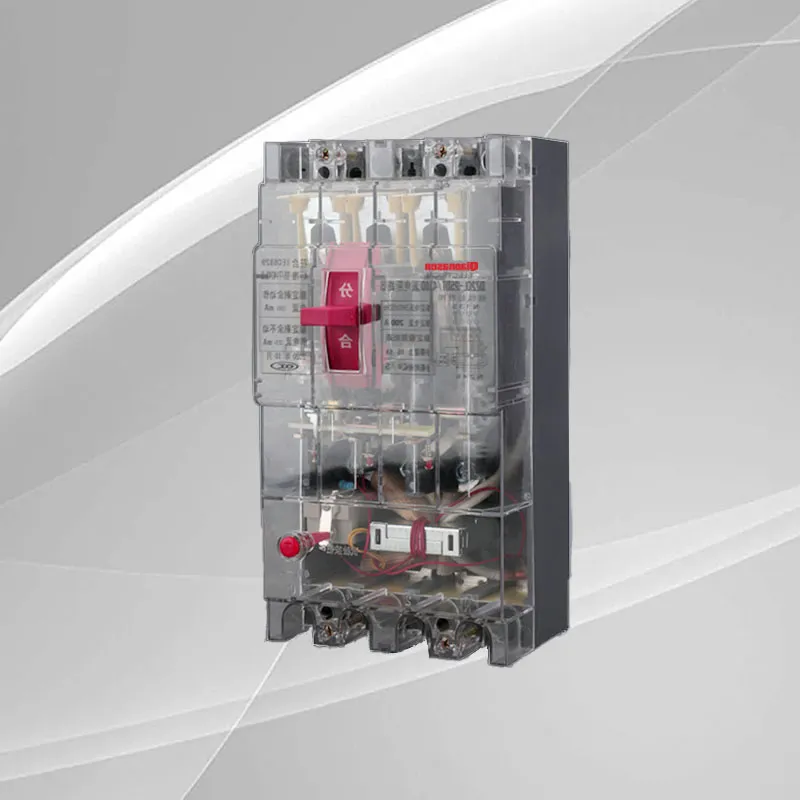 Circuit breaker with transparent plastic housing
-
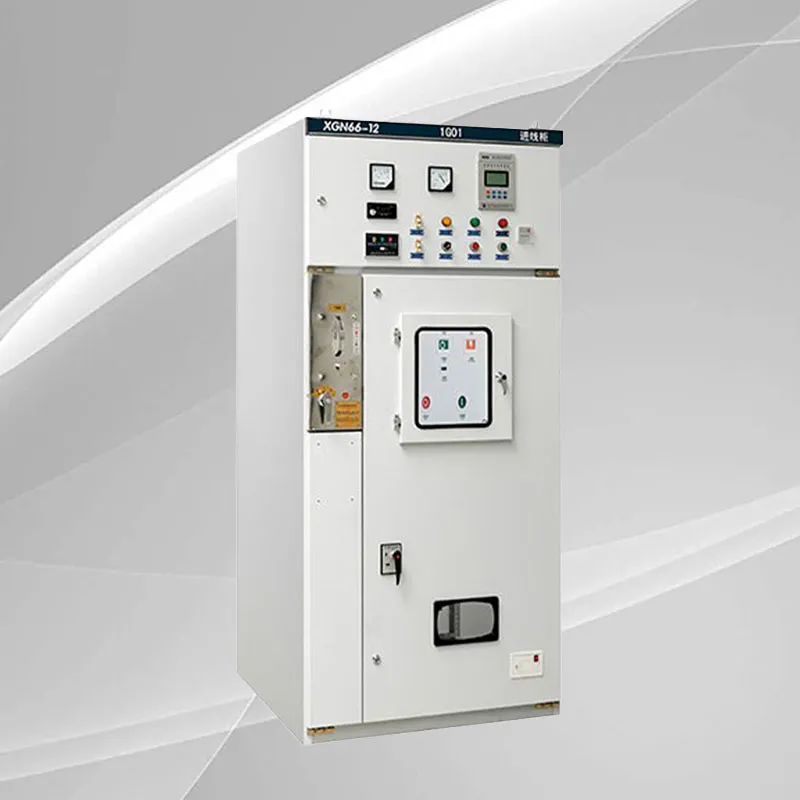 Fixed enclosed switchgear XGN66-12(Z)
-
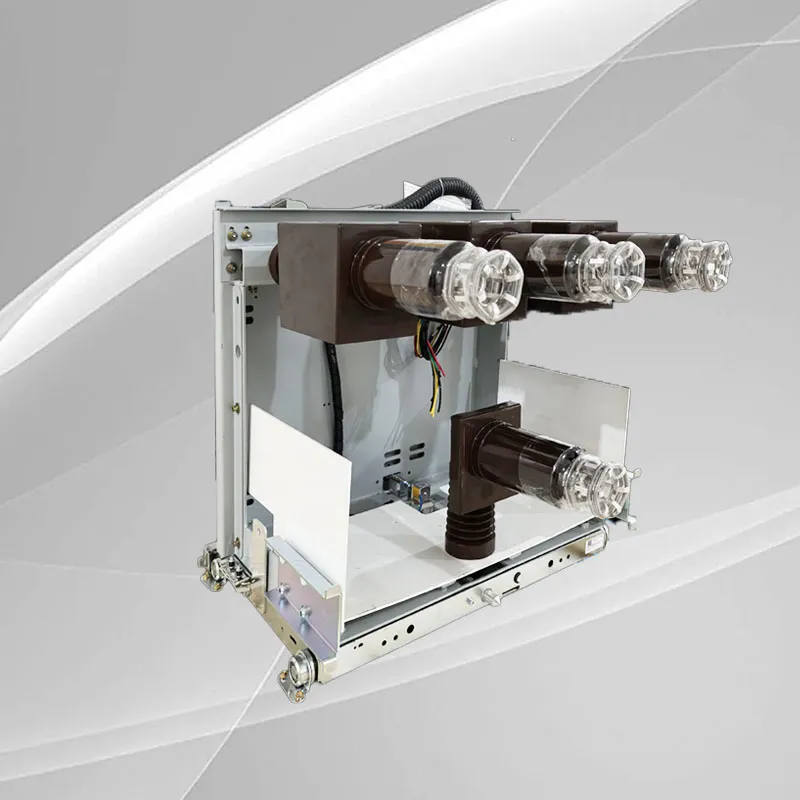 Withdrawable element for electricity metering for four contacts with three voltage transformers
-
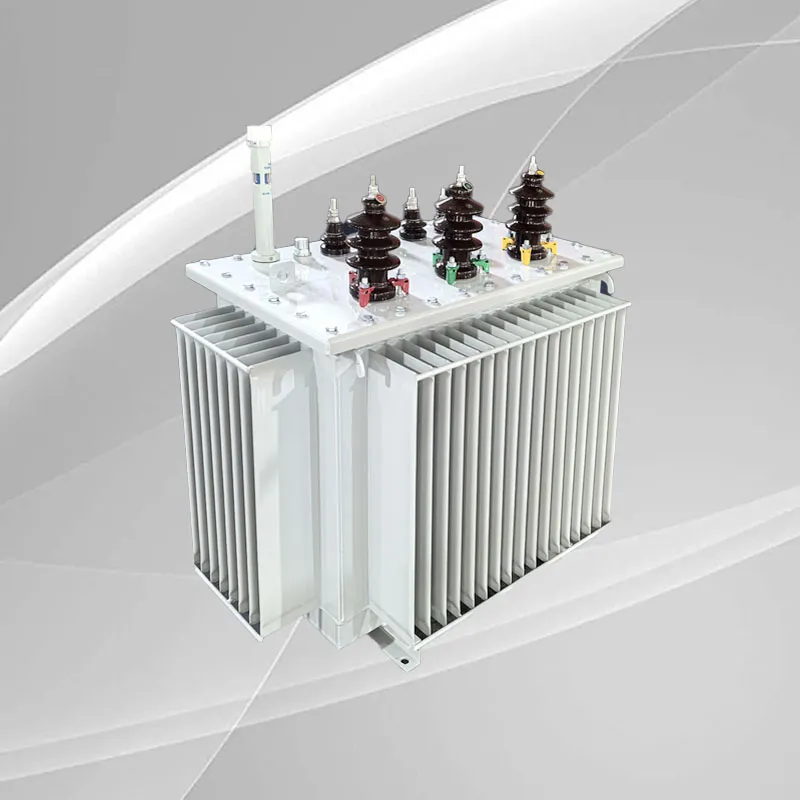 Oil power transformer
-
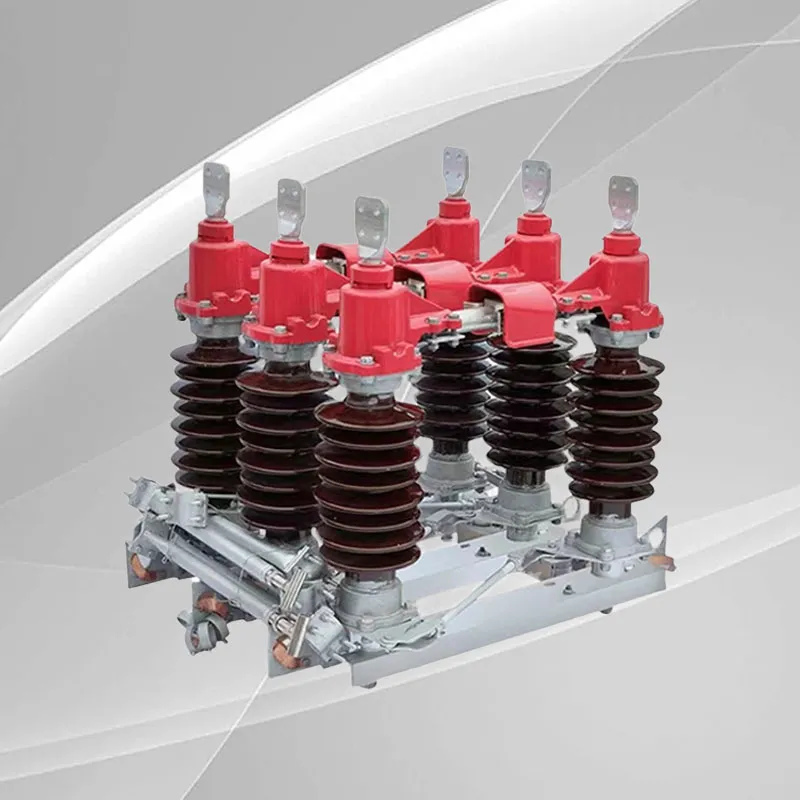 Outdoor high voltage isolating switch type GW4-40.5
Relatedsearch
Related Search- power transformer operating diagram
- China power transformer 0.4 kv main buyer
- power transformer insulators
- power transformer for motors
- Grounding switch 12 kV
- differentiated circuit breaker
- China energy efficient transformers
- circuit breaker b 25a
- rating of distribution boards
- China step up power transformer main buyer



