


power transformer 2500 kva
Powerful transformers– this is a seemingly simple thing. But there are often simplifications and inaccuracies in conversations, especially when it comes to choice and exploitation. Sometimes you just don’t realize all the responsibility that lies in choosing the righttransformerfor a specific task. I remember at the beginning of my career, when we tried to picktransformer 2500 kVAfor one object, they went towards a model with a declared high efficiency, but forgot to take into account the characteristics of the load - there was a significant proportion of inductive load. As a result, after six months of operation - overheating and the need for replacement. This, in general, was the impetus for a deeper study of the issue.
What does '2500 kVA' actually mean?
Before talking about specific models or manufacturers, it is worth understanding that '2500 kVA' is not just a number. This is the rated power of the transformer, that is, the maximum power it can deliver without overheating. But a real load that can be safely connected totransformer, is always less than this figure. This is influenced by many factors - losses in the windings, ambient temperature, quality of materials used and the design of thetransformer. The stated characteristics should not be taken as absolute truths, but as a guideline. And here, as a rule, the main problem arises - underestimation of actual operating conditions.
For example, there is often an opinion that you can easily load a transformer at 100% of its rated power. This is, to put it mildly, a mistake. Short-term overloads are acceptable, but constant operation close to 100% power significantly reduces service lifetransformer. This is especially true for transformers with low efficiency and insufficiently powerful cooling systems. It is important to calculate the power utilization factor (PUF) taking into account all possible operating scenarios.
Efficiency and power loss
As already mentioned, efficiency is an important parameter. High efficiency transformers help reduce energy costs and reduce heat generation. But here you also need to be careful. Claimed efficiencies are often achieved under specific load conditions. For example, a manufacturer may indicate efficiency at 75% and 100% load, but not at 50% and 25%. Therefore, when selecting a transformer for a specific application, it is important to clarify the efficiency characteristics for the expected range of loads.
We once looked at several modelstransformersfrom different manufacturers, and the difference in efficiency was quite significant. One of them seemed more attractive in price, but a more detailed analysis revealed that its efficiency drops significantly at light loads. In the end, we chose the more expensive but more effective option, and it paid off in the long run.
Cooling systems and their role
The cooling system is a critical elementtransformer. It ensures the removal of heat generated during operation. There are different types of cooling systems - oil cooling, air cooling, oil-air cooling. The choice of cooling system depends on the power of the transformer, operating conditions and reliability requirements.
Oil cooling is typically used for high power transformers. The oil circulates through the windings and radiator, removing heat. Air cooling is used for smaller power transformers. Oil-air cooling is a compromise option that combines the advantages of both types. It is important to remember that regular monitoring of the oil level, its cleanliness and the efficiency of the cooling system is the key to long and uninterrupted operationtransformer.
We encountered a situation where a transformer operating under high load conditions overheated due to a malfunction of the cooling system. It turned out that the radiator was clogged with contaminants, which significantly reduced its efficiency. After cleaning the radiator and changing the oil, the problem was solved.
Types of transformers and their applications
There are several main typestransformers– power transformers, distribution transformers, laboratory transformers, etc. Each type is designed for specific tasks. Power transformers are used to transmit and distribute electricity in networks. Distribution transformers are used to power consumers. Laboratory transformers are used in laboratory conditions.
When choosingtransformerIt is important to consider not only its power, but also the type of load it will power. For example, to power motors, a transformer with a power reserve is required. Powering sensitive equipment requires transformers with high precision and low noise levels.
Reliability and Maintenance
Reliabilitytransformer- This is a complex characteristic that depends on many factors - the quality of materials, design, cooling system, operating conditions and regularity of maintenance. Regular maintenance includes checking insulation, checking oil levels, cleaning the radiator, inspecting windings and other elementstransformer.
One common problem with transformers is insulation failure. This may occur due to overheating, contamination, vibration or static electricity. Damage to the insulation leads to a short circuit and failure of the transformer. To prevent insulation damage, insulation testing must be performed regularly and measures must be taken to reduce contamination and static electricity.
It's important to remember thattransformer– this is not just a 'black box' that you can simply install and forget. It requires regular attention and maintenance. Otherwise, even the most expensive and reliabletransformersooner or later it will fail. **Wenzhou Qiaonasen Electrical Equipment Co.,Ltd.** specializes in high and low voltage transmission and distribution solutions, and we are always ready to help with selection and operationtransformers, taking into account all the nuances and features of your object. More information about our activities can be found on the website:https://www.qnasen.ru.
Disposal of old transformers
And finally, don’t forget about recycling oldtransformers. They contain oil, which is hazardous to the environment. Therefore, old transformers must be disposed of in accordance with rules and regulations. The company **Wenzhou Qiaonasen Electrical Equipment LLC** also provides services for recycling old transformers.
Correspondingproducts
Related Products



Best Sellingproducts
Best Selling Products-
 Molded Case Circuit Breaker (MCCB), 63A
-
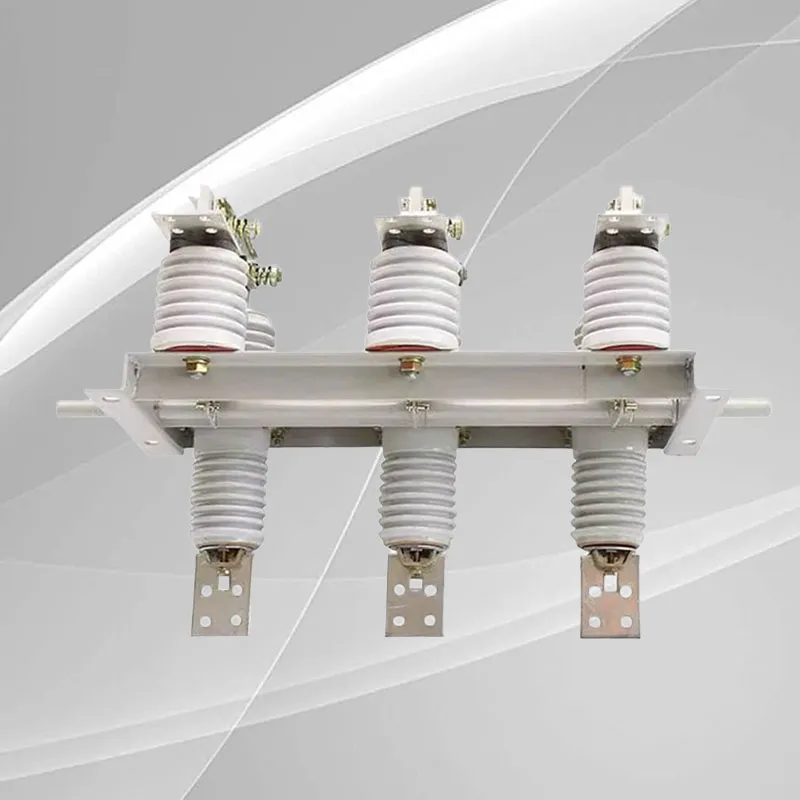 Internal high voltage disconnector type GN19-12C
-
 Residual current switch
-
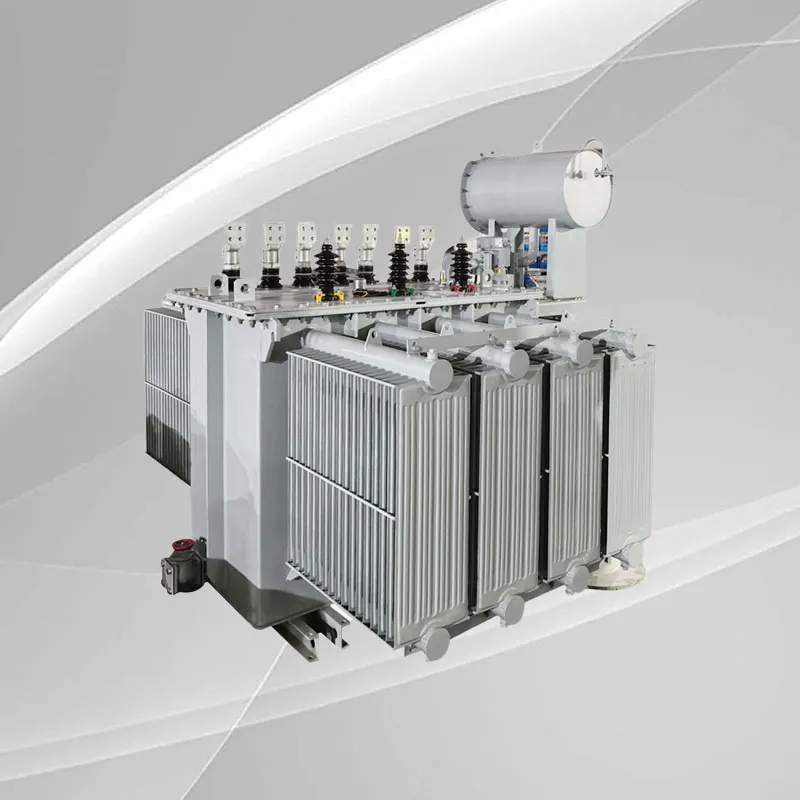 Oil transformer
-
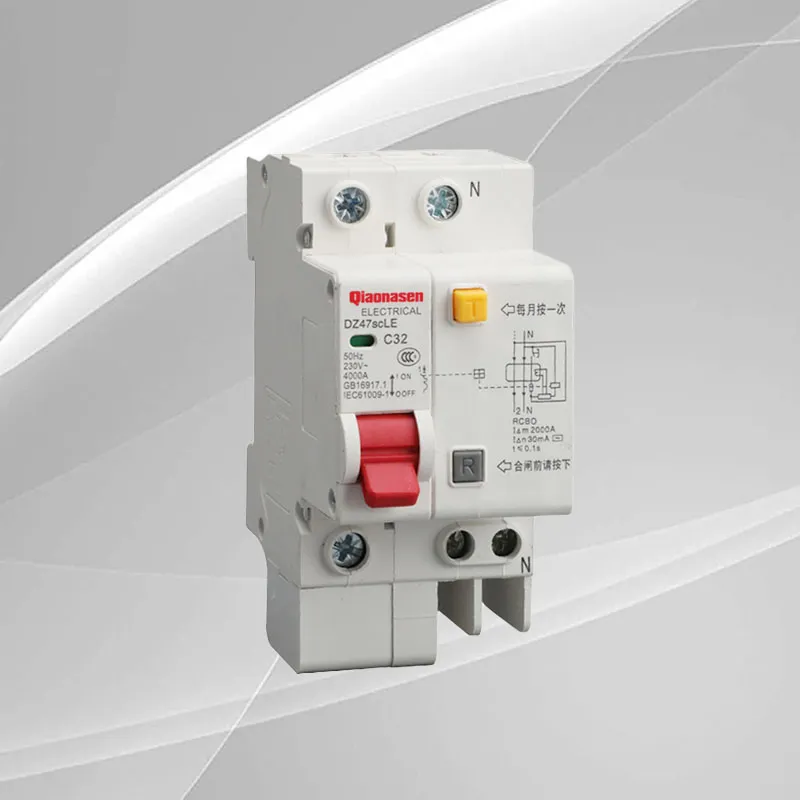 Residual current device with plastic housing
-
 Internal power distribution cabinet
-
 Miniature circuit breaker
-
 VS1 ZN63-12 1250A fixed indoor high voltage vacuum circuit breaker
-
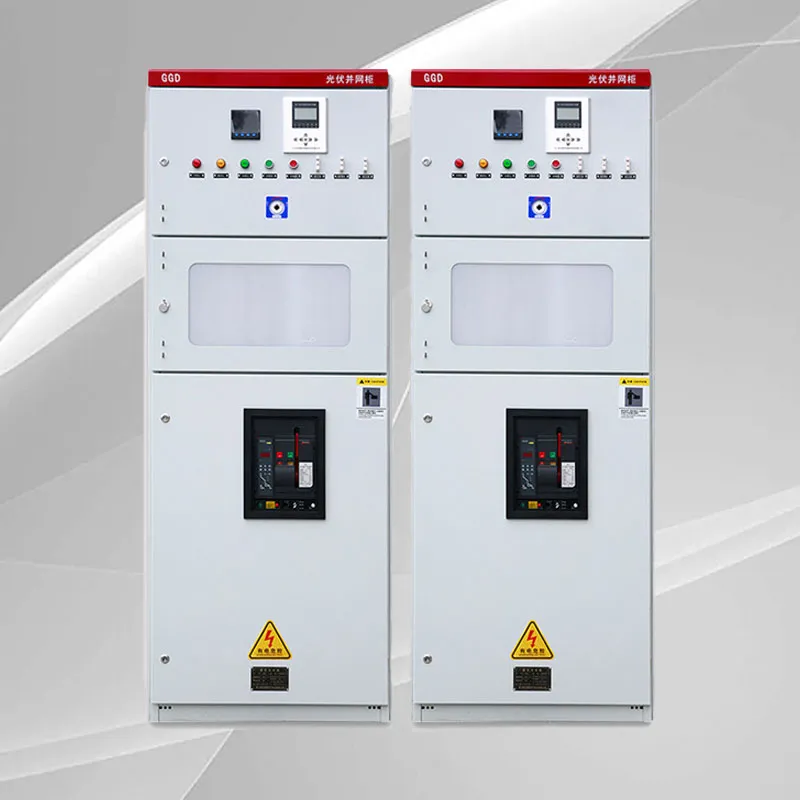
 Grid connection cabinet for photovoltaic system made of stainless steel
-
 Ground Outdoor Waterproof Distribution Cabinet
-
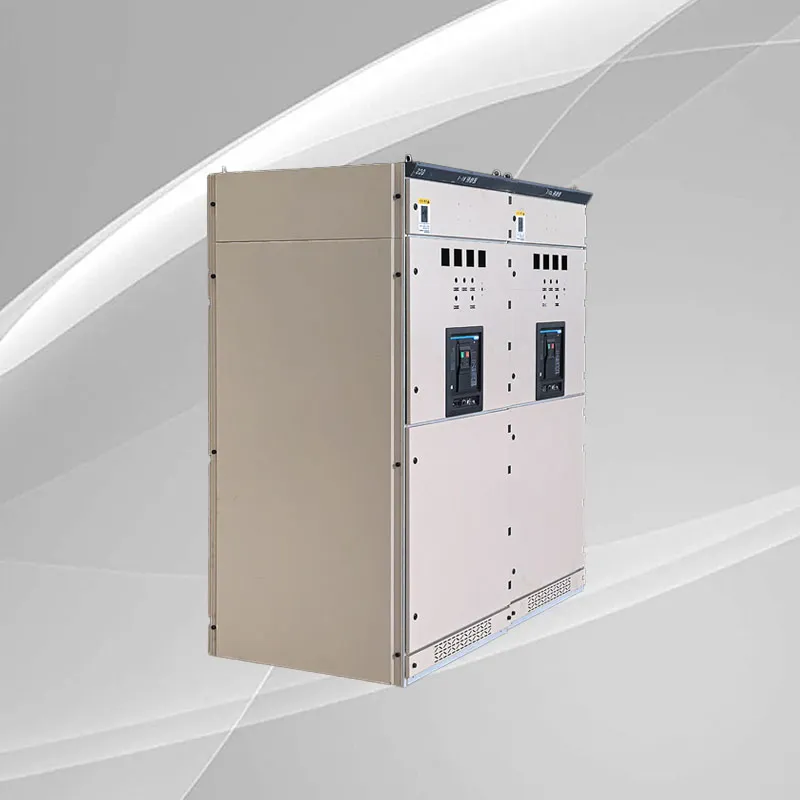 Low-voltage withdrawable distribution cabinet GCS (input cabinet)
-
 Transparent Industrial Automatic Three Phase Four Wire Leakage Proof Switch
Relatedsearch
Related Search- three-pole circuit breaker 380v
- dry transformer 630 kva
- power transformer 1250 kva
- distribution board iek iek titan 5
- China power transformers 1000 kva main buyer
- dry transformer service life
- power transformer device
- power transformer magnetic circuit
- ABB distribution board 120 modules
- China on-load tap changer dry transformer



