


power transformer 35 6
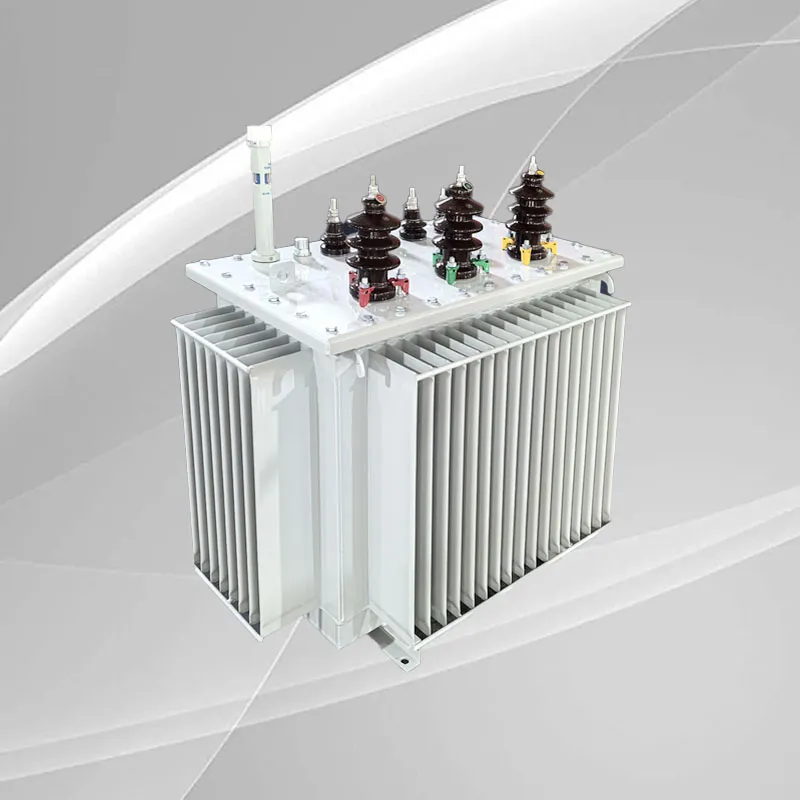
Power transformers 35/6is a seemingly simple specification. But behind these numbers lies a whole world of technical compromises, challenges and, often, unexpected problems. Often clients come with a certain idea that they need just such a transformer, without going into details. And the result may be far from optimal. We will not talk about theoretical reasoning, but about those things that are visible 'from the inside', after several years of work in this field. Let's discuss the main points that are rarely talked about.
Introduction: What is hidden behind the characteristics?
Specification35/6indicates that the transformer is designed to increase the voltage from 35 kV to 6 kV. But this is just the tip of the iceberg. Many factors need to be taken into account: type of construction (usually oil-based, but there are also dry ones), insulation class, permissible overloads, reliability requirements and, of course, operating conditions. It is not enough to simply buy a transformer that matches these numbers; It is important to choose it correctly for a specific task. Moreover, “right” can mean different things for different customers. Sometimes the customer needs maximum reliability, even if it increases the cost. In other cases - the minimum price, with an acceptable reduction in reliability.
We regularly encounter situations where customers select a transformer based only on its rated voltage. Then it turns out that the voltages in the network are slightly different, and the transformer is operating on the verge of acceptable parameters. And this is just one of the possible scenarios.
Main technical aspects
First of all, we need to talk about the design. Oil transformers are a more common option, but dry transformers are also gaining popularity. Dry ones are, of course, more environmentally friendly and require less maintenance, but they are more expensive. Choosing between them is a matter of compromise. The oil in an oil-filled transformer not only serves as insulation, but also performs a cooling function. It is necessary to select the correct oil based on its dielectric properties, viscosity and operating temperature range. The wrong choice of oil can lead to serious insulation and overheating problems.
Insulation class is another important parameter. It determines what maximum temperature the transformer can withstand without destroying the insulation. The choice of insulation class depends on operating conditions and reliability requirements. A higher class of insulation usually requires a more complex and expensive design.
Problems with choosing an insulation class
Sometimes there are situations where a client chooses a transformer with insufficient insulation class in order to save on cost. Then, when overvoltages or elevated temperatures occur, the insulation is destroyed, leading to serious damage to the transformer and downtime. This is a very expensive solution.
Reliability and service
The reliability of a transformer is not only its design, but also the quality of its workmanship. You need to pay attention to the reputation of the manufacturer, the availability of certificates of conformity and test results. We try to work only with trusted suppliers who provide a guarantee for their products. Regular maintenance is the key to long and uninterrupted operation of the transformer. Includes checking the oil level, insulation condition, performance of fans and other elements.
The importance of transformer condition monitoring cannot be underestimated. Modern transformers are equipped with sensors for temperature, oil pressure and other parameters that allow monitoring their condition in real time. This allows potential problems to be identified and corrected in a timely manner.
Real cases and mistakes
For example, we once encountered a transformer that was constantly overheating. It turned out that the fans were faulty and did not provide sufficient cooling. It was a simple but forgotten problem. Sometimes, even with a good design, problems arise due to errors during installation or operation. For example, improper grounding or transformer overload.
Another common case is the use of transformers that do not meet electrical safety requirements. This can lead to serious consequences, including fire. Therefore, when choosing a transformer, you need to make sure that it complies with all necessary norms and standards. We at Wenzhou Qiaonasen Electrical Equipment Co.,Ltd carefully inspect each transformer before sending it to the customer.
Prospects and current trends
Recently, there has been a trend towards the use of dry-type transformers, especially in new installations. They are more environmentally friendly and require less maintenance. In addition, new transformer designs are being developed with improved performance and increased reliability. In particular, solutions based on solid-state components are being actively implemented.
In the long term, there will likely be further development of wireless power transmission systems, which may reduce the need for transformers. But for nowpower transformers 35/6remain a critical element of energy systems.
Conclusion
Choicepower transformer 35/6is a complex task that requires experience and knowledge. You should not skimp on quality and reliability. It's better to spend a little more time choosing than to face serious problems later. We at Wenzhou Qiaonasen Electrical Equipment LLC are ready to help you with the selection and selection of the optimal solution for your tasks. Our website: https://www.qnasen.ru. If you have any questions, please contact us.
Correspondingproducts
Related Products



Best Sellingproducts
Best Selling Products-
 PT-12 Internal high voltage voltage transformer with withdrawable element
-
 Three-phase energy efficient transformer
-
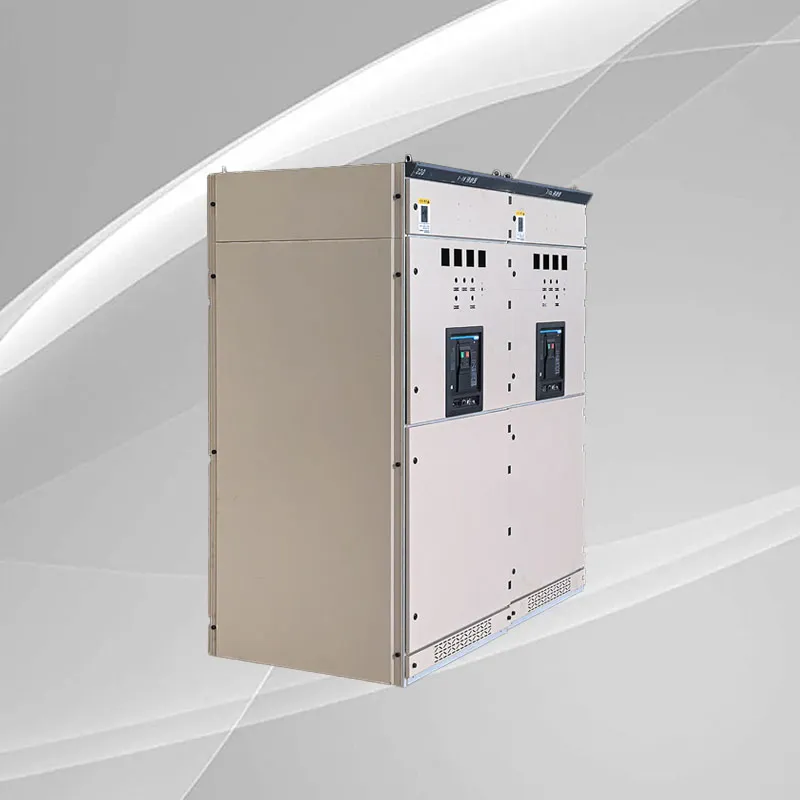 Low-voltage withdrawable distribution cabinet GCS (input cabinet)
-
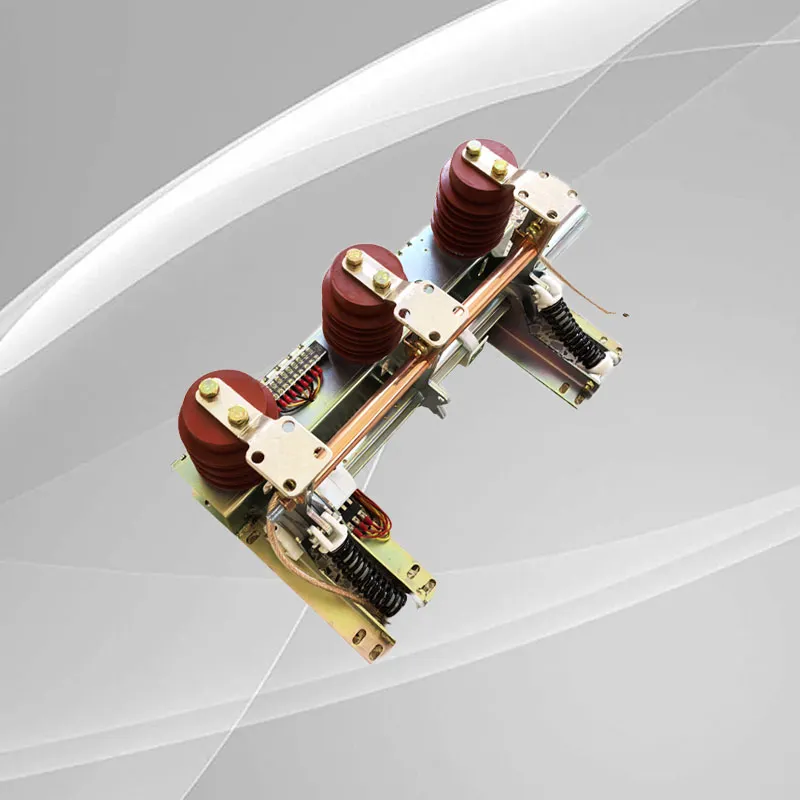 Internal high voltage grounding switch
-
 Outdoor Single Phase Waterproof Transparent Plastic Electricity Meter Shield
-
 Circuit breaker transparent
-
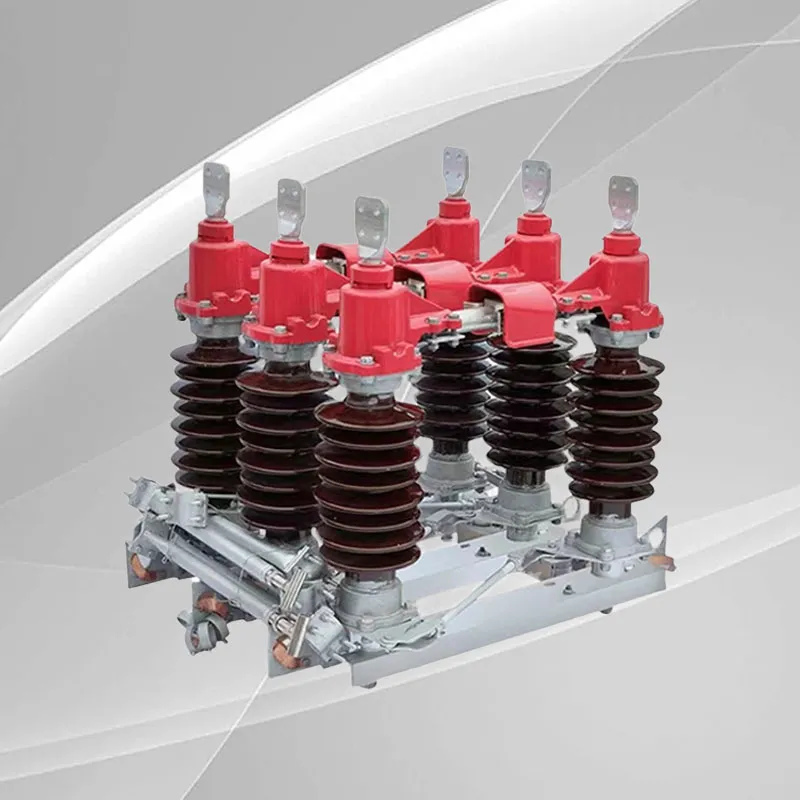 Outdoor high voltage isolating switch type GW4-40.5
-
 Molded Case Circuit Breaker (MCCB), 63A
-
 Switchgear with ATS BRSM
-
 Three-phase control transformer
-
 Internal high-voltage disconnector GN19-630A with double input and grounding contact
-
 Complete low voltage distribution board made of stainless steel



