


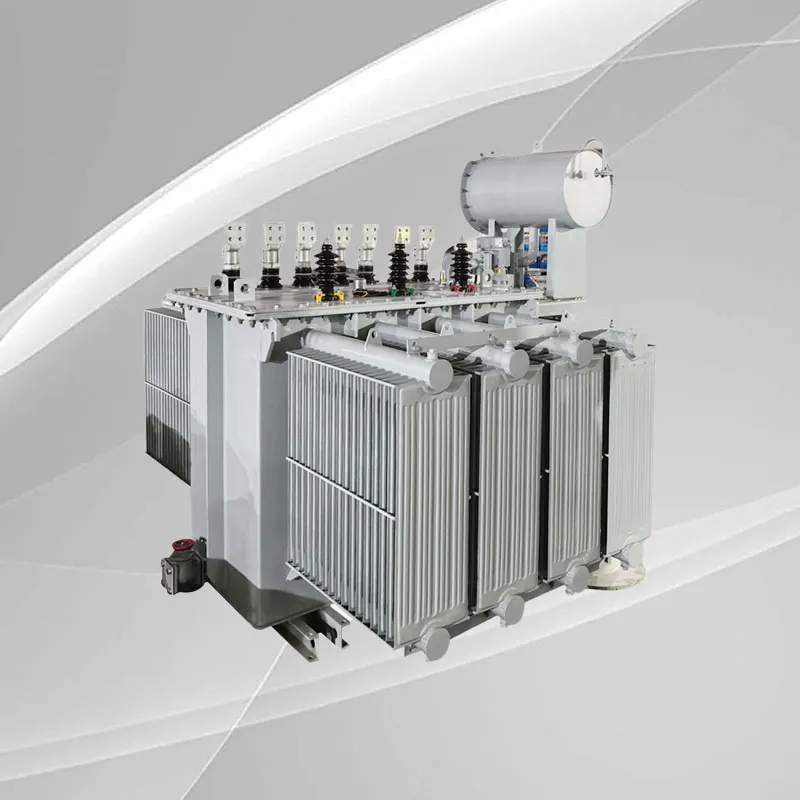
power transformer 750 kV
Let's be honest. When they talk aboutpowerful transformers, especially 750 kV, often only the technical characteristics are discussed - current, losses, efficiency. And this, of course, is important. But what is often overlooked are the practical nuances that go beyond the drawings and calculations. I would say that understanding the real problems that arise when operating such giants is what distinguishes a good engineer from a simple specialist. This is what I want to share based on my many years of experience.
Key design and manufacturing considerations
Designtransformer 750 kV– this is not just scaling the project for less power. Here they face a huge number of problems related to technological limitations, cost of materials and, of course, safety. Take, for example, the choice of insulating materials. It is difficult to find a material that would meet all the requirements for strength, reliability and durability at such stress levels. I remember we had a case where the standard polymer for insulation turned out to be insufficiently resistant to overloads. We had to look for alternatives, which, of course, increased the cost and production time.
Making the case is a different story. Volume of metal required for the housingtransformer 750 kV, colossal. Moreover, high precision processing is required to avoid deformations and cracks. We worked with one supplier who used the rolling method and it gave excellent results. But, of course, the quality of rolling directly affects the strength of the entire structure. It is important to consider that the housing must withstand not only mechanical loads, but also atmospheric influences, including temperature changes and exposure to ultraviolet radiation.
Don’t forget about quality control at all stages of production. Every detail, every seam must meet strict requirements. We use ultrasonic testing, X-ray testing, strength and insulation control tests. It's expensive, but it avoids serious problems in the future. Example - we recently discovered a microcrack in one of the winding sections. If not carefully monitored, this could have resulted in a serious accident.
Material quality control: a critical step
Checking materials for compliance with GOST and TU requirements is not just a formality. Poor quality materials can lead to premature failuretransformer 750 kVout of order, which is not only expensive, but also dangerous for personnel and the environment. This is especially true for insulating materials and metals for the housing and windings. We always order certificates of conformity from independent laboratories and conduct our own tests to confirm quality.
For example, when working with copper wires for winding, it is extremely important to control the impurity content. Even small amounts of impurities can significantly reduce conductivity and increase losses. We use spectral analysis method to test the purity of copper.
There is often a situation where suppliers offer materials at a lower price, but do not provide a full package of documents and certificates. This is a huge risk that is best avoided.
Operation and maintenance problems
Operationtransformer 750 kVrequires highly qualified personnel and strict adherence to regulations. Regular inspections, parameter measurements, tests - all this is necessary to ensure reliable and safe operation. But even with the most careful maintenance, problems can arise over time.
One common problem is oil leaks. Oil is not only an insulator, but also a coolant. Oil leakage leads to a decrease in insulating properties, an increase in the temperature of the windings and, as a result, to premature failure of the transformer. We use special sensors to monitor the oil level and quickly fix any leaks.
Another problem is overheating. Overheating can be caused by various factors: overloads, malfunction of the cooling system, contamination on the surface of the transformer. We use thermography to identify hot spots and take action to correct them.
Cooling systems and their efficiency
Cooling systemstransformer 750 kV- This is a complex and important part of the design. The efficiency of the cooling system directly affects the life of the transformer and its reliability. We use different types of cooling systems: oil cooling, air cooling, water cooling. The choice of cooling system depends on the power of the transformer, its operating mode and climatic conditions.
It is necessary to regularly monitor the parameters of the cooling system: oil temperature, oil pressure, oil consumption. If deviations from the norm are detected, immediate action must be taken. We use automated monitoring and control systems to monitor cooling system parameters in real time.
Particular attention should be paid to the condition of radiators. Radiators must be clean and undamaged. When radiators become dirty, cooling efficiency decreases. We regularly clean radiators from dust and dirt.
Real cases and mistakes
I cannot help but mention specific examples that we have encountered in our work. For example, one day we received a task to modernize an oldtransformer 750 kV. Upon inspection, it turned out that the winding was badly worn. It was suggested to simply replace the winding. But we decided to conduct a more detailed analysis. It turned out that the problem was not a worn winding, but a faulty insulation. Once the fault was corrected, the winding could be saved and costly replacement could be avoided. This shows that it is important to conduct a thorough diagnosis before making any decisions.
Here's another case: the company we worked with installed a transformer without properly taking into account the load. As a result, the transformer quickly overheated and failed. We had to carry out expensive repairs and replacements. This is an example of how important it is to select the right transformer for the load parameters.
Unfortunately, there are often cases when they try to save on the quality of materials and components. This always leads to problems in the future. It's better to spend a little more money now than face costly repairs or replacements later.
Future of technology and prospects
Technologies in the fieldtransformers 750 kVare constantly evolving. New materials, new designs, and new control systems appear. One promising area is the use of nanotechnology to improve insulation and cooling efficiency.
The direction of digitalization and automation is also actively developing. Predictive analytics systems are being introduced that make it possible to predict possible malfunctions and carry out preventive maintenance.
It seems to us that in the futurepowerful transformerswill become more reliable, more efficient and safer. The use of modern technologies will help reduce operating costs and increase the service life of transformers.
Wenzhou Qiaonasen Electrical Equipment Co.,Ltd
https://www.qnasen.ru/
Specializing in solutions for high and low voltage transmission and distribution and electrical control systems in the power equipment industry.
Correspondingproducts
Related Products



Best Sellingproducts
Best Selling Products-
 JYSF6-12 fully insulated gas-filled ring distribution device
-
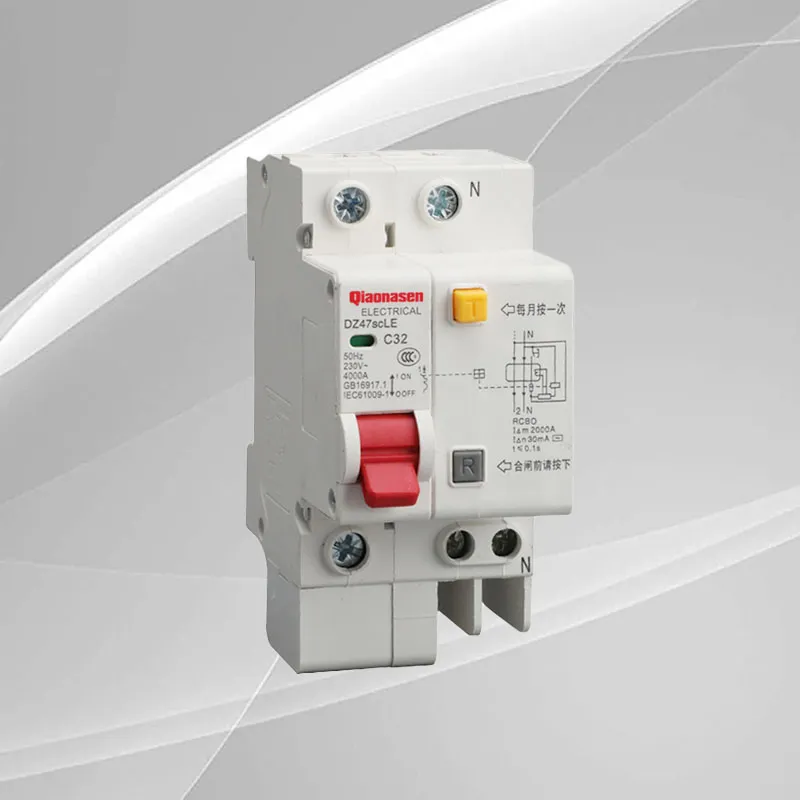 Residual current device with plastic housing
-
 High voltage vacuum circuit breaker ZW20
-
 Molded Case Circuit Breaker (MCCB), 63A
-
 Grid connection cabinet for photovoltaic system made of stainless steel
-
 Automatic circuit breaker DZ15 in plastic shell
-
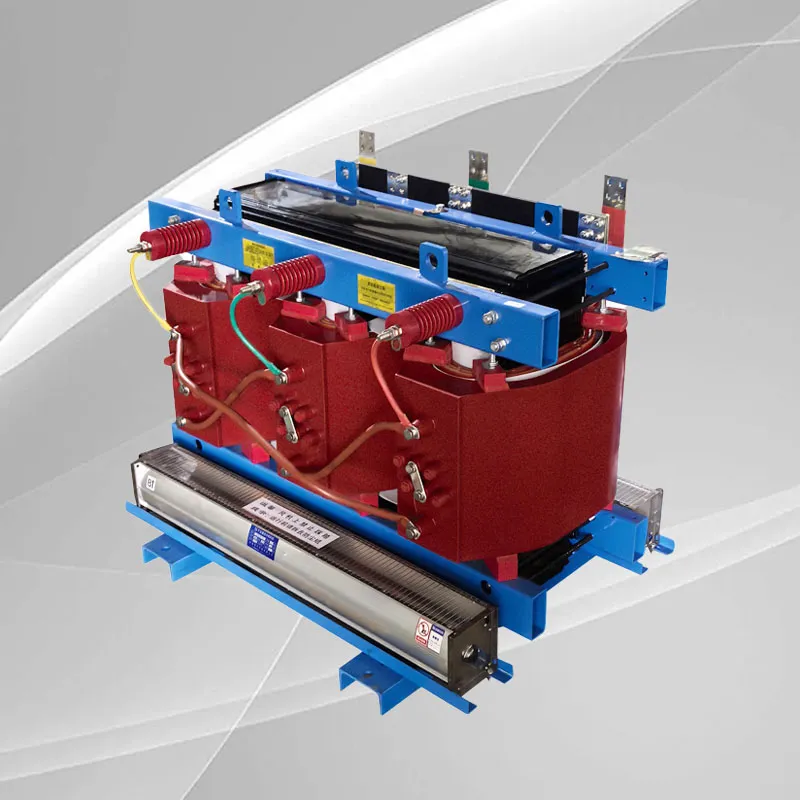 Dry transformer
-
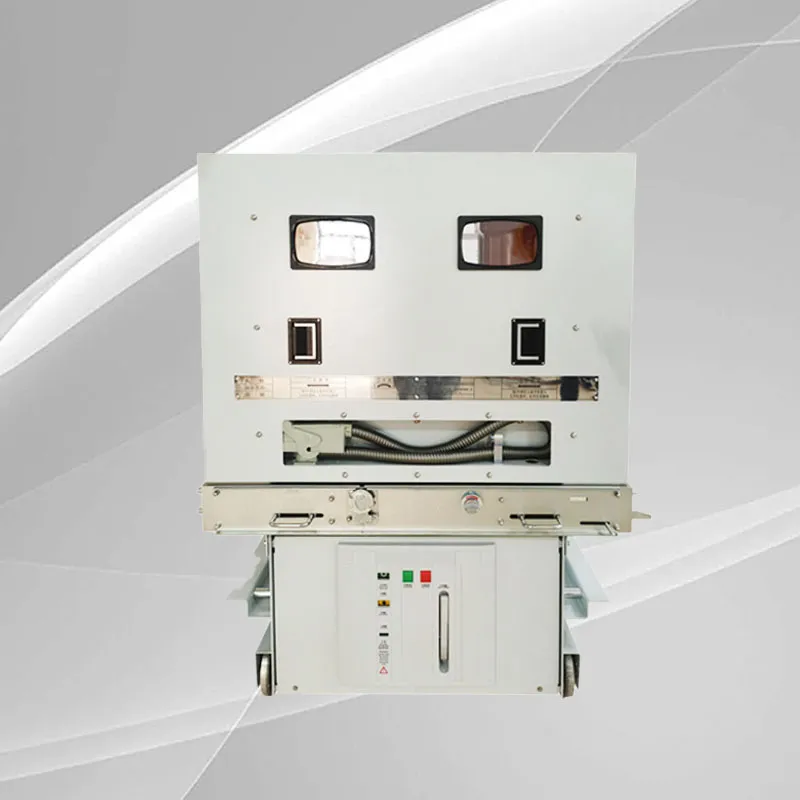 High Voltage Vacuum Circuit Breaker
-
 Rotating internal high voltage disconnector
-
 Internal power distribution cabinet
-
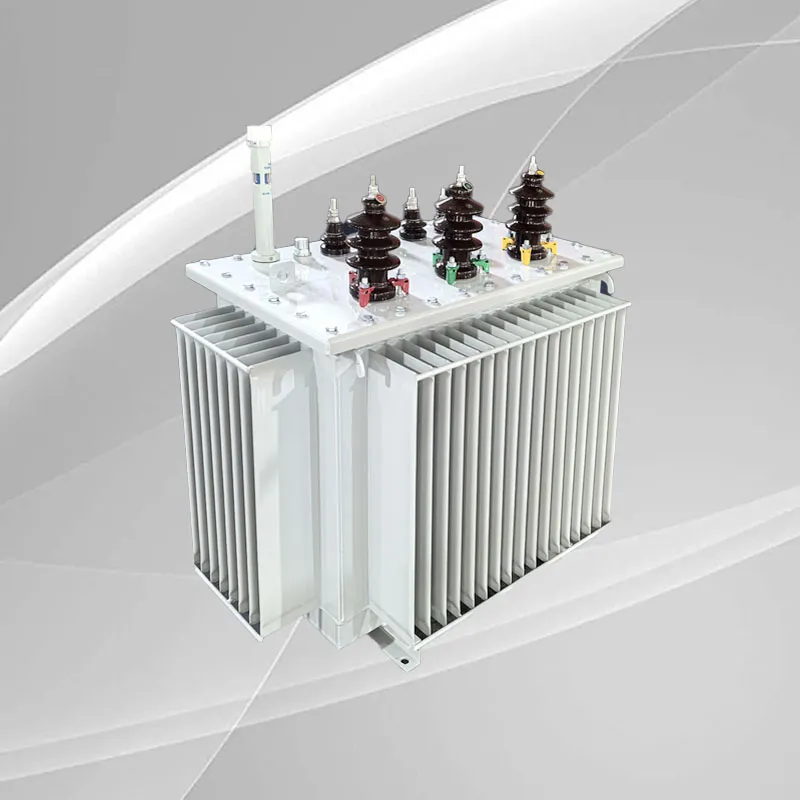 Oil power transformer
-
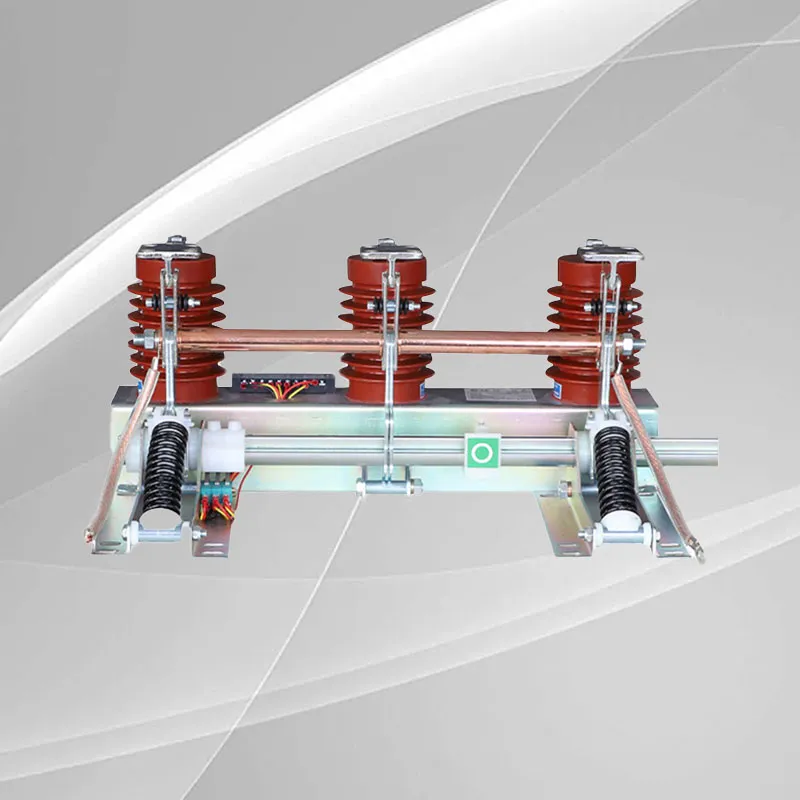 Indoor high voltage earthing switch type JN15



