


power transformers connection group
So,power transformers... It would seem that what’s so complicated here? Connect, measure, check. But in fact, one of the most common, and often overlooked, points is the correct organization of connecting transformers in groups. Often, novice engineers focus on power and voltage ratings, and connection issues fade into the background. Of course this is a mistake. An incorrectly selected connection diagram can lead to serious overloads, increased heating, and, ultimately, failure of expensive equipment. Recently we encountered a situation where, due to an incorrect connection, a winding was damaged in a transformer, and the damage was quite serious. A reason to think, isn't it?
Why do we need groups at all? Just a complication?
Some consider grouping transformers to be an unnecessary complication. 'Why not use one big transformer?' - they ask a question. The answer is simple: economics. From the point of view of reliability, fault tolerance, and flexibility of the system. Imagine a critical facility - a hospital, an industrial enterprise. If one transformer fails, the entire system goes dark. But if you have several transformers connected in a certain way, one failure will not lead to a disaster, but only to a partial loss of power. This, of course, is not a panacea, but it significantly increases the reliability of energy supply.
In addition, grouping allows you to distribute the load more effectively. Instead of one transformer being fully loaded, you get several operating at a lower load, which increases their service life. This is especially important for long-term projects where it is important to minimize maintenance and repair costs.
Different connection types: short circuit and parallel connection
The most common connection schemes are short circuit connection and parallel connection. A short circuit is usually used to increase the voltage of a transformer. Simply connect the primary windings of several transformers in series. The result is a voltage that is several times the rated voltage of each individual transformer. But this requires very precise calculation and control, otherwise overload is inevitable. We once did a voltage increase project for an industrial workshop and used a short circuit. At first everything went well, but then we noticed increased heating of one of the transformers. I had to urgently stop the system and recalculate the parameters. It was a bitter lesson - you always need to build a margin of safety.
Parallel connection, on the other hand, is used to increase power. Connect the primary windings of several transformers in parallel. As a result, you get a total power that is several times greater than the power of each individual transformer. In this case, the voltage of each transformer remains unchanged. Parallel connection is a simpler and more reliable scheme, but requires careful consideration of reactive power.
Impact of different connection schemes on system performance
The choice of connection diagram has a significant impact on the performance of the entire power supply system. For example, a short circuit increases the inductance of the system, which can lead to increased harmonic distortion. Parallel connection, on the contrary, reduces inductance and reduces harmonics. It is important to consider these factors when designing a system, especially if the system contains a large number of nonlinear loads.
Detailed analysis of the star-delta connection diagram
Star-delta connection is a fairly common option for transformers in distribution networks. It allows you to reduce voltage, but at the same time increases power. It is important to correctly calculate the transformation ratio and make sure that the transformers can withstand the increased load on the windings. We have repeatedly used this scheme in projects for organizing the power supply of residential and commercial buildings. The main thing is not to forget about the need for regular monitoring of transformer parameters.
When using a star-delta circuit, the possibility of resonance must be taken into account. Resonance can cause increased current and damage to transformers. To prevent resonance, it is necessary to correctly select the parameters of transformers and use damping devices.
Practical tips and common mistakes
From experience, they often make a mistake when calculating transformers - they do not take into account the possibility of working in various connection schemes. Transformers must be designed to operate in multiple connection arrangements to provide system flexibility. Another common mistake is not to take into account the effect of temperature on transformer parameters. Temperature affects the resistance of the windings and can lead to overheating. Thermostats should always be used and winding temperatures should be measured regularly.
And, of course, do not forget about the need for regular maintenance. Transformers require periodic checking of insulation, tightening of connections, and cleaning of contamination. Regular maintenance will help prevent serious damage and extend the life of your transformers.
Grounding and arcing problems
Sparking and grounding problems in connectionspower transformers- This is a common headache. Improper grounding, loose connections, and corrosion can all lead to sparking, increased resistance, and resulting overheating and damage. We have encountered situations where sparking caused a fire in a switchboard. Therefore, it is extremely important to carefully check the condition of the grounding and carry out regular diagnostics of connections.
When working with transformers, you must follow all electrical safety rules. Before starting work, you must disconnect the transformers from the network and make sure there is no voltage. All work must be carried out by qualified personnel using the necessary equipment and protective equipment.
Conclusion
To summarize, I want to once again emphasize the importance of proper connection organizationpower transformers. This is not just a technical issue, it is a matter of reliability and security of energy supply. Follow the recommendations, take all factors into account and do not neglect maintenance. And perhaps avoid many problems in the future. On the website of Wenzhou Qiaonasen Electrical Equipment Co., Ltd. you will find a wide rangepower transformersand qualified advice on their use.
Correspondingproducts
Related Products



Best Sellingproducts
Best Selling Products-
 Miniature circuit breaker
-
 Apartment switchboard
-
 Circuit breaker with transparent plastic housing
-
 Rotating internal high voltage disconnector
-
 Blade contact disconnector ZW10-12
-
 Dry transformer
-
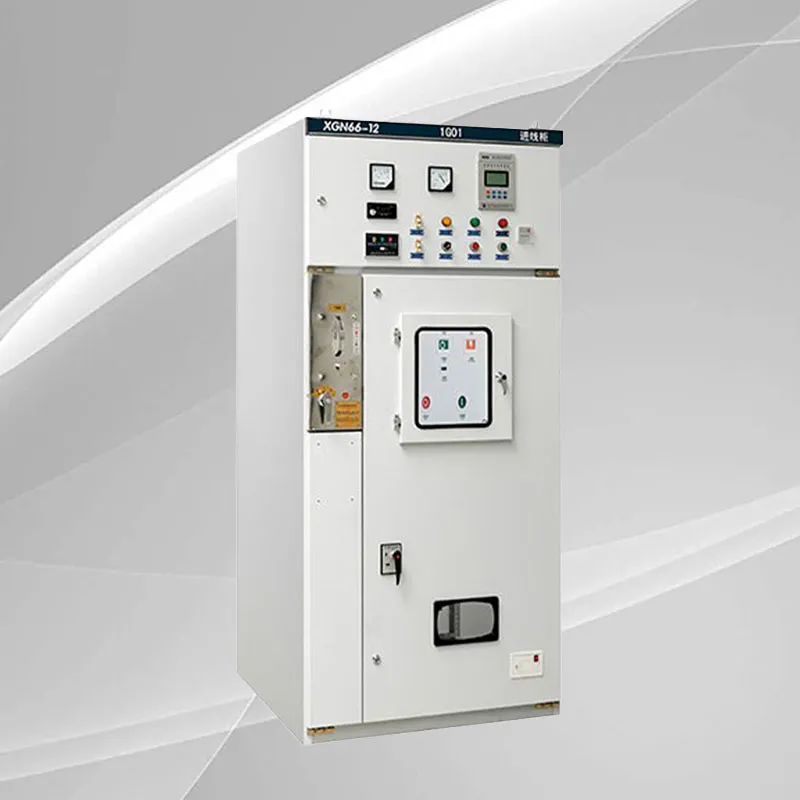 Fixed enclosed switchgear XGN66-12(Z)
-
 JXF weatherproof box for external use with enhanced dust protection
-
 High voltage internal switch
-
 Metal Enclosed Stationary AC Switchgear XGN15-12
-
 XGN66-1210KV High Voltage Ring Cabinet
-
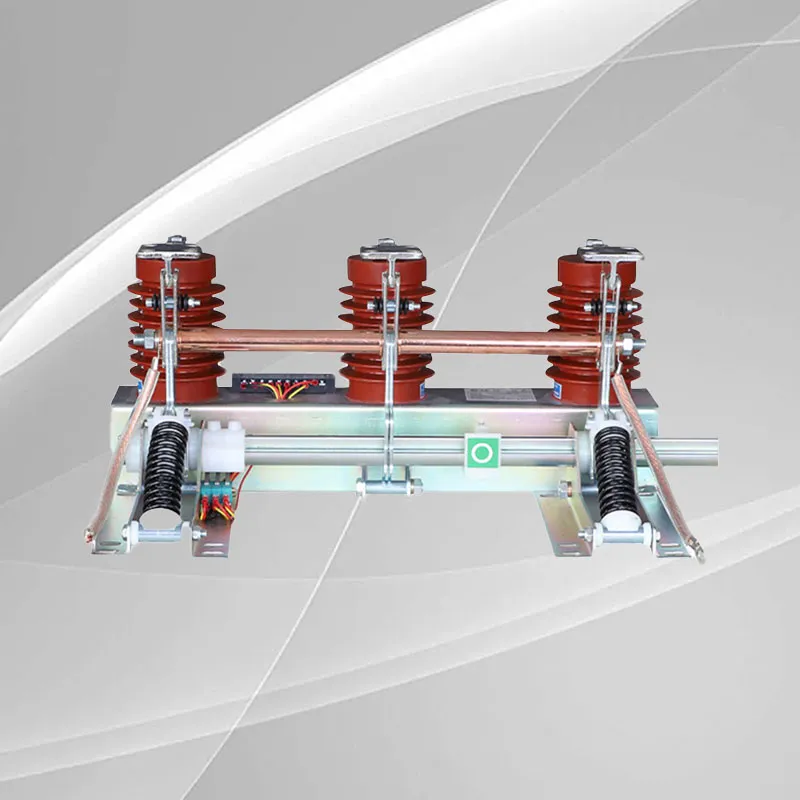 Indoor high voltage earthing switch type JN15



