


DC power transformers
In the electrical equipment market, there are often inaccuracies in the understanding of terminology, especially when it comes toDC power transformers. People confuse them with rectifiers or inverters, thinking that they are simply voltage conversion devices. In fact, this is a rather specific element, and its application requires deep knowledge in the field of electromagnetic compatibility, heat dissipation and, of course, circuit design. I will try to share some observations based on practical experience and dispel some common misconceptions. We will not go into theoretical jungle, but will focus on what is really important when choosing and operating such transformers.
What isDC power transformerreally?
Before going into detail, it is important to clearly define what we mean by the termDC power transformer. It is essentially a transformer designed to operate with direct current, but with some important features. Unlike conventional AC transformers, they use a specialized winding and core design optimized for DC operation and to minimize losses. Basically, such transformers are used in power supply systems where galvanic isolation and DC voltage level conversion are required.
An important aspect is heat dissipation. Losses inDC power transformerscan be significant, especially at high power levels, so efficient cooling is critical. Typically air or oil cooling is used, and sometimes active cooling systems with fans are used. The choice of cooling system depends on the power of the transformer, operating conditions and reliability requirements.
When designing such transformers, special attention is paid to magnetic induction and current density in the core. Insufficient elaboration of these parameters can lead to overheating and failure of the transformer. We have encountered situations where a seemingly minor change in core design resulted in a significant increase in winding temperatures.
Main Applications
DC power transformersfind their application in a wide variety of industries. These are power supply systems for industrial equipment, electric vehicles, solar power plants, as well as medical equipment and uninterruptible power systems (UPS).
In the field of electric vehicles, for example, they are needed to convert the high voltage of the battery into the low voltage used to power various vehicle systems such as lighting, infotainment and electronic control units. This is a very critical element, and the safety and functionality of the electric vehicle depends on its reliability.
When working with solar power plants,DC power transformersare used to convert direct current produced by solar panels into alternating current, which can then be used in the electrical grid or to power consumers. It is also important to consider losses and conversion efficiency, as well as electromagnetic compatibility requirements.
Problems you encounter at work
In practice, working withDC power transformersassociated with a number of specific problems. For example, the difficulty of diagnosing faults. Unlike AC transformers, where standard diagnostic methods can be used, here it is often necessary to resort to more complex methods such as insulation resistance measurements, electromagnetic radiation spectrum analysis, etc.
Another challenge is ensuring electromagnetic compatibility.DC power transformersmay create significant electromagnetic interference that may affect the operation of other electronic devices. Therefore, it is necessary to use shielding and filtering to suppress this interference. Wenzhou Qiaonasen Electrical Equipment Co., Ltd. designs and manufactures transformers that meet the highest electromagnetic compatibility requirements.
We have repeatedly encountered problems associated with overheating of transformers. This can be caused by various factors, such as incorrect selection of the cooling system, contamination of the heat exchange elements or overload of the transformer. Regular temperature monitoring and timely maintenance are the key to reliable operation.
Case Study: UPS Heat Sink Problem
We recently had an order for developmentDC power transformerfor uninterruptible power supply system (UPS). During the design, an air cooling system was chosen, but during testing it was discovered that the transformer overheats greatly at peak loads. We had to revise the core design and add additional heat-dissipating elements. Ultimately, it was possible to achieve stable operation of the transformer under any load.
Current trends and prospects
The current trend is towards the development of more compact and efficientDC power transformers. This is achieved through the use of new materials and technologies, such as thin film technologies and nanotechnologies. Transformers with active cooling and a built-in monitoring system are also being actively developed.
One promising direction is the use of solid-state components to replace traditional electromagnetic components. This will significantly reduce losses and increase the reliability of transformers. Wenzhou Qiaonasen Electrical Equipment Co., Ltd. follows the latest trends in the field of electrical engineering and introduces innovative solutions into its products.
It is important to understand that the choiceDC power transformeris a complex task that requires taking into account many factors. The power, voltage, frequency, electromagnetic compatibility and operating environment requirements must be carefully analyzed. You should not skimp on quality and reliability, as this can lead to serious consequences.
Materials for further study
I recommend paying attention to the transformer specifications provided by the manufacturers, as well as electrical safety standards such as IEC 61869. These documents contain valuable information about the requirements forDC power transformersand help you make the right choice.
Studying specialized forums and technical publications can also be useful for obtaining information about the latest advances in the field of electrical engineering.
Correspondingproducts
Related Products



Best Sellingproducts
Best Selling Products-
 Oil transformer
-
 XGN15-12 AC High Voltage Ring Switchgear with Sulfur Hexafluoride
-
 XGN15-12 Gas Insulated Ring Distribution Unit Output Cell
-
 Indoor High Voltage Isolation Circuit Breaker with Ceramic Insulators
-
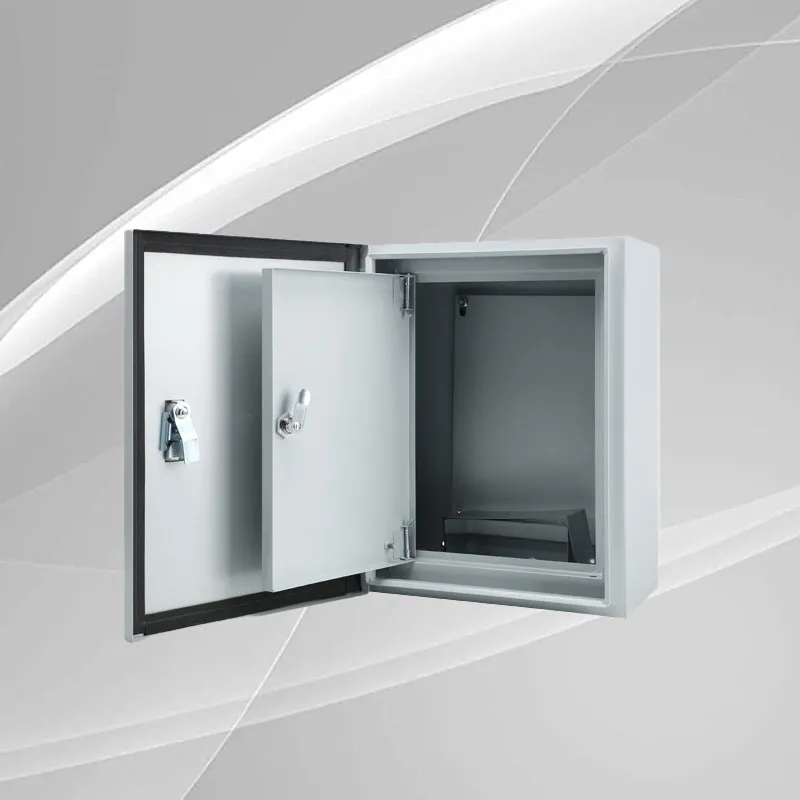 Indoor distribution cabinet with double door
-
 Transparent circuit breaker with plastic housing
-
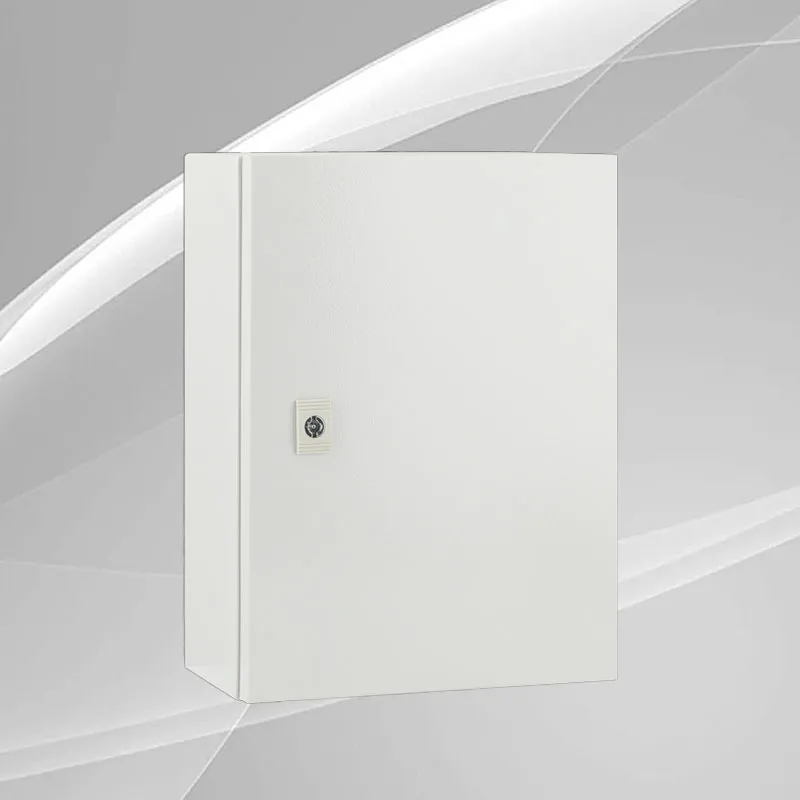 Apartment switchboard
-
 MBW1 series intelligent universal circuit breakers, three-pole fixed
-
 High voltage ring cabinet XGN66-12/10kV
-
 Explosion Proof Oil Induction Voltage Regulator
-
 Rotating internal high voltage disconnector
-
电动智能户外柱上高压真空断路分合闸开关.2.webp) ZW7-40.5 (side mounting) is an intelligent outdoor high-voltage vacuum circuit breaker with electric drive.
Relatedsearch
Related Search- distribution board schrv p 12
- manual drives for circuit breakers
- groups of windings of power transformers
- power transformer device
- automatic circuit breaker armat
- circuit breaker 1000v
- circuit breaker VA 45
- distribution board schrnm 1
- China power transformers 6 0 4 kV main buyer
- hinged distribution board ip55



