


power transformers are used
Transformers are the foundation of any modern power system. And although they seem simple, there are many nuances in their application that are not always discussed in textbooks. Often when it comes topower transformers, the emphasis is on technical characteristics: voltage, power, losses. But about real operating conditions, about how they behave in non-standard situations, about finding the optimal solution - that’s another story. I want to share my experience gained over the years of work in the field of electrical equipment, and I hope that this will be useful to those who encounter these devices in practice.
Quick Review: Why Read This Article
This article is not a theoretical treatise. There are no dry formulas or abstract reasoning here. We'll talk about real-life challenges that engineers and electricians face when choosing and usingpower transformers. We will analyze common mistakes, discuss installation and maintenance features, and discuss safety issues. If you want practical information based on real-life experience, then you've come to the right place.
Choosing a transformer for a specific task: not just numbers
At first glance, the choicepower transformerIt seems simple - you need to match the power and voltage. But this is just the tip of the iceberg. It is important to take into account many other factors: type of load, operating mode, environmental conditions. For example, a transformer designed for use in dry areas will not be suitable for use outdoors. And to work in an aggressive environment (for example, in the chemical industry) special coatings and materials will be required.
I remember one case where we installed a transformer in a workshop with high humidity. Initially, the declared parameters met the requirements, but after a few months the transformer failed. It turned out that the humidity significantly exceeded the permissible values, which led to corrosion of the insulation. In the middle of the night there was a breakdown and the entire workshop was shut down. It was a painful lesson that taught us to carefully evaluate all factors and not rely solely on technical specifications.
Features of installation and commissioning
Correct installationpower transformer- this is half the success. This cannot be done without careful adherence to technology and the use of quality materials. It is important to correctly align the transformer, ensure reliable grounding, and provide protection against overloads and short circuits. For example, an improperly grounded transformer can cause electric shock or equipment damage.
We have had experience working with transformers installed without proper grounding. There were voltage drops several times and the transformer burned out. Then we introduced strict control over the installation process and introduced a mandatory grounding check after installation of each transformer. Don't waste your time - it can be expensive.
Maintenance and diagnosticspower transformers
Regular maintenance is the key to long and trouble-free operationpower transformers. During maintenance, it is necessary to monitor the condition of the insulation, check the oil level (in oil transformers), measure the insulation resistance, and check the condition of the ventilation holes. At an early stage, signs of malfunction can be detected and serious breakdowns can be prevented.
We use ultrasonic diagnostics to monitor the condition of insulation. This allows you to identify hidden defects that are invisible during visual inspection. This is an expensive procedure, but it allows you to avoid unscheduled repairs and extend the life of the transformer. You should not skimp on diagnostics - this is an investment in the stable operation of your equipment.
Typical problems and solutions
What problems most often arise during operation?power transformers? This could be overheating, insulation damage, oil leakage, or ventilation problems. Each of these problems requires an individual approach to solution. For example, overheating may be caused by an overloaded transformer, insufficient cooling, or dirty insulation. In this case, it is necessary to reduce the load, improve ventilation or clean the insulation.
It often happens that the problem lies in the incorrect operation of the automatic protection system. Sometimes the circuit breaker trips falsely, which leads to the transformer shutting down and equipment downtime. It is important to carefully configure the automatic protection so that it responds only to real emergency situations. It is also important to have spare parts to quickly fix breakdowns.
Current trends in production and applicationpower transformers
Manufacturerspower transformersWe are constantly developing new technologies aimed at improving the efficiency and reliability of devices. In particular, the direction of solid-state transformers, which are distinguished by their smaller size, weight and noise level, is now actively developing. There are also transformers with intelligent monitoring systems that allow you to remotely monitor their condition and predict possible breakdowns. For example, Wenzhou Qiaonasen Electrical Equipment Co., Ltd. offers a wide range of transformer equipment that meets the latest requirements.
We are seeing a trend towards transformers with improved performance, such as increased surge protection. This is especially true for facilities located in areas with high thunderstorm activity. There is also a growing demand for transformers with the ability to be integrated into smart home systems, which allows for remote monitoring and load management. The development of technology makes working with transformers more and more efficient and safe.
Conclusion: experience is the best teacher
In conclusion, I would like to say that working withpower transformers- This is a responsible and interesting occupation. It requires not only in-depth knowledge of technical characteristics, but also practical experience, the ability to analyze the situation and make the right decisions. Don't be afraid to experiment, learn from your mistakes and always remember safety.
I hope this article will be useful to you. If you have any questions, feel free to ask them in the comments. We are always happy to help.
Correspondingproducts
Related Products


Best Sellingproducts
Best Selling Products-
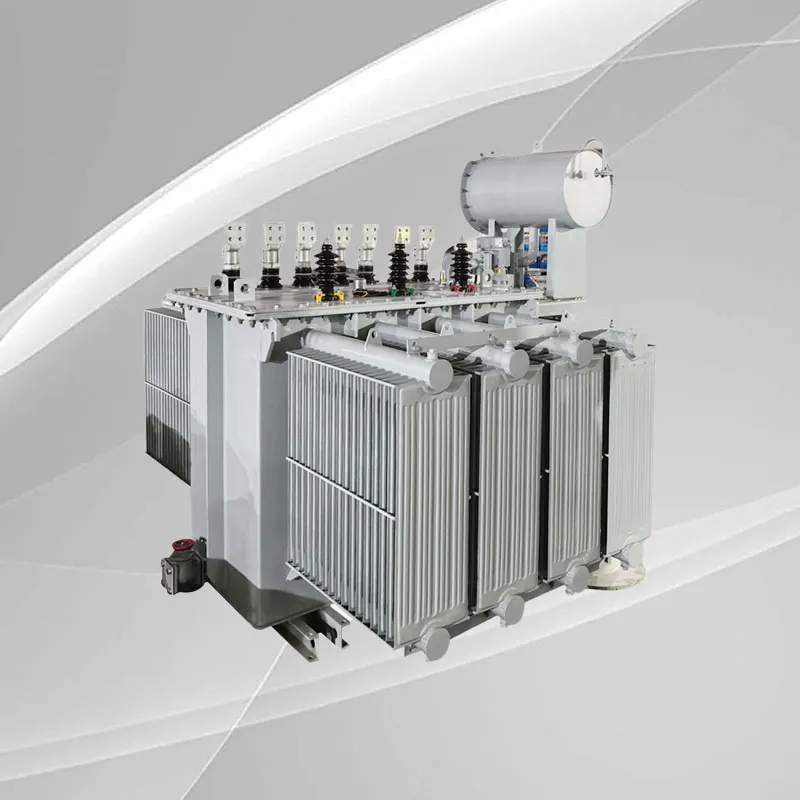 Oil transformer
-
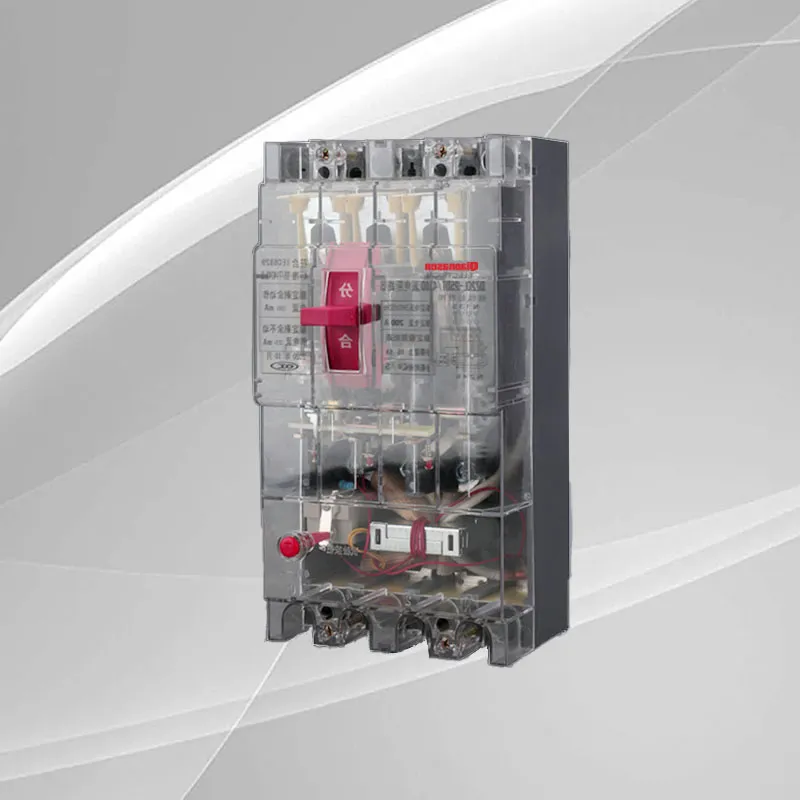 Circuit breaker with transparent plastic housing
-
 PT-12 Internal high voltage voltage transformer with withdrawable element
-
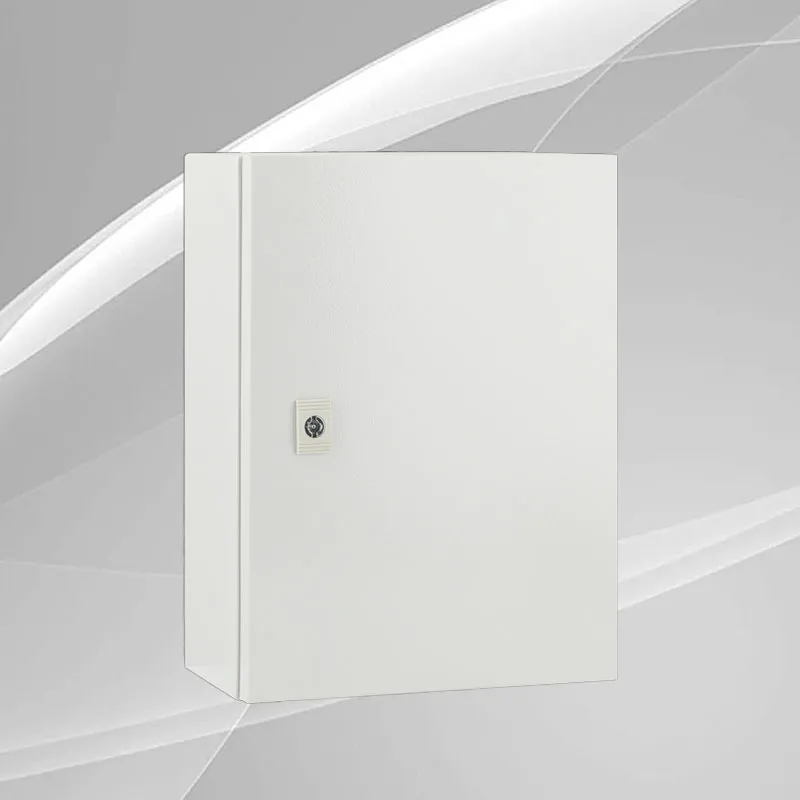 Apartment switchboard
-
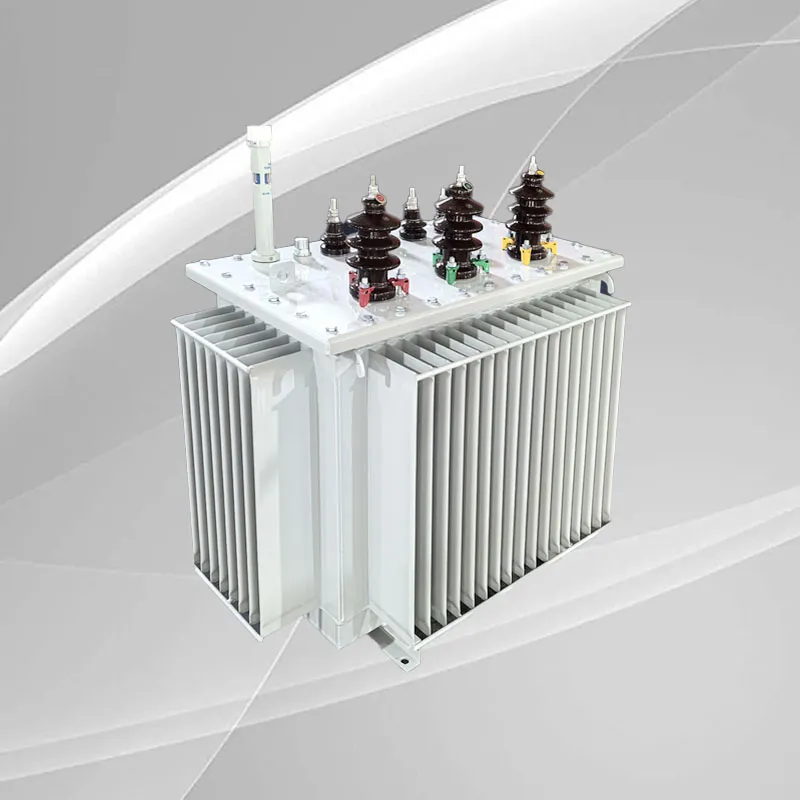 Oil power transformer
-
 JYSF6-12 fully insulated gas-filled ring distribution device
-
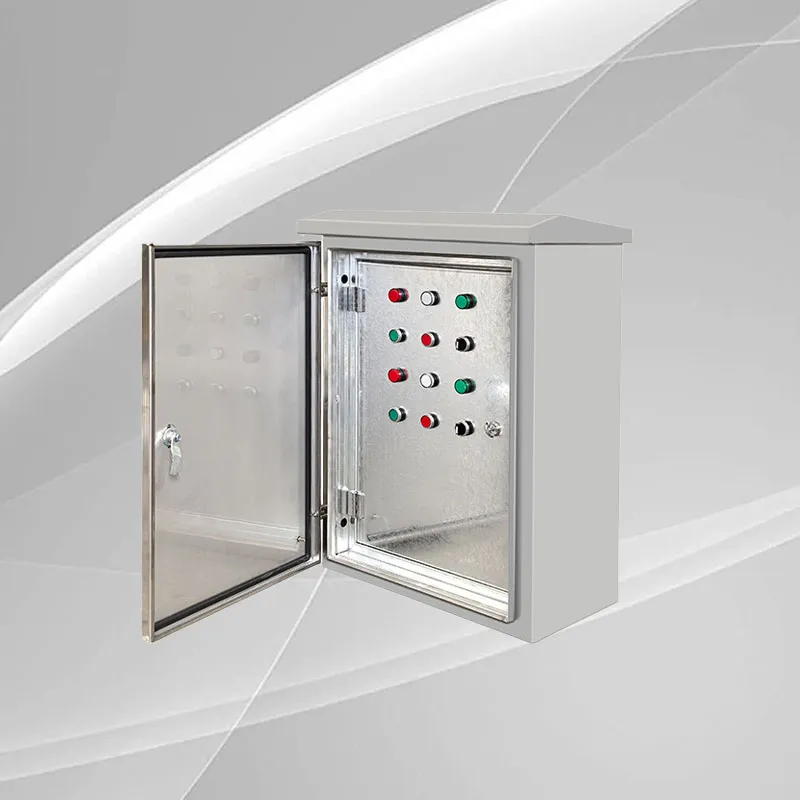 Stainless steel control panel
-
 Transparent Industrial Automatic Three Phase Four Wire Leakage Proof Switch
-
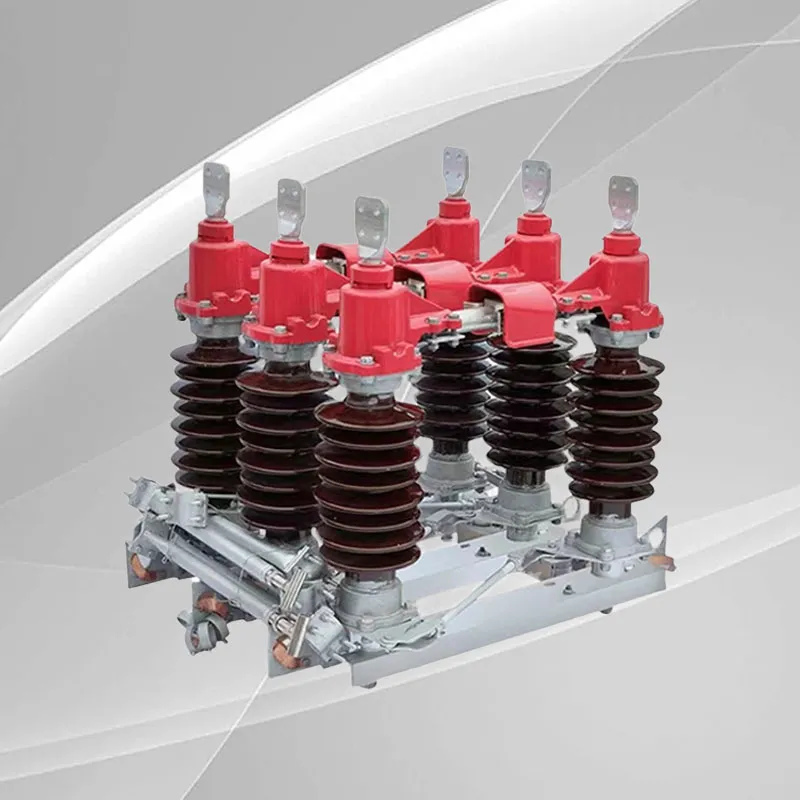 Outdoor high voltage isolating switch type GW4-40.5
-
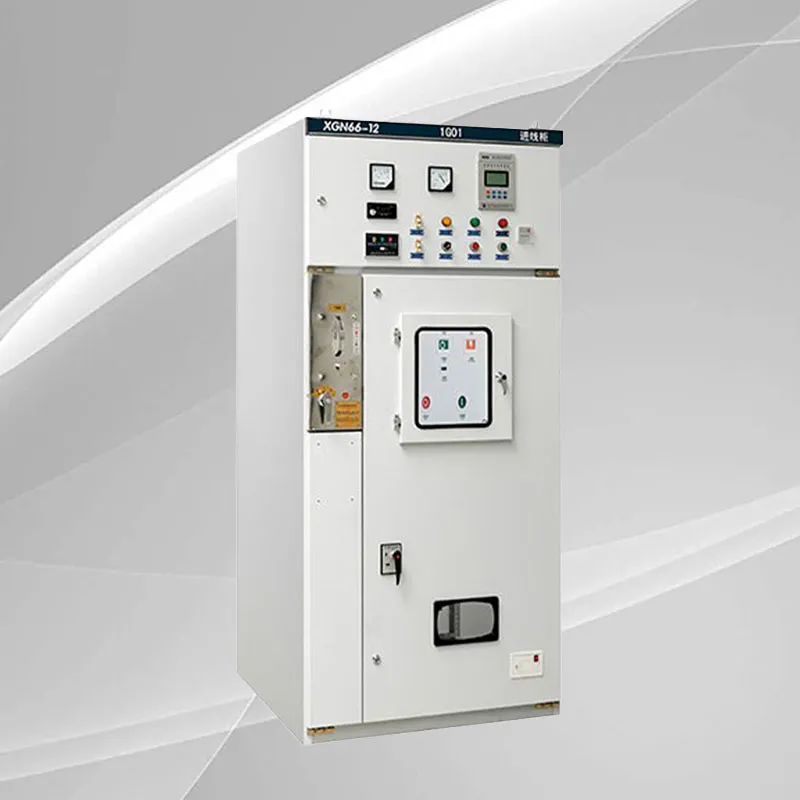 Fixed enclosed switchgear XGN66-12(Z)
-
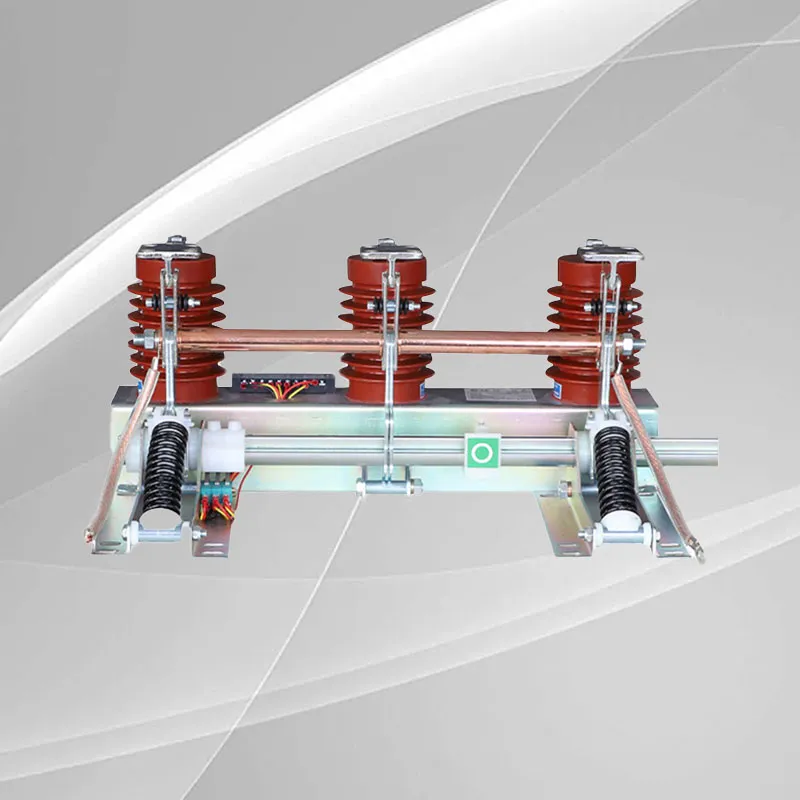 Indoor high voltage earthing switch type JN15
-
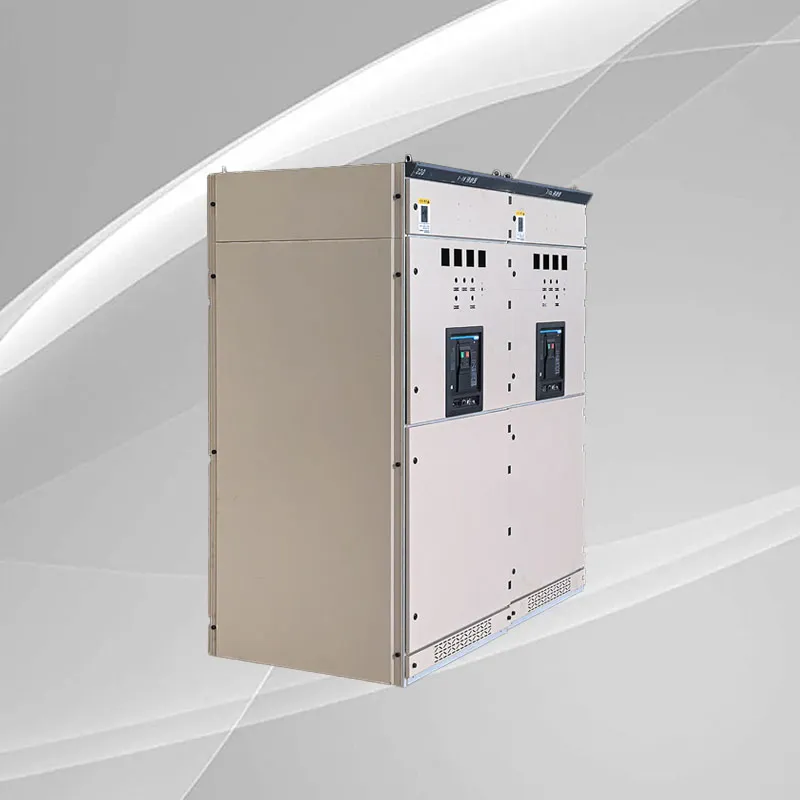 Low-voltage withdrawable distribution cabinet GCS (input cabinet)
Relatedsearch
Related Search- China power transformer short main buyer
- advantages of a dry transformer
- circuit breaker 1p 16a 6ka
- distribution board for 64 modules
- China power transformer kva main buyer
- power transformer course
- circuit breaker 3p 200a
- purchase of power transformers
- China table of dry-type transformers
- on-load tap changer for dry transformer



