


indoor dry transformer
Dry transformer indoors- This is, at first glance, a simple solution. No oil, no worries about leaks. But, believe me, behind the apparent simplicity there are many pitfalls, which are often kept silent in standard specifications. There are often situations when, after installation, problems arise with cooling, reduced power, or even complete failure. I have encountered them several times, and would like to share the experience I have collected over the years of work. I don’t pretend to be the absolute truth, it’s more of a set of practical observations and recommendations.
Introduction: Why do you need a dry transformer indoors?
Before diving into the details, it’s worth recalling why you choosedry transformersfor premises. Environmental friendliness, safety, lack of maintenance - all these are, of course, important advantages. However, the choice, as always, requires a balanced approach. Sometimes, from an economic point of view, an oil transformer can be more profitable, especially at high power. But that's another story.
In particular, recently there has been an increase in demand fordry electrical equipmentin the industrial sector, and this is quite justified. Requirements for environmental friendliness and safety are growing, anddry transformersmake it possible to satisfy these requirements. For example, we often install them in areas containing sensitive electronic devices where even minimal oil contamination is unacceptable.
Cooling: Main challenge of dry transformer
This is where the fun begins. Main problemdry transformer– this, of course, is cooling. Unlike oil-based transformers, which effectively dissipate heat through oil, dry-type transformers rely on air cooling. And here it is important to design the system correctly. Natural ventilation is most often used, but in some cases forced systems using fans are necessary.
For example, we recently worked on a project for a production workshop. The transformer, according to the specification, had to provide a certain power. But after installation, the temperature of the windings significantly exceeded the permissible values. It turned out that the ventilation of the room was insufficient. We had to install additional fans, which, of course, increased the cost of the project. But this was necessary to ensure reliable and safe operation of the transformer. This case shows that you cannot skimp on the cooling system.
An important point: it is necessary to take into account the heat dissipation of the transformer, as well as the heat dissipation of equipment located nearby. You shouldn’t use minimal ventilation – it’s better to be safe. We often recommend thermal imaging analysis after installation to ensure the effectiveness of the cooling system.
Effect of Humidity on Cooling Efficiency
Air humidity has a significant impact on the efficiency of air cooling. High humidity reduces the thermal conductivity of air, which makes it difficult to remove heat from the windings. Therefore, in rooms with high humidity, it is necessary to take additional cooling measures, for example, use dehumidifiers or install a forced ventilation system with air filtration.
We encountered a situation where a transformer installed in a room with high humidity overheated even with normal ventilation. It was necessary to install an additional dehumidifier, which reduced humidity and increased cooling efficiency. This highlights the importance of taking climate conditions into account during design and installation.dry transformer.
Installation specifics and room requirements
Installationdry transformerrequires compliance with certain rules and requirements. First of all, it is necessary to ensure reliable fastening of the transformer to a wall or a special platform. It is important to consider vibration and other mechanical influences that can affect the performance of the transformer. In addition, there must be sufficient clearance between the transformer and the walls to allow air circulation.
Don't forget about the requirements for the premises. The room must be dry, clean and well ventilated. The presence of dust, dirt and other contaminants that may impair the cooling of the transformer is not allowed. It is also necessary to ensure that the transformer is protected from mechanical damage and exposure to direct sunlight.
Grounding and surge protection
Proper grounding is critical to ensure safe and reliable operationdry transformer. It is necessary to ensure a reliable connection between the transformer housing and the ground loop. In addition, it is necessary to provide surge protection, for example, install surge protection devices (SPDs).
Poor grounding can result in electric shock and damage to the transformer. And the lack of surge protection can lead to transformer failure during voltage surges in the network. We always carry out a comprehensive inspection of electrical equipment after installation to ensure compliance with safety requirements.
Real examples and mistakes
Over the years, we have accumulated a lot of experience. And, of course, there were many mistakes. One of the common mistakes is the incorrect choice of transformer power. You should not choose a transformer with a minimum power reserve to avoid overloading it. Also, you should not choose a transformer that is too powerful, so as not to waste extra money and create an unnecessary load on the power supply system.
In one of the projects, we selected a transformer with insufficient power, which led to its constant overload and failure after a few months. It was necessary to replace the transformer with a more powerful one, which increased the cost of the project and led to a delay in the completion of the project. This case shows that it is important to carefully calculate the power of a transformer, taking into account all factors.
Features of choosing a transformer for specific tasks
Choicedry transformerfor specific applications depends on many factors, including power, voltage, load type and operating conditions. There is no universal solution, and it is necessary to approach the choice of transformer individually, taking into account all the features of the project.
For example, when powering sensitive equipment, it is recommended to select transformers with high voltage accuracy and low harmonic distortion. And to power powerful loads - transformers with high throughput and a reliable cooling system. We always advise our clients on the choice of transformer, helping them choose the optimal solution for their tasks.
Conclusion
In conclusion, I would like to emphasize once again that the installationindoor dry transformer– this is not an easy task that requires a professional approach. You should not skimp on the quality of equipment and installation work. It is important to take into account all factors affecting the performance of the transformer and comply with the rules and safety requirements. I hope my observations and recommendations will help you avoid mistakes and ensure reliable and safe operation of your electrical equipment.
Wenzhou Qiaonasen Electrical Equipment Co.,Ltd
https://www.qnasen.ru
Specializing in solutions for high and low voltage transmission and distribution and electrical control systems in the power equipment industry.
Correspondingproducts
Related Products



Best Sellingproducts
Best Selling Products-
 JXF weatherproof box for external use with enhanced dust protection
-
 VS1 ZN63-12 1250A fixed indoor high voltage vacuum circuit breaker
-
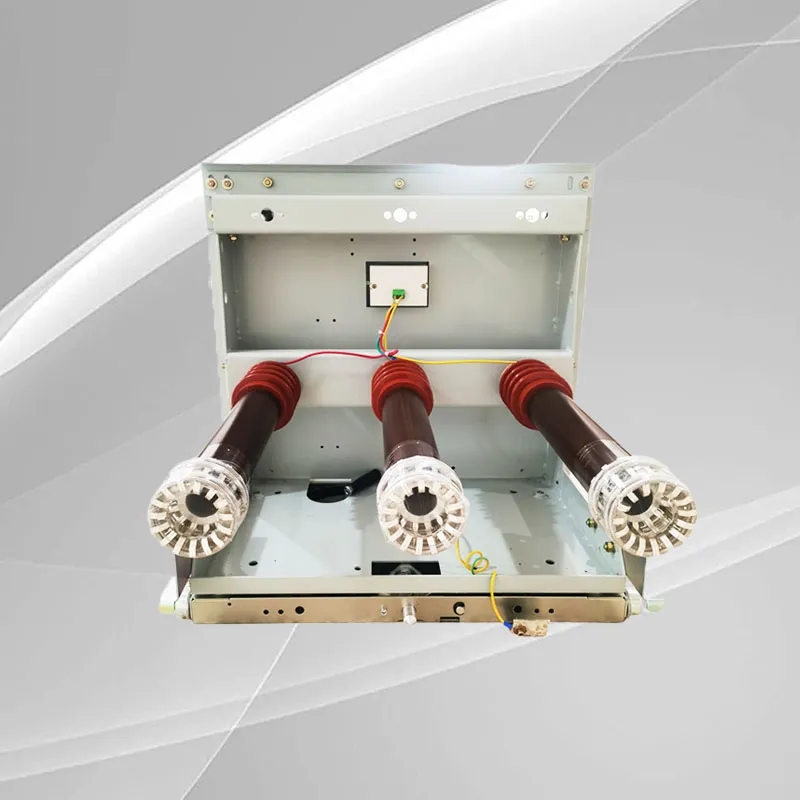 Withdrawable element for electricity metering with voltage check function
-
 Complete low voltage distribution board made of stainless steel
-
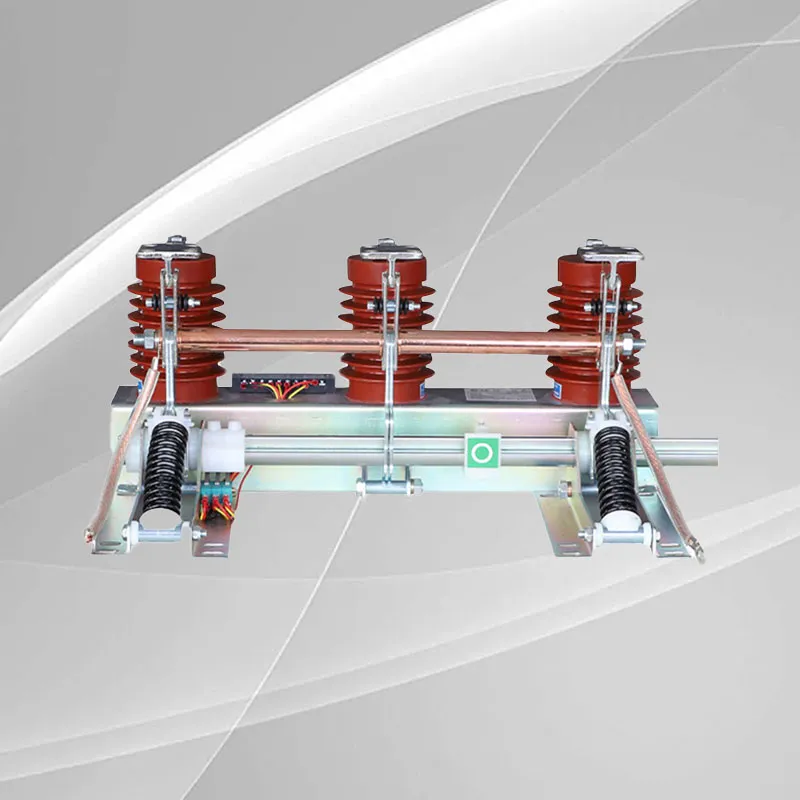 Indoor high voltage earthing switch type JN15
-
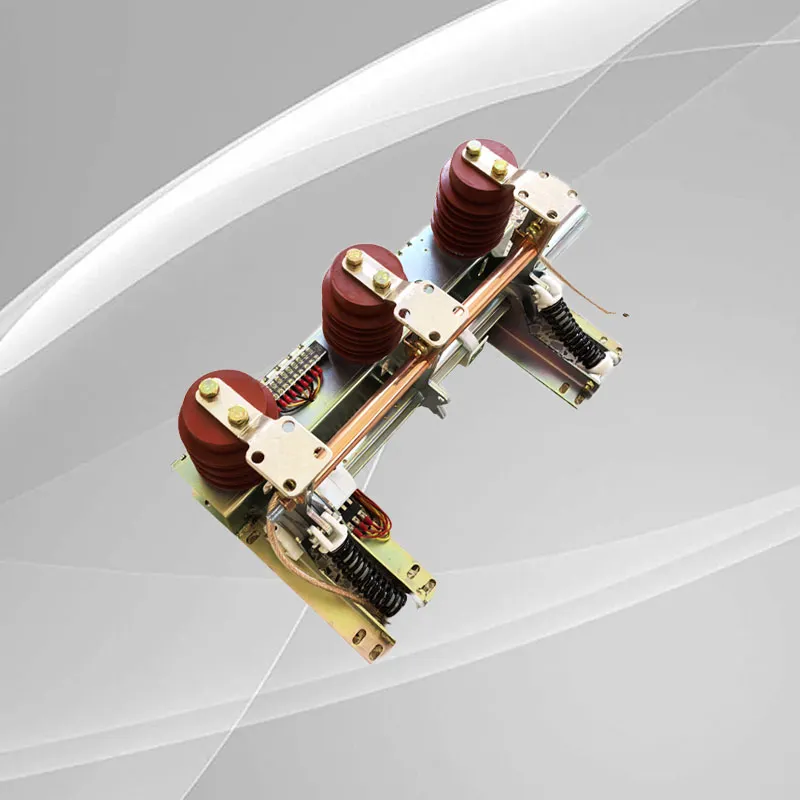 Internal high voltage grounding switch
-
 Outdoor Waterproof Stainless Steel Switchboard
-
电动智能户外柱上高压真空断路分合闸开关.2.webp) ZW7-40.5 (side mounting) is an intelligent outdoor high-voltage vacuum circuit breaker with electric drive.
-
 Complete high-voltage distribution cabinet KYN28A-12 with input and linear cells and instrument transformer compartment
-
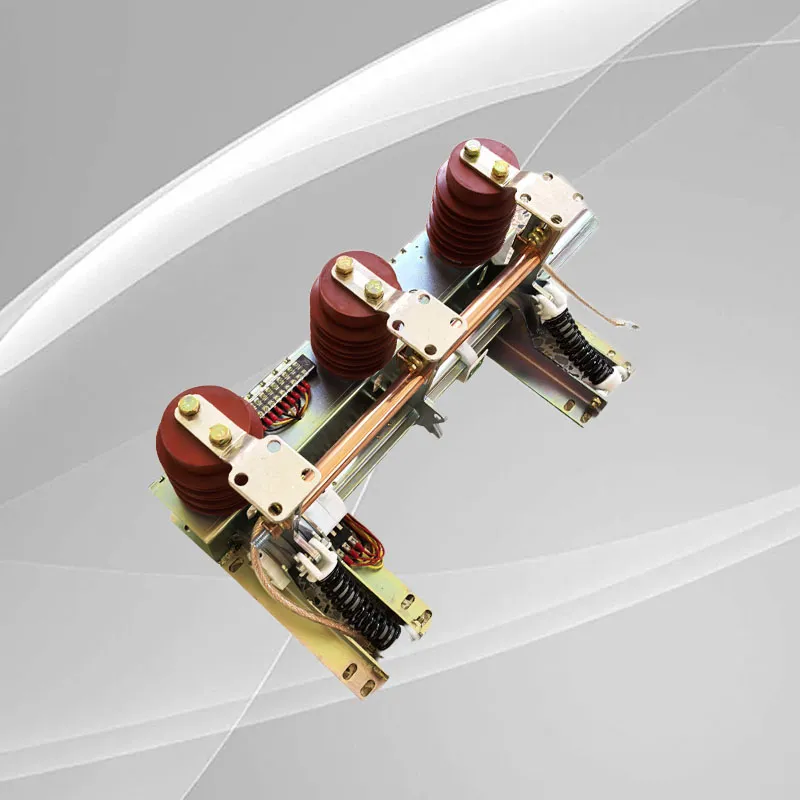 JN15-12-31.5 internal high voltage grounding switch
-
 DZ15LE Leakage Current Circuit Breaker - White 3P 4P Low Voltage AC
-
 Internal high-voltage disconnector GN19-630A with double input and grounding contact
Relatedsearch
Related Search- distribution board okpd2
- circuit breaker keaz 6a
- power transformer TMG 1250
- China energy saving transformers oil transformers
- China rating of dry type transformers
- abb c32 circuit breaker
- distribution board for 64 modules
- China dry transformer 6kv
- distribution board shchrv 12 ip31
- Rotary internal high voltage circuit breaker



