


power transformer leak
Oil leak inpower transformer– an unpleasant and often underestimated thing. Many people believe that this is always associated with serious damage that requires complete disassembly and repair. This is not always the case. Often, especially in the early stages, the problem is much simpler and boils down to small leaks caused by worn seals or improper operation. It also happened, of course, when a leak was discovered after a powerful power surge - oil seemed to splash out and fly out from different places. But I will try to talk not only about the consequences, but also about possible causes and, more importantly, about methods of diagnosis and elimination. And, yes, we should not forget about the factor of the human element, which many masters prefer to remain silent about.
The big picture: from minor drop to disaster
First of all, you need to understand thatpower transformer leak– this is not just an aesthetic problem. Loss of oil leads to a decrease in the dielectric strength of the insulation, which can ultimately lead to a short circuit and failure of the transformer. Even a small leak is a signal to take immediate action. The question is not *when* the transformer will break, but *how long* it will operate with a leak. Leakage inevitably accelerates the aging of insulation, especially at elevated temperatures and loads. This is why constant monitoring of the oil level is vital.
Types of leaks and their characteristic features
Leaks can vary. Sometimes oil drips from the windings, sometimes it flows through the housing, sometimes it appears from under the covers. For example, if a leak is observed from under the tank, then this usually indicates damage to the o-ring or tank. And if oil leaks from the junction of the windings with the core, this is most likely due to wear of the gasket or damage to the insulating layers. It is important not only to determine the location of the leak, but also to assess its intensity. Naturally, minor leakage is one thing, but rapid leakage is quite another.
Diagnostics: identifying the causes of the leak
Diagnosticspower transformer leaksstarts with a visual inspection. The collected data, combined with experience, helps form a preliminary picture. You need to carefully inspect all connections, seals, covers, and tank for cracks and chips. Do not neglect to inspect the location of the oil cooler - often this is where the first signs of a leak are found. Sometimes it helps to use an ultraviolet indicator, which allows you to identify microcracks in the insulation. It must be used carefully, on undamaged areas, so as not to create false signals.
Checking insulation and oil
After a visual inspection, it is necessary to conduct a more detailed diagnosis. First of all, check the dielectric strength of the winding insulation. This can be done using a megohmmeter (megger). The test results must correspond to the passport data of the transformer. It must be taken into account that the results of megaohmmetry depend on temperature and humidity. Another important step is oil analysis. The oil must be checked for impurities, decreased dielectric strength, and water and acid content. Suspicious readings in the oil may indicate damage to the winding insulation or the presence of corrosion in the transformer.
Unobvious reasons and false leaks
Sometimes what appears to be an oil leak could be something completely different. For example, condensation. Indoor humidity, especially with sudden temperature changes, can cause condensation to form on the transformer housing, which is mistakenly perceived as an oil leak. In addition, there may be a problem with the ventilation of the transformer room - poor air circulation contributes to the formation of condensation. Another reason is improper installation. You can often find cases where during installation the bolts were not tightened correctly or the seals were not installed. And then, after some time, a drop of oil appears.
Leak repair: from minor repairs to major repairs
How to fix leaks depends on the cause and extent of the damage. For minor leaks, it is sufficient to replace the O-rings or gaskets. More severe damage to the windings or frame requires more complex repairs, which may include insulation repairs, replacement of damaged components, or even major transformer repairs. It is important to remember that any intervention in the transformer design must be carried out by qualified personnel in compliance with all safety measures.
Seal replacement procedure: important nuances
Replacing seals is a fairly common procedure. When replacing, it is important to use seals recommended by the manufacturer. Do not use homemade seals or seals that do not meet specifications. You must also ensure that the surface on which the seal is installed is clean and level. Before installing a new seal, it is recommended to lubricate it with a thin layer of special seal lubricant. It is important to install the seal correctly to ensure a tight connection. Improper seal installation may result in repeated oil leakage.
Major repairs: when necessary
Major renovationpower transformer- This is a complex and expensive process that is carried out when there is serious damage to the insulation of the windings, core or housing. Overhaul includes disassembling the transformer, cleaning all elements from contamination, checking the insulation of the windings, replacing damaged elements, as well as assembling and testing the transformer. Major repairs must be carried out in specialized workshops with the necessary equipment and qualified personnel. It is not recommended to try to overhaul the transformer yourself, as this can lead to serious consequences.
Leak prevention: prevention is better than cure
The best way to avoid problems withpower transformer– this is timely maintenance and prevention. Regular inspection of the transformer, checking the oil level, oil analysis, as well as timely replacement of seals are the main preventive measures. It is also necessary to follow the rules for operating the transformer, avoid overloads and sudden surges in voltage. And, of course, it is important to ensure proper ventilation of the transformer room. Following these simple rules will help to significantly extend the life of the transformer and avoid unpleasant surprises.
If you have any questions aboutpower transformer leaksor need to repair it, please contact Wenzhou Qiaonasen Electrical Equipment Co.,Ltd. We specialize in high and low voltage transmission and distribution solutions and electrical control systems for the power equipment industry. Our experience and qualifications will allow us to quickly and effectively solve any problem.
Correspondingproducts
Related Products


Best Sellingproducts
Best Selling Products-
 Three-phase energy efficient transformer
-
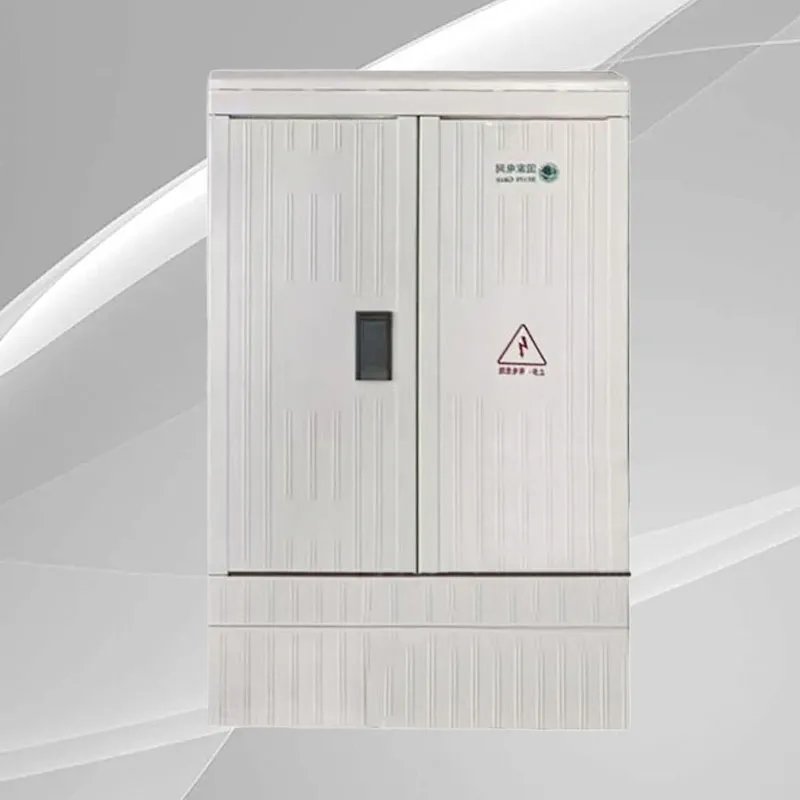 Thickened fiberglass housing for low voltage cable distribution board
-
 Outdoor High Voltage Smart Vacuum Circuit Breaker
-
电动智能户外柱上高压真空断路分合闸开关.2.webp) ZW7-40.5 (side mounting) is an intelligent outdoor high-voltage vacuum circuit breaker with electric drive.
-
 Circuit breaker transparent
-
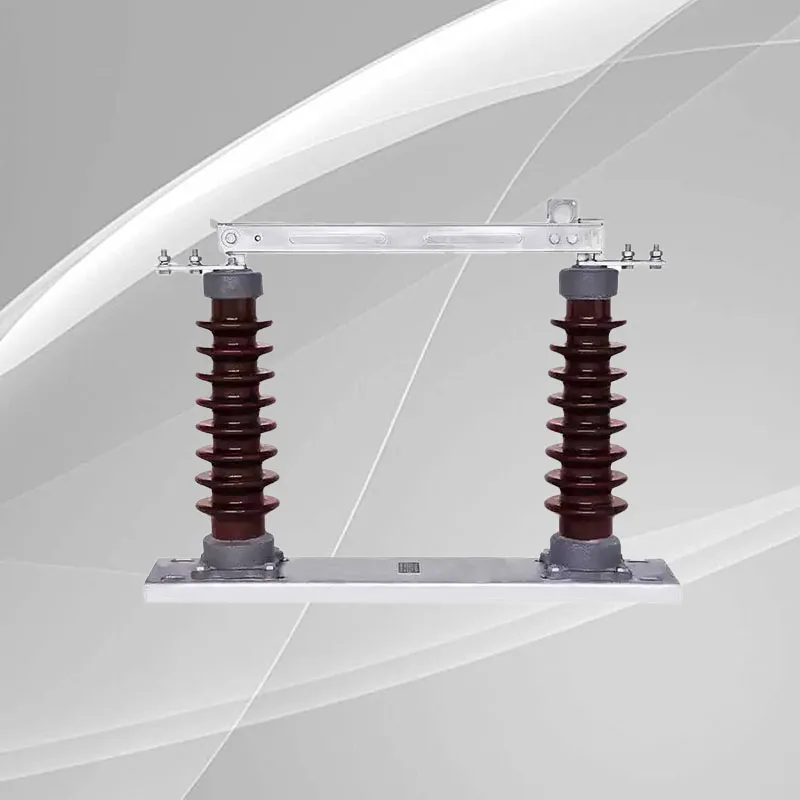 Outdoor high voltage disconnector type GW9
-
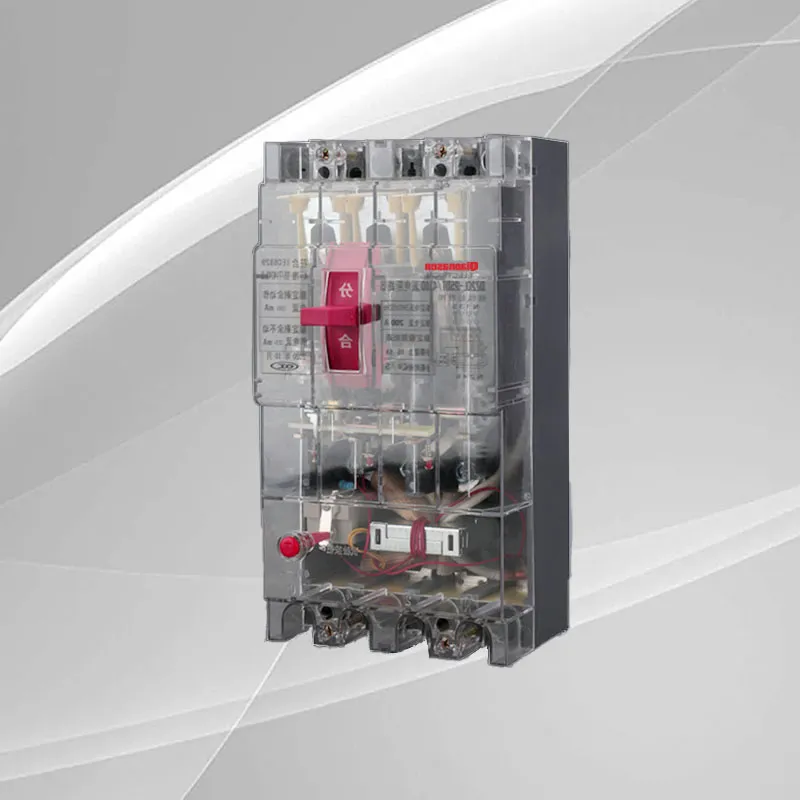 Circuit breaker with transparent plastic housing
-
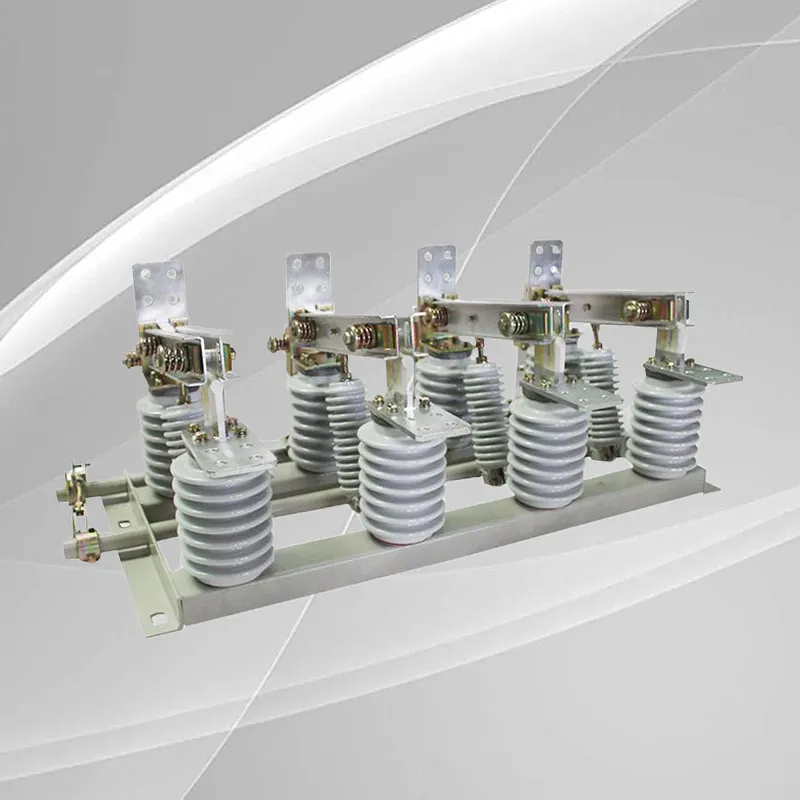 High voltage isolation switch GN24-12 for indoor use
-
 Transparent circuit breaker with plastic housing
-
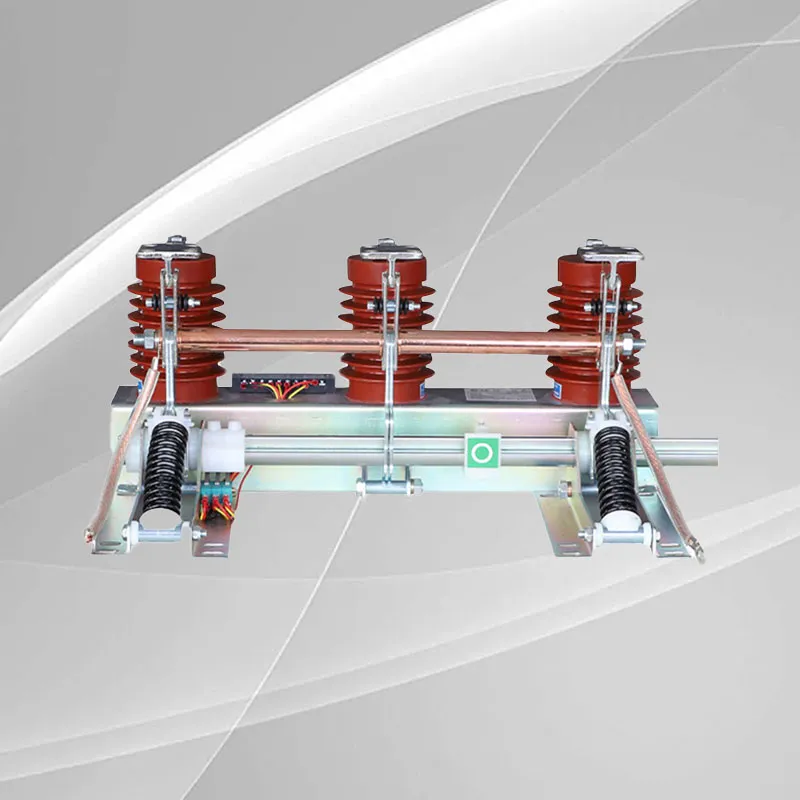 Indoor high voltage earthing switch type JN15
-
 Outdoor waterproof distribution cabinet
-
 Mine transformer BKC-150VA



