


requirements for dry transformers
Recently, there has been increased interest indry transformers. Often, when choosing, customers focus on price, but I see that not enough attention is paid to the totality of requirements that affect reliability and durability. Many people underestimate the importance of an integrated approach, which subsequently leads to problems and the need for expensive repairs or replacements. In our work, Wenzhou Qiaonasen Electrical Equipment Co., Ltd., we often encounter situations where the transformer selected in terms of initial cost turns out to be much more costly to operate in the long run. It's not just about the initial price, but also the cost of maintenance and potential downtime.
Basic requirements for dry-type transformers: general overview
Before going into details, it is worth highlighting the key aspects that govern the requirements fordry transformers. First of all, these are electrical characteristics (power, voltage, frequency), compliance with safety standards (PUE, GOST), as well as requirements for the environment in which the transformer will be operated. An important but often overlooked factor is thermal stability and efficiency, which influence duty cycle and service life. And, of course, requirements for design and materials that ensure reliability and durability.
Electrical Specifications and Compliance
Obviously, the power and voltage must match the requirements of a particular network. But confusion often arises with tolerances and harmonic distortion. For example, harmonic tolerance requirements may differ significantly between industrial and commercial networks, and failure to comply with these requirements may result in overheating and premature failure of the transformer. We often advise clients on the need for harmonic filters, especially in situations with high levels of non-linear loads. Compliance with standards such as IEC and GOST is not just a formality, but a guarantee of safety and compatibility with existing infrastructure.
Safety and Electrical Code Compliance
Safety is an absolute priority. This includes having an effective grounding system, insulating high-voltage parts, and protecting against overvoltages and short circuits. In accordance with the PUE, all transformers must have appropriate markings and documentation. At Wenzhou Qiaonasen Electrical Equipment Co., Ltd., we pay special attention to insulation quality control and selecting materials with high temperature resistance and environmental resistance. It is not always enough to simply comply with the standards; it is necessary to take into account the specific characteristics of the specific operation and take additional precautions.
Thermal characteristics and operating efficiency
Overheating is one of the main enemies of a transformer. An efficient cooling system, the location of fans (if provided), and the thermal conductivity of the materials used in the design have a decisive influence on the thermodynamic characteristics. Dry transformers are generally more environmentally friendly than oil-based ones, but require more careful temperature control. An ineffective cooling system leads to reduced insulation life and an increased likelihood of accidents. When choosing, it is necessary to take into account the permissible temperature of the windings and ensure sufficient air circulation around the transformer.
Design features and materials
Constructiondry transformerdirectly affects its reliability and durability. Factors such as the quality of the terminal box, the tightness of the housing, resistance to vibration and mechanical stress are important. The use of high-quality steel for the magnetic core, well-insulated windings and reliable connections is the key to stable operation of the transformer throughout its entire service life. We, in turn, pay great attention to the selection of component suppliers, carefully checking their compliance with the declared characteristics and compliance with production technologies. We often see problems due to the use of low-quality materials in the terminal box; this is a direct path to leaks and short circuits.
Ventilation and cooling: role and features
The ventilation system is critical to dissipate heat from the windings. There are different types of ventilation systems: natural and forced. Forced ventilation provides more efficient cooling, but requires additional energy consumption and can be noisy. It is important to correctly calculate the power of the fans and ensure their reliable protection from dust and moisture. Sometimes, special heat sink materials or water cooling systems are used to improve cooling efficiency (although this is not a standard solution for dry-type transformers). This is especially true for high-power transformers operated in high ambient temperatures.
Winding insulation: types and characteristics
Winding insulation is one of the key elements that determines the reliability of a transformer. Various types of varnishes, epoxy resins, and dielectric papers are used as insulating materials. The choice of material depends on the required voltage, temperature and operating conditions. It is important that the insulation has high dielectric strength, heat resistance and resistance to chemicals. Regular monitoring of the insulation condition and timely replacement of damaged areas is an important part of transformer maintenance. Insufficient quality of insulation can lead to transformer failure and, as a result, to serious consequences.
Errors in selection and operation
We often come across mistakes that are made when choosing and usingdry transformers. For example, insufficient attention is paid to environmental conditions (temperature, humidity, pollution). Also, incorrect calculation of the load and non-compliance with the operating mode can lead to overload and overheating of the transformer. And, of course, it is important to follow the maintenance rules and carry out regular checks of the condition of the transformer. Insufficient qualifications of the personnel responsible for operating the transformer can also lead to problems.
The need for regular maintenance
Regular maintenance is the key to long and reliable operation of the transformer. This includes checking the condition of the insulation, cleaning the vents, checking the oil level (if used), checking the functionality of the fans and replacing worn parts. Developing and maintaining a maintenance schedule is an important part of your power reliability strategy. At Wenzhou Qiaonasen Electrical Equipment Co., Ltd., we offer a wide range of transformer maintenance services, including diagnostics and repairs.
Instead of a conclusion
Choicedry transformer– this is a responsible decision that requires an integrated approach and consideration of many factors. Don't skimp on quality or neglect maintenance. Only in this case can reliable and durable operation of the transformer be guaranteed and costly consequences avoided. I hope my experiences and observations shared with you will be helpful.
Correspondingproducts
Related Products


Best Sellingproducts
Best Selling Products-
 JYSF6-12 fully insulated gas-filled ring distribution device
-
 Outdoor distribution cabinet made of 201 steel
-
 MBW1 series intelligent universal circuit breakers, three-pole fixed
-
 Transparent Industrial Automatic Three Phase Four Wire Leakage Proof Switch
-
 Outdoor distribution board
-
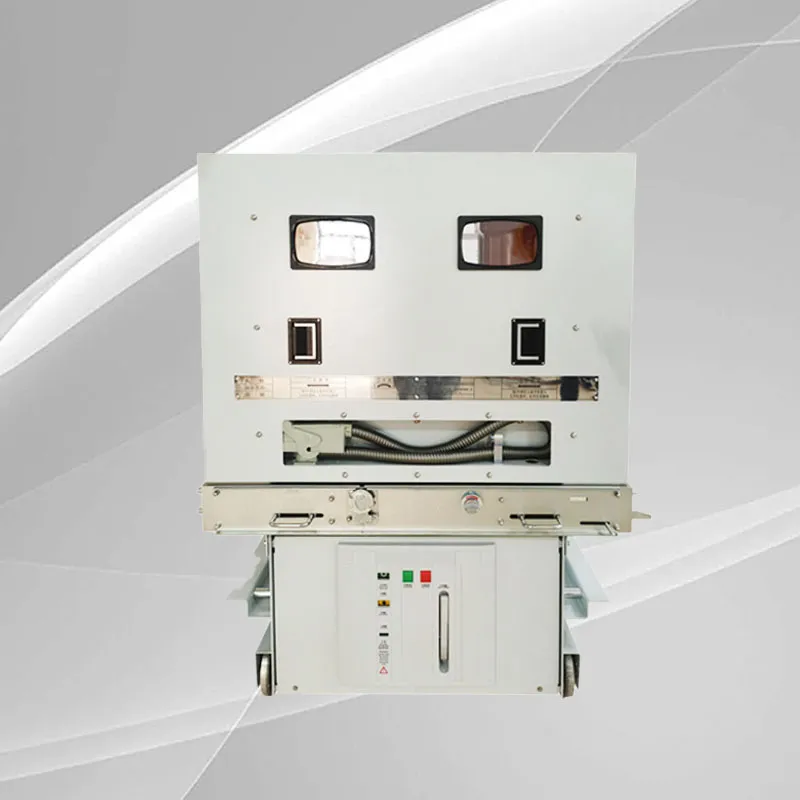 High Voltage Vacuum Circuit Breaker
-
电动智能户外柱上高压真空断路分合闸开关.2.webp) ZW7-40.5 (side mounting) is an intelligent outdoor high-voltage vacuum circuit breaker with electric drive.
-
 XGN66-1210KV High Voltage Ring Cabinet
-
 Residual current switch
-
 MBM1 is a circuit breaker in a plastic case with short circuit and overload protection.
-
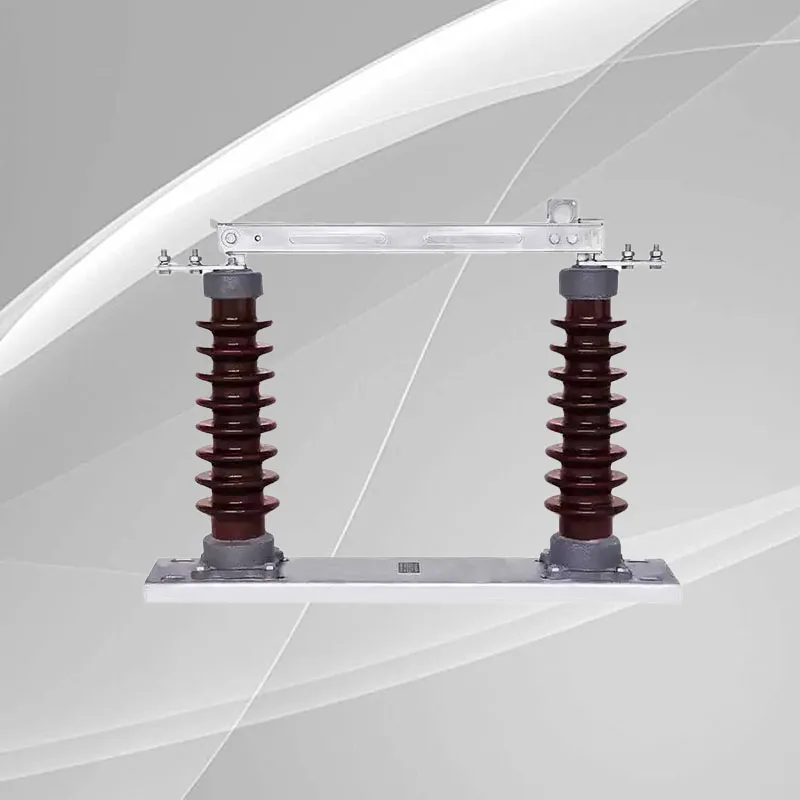 Outdoor high voltage disconnector type GW9
-
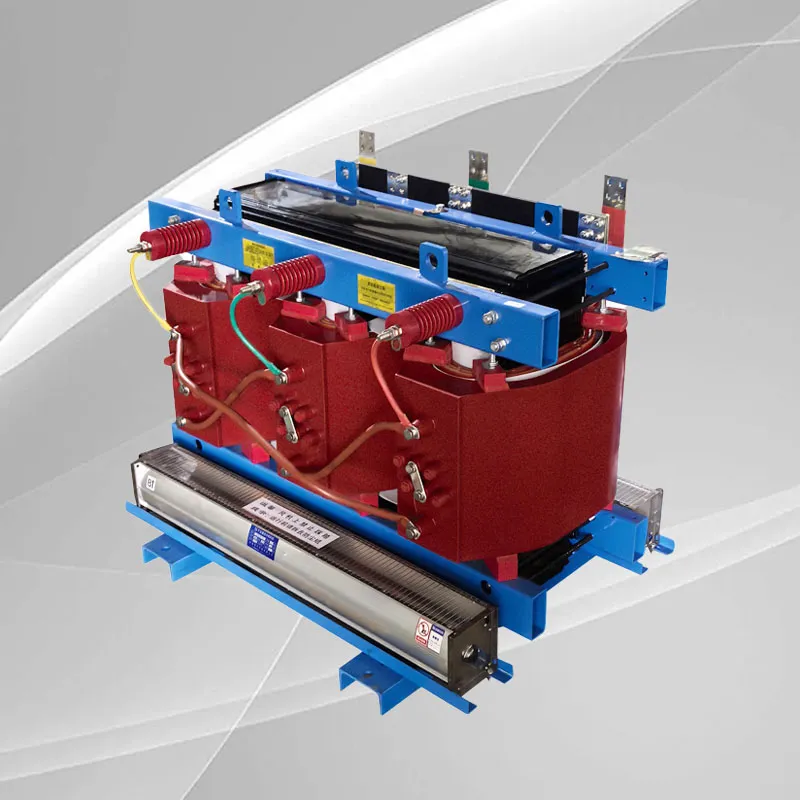 Dry transformer



