


smart transformers
Lately there's been talk aroundsmart transformersbecame especially active. This often sounds like just another trend promising a revolution in the energy system. But, to be honest, as a person who has been working with electrical equipment for several years now, I see more than just hype in this. There is real potential here, but there are also many pitfalls that need to be discussed frankly. I will try to share my observations without embellishing reality, relying on practical experience.
What is a 'smart transformer'? Understanding the terminology
What exactly is meant by the termsmart transformer? In fact, this concept is quite broad. Ideally, this is a transformer equipped with sensors and a control system that allows you to remotely monitor its condition, optimize operation and even prevent accidents. Inside are microcontrollers, temperature, vibration, current, and voltage sensors. Externally – an interface for communication with the network so that you can receive data and transmit commands. The idea is for the transformer to become not just a 'black box', but part of a smart grid.
But not allsmart transformersare the same. There are models with a minimal set of functions - just collecting data and sending reports. There are more advanced ones - with the ability to adaptively adjust operating parameters depending on the load. And of course, the smartest ones are those that can interact with other devices on the network, participating in load balancing, overload protection, and even optimizing energy consumption in general.
It is important to understand that the term 'smart' in itself does not guarantee anything. Simply having sensors does not make a transformer efficient. The main thing is the software that processes the data and makes decisions. And here, as a rule, difficulties arise. A good algorithm is not just a set of mathematical formulas, it is a deep understanding of the principles of operation of transformers, the features of the power grid and possible scenarios for the development of events.
Practical experience: pros and cons of implementation
Our experience withsmart transformers, of course, is limited, but allows us to draw some conclusions. The most obvious advantage is increased transparency of the transformer network. Now we can receive data on the status of each transformer in real time, which allows us to quickly respond to problems and prevent accidents. For example, we implemented a monitoring system at an energy facility in the Moscow region (Wenzhou Qiaonasen Electrical Equipment Co.,Ltdsupplies equipment for similar projects). Thanks to vibration sensors, we were able to timely detect a defect in the transformer windings and prevent its failure. Otherwise, this could lead to serious consequences, including power outages.
Another plus is the ability to optimize the operating parameters of the transformer. For example, you can regulate the no-load current, reducing energy losses. Or adapt the transformation ratio to changing loads, increasing power transmission efficiency. But it is important to remember safety here. Any changes to operating parameters must be carefully thought out and checked so as not to damage the transformer or disrupt the operation of the network.
On the other hand, implementationsmart transformersis associated with certain difficulties. Firstly, there is cost.Smart transformers, as a rule, more expensive than usual. Secondly, there is the need to integrate with existing infrastructure. It is necessary to install communication systems and train personnel to work with the new monitoring system. Thirdly, these are cybersecurity issues.Smart transformersconnected to the network become a potential target for cyber attacks. It is necessary to ensure reliable protection against unauthorized access.
Problems and challenges: what else needs to be improved?
One of the problems that we regularly encounter is the lack of compatibility between different monitoring systems. Not always data obtained fromsmart transformersfrom one manufacturer can be easily integrated with systems from another manufacturer. This requires the development of special interfaces and data conversion algorithms.
Another challenge is the need to constantly update the software. Manufacturers are constantly improving their monitoring systems, adding new features and fixing bugs. Tosmart transformersremain effective, the software must be updated regularly.
Sometimes there is a problem with data interpretation. Even if we receive data from sensors, it is not always clear what they mean. For example, increased temperature can be caused by various reasons - overload, insulation failure, ventilation failure. To correctly interpret data, it is necessary to use complex analysis algorithms and take into account many factors.
Development prospects: where is technology heading?
Despite the existing difficulties, development prospectssmart transformerslook very promising. In the near future, we can expect new models with even more advanced features such as failure prediction, self-diagnosis and automatic performance optimization.
Particular attention is paid to the development of artificial intelligence and machine learning technologies. These technologies can be used to analyze large volumes of data, identify hidden patterns and make optimal decisions.
And, of course, an important area of development is increasing cybersecurity. New methods of protection need to be developedsmart transformersfrom cyber attacks and ensure reliable data protection.
In my opinionsmart transformersis an important step towards creating a smart energy system. They make it possible to increase the efficiency of transformer networks, reduce energy losses and prevent accidents. But to realize this potential, it is necessary to solve a number of technical and organizational problems.
At Wenzhou Qiaonasen Electrical Equipment Co.,Ltd, we actively work to introduce new technologies and strive to offer our customers the most advanced power system management solutions. We see the futuresmart transformersnot just as a source of data, but as an active participant in the intelligent network, capable of adapting to changing conditions and making independent decisions.
Correspondingproducts
Related Products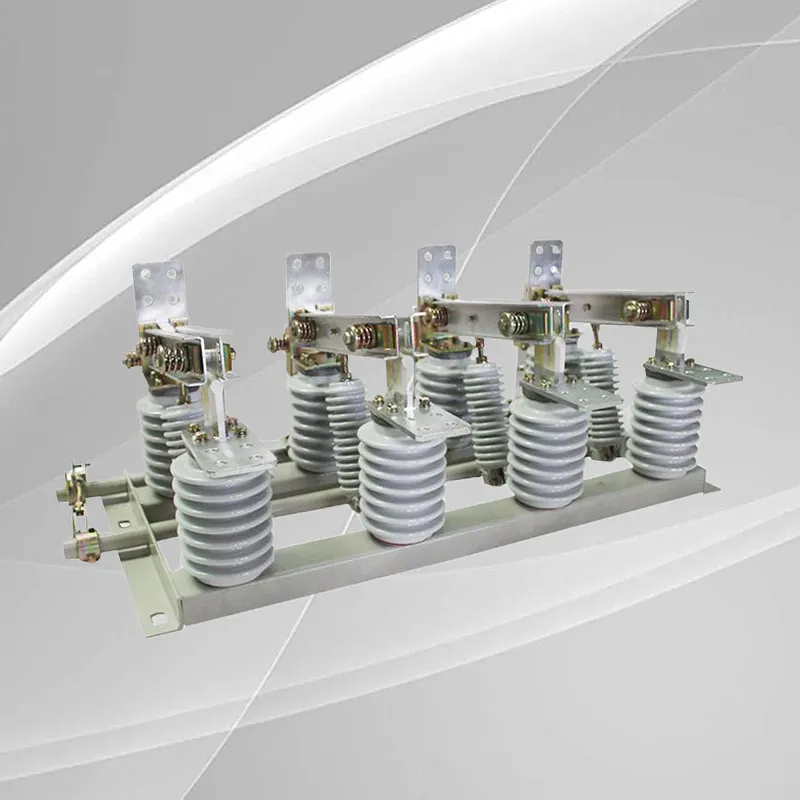


Best Sellingproducts
Best Selling Products-
 Metal Enclosed Stationary AC Switchgear XGN15-12
-
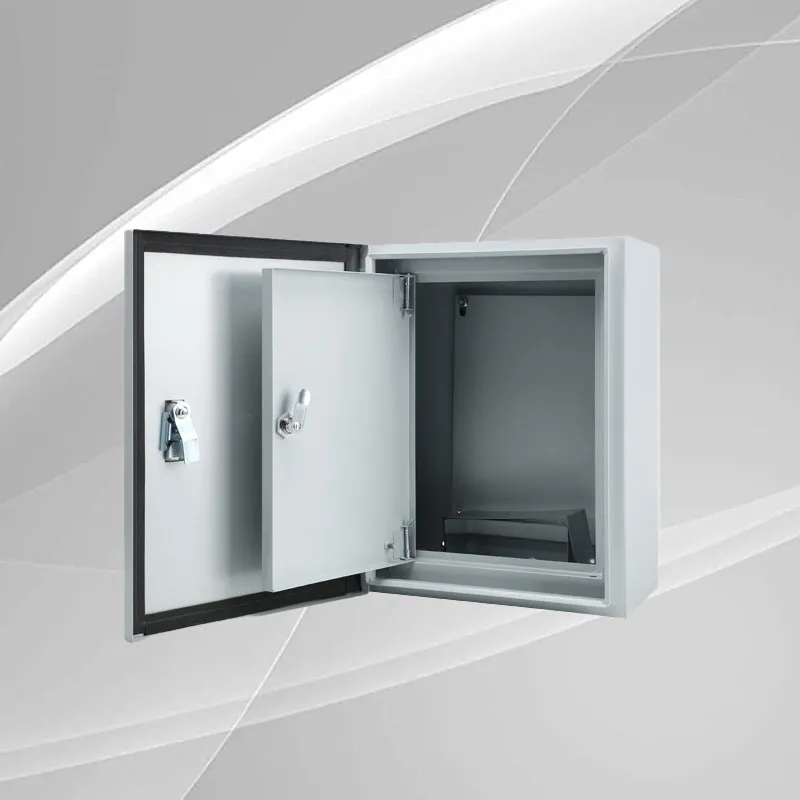 Indoor distribution cabinet with double door
-
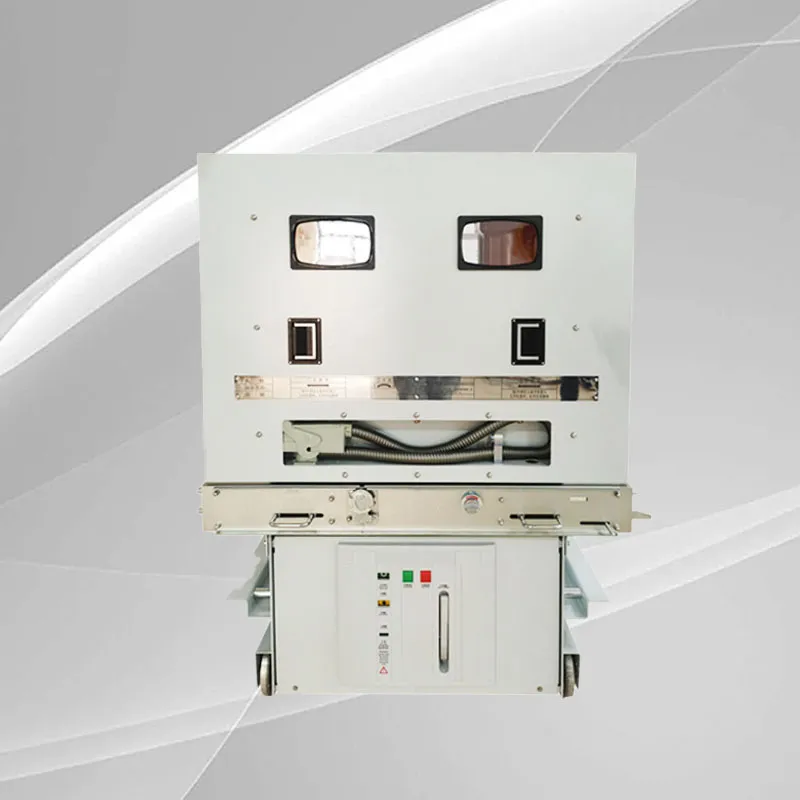 High Voltage Vacuum Circuit Breaker
-
 Miniature circuit breaker
-
 Outdoor Waterproof Stainless Steel Switchboard
-
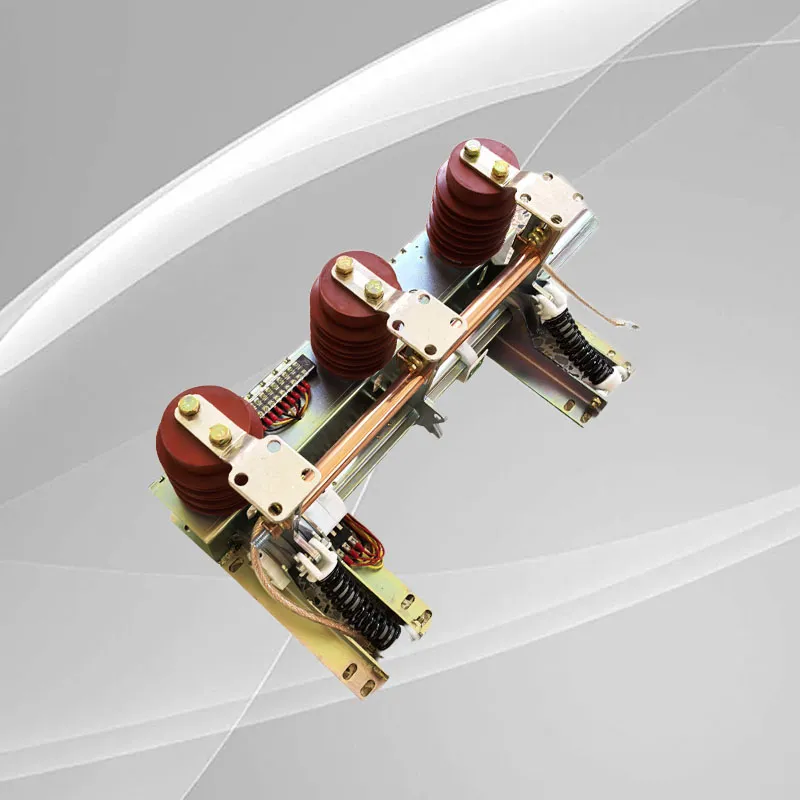 JN15-12-31.5 internal high voltage grounding switch
-
 Outdoor distribution cabinet made of 201 steel
-
 Explosion Proof Oil Induction Voltage Regulator
-
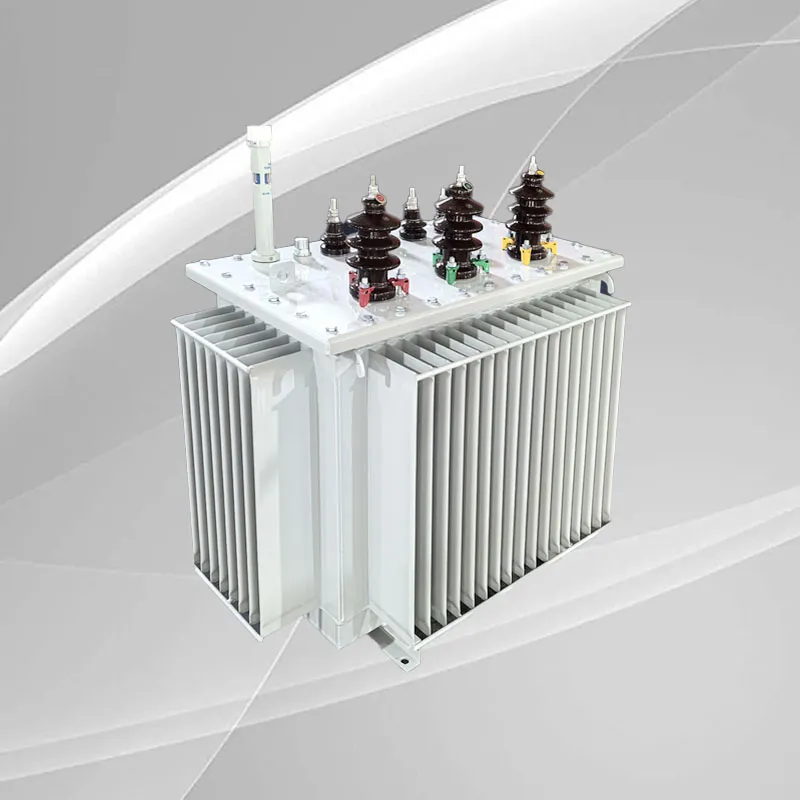 Oil power transformer
-
 Indoor High Voltage Isolation Circuit Breaker with Ceramic Insulators
-
 Withdrawable element for electricity metering
-
 Transparent circuit breaker with plastic housing



