


power transformer weight
Power transformer weight– a topic that often causes misunderstanding. Many beginners believe that weight is directly related only to power, but this is not true. I have been working in electrical engineering for many years, and I can say that there is a whole range of factors that influence the final weight. Ignoring these factors can lead to serious problems during installation, transportation and operation of the equipment. In this article I will try to share my experience and talk about what you should pay attention to when assessing the weight of a transformer.
Factors affecting the weight of a power transformer
The first thing that comes to mind is, of course, power. A higher power transformer is usually heavier. But this is just a starting point.Power transformer weightdirectly depends on many other parameters. For example, the type of construction, the materials used, the quality of workmanship and even the method of insulation all play a role.
Take, for example, a dry insulated transformer. It is usually lighter than an oil-insulated transformer of similar power. The reason is that oil insulation is not only a means of insulation, but also adds weight. Even a small amount of oil can significantly increase the overall weight of the device. Conversely, modern transformers with improved insulation technologies, although they may have comparable power to older designs, weigh significantly less due to more efficient and lighter materials.
Another important factor is the type of magnetic circuit. It can be made of different types of steel, which affects the weight and efficiency of the transformer. Modern low-loss, high-strength steels enable lighter, more compact transformers. When developing a project, we always try to choose the optimal magnetic core option in order to minimize weight without compromising performance.
Materials and design are key
The choice of materials plays a huge role in determining weight. Basically, steel is used for the magnetic core, copper for the windings and various materials for insulation. The quality of these materials and their thickness affect the final weight. For example, using thicker wire for the windings increases their weight, but also increases their ability to carry higher currents and therefore improves the reliability of the transformer.
In our practice, situations often arise when the customer wants to save on materials, which inevitably leads to a deterioration in quality and an increase in the likelihood of breakdowns. Sometimes, to achieve the desired weight, you have to make other compromises, such as reducing power or using less reliable insulation. This could lead to serious consequences in the future.
Don't forget about the design of the transformer. Different ways of connecting the windings and the presence of additional elements such as cooling radiators also affect the overall weight. For example, transformers with heatsinks designed for high-load applications will weigh more than transformers without heatsinks. However, they will provide more reliable and durable operation.
Practical difficulties and mistakes
One common mistake is underestimating the weight of a transformer when planning installation. This is especially true for high power transformers. Insufficient weight estimation can lead to problems when transporting, lifting and installing equipment. We have often encountered situations where customers ordered a transformer with a lighter weight than required in order to avoid additional costs for transportation and installation. As a result, we had to purchase additional fastening elements and involve more loaders, which led to an increase in overall costs.
It is also important to consider the weight of the entire system, including the transformer, panels, wiring and other components. If the transformer is too heavy, it can place additional stress on the building or substation structure. In such cases, it is necessary to carry out load calculations and take appropriate measures to ensure the stability of the structure. We always carry out such calculations to avoid such problems.
Sometimes, in order to facilitate transportation, they try to use non-standard fastening methods. This may be dangerous and may result in damage to the transformer or personal injury. It is necessary to strictly follow the transportation and installation rules established by the manufacturer.
Experience with various types of transformers
I've worked with different typespower transformer, from small 5 kV to powerful 1000 kVA and above. Experience with transformers with dry and oil insulation, with various types of magnetic core and windings allows me to accurately estimate the weight of the transformer and predict possible problems during installation and operation. For example, when working with oil-insulated transformers, the weight of the oil must be taken into account, as well as the weight of the oil tanks and other components associated with the oil cooling system.
I pay special attention to transformers designed to operate in aggressive environments, for example, in industrial premises with high humidity or the presence of chemicals. For such transformers, special materials and designs are used, which increases their weight. However, this is necessary to ensure reliable and durable operation of the equipment in difficult conditions. We cooperate with Wenzhou Qiaonasen Electrical Equipment Co., Ltd. and often encounter similar problems.
It's important to remember thatpower transformer weight– this is not only a technical parameter, but also an economic one. Choosing the optimal weight of the transformer allows you to reduce the costs of transportation, installation and maintenance of equipment. Therefore, when planning a project, it is necessary to carefully evaluate all factors affecting the weight of the transformer and select the best option that meets the customer’s requirements and operating conditions.
Conclusion
So,power transformer weight– this is a complex parameter that depends on many factors. You cannot estimate the weight of a transformer based on power alone. The type of construction, materials used, quality of workmanship and insulation method must be taken into account. Carefully assessing the weight of the transformer when planning installation can avoid serious problems and ensure reliable and durable operation of the equipment.
You should not skimp on the quality of materials and design. It is better to pay a little more, but get reliable and durable equipment, than to spend money on repairs and maintenance later.
Finally, always consult with experts. Experienced engineers will help you choose the best transformer option to suit your project requirements and your budget.
Correspondingproducts
Related Products



Best Sellingproducts
Best Selling Products-
 Internal high-voltage disconnector GN19-630A with double input and grounding contact
-
 Outdoor High Voltage Smart Vacuum Circuit Breaker
-
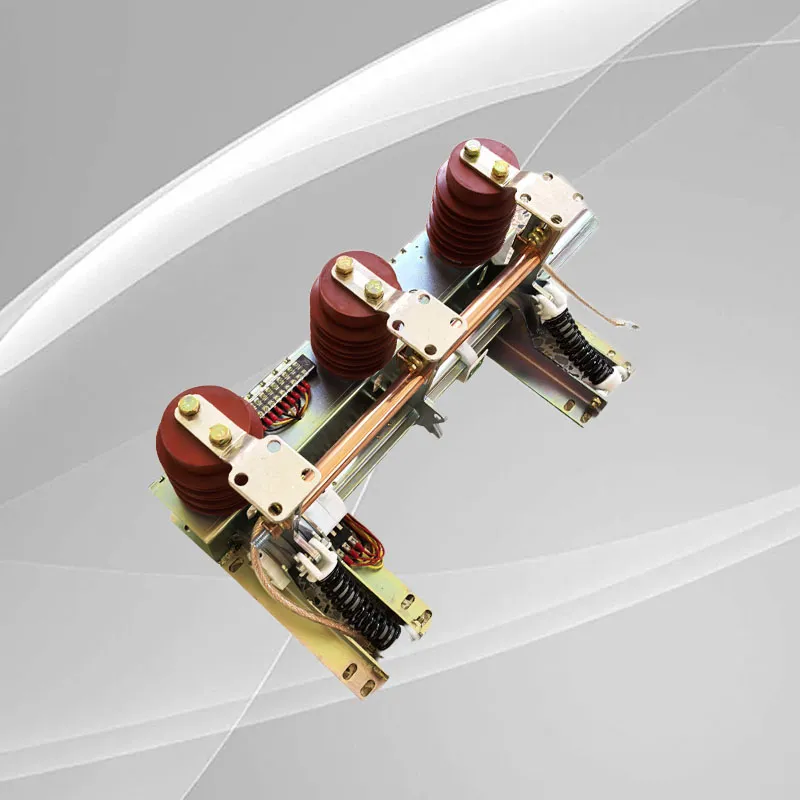 JN15-12-31.5 internal high voltage grounding switch
-
 Residual current switch
-
 Indoor High Voltage Isolation Circuit Breaker with Ceramic Insulators
-
 Rotating internal high voltage disconnector
-
 Molded Case Circuit Breaker (MCCB), 63A
-
 Metal Enclosed Stationary AC Switchgear XGN15-12
-
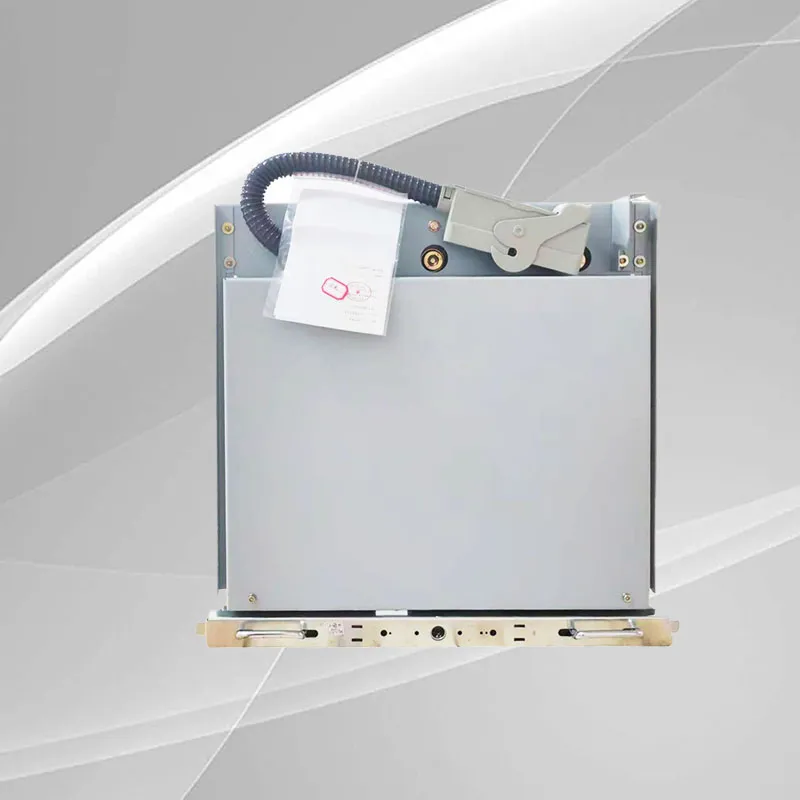 Withdrawable element for electricity metering with duck-type voltage transformers
-
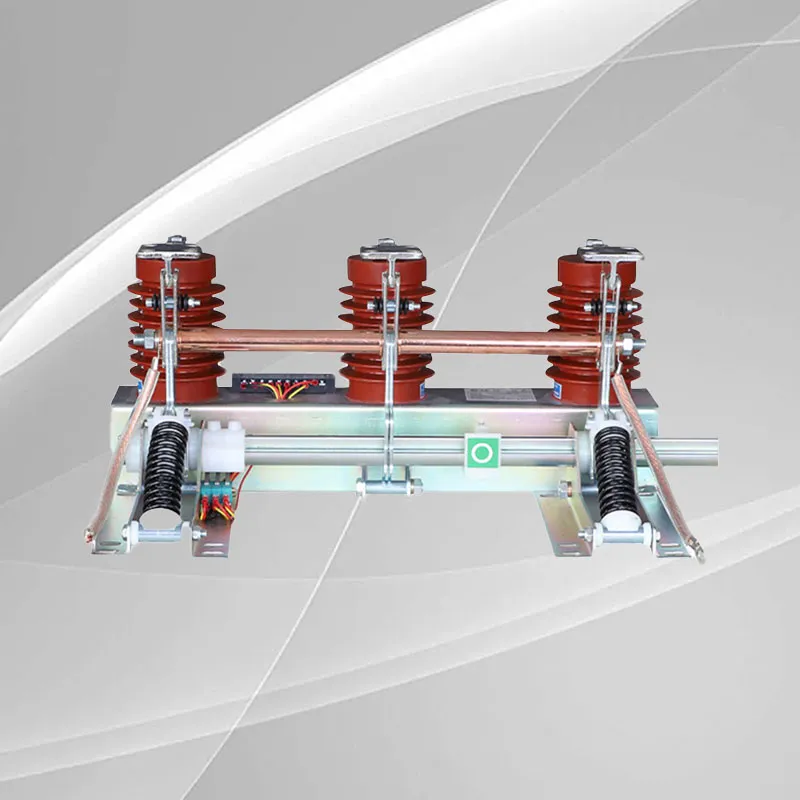 Indoor high voltage earthing switch type JN15
-
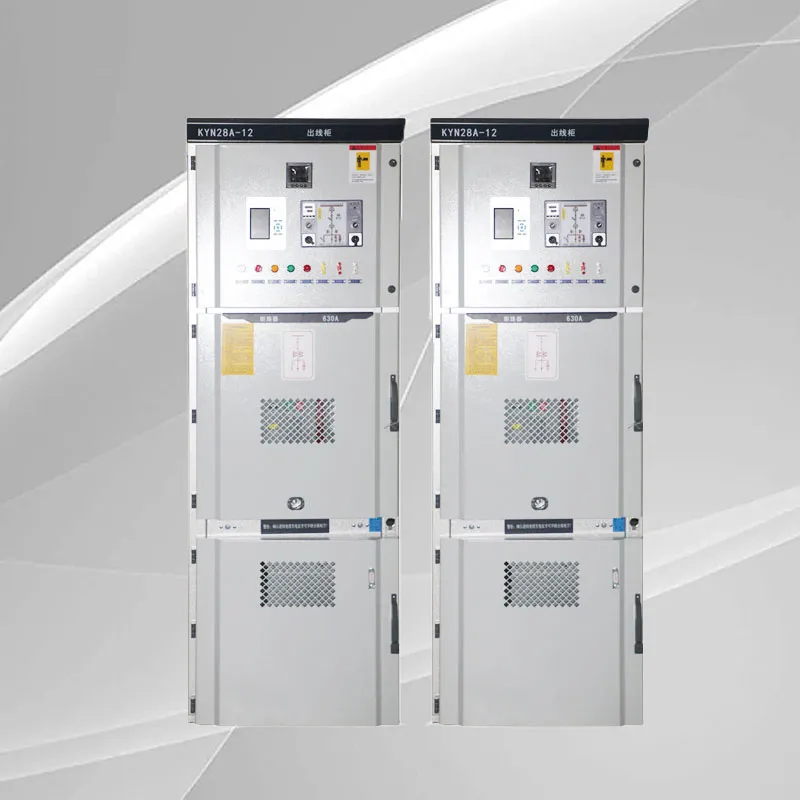 KYN28A-12 indoor metal armored medium power AC switchgear
-
 Mine transformer BKC-150VA
Relatedsearch
Related Search- circuit breaker s201 10a
- distribution board 0.4 kV
- China power transformer terminals
- control station transformer
- buy power transformer 1000 kva
- China on-load tap changer dry transformer
- China current transformer 10 kv three phase
- single-phase distribution board
- circuit breaker 18mm
- control of power transformers



