


switching on dry transformers
Dry transformers– a seemingly simple thing. Plug it in, plug it in and it works. But this “seemingly” is the most dangerous place. I often see how in practice, especially among less experienced specialists, mistakes are made that lead to serious consequences - from simple transformer failure to fires. Everything seems to be according to the documentation, but something is wrong. Today I want to share my experience, some observations and possible pitfalls whenturning on dry transformers. I don’t claim the absolute truth, of course, electrical engineering is always context and experience.
Review: From simple to complex
We will talk about the processes associated with the initial inclusiondry transformersto the network. It is important to understand that this is not just a voltage supply. There are a number of stages, each of which requires attention and adherence to certain procedures. We will consider not only the procedures themselves, but also common errors that arise whenturning on dry transformers, as well as ways to prevent them. In particular, we will touch upon the issues of grounding, checking parameters and monitoring operation after switching on. Ultimately, the main goal is to ensure safe and reliable operation of the equipment.
Preparing for inclusion: important steps
Before you even think about turning it on, you need to make sure that all the necessary work is done. This includes checking that the installation is correct, that all necessary connections are present and that the network parameters match the requirements of the transformer. Particular attention should be paid to grounding - this is critical for safety. Sometimes even a small fault in grounding can lead to serious consequences. For example, in one of our projects, we encountered a problem where insufficient grounding caused significant voltage drops across the transformer windings, which in turn led to partial failure. Ground resistance must be checked using appropriate equipment and in accordance with current regulations.
Parameter check and measurement
This is followed by checking the basic parameters of the transformer, such as the insulation resistance of the windings, the presence of current leaks and compliance with rated currents. These parameters can be measured using specialized equipment. It is important to remember that measurements should be carried out only after the transformer is completely isolated from the network. If there are any abnormalities, they must be corrected before switching on. For example, we often encounter a situation where, when checking the insulation resistance of windings, a breakdown is detected. In this case, it is necessary to repair the winding or replace the transformer. We often use Fluke instruments for these purposes; they give quite reliable results.
Switching procedure: sequence of actions
The process of turning on the transformer must be carried out in strict sequence. First you need to make sure that all protective devices (circuit breakers, fuses) are in working order. Then you should gradually increase the voltage in the network, observing the instrument readings. It is important to monitor the temperature of the transformer and windings. If the temperature begins to rise, you must immediately stop switching on and find out the reason. For example, in some cases it may be necessary to limit the current in the network or increase the ventilation of the transformer. In our practice, we use programmable relays to smoothly increase voltage, which avoids sudden current surges and reduces the load on equipment.
Common mistakes whenturning on dry transformers
Unfortunately, errors whenturning on dry transformersoccur quite often. The most common of them are: non-compliance with the switching sequence, incorrect selection of network parameters, lack of grounding or faulty grounding. They also often make mistakes when checking parameters - for example, they do not pay attention to minor deviations from the norm. Sometimes, in order to save time, they try to turn on the transformer without first checking it, which usually leads to serious consequences. Particularly dangerous is the case when the transformer housing is not grounded. This may result in electric shock if the cabinet is accidentally touched.
Why is it important to gradually increase the voltage?
A sudden switch on voltage can cause an overload of the transformer windings and lead to their overheating and failure. In addition, a sudden surge in current can damage other devices on the network. Therefore, it is extremely important to gradually increase the voltage, especially when turning on the transformer for the first time after repair or replacement. We use special current limiting devices that allow us to control the switching process and prevent overloads. At the same time, it is necessary to constantly monitor the instrument readings and, if necessary, adjust the switching process.
Ventilation problems and overheating
Dry transformers, like any other electrical equipment, need good ventilation. Insufficient ventilation can cause the transformer to overheat and reduce its service life. This is especially true for high power transformers. When installing the transformer, it is necessary to ensure sufficient air circulation around the housing. In some cases, it may be necessary to install additional fans. We regularly measure the temperature of the transformer windings during operation to ensure that they do not exceed acceptable values. In case of overheating, measures must be taken to improve ventilation or reduce the load on the transformer.
Personal experience: examples and conclusions
In my practice, I have encountered various cases related toswitching on dry transformers. One of the most memorable was the case when, when turning on a new transformer, a flaw in the marking of the windings was discovered. This led to incorrect load connection and, as a result, overheating of the transformer. Fortunately, we noticed the problem in time and prevented serious consequences. Another case is when, when turning on the transformer, a fault was discovered in the grounding system. After eliminating the fault, the transformer started working normally. From these examples we can conclude that it is necessary to pay attention to even the most insignificant details whenturning on dry transformers. It is important to carefully check all parameters, follow the sequence of actions and not neglect safety rules.
Recommendations for operation and maintenance
To ensure reliable and durable operationdry transformersMaintenance must be carried out regularly. This includes checking the condition of the winding insulation, tightening connections, and cleaning off dust and dirt. It is also necessary to regularly measure the insulation resistance of the windings and monitor the temperature of the transformer. By following these recommendations, you can significantly extend the life of the transformer and avoid costly repairs.
Conclusion
Switching on dry transformersis a demanding process that requires knowledge, experience and attention to detail. This process should not be taken lightly. Failure to follow safety rules and making mistakes can lead to serious consequences. By following the recommendations outlined in this article, you can ensure safe and reliable operation.dry transformers. Remember that safety is the most important thing.
Correspondingproducts
Related Products




Best Sellingproducts
Best Selling Products-
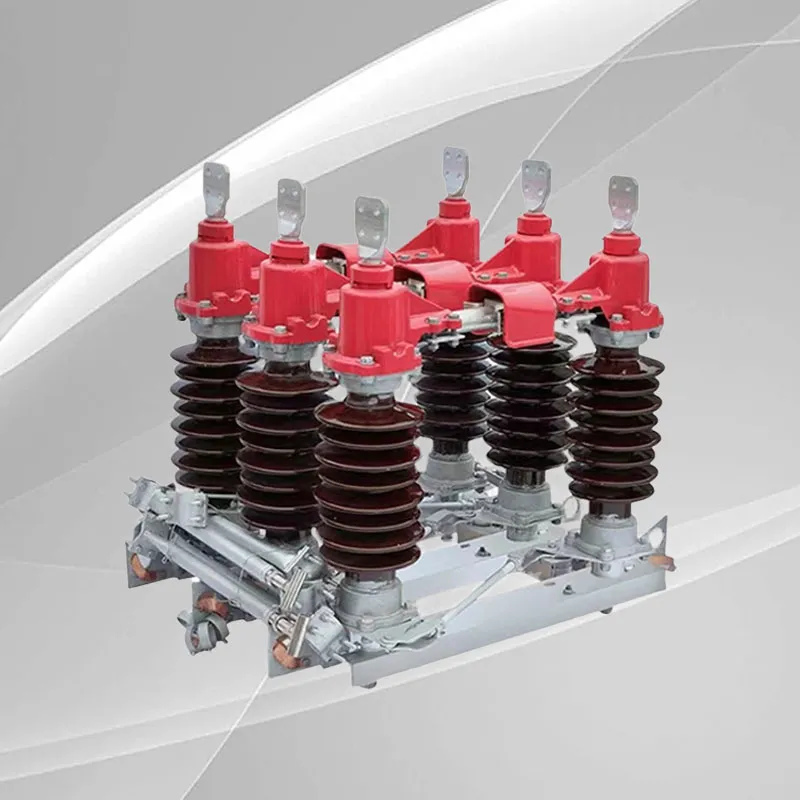 Outdoor high voltage isolating switch type GW4-40.5
-
 Residual current switch
-
 Mine transformer BKC-150VA
-
 Disconnector with blade contact in a complete high-voltage cabinet
-
 DZ15LE Leakage Current Circuit Breaker - White 3P 4P Low Voltage AC
-
 PT-12 Internal high voltage voltage transformer with withdrawable element
-
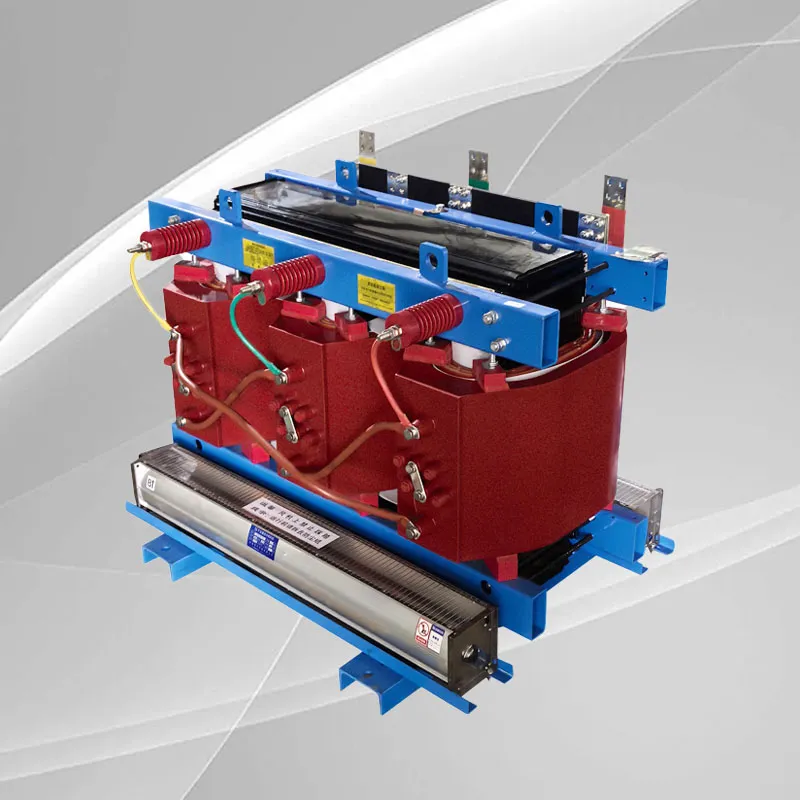 Dry transformer
-
 High voltage ring cabinet XGN66-12/10kV
-
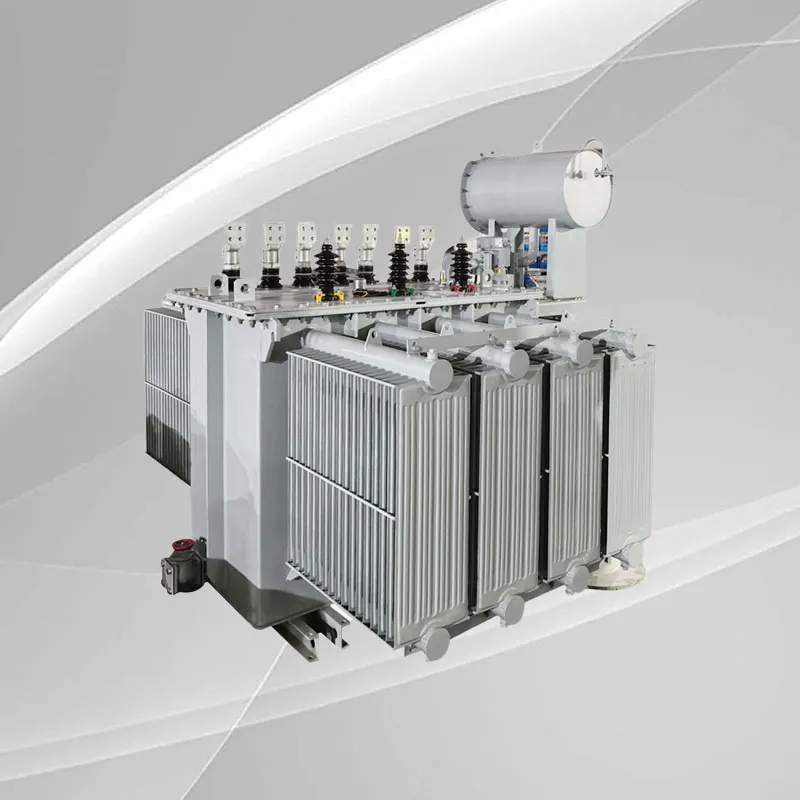 Oil transformer
-
 Three-phase control transformer
-
 Internal high-voltage disconnector GN19-630A with double input and grounding contact
-
 MBM1 is a circuit breaker in a plastic case with short circuit and overload protection.



