


GOST for dry transformers
In recent years, there has been an increase in demand for dry-type transformers. And this is good, because they provide significant advantages over oil-based ones, especially in terms of environmental friendliness and safety. But I often see how, when designing and operating these devices, important nuances are missed, based not only on regulatory requirements, but also on real operational experience. We, at Wenzhou Qiaonasen Electrical Equipment Co., Ltd., are engaged in the supply and service of electrical equipment and encounter similar problems regularly. This article is an attempt to share some observations and recommendations based on practice.
What is GOST for dry-type transformers and why is it important?
Let's start from the beginning.GOST for dry transformers, like any GOST, sets a minimum set of requirements for structural, electrical and operational characteristics. This is not just a formality, but a guarantee that the equipment meets certain quality and safety standards. In particular, GOST regulates the requirements for insulation, cooling system, protection from external influences, etc. Failure to comply with these requirements may result in serious consequences, including equipment damage, fire, and even personal injury.
But just compliance with GOST is not everything. It is necessary to take into account the specifics of the specific application of the transformer. For example, working in an aggressive environment (for example, in the chemical industry) requires special materials and designs that provide increased resistance to corrosion. And this goes beyond simply meeting basic standards.
Lately, especially when working with high-voltage **GOST for dry-type transformers**, I often see situations where customers strive for the minimum cost, but ignore recommendations on the selection of components and installation rules. As a result, there are savings in the short term, but in the long term it is always more expensive. Sometimes you have to buy back defects that could easily have been reduced to zero with a more careful approach.
Main mistakes when operating dry-type transformers
In addition to non-compliance with regulatory requirements during design and manufacturing, during operation **GOST standards for dry-type transformers** a number of common mistakes are made. For example, the importance of regular insulation checks is underestimated. Insulation is a key element that determines the reliability and longevity of a transformer. Signs of insulation deterioration may be hidden and appear only in the form of small current leaks that are difficult to detect visually.
The second important point is temperature control of the windings and cooling system. Overheating is one of the main causes of transformer failure. An incorrectly configured cooling system, dirty radiators or insufficient ventilation can lead to overheating and, as a result, a reduction in service life.
And, by the way, do not forget about the need for timely maintenance. This includes cleaning the transformer from dust and dirt, checking the condition of the contacts, replacing worn parts, etc. Regular maintenance is the key to reliable and uninterrupted operation of the equipment.
Specific application in various industries
The range of applications for dry-type transformers is very wide. From commercial buildings and industrial plants to energy systems and telecommunications. But each industry has its own characteristics. For example, in the energy sector, **state standards for dry-type transformers** must take into account increased requirements for reliability and resistance to external influences, such as lightning discharges and overvoltages.
In telecommunications, on the contrary, compactness and noiselessness of the transformer are important. They are often installed in rooms with limited space and require special attention to sound insulation and temperature control.
At Wenzhou Qiaonasen Electrical Equipment Co., Ltd., we offer a wide range of dry-type transformers designed to suit the specific needs of various industries. We work closely with our clients to find the optimal solution for each specific case.
Case Study: Overheating Problem
We recently received a request from a food manufacturing company. They used a dry-type transformer to power the equipment on the production line. After several months of use, they began to experience overheating problems. Upon inspection, it turned out that the cooling system was incorrectly configured and the radiators were dirty. This led to deterioration of heat dissipation and, as a consequence, to overheating of the windings.
We conducted a comprehensive diagnosis of the equipment and proposed a solution that included reconfiguring the cooling system, cleaning radiators and installing additional fans. After this work, the temperature of the windings returned to the normal range, and the equipment began to operate stably.
This case shows that even the most modern and reliable **state standards for dry-type transformers** can fail if they are not given proper attention and operating rules are not followed.
Conclusions and recommendations
So, let's summarize. When selecting and operating dry-type transformers, it is necessary to take into account not only compliance with GOST, but also the specifics of a particular application. It is important to pay attention to regular checks of the insulation condition, temperature control of the windings and cooling system, as well as timely maintenance. And, of course, you should not skimp on the quality of equipment and personnel qualifications.
Wenzhou Qiaonasen Electrical Equipment LLC is ready to provide advice on the selection and operation of dry-type transformers. We have extensive experience and knowledge in this field and are always happy to help our clients.
Our website:https://www.qnasen.ru
Additional Considerations: Selecting a Transformer for Critical Loads
When it comes to powering critical equipment, such as medical equipment or security systems, the choice of **GOST for dry-type transformers** must be especially careful. It is important not only to comply with standards, but also to have additional features such as redundancy or failure protection. We often use double insulated transformers to improve reliability and reduce the risk of equipment damage.
In addition, it is necessary to consider the possibility of connecting to a backup power system, for example, to a UPS (uninterruptible power supply). This will ensure uninterrupted operation of the equipment in the event of a power outage. In our practice, situations often occur when the lack of backup power leads to serious consequences, including financial losses and threats to people’s lives.
When designing power supply systems, we recommend using modeling and analysis tools to evaluate the influence of various factors on the reliability and stability of equipment operation. This will help you avoid mistakes and choose the optimal solution.
Correspondingproducts
Related Products


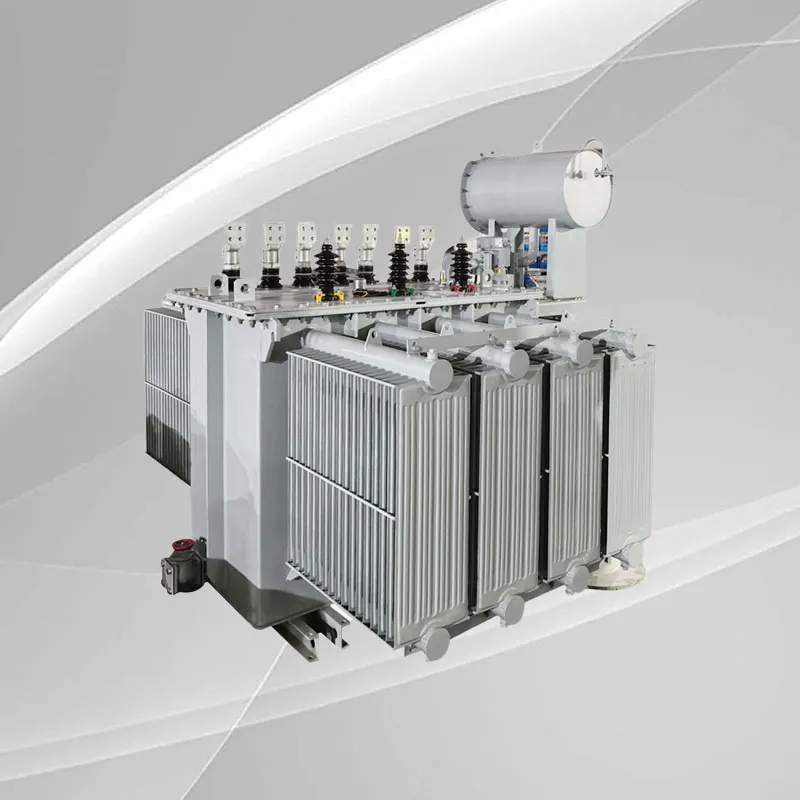


Best Sellingproducts
Best Selling Products-
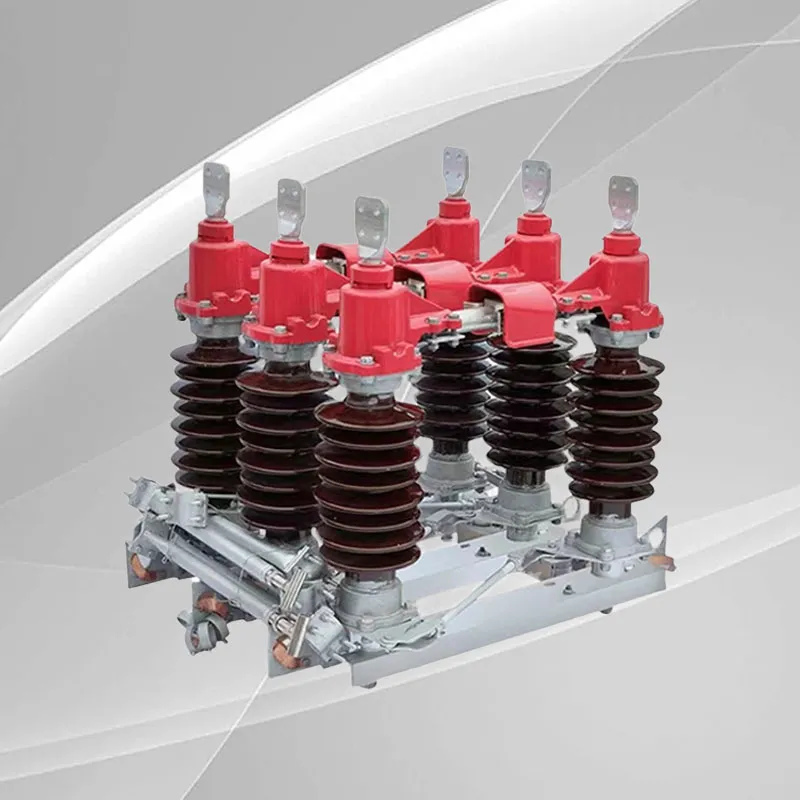 Outdoor high voltage isolating switch type GW4-40.5
-
 High voltage internal switch
-
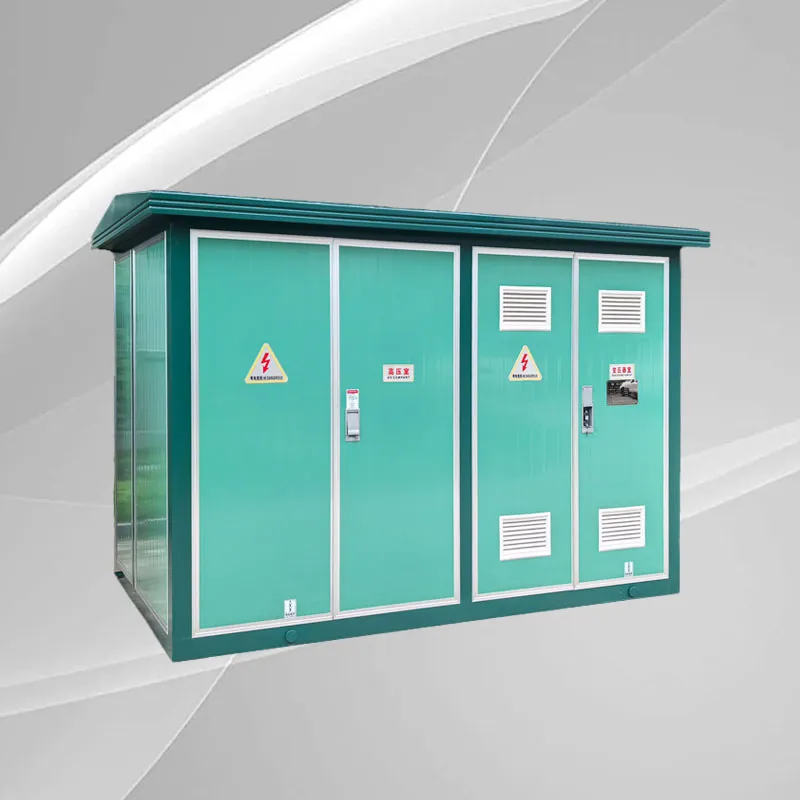 Complete outdoor transformer substation of European type
-
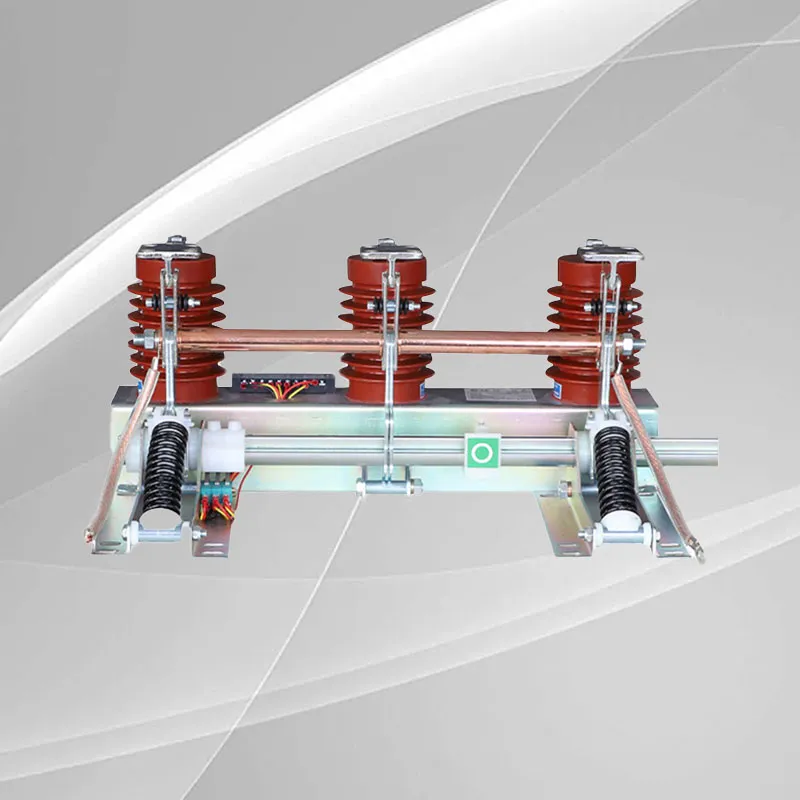 Indoor high voltage earthing switch type JN15
-
 DZ15LE Leakage Current Circuit Breaker - White 3P 4P Low Voltage AC
-
 Transparent Industrial Automatic Three Phase Four Wire Leakage Proof Switch
-
 external isolation switch
-
 Switch cabinet with double doors
-
 Miniature circuit breaker
-
 MBM1 is a circuit breaker in a plastic case with short circuit and overload protection.
-
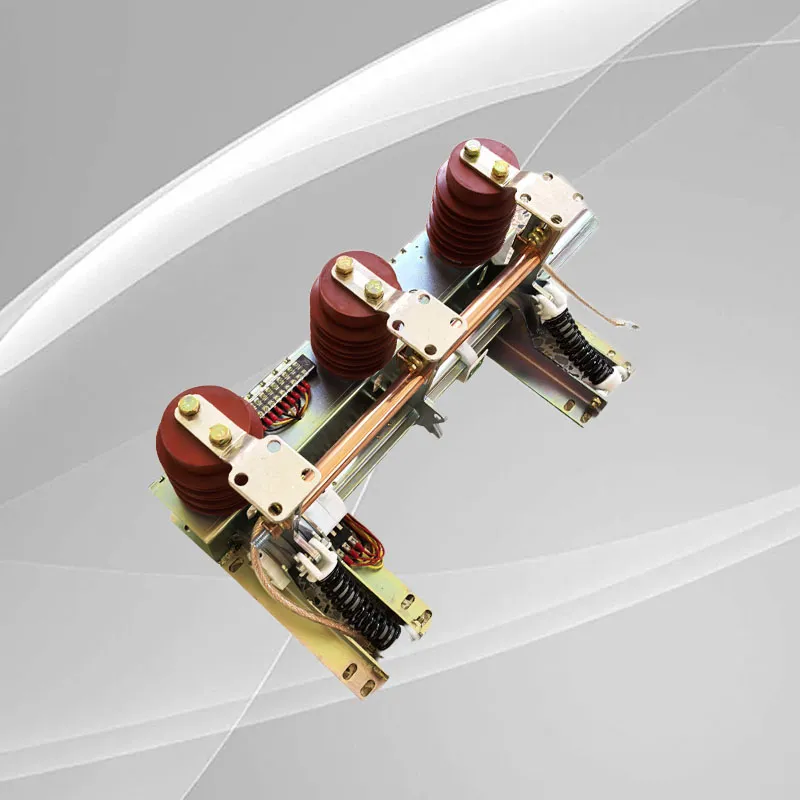 JN15-12-31.5 internal high voltage grounding switch
-
 Outdoor Waterproof Stainless Steel Switchboard
Relatedsearch
Related Search- types of distribution boards
- power transformer 4000 kva
- power transformers 630 kva price
- China dry transformer protection
- Power Supply Repair Box
- circuit breaker ekf hell 32
- dry and oil transformers
- distribution board schrn 36 3
- Rotary internal high voltage circuit breaker
- modular circuit breaker single pole



