


monitoring of power transformers
Lately, it seems to me, there has been some misunderstanding in approaches tomonitoring of power transformers. You often see solutions focused on simple data collection - temperature, vibration, oil leakage. This is, of course, important, but often does not make it possible to identify real, hidden problems that precede an accident. It’s as if you are trying to make a diagnosis based only on the pulse, ignoring other important indicators. Realtransformer monitoring– this is not just collecting information, it is analysis, identifying trends and timely warning of potential malfunctions. And, frankly, I have seen many projects that promised a 'revolution', but in the end turned out to be just an expensive but ineffective tool.
What do you really need from a monitoring system?
So what does the system do?monitoring of power transformerseffective? In my opinion, first of all, it is complexity. You cannot limit yourself to one or two parameters. There are a number of factors to consider, from electrical characteristics to physical condition. For example, many people focus on the temperature of the windings, which is certainly important, but does not explain why the temperature is rising. The cause could be excessive current, ineffective ventilation, or even the core itself. Ideally, the system should integrate data from various sensors - temperature, vibration, oil pressure, oil level, as well as data on electrical parameters - current, voltage, reactive power. And, just as important, it must be possible to compare this data with historical data and with data on the operating conditions of the transformer.
In our practice, we encountered a situation where the transformer demonstrated a stable temperature of the windings, but at the same time increased vibration was observed. If we had limited ourselves to just monitoring the temperature, we might have missed the core problem that ultimately led to serious damage. Only thanks to an integrated approach were we able to detect the problem in time and prevent costly repairs. And this is not just theoretical reasoning, but experience gained on real objects.
It's not enough to just collect data
The data collection system itself is only part of the solution. You need to understand that the collected data needs to be analyzed. And here, unfortunately, many companies do not pay due attention. Simply accumulating data in a database is pointless. We need tools to visualize data to identify trends and anomalies. Algorithms are needed to automatically detect deviations from the norm. Some systems offer ready-made algorithms, but often they do not correspond to the specifics of a particular transformer and specific operating conditions. Sometimes you have to develop your own algorithms, which requires certain knowledge and experience.
We use a system that allows us to configure our own algorithms for each transformer, taking into account its parameters and operating modes. This allows us to get more accurate and relevant results. For example, we have developed an algorithm that takes into account seasonal temperature fluctuations and automatically adjusts the threshold values for winding temperatures. This allows you to avoid false positives and focus on real problems. Such settings, unfortunately, are not always implemented out of the box in ready-made solutions.
Problems of integration and communication
Another problem we often encounter is system integrationmonitoring of power transformerswith existing control and dispatch systems. Often you have to develop your own interfaces and adapt existing systems to new requirements. This can be quite a time-consuming and expensive process. Especially if we are talking about old transformers that are already integrated into legacy systems.
In one of the projects we had to integrate a monitoring system with an existing SCADA system. It turned out that the data exchange protocols were incompatible, and we had to develop our own bridge between the systems. This took several months and required significant expenses. But in the end, we were able to successfully integrate the system and gain the ability to remotely monitor and control transformers.
The importance of qualified support
And finally, don’t forget the importance of qualified support. Systemmonitoring of power transformersis a complex instrument that requires constant maintenance and adjustment. We need a team of specialists who will monitor the system, analyze data and make decisions based on the information received. And it is not always easy to find such specialists. It is often necessary to involve external experts, which increases the cost of system ownership.
We are trying to form our own team of specialists who have experience working with various types of transformers and various monitoring systems. We also partner with leading equipment manufacturers to provide up-to-date knowledge and information. After all, simply buying an expensive monitoring system is not enough - you need to be able to use it and correctly interpret the data received. Wenzhou Qiaonasen Electrical Equipment Co.,Ltd provides a full range of services, from system design and implementationmonitoring of power transformersto technical support and staff training. With us you will find qualified specialists who will help you solve any problems related to monitoring and managing your transformer fleet.
Conclusions
To summarize, I want to say thatmonitoring of power transformers– this is not just a fashion trend, it is a necessity. This can significantly increase the reliability and security of power supply, reduce repair and maintenance costs, and also extend the service life of the transformer fleet. But to achieve these goals, it is necessary to approach the issue comprehensively and carefully, taking into account the specifics of a particular object and specific operating conditions. And, of course, it is important not to forget about qualified support and constant improvement of the system.
In conclusion, I would like to add that the market for monitoring systems is constantly evolving, and more and more new solutions are appearing. But it is important not to chase after new products, but to choose solutions that meet your needs and objectives. And, of course, do not forget about the importance of the human factor - the success of the implementation and operation of the system depends on the qualifications of specialists.
Correspondingproducts
Related Products


Best Sellingproducts
Best Selling Products-
 Disconnector with blade contact in a complete high-voltage cabinet
-
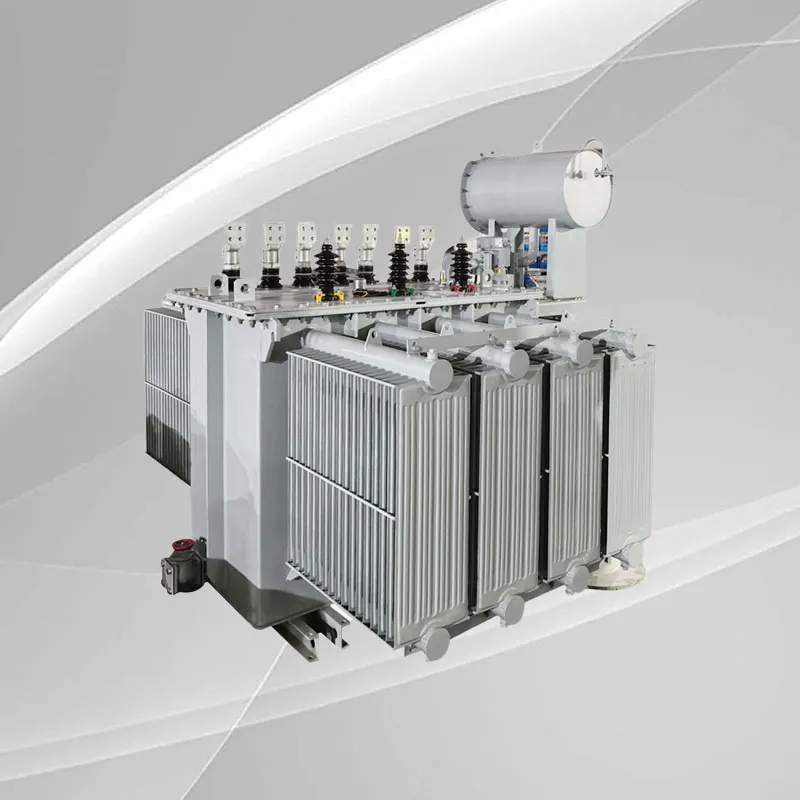 Oil transformer
-
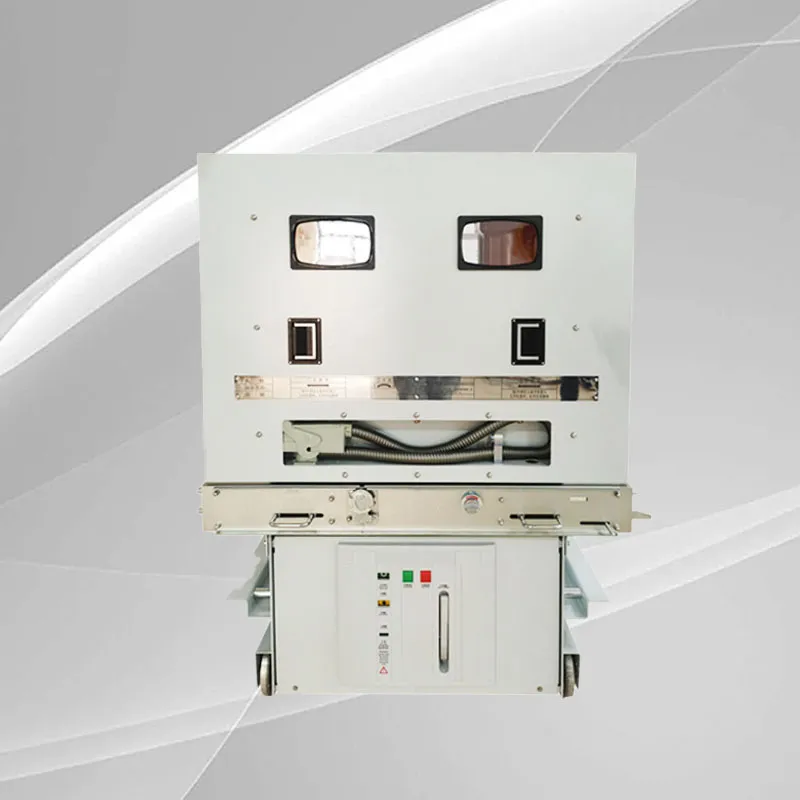 High Voltage Vacuum Circuit Breaker
-
 Residual current switch
-
 Mine transformer BKC-150VA
-
 Outdoor Waterproof Stainless Steel Switchboard
-
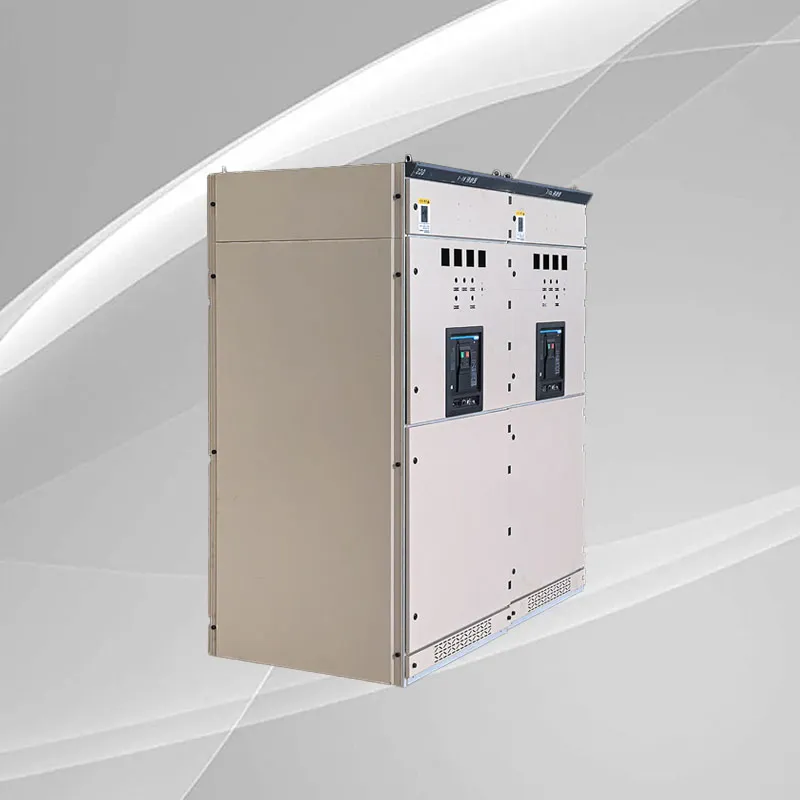 Low-voltage withdrawable distribution cabinet GCS (input cabinet)
-
 Power distribution cabinet
-
 Automatic circuit breaker DZ15 in plastic shell
-
 MBM1 is a circuit breaker in a plastic case with short circuit and overload protection.
-
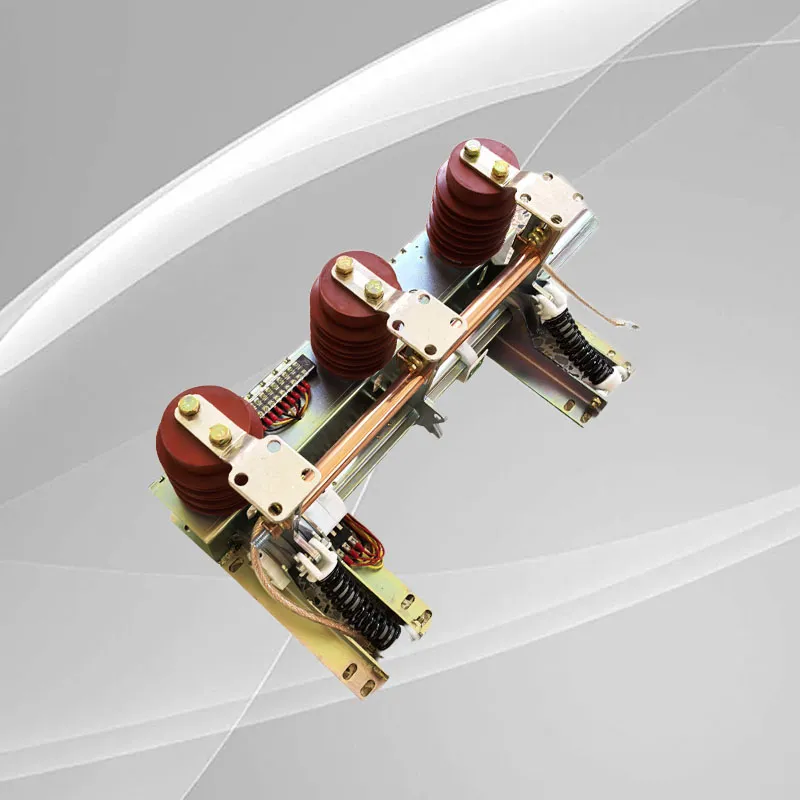 JN15-12-31.5 internal high voltage grounding switch
-
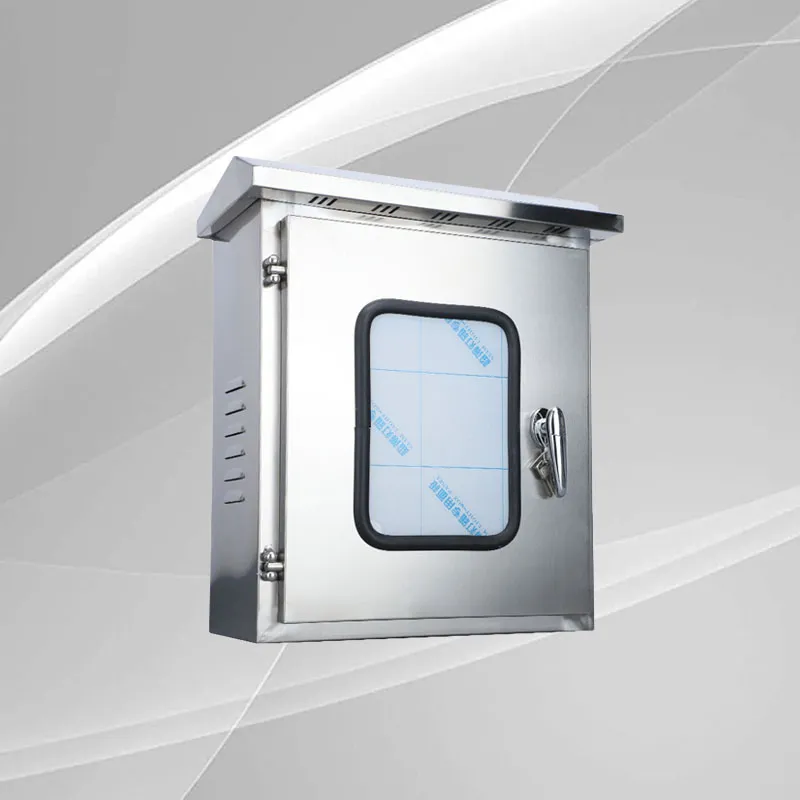 Stainless steel meter panel



