

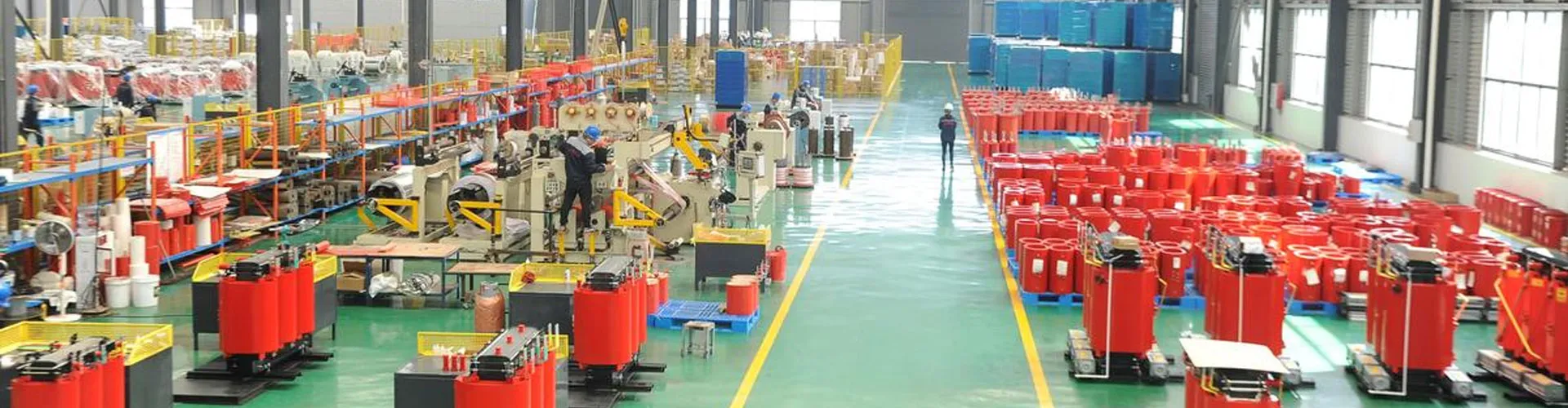
device of power transformers circuits
Power transformers- This is the basis of the energy system. But behind the apparent simplicity of these devices lies a whole world of nuances. Often, especially when working with non-standard tasks, there are misconceptions about their schemes and operating principles. This article is more of my thoughts and observations, collected based on many years of experience working with various models and applications. There will be no comprehensive schemes or ready-made solutions here, only an attempt to share useful points and raise issues that are rarely raised in specialized literature.
Main types of transformer circuits and their features
First of all, it is worth mentioning the classificationpower transformer circuits. The most common are: series connection (to increase voltage), parallel connection (to increase power and provide redundancy), and Sigmund circuit (to reduce harmonic distortion). Series connection is the simplest, but also the most impractical for long-term operation, as it increases the overall inductance and, as a consequence, the risk of resonance phenomena. Parallel connection, on the contrary, allows you to distribute the load between transformers, but requires careful balancing of the parameters. The Sigmund circuit, although more complex to implement, can significantly reduce the level of harmonics in the network, which is especially important for sensitive equipment.
We must not forget about the varietiesprimary and secondary winding circuits. For example, the use of three-phase windings that are out of phase, or the use of windings with different numbers of turns. The choice of a particular circuit depends on the output voltage, current, and harmonic content requirements. Recently, they have become increasingly populartransformers with isolated neutral– this increases operational safety, especially in conditions of possible overload or short circuit.
Taking into account the influence of parameters on the operation of the transformer
Just knowing the circuit type is not enough. It is necessary to take into account the influence of various parameters on operationtransformer. This concerns, first of all, the transformation ratio, energy losses (in copper and in the core), and the influence of network frequency. For example, when the network frequency changes, it is necessary to recalculate the circuit parameters to ensure optimal operation of the transformer. We once encountered the problem of overheating of a transformer that was used in industrial equipment. It turned out that during operation a shift in parameters occurred, and the transformation ratio changed significantly. The solution was to recalculate the parameters and adjust the winding connection diagram.
Sometimes during design you may encounter the problem of harmonic distortion. Some types of equipment, such as static uninterruptible power supplies (UPS), create a significant amount of harmonics in the network. Various methods can be used to combat this effect, including the use of filters, changing the transformer circuit, or using special types of cores. At **Wenzhou Qiaonasen Electrical Equipment Co., Ltd** we often use isolated neutral transformers and use special cores to reduce harmonic levels.
Problems encountered during design and operation
In practice, during design and operationpower transformersvarious problems arise. One of the most common is the problem of overheating. Overheating can be caused by a variety of factors, including overload, an ineffective cooling system, or poor contact connections. It is important to carefully monitor the temperature of the transformer and take measures to prevent overheating. This may include using a more efficient cooling system, replacing worn contacts, or changing the winding wiring.
Another problem is the problem of harmonic distortion. Harmonic distortion can negatively affect the operation of various equipment and lead to its premature failure. Various methods can be used to combat harmonic distortion, including the use of filters, changing the transformer circuit, or using special types of cores. In some cases, the most effective solution is to use transformers with an isolated neutral.
Case Study: Transformer Redesign for New Equipment
We recently faced the challenge of redesigning a transformer for new industrial equipment. The requirements for the transformer were high - it was necessary to ensure stable voltage, low harmonic levels, and high reliability. After analyzing the requirements, we came to the conclusion that it was necessary to change the winding connection diagram and use a transformer with an isolated neutral. As a result of the redesign, we were able to develop a transformer that fully satisfied the customer's requirements. We used specialized software to simulate the operation of the transformer and optimize its parameters.
It is important not to forget about safety requirements during design and operation.transformers. It is necessary to take into account the possibility of a short circuit, overload, and other emergency situations. In this case, it is necessary to provide appropriate protective devices such as fuses, circuit breakers, and surge protection devices. We always pay special attention to safety requirements when designing and manufacturing transformers.
Current trends in the development of power transformers
In recent years there has been a tendency to developpower transformerswith increased energy efficiency. This is achieved through the use of new materials, such as highly magnetic cores, and optimization of the transformer design. The development of digitally controlled transformers, which allow automatic adjustment of transformer parameters to ensure optimal network operation, is also actively developing.
Another important area is the development of transformers that can operate over a wide frequency range. This is necessary to adapt to changing power system requirements and to use transformers in different applications.
Conclusion
Power transformer circuitsis a complex and multifaceted topic. To successfully design and operate transformers, it is necessary to have in-depth knowledge of electrical engineering and experience with various types of transformers. I hope this article has provided you with useful information and will help you better understand how it works.power transformers.
If you have any questions, please contact us. We are always ready to help you solve any problems related toelectrical equipment.
Correspondingproducts
Related Products


Best Sellingproducts
Best Selling Products-
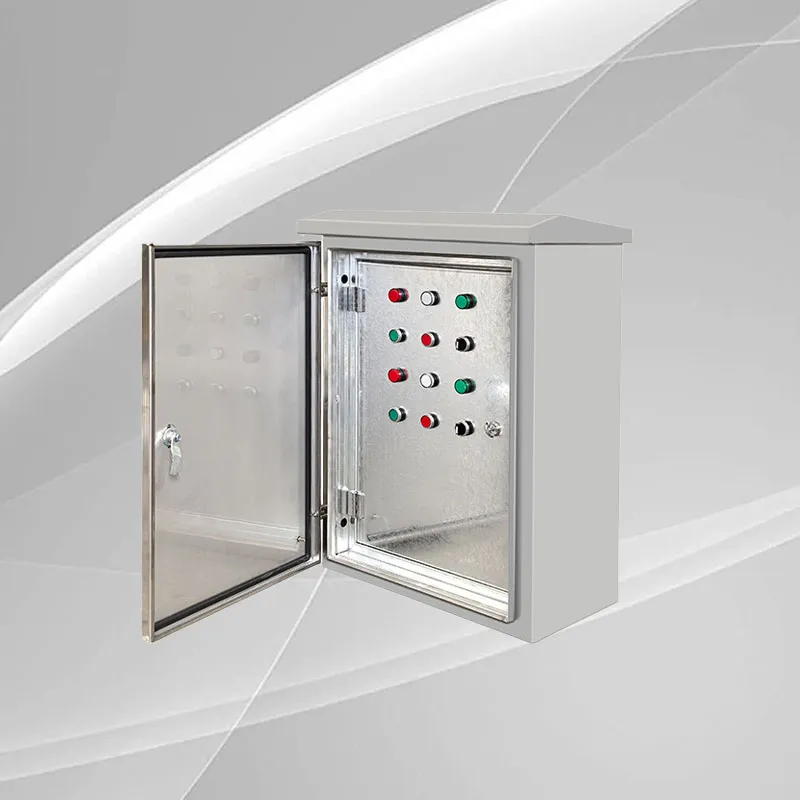
 Internal power distribution cabinet
-
 Outdoor High Voltage Smart Vacuum Circuit Breaker
-
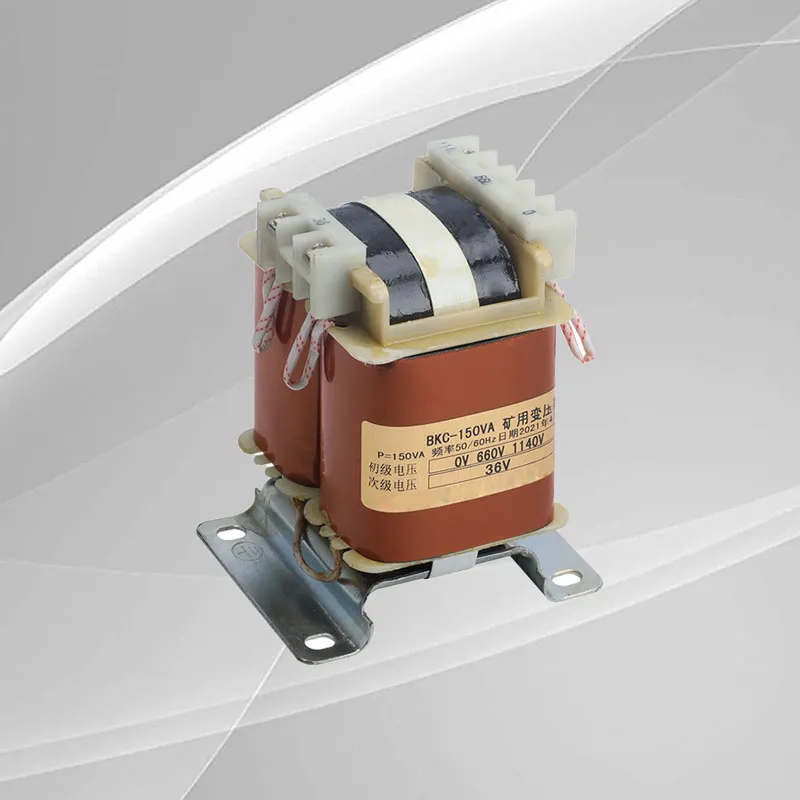 Mine transformer BKC-150VA
-
 PT-12 Internal high voltage voltage transformer with withdrawable element
-
电动智能户外柱上高压真空断路分合闸开关.2.webp) ZW7-40.5 (side mounting) is an intelligent outdoor high-voltage vacuum circuit breaker with electric drive.
-
 Complete ring distributor with JYSF6-12 full insulation and charging gas
-
 Three-phase control transformer
-
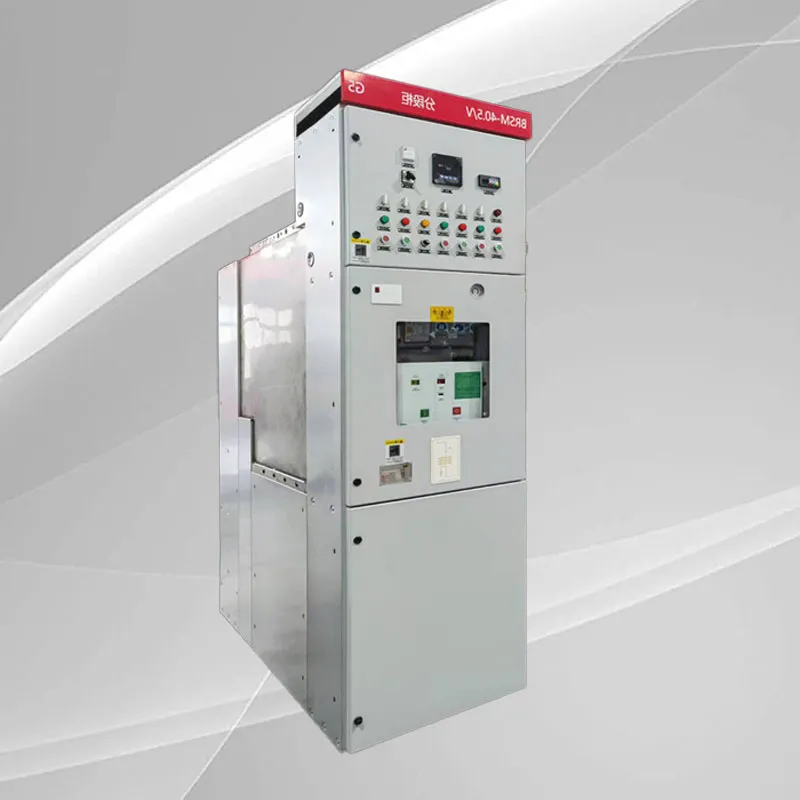
 Complete high-voltage distribution cabinet KYN28A-12 with input and linear cells and instrument transformer compartment
-
 Blade contact disconnector ZW10-12
-
 Indoor High Voltage Isolation Circuit Breaker with Ceramic Insulators
-
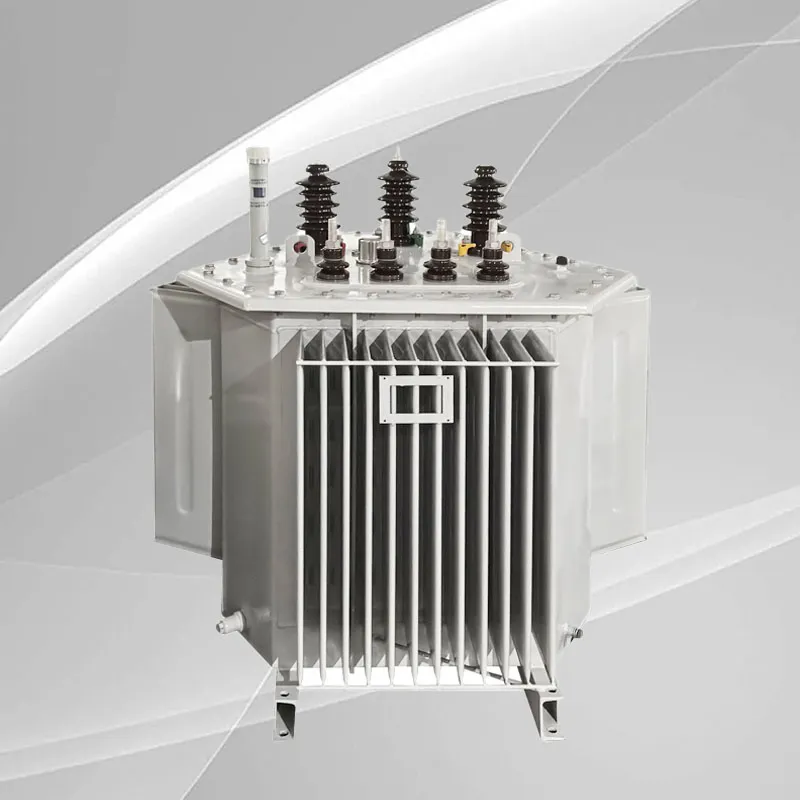 Oil transformer
-
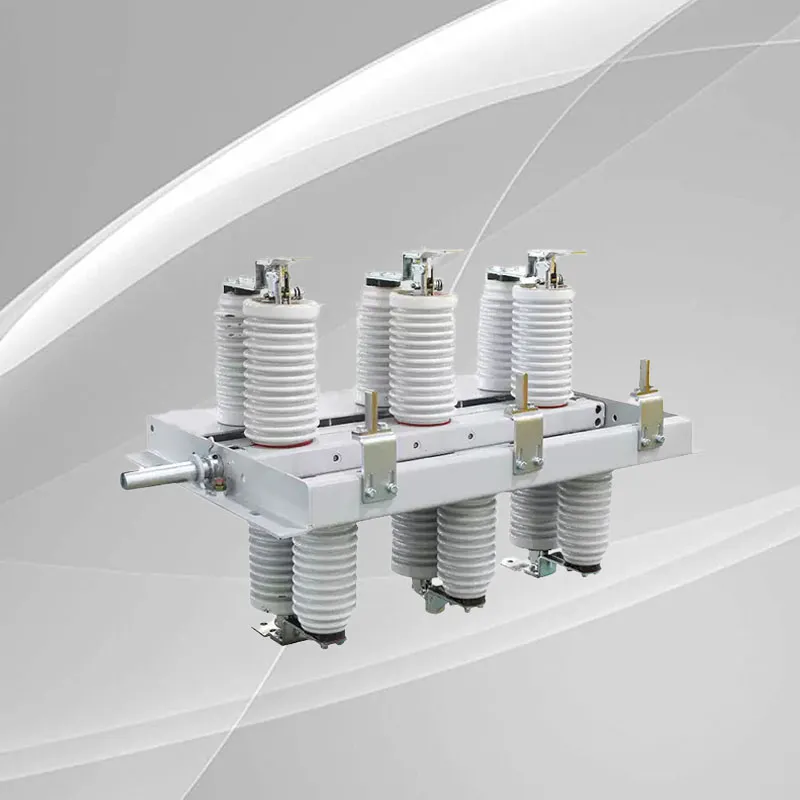 Rotating internal high voltage disconnector