


dry transformer connection
Find information aboutdry transformer connectionoften comes down to standard instructions from a catalog. But in practice everything turns out to be more complicated. We often encounter situations where we “just connected?” – and then problems arise with overheating, inefficiency or even failure of the transformer. Therefore, I decided to share not only the theory, but also specific experience, mistakes that were made, and solutions that were found. I will try to explain it as simply and clearly as possible, as if I were explaining it to a colleague who is just starting to work with this equipment.
What is important to know before you start: general points
Before talking about specific steps, you need to understand the key aspects. Firstly, this is the correspondence between the transformer and the network. You can't just take the first one you come across.dry transformerand connect it to any network. It is important to take into account the rated voltage, power, type of connection (star-delta, delta-star), as well as load characteristics.
Secondly, these are electrical safety requirements. Working with electricity always involves risks, so rules and regulations must be strictly followed. The use of personal protective equipment and qualified personnel is mandatory.
And thirdly, this is the correct choice of installation location.Dry transformerrequires good ventilation to avoid overheating. The place must be protected from dust, moisture and mechanical damage. The importance of this point is often underestimated - a seemingly small thing can lead to serious consequences.
Preparing for connection: necessary tools and materials
Making a list of tools and materials may seem like a chore, but the quality and safety of your work depends on it. In addition to the standard set (screwdrivers, wrenches, tester), you will need:
- Measuring scale and ammeter for monitoring current and voltage.
- Wires of appropriate cross-section and insulation.
- Protective devices (circuit breakers, RCDs).
- Tool for installing cable ducts and fastenings.
- Personal protective equipment (gloves, goggles).
We often encounter a situation where electricians try to make do with “what they have”, hoping for luck. This is very dangerous! It is better to spend a little more time and buy quality materials than to correct mistakes and eliminate the consequences later.
Stages of connecting a dry transformer: step-by-step instructions
Now let's move on to the process itself. It is important to strictly follow the manufacturer’s instructions, but I will give an approximate algorithm of actions based on personal experience.
- Power off:The first and most important step is to completely turn off the power to the distribution board. Make sure the power is truly off by checking with a tester.
- Transformer installation:Install the transformer at the selected location and secure it with fasteners.
- Cable connection:Connect the input and output cables to the transformer windings, strictly following the connection diagram. It is important to correctly identify the phase and neutral wires. We often had to deal with mislabeled wires, which led to serious problems.
- Installation of protective devices:Install circuit breakers and RCDs to protect the transformer and network from overloads and short circuits. Especially important fordry transformers, since they are more sensitive to voltage changes.
- Checking the connection:Before turning on the power, carefully check all connections to ensure they are secure and connected correctly.
- Power up and testing:Turn on the power and check the operation of the transformer. Measure the voltage and current at the input and output of the transformer. Make sure all settings meet the requirements.
Common connection mistakes and how to avoid them
Over time, experience accumulates and mistakes begin to be repeated. Here are some of the most common problems we've encountered:
- Incorrect winding connection:This is the most serious mistake that can lead to failure of the transformer. Be sure to check the wiring diagram and make sure all connections are made correctly.
- Insufficient ventilation:Overheating is the main reason for exitdry transformerout of order. Make sure there is enough free space around the transformer for air circulation.
- Incorrect selection of protective devices:Circuit breakers and RCDs must match the rated current and voltage of the transformer. Incorrect selection of protective devices may result in false operation or failure to protect the transformer from damage.
- Quality problems when soldering:This is especially true for connecting windings and terminals. Poor soldering leads to increased resistance and overheating. Our company Wenzhou Qiaonasen Electrical Equipment Co., Ltd. always uses high-quality solders and tools when soldering.
Real case: transformer overheating
We recently received an order from an industrial enterprise. There was installeddry transformer, which began to overheat. When we arrived on site, we discovered that the transformer ventilation was blocked by dust and debris. In addition, the circuit breaker was rated to carry less current than the rated current of the transformer. After cleaning the vent and replacing the circuit breaker, the problem was resolved.
Reactive power problems
Don't forget about reactive power. Especially if the load on the transformer has a significant reactive component. Improper reactive power compensation can lead to reduced efficiency and increased losses in the transformer. Sometimes it is necessary to install compensating capacitors.
Conclusion
Connectiondry transformer– a task that requires care, experience and knowledge. You should not skimp on materials and tools, or neglect electrical safety rules. Follow the manufacturer's instructions, check all connections carefully, and don't be afraid to seek help from qualified personnel. And remember, it’s better to spend a little more time preparing than to correct mistakes and deal with the consequences later.
I hope this short story will be useful. If you have any questions, write, I'm always happy to help.
Wenzhou Qiaonasen Electrical Equipment LLC, https://www.qnasen.ru
Correspondingproducts
Related Products


电动智能户外柱上高压真空断路分合闸开关.2.webp)

Best Sellingproducts
Best Selling Products-
 Indoor High Voltage Isolation Circuit Breaker with Ceramic Insulators
-
 Disconnector with blade contact in a complete high-voltage cabinet
-
 Miniature circuit breaker
-
 Circuit breaker transparent
-
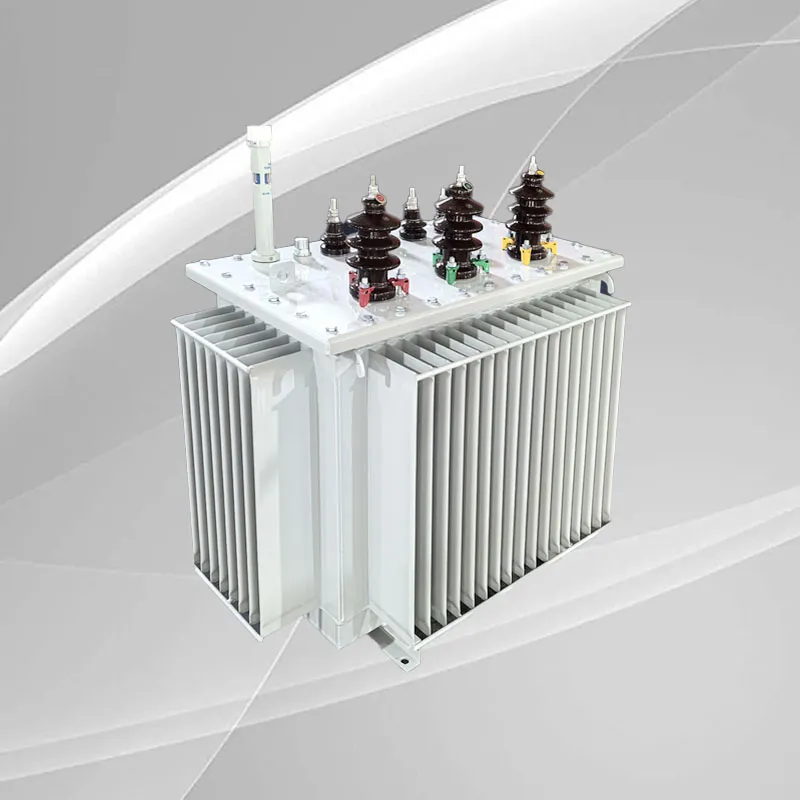 Oil power transformer
-
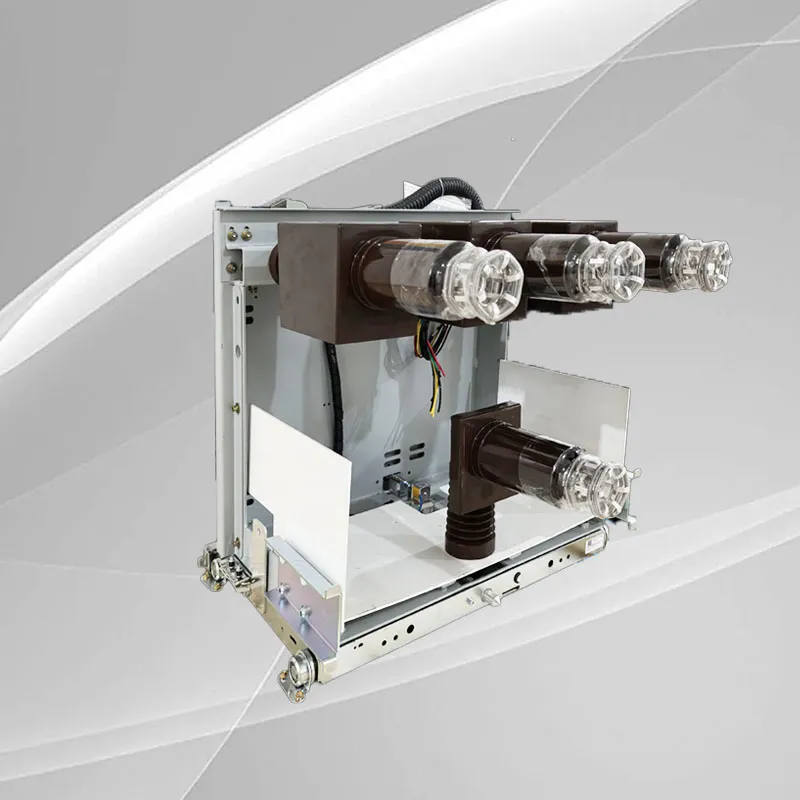 Withdrawable element for electricity metering for four contacts with three voltage transformers
-
 Complete ring distributor with JYSF6-12 full insulation and charging gas
-
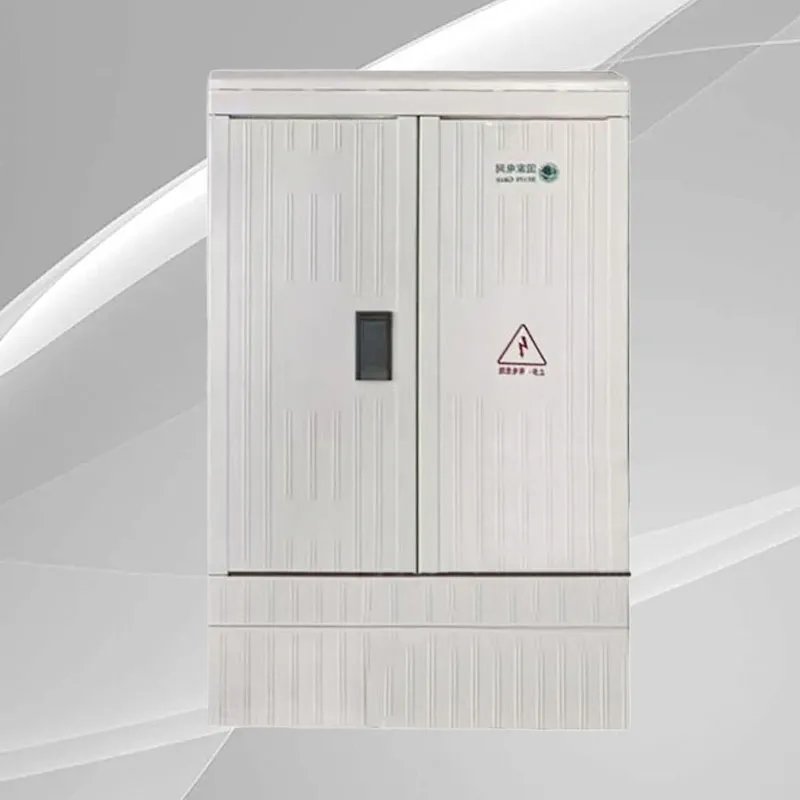 Thickened fiberglass housing for low voltage cable distribution board
-
 Mine transformer BKC-150VA
-
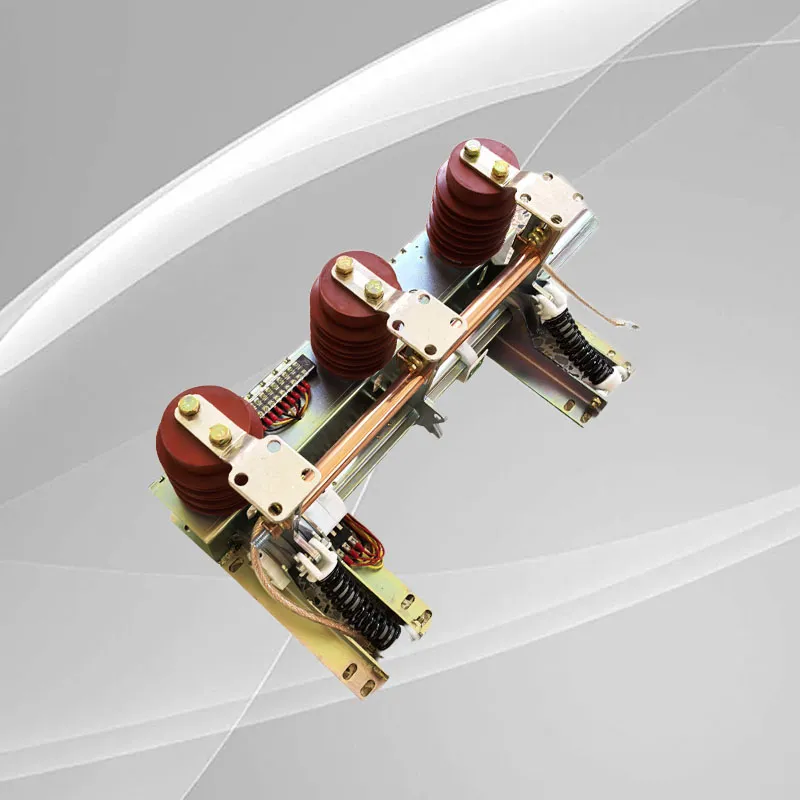 JN15-12-31.5 internal high voltage grounding switch
-
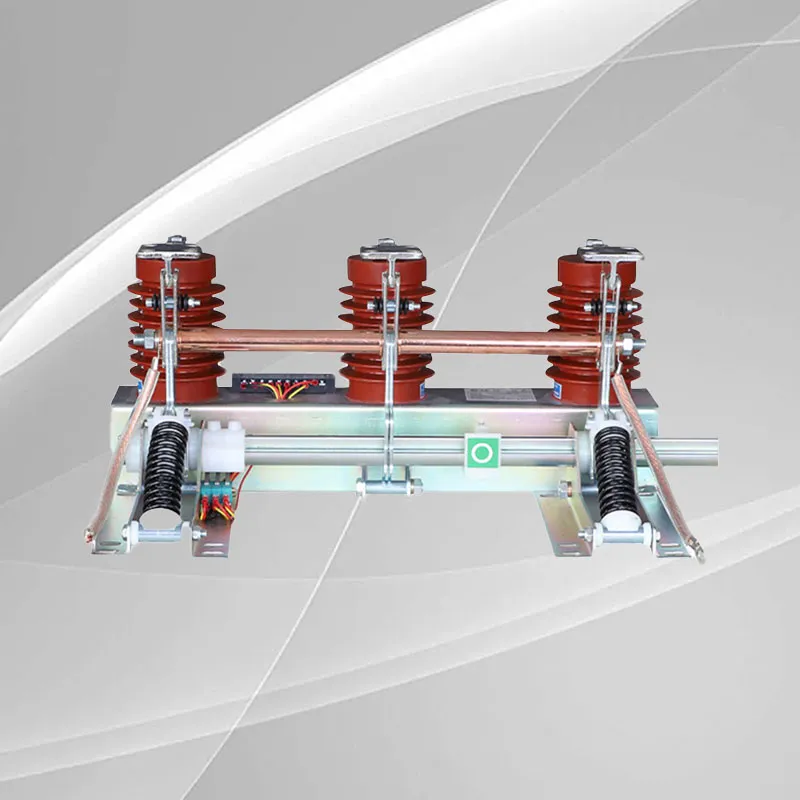 Indoor high voltage earthing switch type JN15
-
 Metal Enclosed Stationary AC Switchgear XGN15-12



