

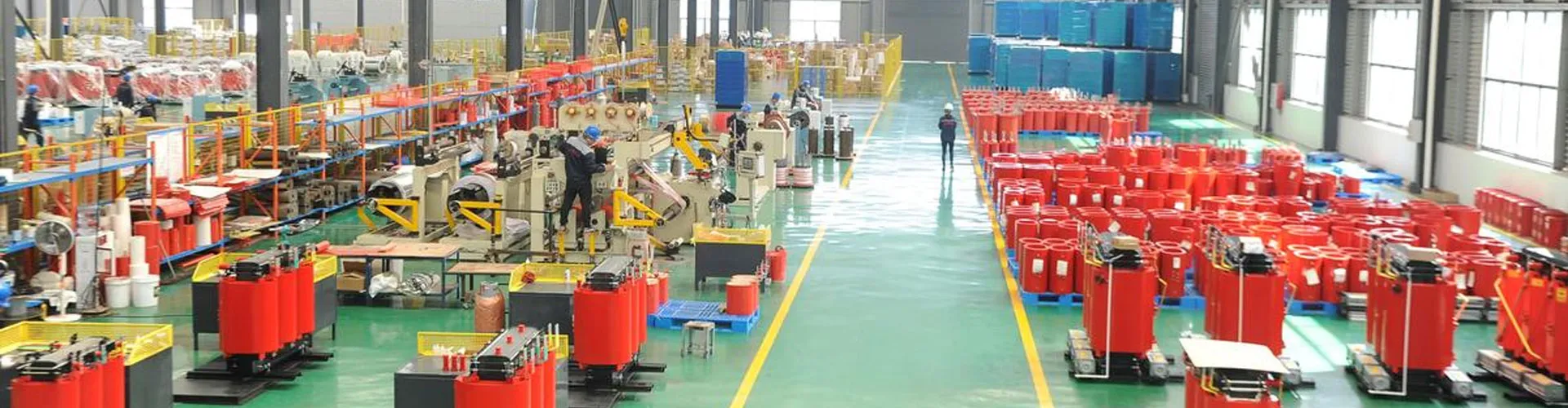
dimensions of dry transformers
Well, a question withdry transformers- it's always a headache. I’ll say right away that just “sizes” is very superficial. In fact, this is a complex set of parameters that influence selection and installation. I often hear from colleagues: “We need a transformer of a certain size,” but that’s like asking, “I need a car of a certain color.” You can’t just pick it up by size. It is important to understand what influences the final size and how this affects cost, logistics and, of course, the performance of the entire system.
Main factors determining dimensionsdry transformers
You see, it's not just the winding and the core. Yes, they are certainly important, but there is also the cooling system, insulation, and even the housing design. Especially when it comes to high power transformers. The size directly depends on the rated power, voltage and current. But this is just a starting point. It is important to take into account the insulation class, cooling method (oil, air, forced air circulation), as well as the requirements for the dimensions of the room where the transformer will be installed. And, of course, it is necessary to take into account regulatory requirements and standards.
We, at Wenzhou Qiaonasen Electrical Equipment Co., Ltd., often encounter situations where the customer initially selects a transformer by size, without taking into account other important parameters. This leads to serious problems - either the transformer does not meet the power and voltage requirements, or it is difficult to install in the designated room. In general, mistakes at the selection stage are very expensive.
Effect of the cooling system on dimensions
This is critical. Air cooling, of course, looks attractive from the point of view of safety and environmental friendliness, but it requires much larger transformer dimensions, especially at high power. Forced air systems with fans are more compact, but add complexity and potential points of failure. Oil cooling is generally the most space-efficient option, but requires additional precautions.
For example, we recently worked on a project that required a 300 kVA transformer. Roughly, an air-cooled version would be the size of a small cabinet, and an oil-cooled version would be half the size, but with additional requirements for ventilation and safety. Selecting a cooling system is always a compromise between size, cost and reliability.
Insulation materials and their effects
The quality and type of insulation directly affect the size of the transformer. A thicker layer of insulation requires more space inside the housing. And, of course, it is important to take into account the requirements for climate class and operating conditions. Otherwise, the insulation may quickly fail.
We work with various types of insulation - epoxy resins, polymer materials, ceramics. Each type has its advantages and disadvantages, and the choice depends on the specific project requirements. It is important that the insulation meets the requirements of GOST and other regulatory documents.
Real problems and ways to solve them
It happened that the customer wanted a transformer of a certain size, but then it turned out that there was simply not enough space in the allocated room. We had to redo the project or look for alternative solutions. For example, we suggested using a transformer with a more compact cooling system or optimizing the housing design.
Another common problem is incorrect calculation of heat dissipation. If thermal losses are underestimated, the transformer may overheat, which will lead to a decrease in its service life and even to an accident. Therefore, it is very important to carry out careful thermal calculations and take into account possible overloads.
The influence of standards and norms on sizes
Dimensionsdry transformersare regulated by various standards and norms. For example, GOST R establishes requirements for the dimensions, weight and other parameters of transformers. It is also important to consider fire safety and electrical safety requirements.
Failure to comply with regulatory requirements may result in equipment being rejected and resulting in serious consequences. It is therefore important to ensure that the transformer you select complies with all applicable standards and regulations.
Experience and recommendations
My advice: don't start choosingdry transformerfrom size. Start by determining the required power, voltage, current and operating conditions. Then, based on these parameters, select the appropriate cooling system, insulation type and housing design. It is better to contact specialists who have experience working withdry transformersand can help you choose the best solution.
We at Wenzhou Qiaonasen Electrical Equipment LLC are always happy to help our customers with their choicedry transformers. We have a wide range of equipment of various capacities and configurations. On our websitehttps://www.qnasen.ruyou can find detailed information about our products and services. We also offer advice on transformer selection and assistance in electrical system design.
Important points to consider when ordering a transformer
Don't forget to check delivery times, warranty conditions and availability of technical support. It is also worth clarifying what documents are included with the transformer (passport, instruction manual, certificates of conformity).
And lastly: don’t skimp on quality. It is better to pay a little more for a reliable and durable transformer than to face serious problems and repair costs later.
Correspondingproducts
Related Products

Best Sellingproducts
Best Selling Products-
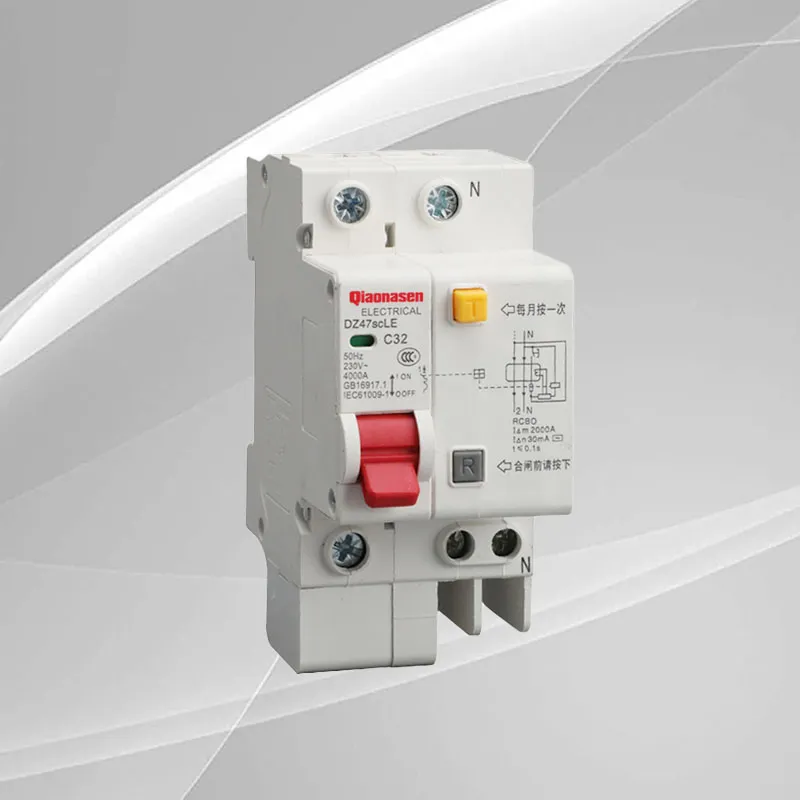 Residual current device with plastic housing
-
 Automatic circuit breaker DZ15 in plastic shell
-
 Power distribution cabinet
-
 Complete high-voltage distribution cabinet KYN28A-12 with input and linear cells and instrument transformer compartment
-
 Molded Case Circuit Breaker (MCCB), 63A
-
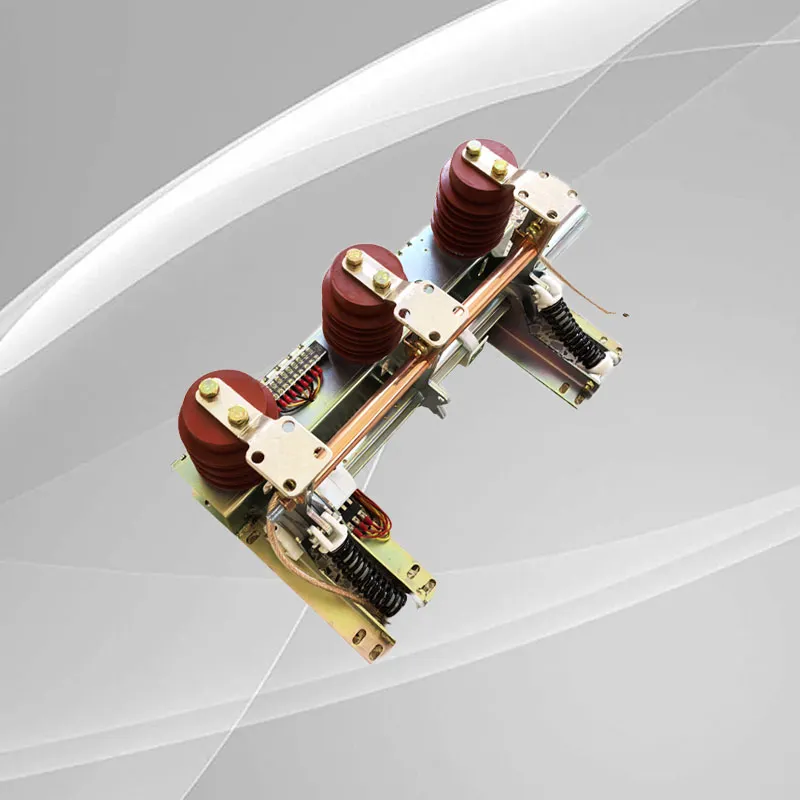
 Indoor High Voltage Isolation Circuit Breaker with Ceramic Insulators
-
 JYSF6-12 fully insulated gas-filled ring distribution device
-
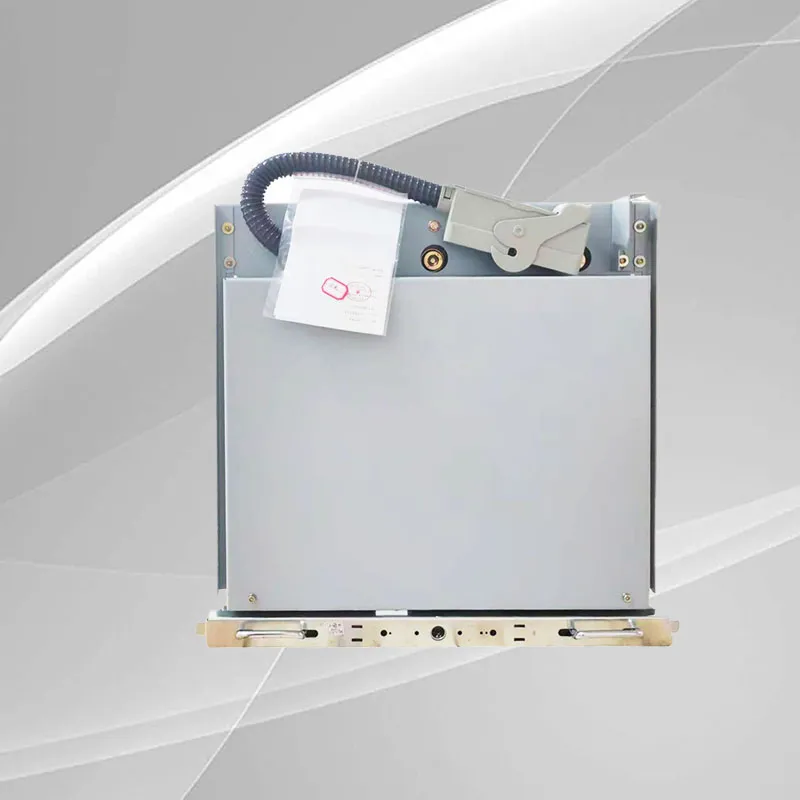 Withdrawable element for electricity metering with duck-type voltage transformers
-
 Transparent Industrial Automatic Three Phase Four Wire Leakage Proof Switch
-
 Distribution board for circuit breakers
-
 High voltage vacuum circuit breaker ZW20
-
 XGN15-12 AC High Voltage Ring Switchgear with Sulfur Hexafluoride
Relatedsearch
Related Search- China power transformers use main buyer
- frequency power transformer
- China three phase dry type transformer main buyer
- China dry power transformers TSZ main buyer
- cast power transformer
- distribution board 4 12
- dry transformer weight
- transportation of power transformers
- power transformers picture
- mounted distribution board photo