


frequency power transformer
What thefrequency of power transformer? At first glance, the question seems trivial, relating rather to theoretical electrical engineering. But in practice, when working with real equipment, understanding and proper use of this characteristic is the key to the reliability and durability of the entire power system. I often encounter situations where engineers, focused on nominal parameters, lose sight of how the network frequency and, accordingly,frequencytransformer operation affects its long-term performance and potential problems. This is not just a number on a passport, it is a factor that must be taken into account during design, operation and even during repairs.
Basics of Understanding Periodicity
First of all, we should make sure that we are talking about the same things.Frequencyin the context of an electrical network, it is the inverse interval between two successive identical events in alternating current, usually voltage or current fluctuations. For 50 Hz networks, as in most European countries, the period is 0.02 seconds. For 60 Hz – 0.0167 seconds. The transformer, as an active element of this system, is constantly exposed to these vibrations. It is this influence that determines its operating mode and, therefore,frequencyvarious processes occurring inside.
However, we should not be limited to just the frequency value. It is important to take into account the harmonic components. Modern networks contain various harmonics that arise due to nonlinear loads - frequency converters, LED lighting devices, etc. These harmonics create additional overloads and thermal stresses in the transformer windings, and affect its efficiency and service life. Accordingly, realfrequencyThe influence of not only the fundamental frequency, but also the harmonics can differ significantly.
The influence of frequency fluctuations on transformer parameters
Changing the network frequency, even within permissible deviations, has a noticeable effect on the characteristics of the transformer. For example, an increase in frequency can lead to an increase in reactive power, which, in turn, can cause overheating of the windings and a decrease in their rated current. This of course requires compensation, but simply adding capacitors is not always the solution. You need to understand exactly how it changesfrequencyfluctuations in current and voltage when changing frequency and what effect this has on heating and current distribution in the windings.
This is especially acute when operating transformers with an inductive load, where a change in frequency leads to a change in the load inductance and, accordingly, to a change in the current flowing through the windings. This can cause overvoltages and insulation breakdowns.
Practical experience and examples
We had to deal with a situation where, in an industrial facility that uses frequency converters to control motors, due to incorrect settings of harmonic filtering systems, the variable frequency in the network significantly exceeded the permissible values. This led to significant overheating of distribution board transformers, premature failure of insulation and, as a result, expensive repairs. It was necessary to carry out complex measurements and make changes to the filtration system, as well as change parametersfrequencyto safer ones. I remember using a monitoring system to monitor the temperature and vibration of transformers, which made it possible to detect problems in time and prevent more serious consequences.
Another case is in agriculture, where solar panels with inverters were connected to the power supply system of pumping stations. Inverters generate a significant amount of harmonics, which has significantly increased the thermal load on the transformers. In this case, it was necessary to install special transformers with increased heat resistance and use harmonic filters.
Monitoring and prevention
Key factor to ensure reliable operationfrequency of power transformeris regular monitoring of its parameters. This may include measurements of winding temperature, vibration, current and voltage, and analysis of the electrical characteristics of the transformer. In modern automated power supply control systems, such monitoring can be carried out using specialized sensors and software.
Wenzhou Qiaonasen Electrical Equipment Co.,Ltd specializes in providing control and protection solutions for transformer equipment, including monitoring and diagnostic systems. Our experience shows that timely identification of problems allows us to prevent emergency situations and extend the service life of equipment. We offer a wide range of transformer equipment that meets the latest safety and reliability requirements. More information about our activities can be found on the website:https://www.qnasen.ru.
Recommendations
In conclusion, I want to emphasize thatfrequency of power transformeris not an abstract concept, but a critical parameter that must be taken into account when designing, operating and repairing electrical installations. Monitoring transformer parameters and timely diagnostics should not be neglected. The correct approach to the management and maintenance of transformer equipment will ensure reliable and uninterrupted power supply.
Potential errors in calculations and operation
There are often errors in calculations associated with incorrect assessment of the harmonic composition of the network. Incorrect data can lead to underestimation of the requirements for the transformer and, as a result, to its premature failure. Another common mistake is failure to comply with the recommended operating modes of the transformer, such as limiting the maximum current or voltage. When operating, you must always follow the manufacturer's recommendations and take into account the specific features of the specific installation.
Finally, we must not forget about the influence of the environment. Temperature, humidity and contamination can have a negative impact on the longevity of the transformer. It is therefore important to ensure correct operating conditions and carry out regular maintenance.
Correspondingproducts
Related Products


Best Sellingproducts
Best Selling Products-
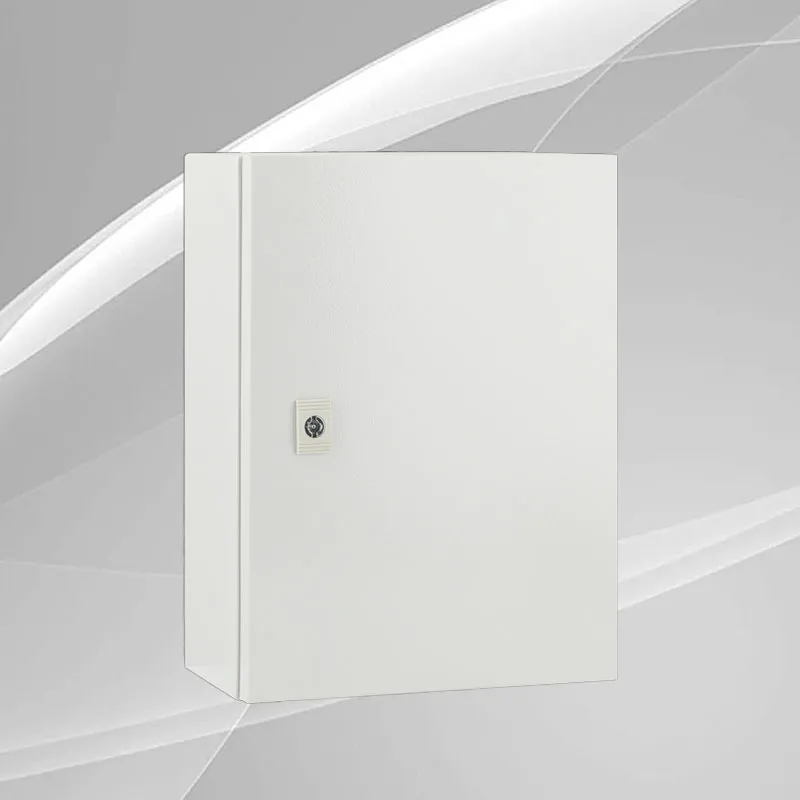 Apartment switchboard
-
 High voltage vacuum circuit breaker ZW20
-
 High voltage ring cabinet XGN66-12/10kV
-
 Oil transformer
-
 Outdoor distribution board
-
 DZ15LE Leakage Current Circuit Breaker - White 3P 4P Low Voltage AC
-
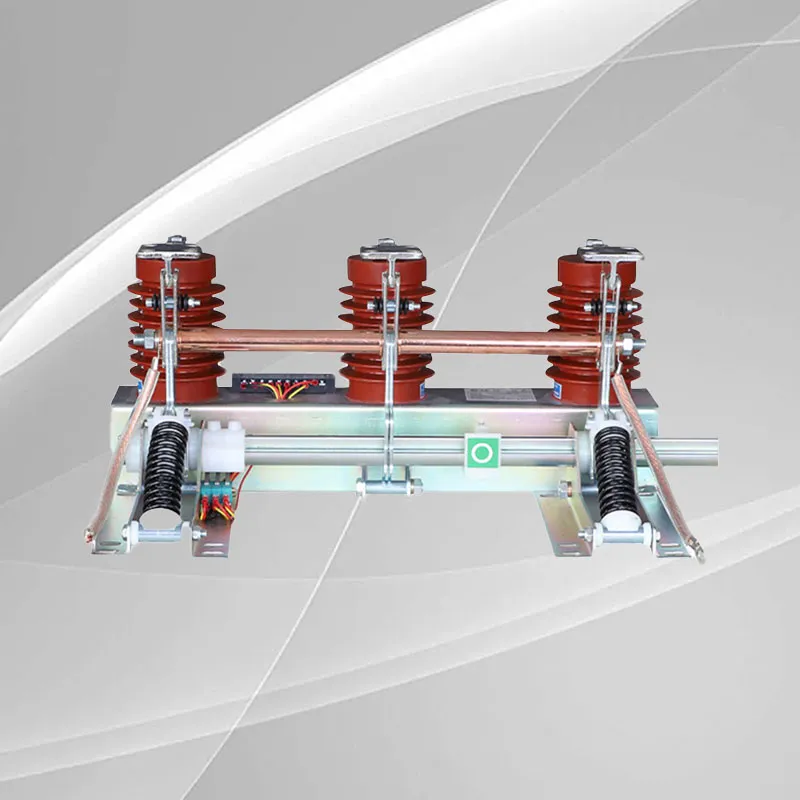 Indoor high voltage earthing switch type JN15
-
 MBM1 is a circuit breaker in a plastic case with short circuit and overload protection.
-
 Residual current switch
-
 Outdoor Waterproof Stainless Steel Switchboard
-
 Grid connection cabinet for photovoltaic system made of stainless steel
-
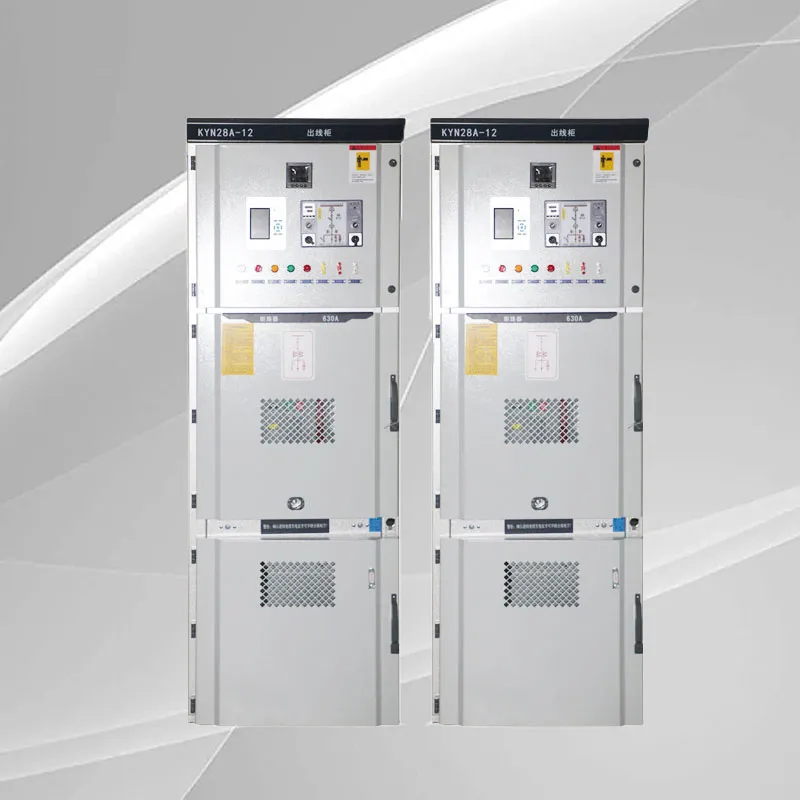 KYN28A-12 indoor metal armored medium power AC switchgear
Relatedsearch
Related Search- China winding group of power transformers
- power transformers 25 mva
- hinged distribution board schrn 4
- power transformer TM 1000 10
- power transformer supply
- what kind of circuit breaker for home
- single-phase distribution board
- China power transformer 380 380
- automatic motor protection switch VA 431
- China table of dry-type transformers



