


power transformer for amplifier
Power transformer for amplifieris a topic that often seems simple, but in fact requires deep understanding. Many novice engineers or installers believe that it is enough to select a transformer based on power, and everything will work. This is, of course, not entirely true. The wrong choice can affect not only the performance of the amplifier, but also its longevity, and in the worst case, lead to failure of the entire system. I would like to share some thoughts and experience accumulated over the years of working with similar problems.
What should you consider when selecting a transformer?
The first thing that comes to mind is the power consumption of the amplifier. But it's important to understand that this is just a starting point. The power of the transformer is affected not only by the power of the amplifier, but also by its efficiency, type of load and other factors. For example, an amplifier operating at high efficiency may consume less power than a similar one that is less efficient. This, in turn, affects the requirements for the transformer - it must be able to provide not only peak power, but also stable operation under long-term load.
Do not underestimate the role of the input network voltage. If the voltage in your region is unstable, then you need to choose a transformer with a voltage reserve. Otherwise, voltage surges can lead to overload and failure of the transformer. This is especially true for amplifiers with high requirements for power stability.
And, of course, we must not forget about the dimensions and weight of the transformer. In some cases, especially when installing in confined spaces, this may be a deciding factor in your choice.
Practical experience: mistakes and their consequences
One day we were faced with the task of selecting a transformer for an industrial amplifier used in an electric motor control system. The client provided the characteristics of the amplifier, but did not take into account the characteristics of the load - the motor had significant starting currents. We selected a transformer based on the stated power of the amplifier, but it turned out to be not powerful enough to provide peak currents when starting the engine. As a result, the transformer overheated and failed, which led to equipment downtime and significant losses for the client. This was a painful lesson that forced us to more carefully analyze transformer requirements when sizing for high inrush current loads.
Another common mistake is to underestimate the role of reactive power. The transformer must be able to compensate for the reactive power consumed by the amplifier. If this is not done, then you can get problems with phase shift and a decrease in the efficiency of the system. Therefore, when choosingpower transformer for amplifierThe power factor of the amplifier must always be taken into account.
Types of power transformers and their features
There are several types of power transformers that can be used to power amplifiers: flywheel, radial, isolated phase. Each type has its own advantages and disadvantages. For example, flywheel transformers are highly reliable and durable, but they are more bulky and heavy. Radial transformers are more compact and lightweight, but they are less reliable. Isolated phase transformers provide a higher degree of short circuit protection, but are more expensive. The choice of transformer type depends on the specific system requirements and available space.
We often work with transformers manufactured by Wenzhou Qiaonasen Electrical Equipment Co.,Ltd. They offer a wide rangetransformers for various applications, including power solutions for amplifiers. They have models with different parameters and characteristics, which allows you to choose the best option for a specific task. They also have good technical support, which is always nice.
Recommendations for selection
Before making a final decision, it is recommended to consult a specialist. They will help you correctly calculate the power and choose the optimal type of transformer. You should not skimp on a transformer - this is an investment in the reliability and durability of your system. And don't forget about certification! Make surepower transformer for amplifiermeets all necessary safety requirements.
Additional questions
Many customers ask about the possibility of using pulse transformers. They have higher efficiency than traditional transformers, but they are more sensitive to noise and require more complex control circuitry. Therefore, their use is justified only in certain cases where high power density and low noise levels are required.
Another important point is the transformer cooling system. The service life of the transformer and its reliability depend on its efficiency. For high power transformers, an air cooling system is usually used, and for low power transformers, an oil cooling system is usually used.
When choosingpower transformer for amplifierBe sure to take into account the operating conditions - temperature, humidity, vibration. This will help you select a transformer that will work reliably in your specific environment.
Correspondingproducts
Related Products



Best Sellingproducts
Best Selling Products-
 Oil transformer
-
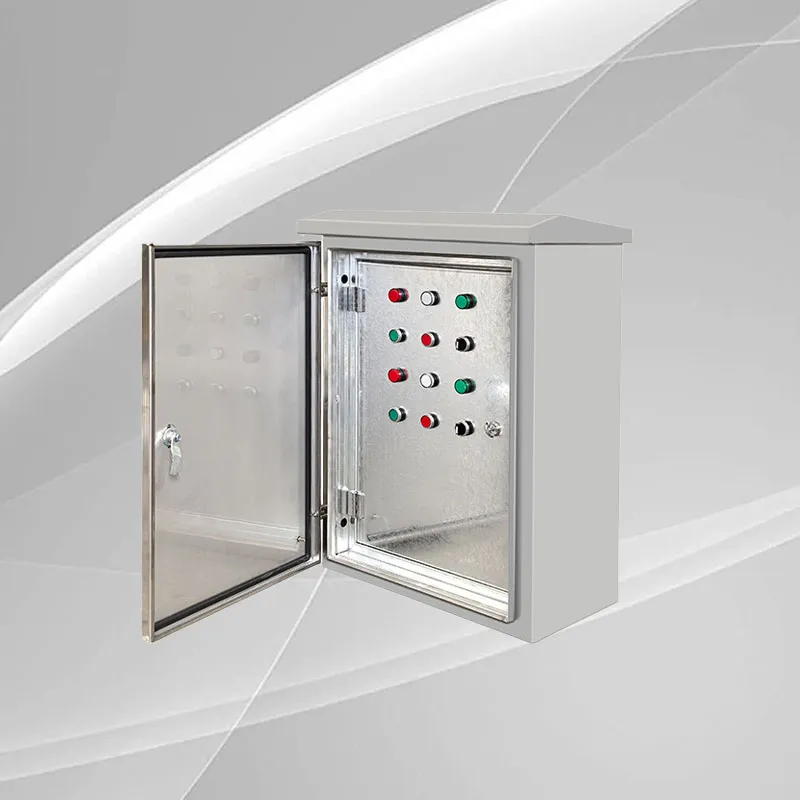
 JXF weatherproof box for external use with enhanced dust protection
-
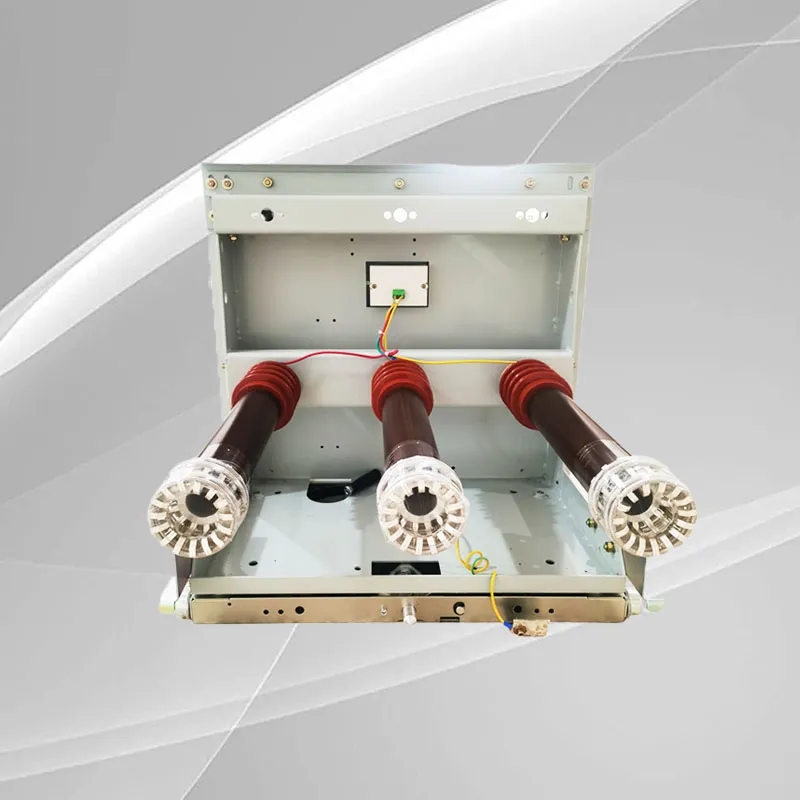
 Internal high-voltage disconnector GN19-630A with double input and grounding contact
-
 Miniature circuit breaker
-
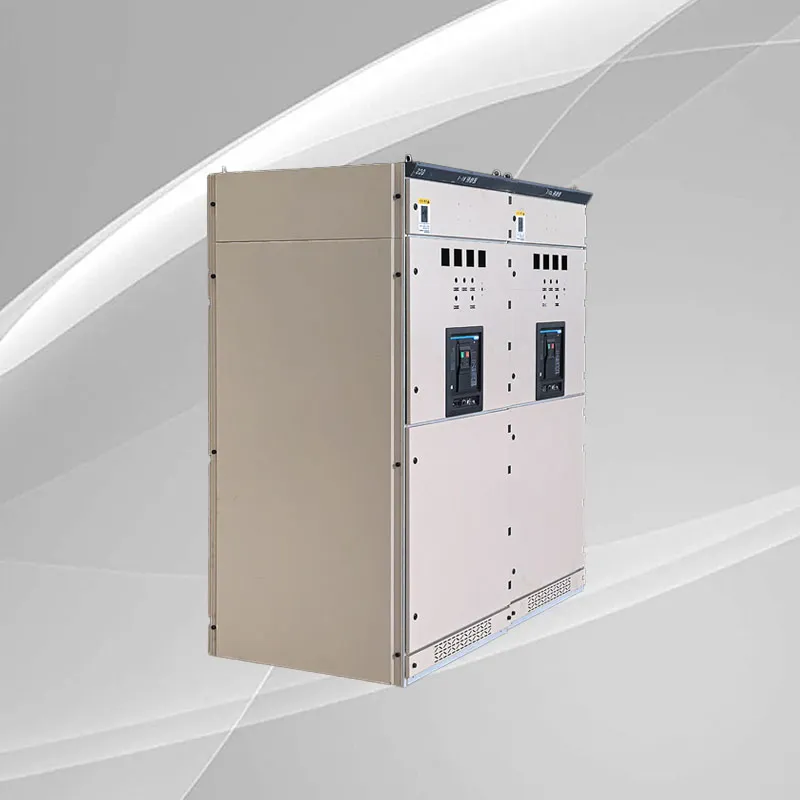 Low-voltage withdrawable distribution cabinet GCS (input cabinet)
-
 Outdoor waterproof distribution cabinet
-
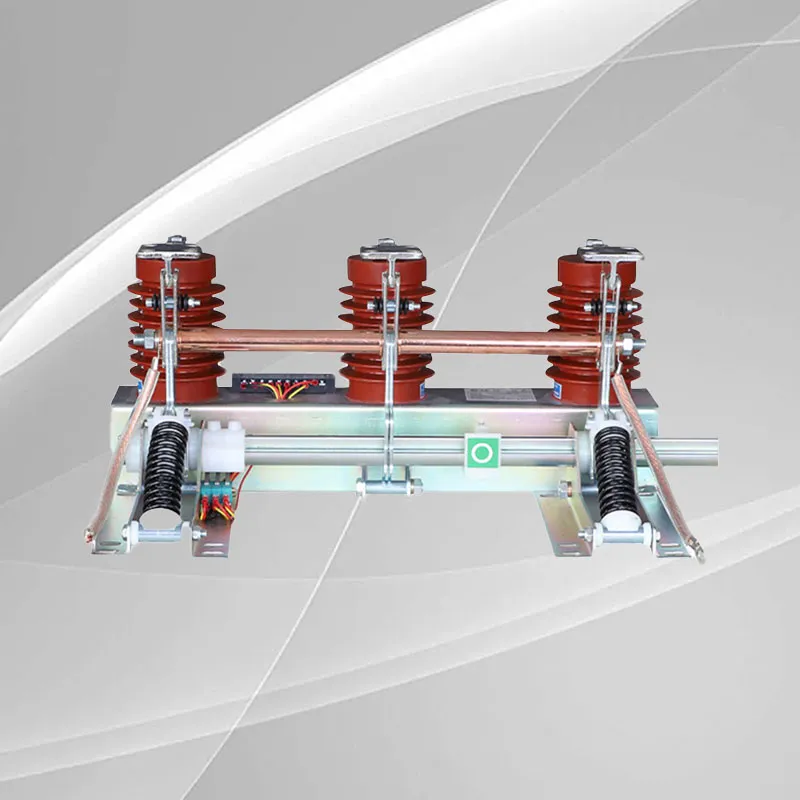 Indoor high voltage earthing switch type JN15
-
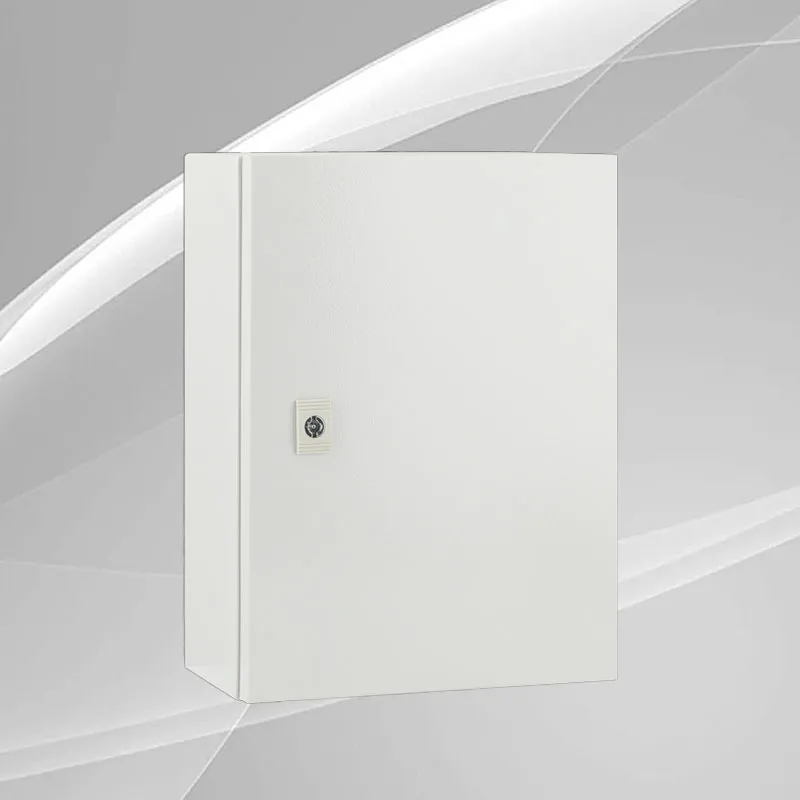 Apartment switchboard
-
 PT-12 Internal high voltage voltage transformer with withdrawable element
-
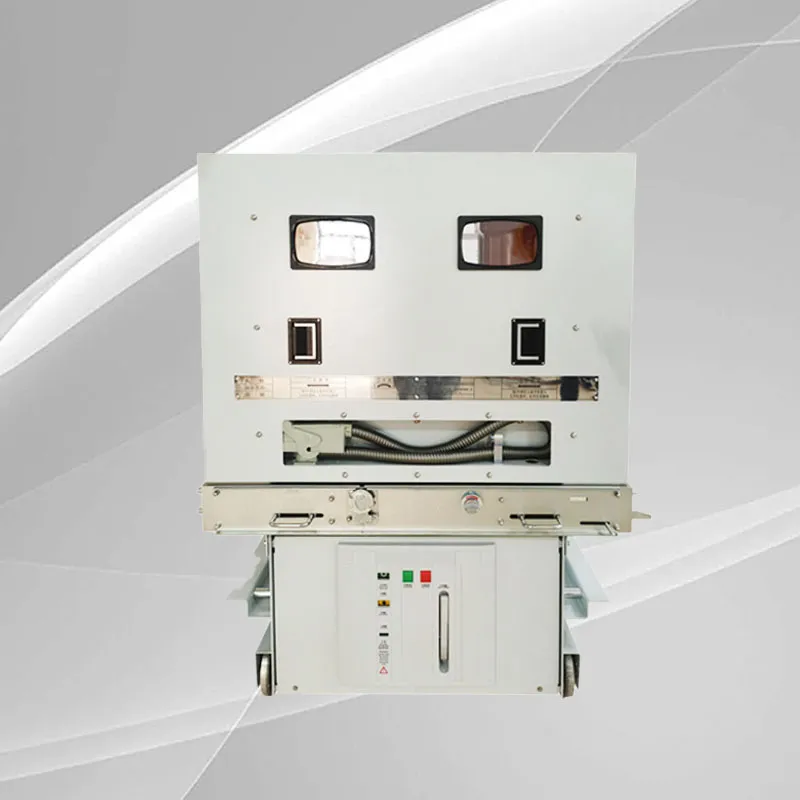 High Voltage Vacuum Circuit Breaker
-
 XGN66-1210KV High Voltage Ring Cabinet
-
 Outdoor distribution board
Relatedsearch
Related Search- China regulation of dry transformer
- distribution boards on board
- motorized circuit breaker
- China power transformer 10 0.4 kv main buyer
- China power transformer cost main buyer
- circuit breaker 250a 50ka
- circuit breaker 1p 10a iek
- circuit breaker 1000v
- circuit breakers 3p 63a 6ka
- China power transformer inspections main buyer



