


power transformer at a substation
It's always funny to hear from some 'experts' about 'magic' at workpower transformer at the substation. It’s as if it’s some kind of black box into which voltage “magically” flows and another appears. No, of course, transformers have their own charm, their own complexity, but this is not magic, this is physics and accuracy in design, installation and operation. In my practice, I have often encountered situations where people overestimated the role of 'magic' and underestimated the importance of a clear understanding of the basic principles of work. Therefore, I decided to share some thoughts and observations, and maybe mistakes that we made.
Main tasks and functionspower transformer
Let's start with something simple - why is it needed at all?power transformerat the substation? Mainly to change the voltage level. A step-up transformer increases the voltage when transmitting electricity over long distances (reducing resistance losses), and a step-down transformer reduces it for use in distribution networks and end consumers. But it's not just a matter of voltage changes. Galvanic isolation between the primary and secondary windings is also important, which increases safety. And, of course, efficiency – to minimize energy losses during the transformation process.
The classification of transformers according to purpose, voltage, power, and cooling method is usually discussed. This is important, of course, but not always the main thing. In my opinion, it is much more important to choose the right transformer for a specific task. For example, when designing a transformer substation, it is necessary to take into account not only the peak load, but also possible overloads, idle states and future prospects for the development of the network. Otherwise, later it will be “rubbed” and remade.
Typespower transformersand their application
There are several main typespower transformers, each of which has its own advantages and disadvantages. According to the cooling method, these are dry transformers, oil transformers, air-cooled transformers. Oil-based ones, of course, lasted longer, but now they are increasingly leaning towards dry ones, especially in industrial areas with increased requirements for environmental friendliness and safety. Dry ones are less fire hazardous, do not require oil maintenance, but, as a rule, are less powerful.
In my experience, I often had to choose between transformers with different insulation levels. A higher level of insulation is more expensive, but provides greater reliability and durability. Particularly important for transformers operating in aggressive environments or exposed to high humidity. There have been cases when savings on insulation resulted in expensive repairs and downtime.
Features of operationpower transformers
Proper operation is the key to long and trouble-free operationpower transformers. This includes regular inspections and maintenance, oil level monitoring (for oil transformers), insulation resistance measurement, winding temperature monitoring. We must not forget about visual inspection for leaks, insulation damage and other defects.
Problems with oil leaks often occur. This is not only an environmental problem, but also a serious threat to fire safety. Leaks must be promptly identified and repaired, and the condition of oil traps and safety valves must be regularly checked. Once, at one facility, due to the poor condition of the seals, almost half of the oil was lost. This had to be fixed urgently, or even without shutting down the substation. The moral here is simple - do not skimp on sealing elements.
Common mistakes during installation and startuptransformers
Improper installation and commissioning is one of the most common causes of failure.power transformers. For example, improper tightening of connections, insufficient grounding wiring, violation of electrical safety rules. I remember one case when, due to improper grounding, the transformer constantly overheated. We had to redo everything, and this was a significant investment of time and money.
Another mistake is insufficient monitoring of the state of the primary and secondary networks before starting the transformer. It is necessary to ensure that the network meets the transformer requirements for voltage, frequency and harmonic content. Otherwise, you can damage the transformer and even damage other equipment.
Condition Monitoring Technologiestransformers: what's new?
Recently, condition monitoring technologies have been actively developingtransformers. This includes the use of temperature, vibration, oil sensors, electromagnetic field analyzers and other instruments. Data collected from these sensors can be used to identify early signs of defects and prevent accidents.
For example, vibration analysis can identify defects in windings or bearings. Oil analysis can determine whether the insulation is contaminated or damaged. This, of course, requires additional investment, but in the long run it can pay off due to reduced repair costs and downtime. Wenzhou Qiaonasen Electrical Equipment LLC is engaged in the supply and installation of modern equipment for substations and, of course, solving problems of condition monitoringpower transformers. [https://www.qnasen.ru/](https://www.qnasen.ru/)
In conclusion, I would like to say thatpower transformer at a substation– it’s not just a piece of metal. It is a complex and important part of the energy system. And for it to work reliably and for a long time, it is necessary to approach its design, installation and operation with maximum responsibility and attention to detail. And of course, don’t forget about constant training and learning new technologies.
Correspondingproducts
Related Products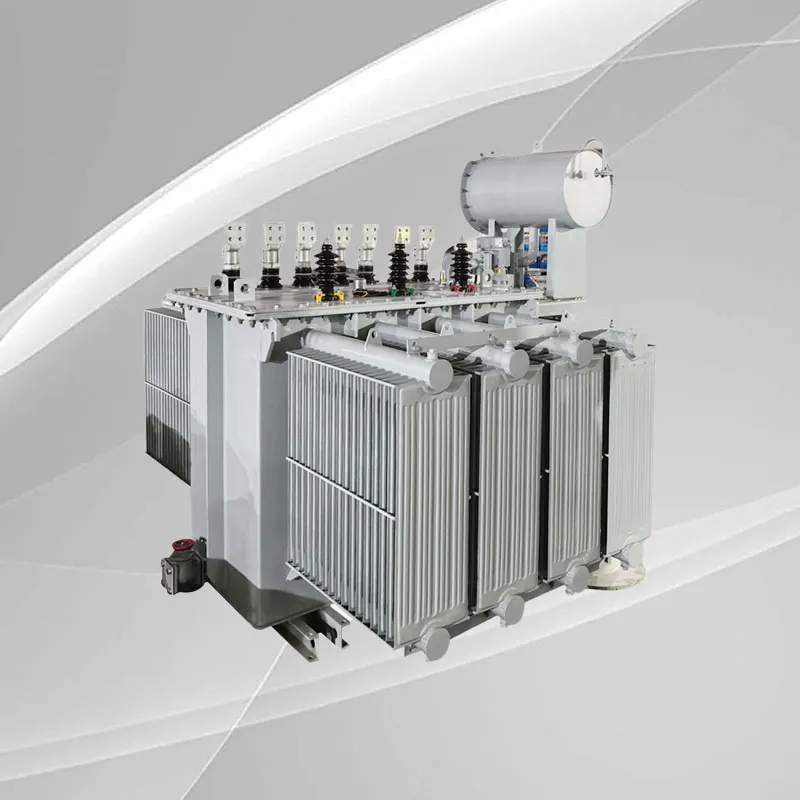



Best Sellingproducts
Best Selling Products-
 Internal high-voltage disconnector GN19-630A with double input and grounding contact
-
 PT-12 Internal high voltage voltage transformer with withdrawable element
-
 Rotating internal high voltage disconnector
-
 Transparent circuit breaker with plastic housing
-
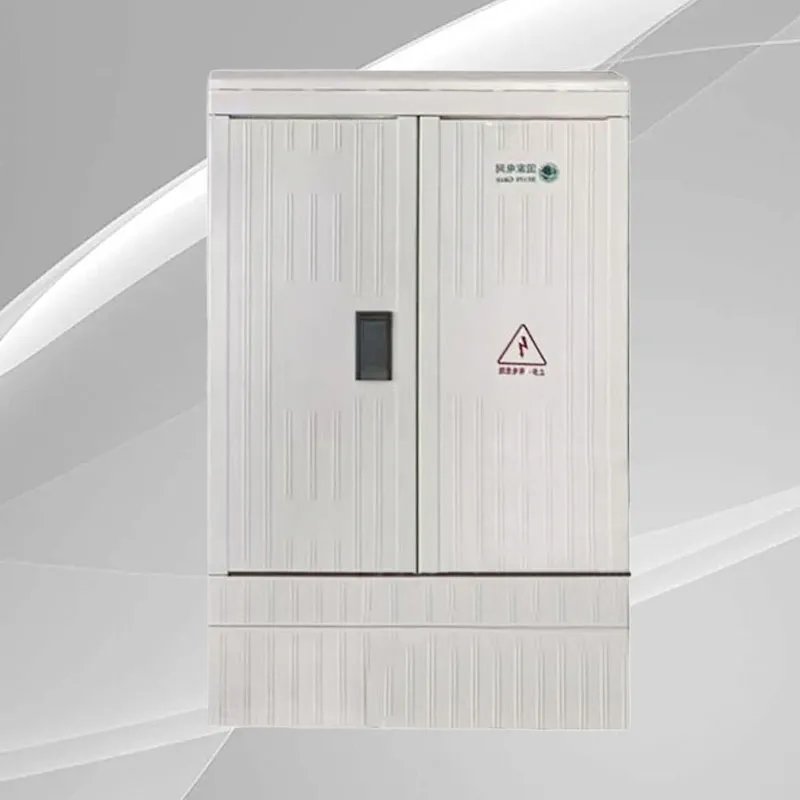 Thickened fiberglass housing for low voltage cable distribution board
-
 Oil transformer
-
 GW9-10 High Voltage Isolation Switch with Ceramic Insulators for Outdoor Installation
-
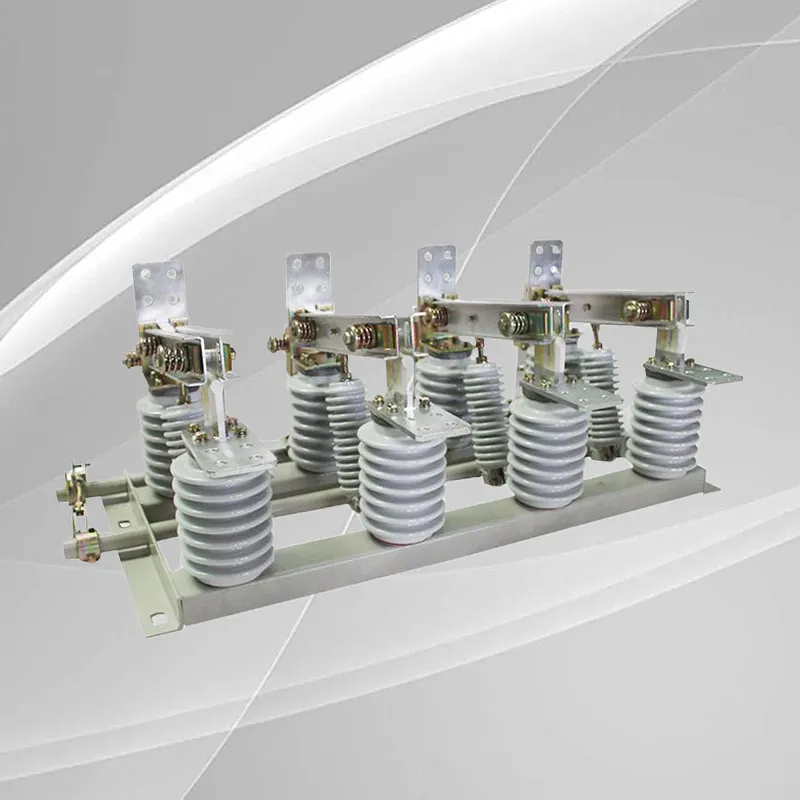 High voltage isolation switch GN24-12 for indoor use
-
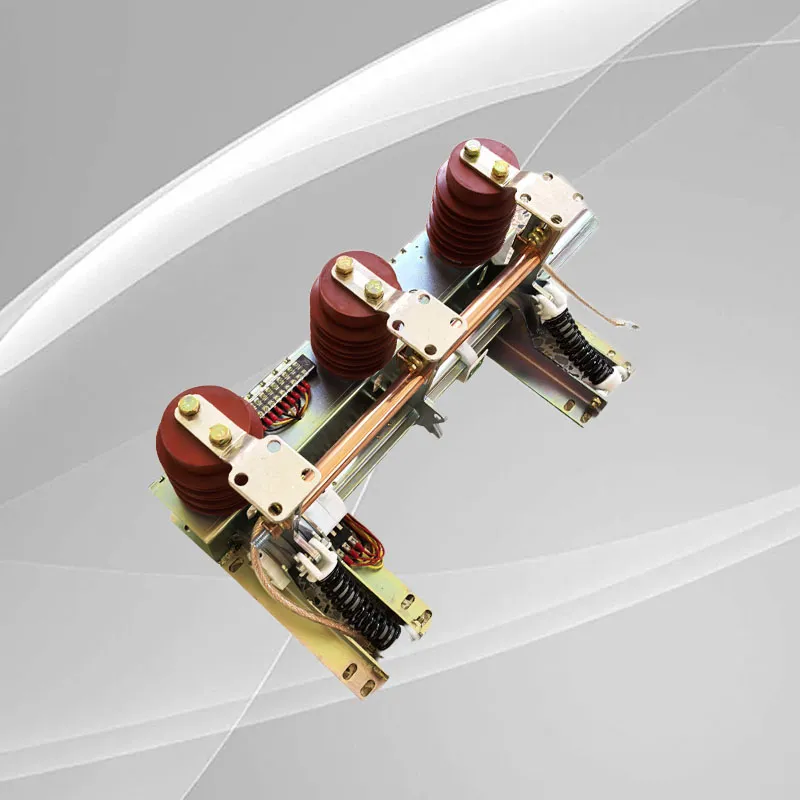 JN15-12-31.5 internal high voltage grounding switch
-
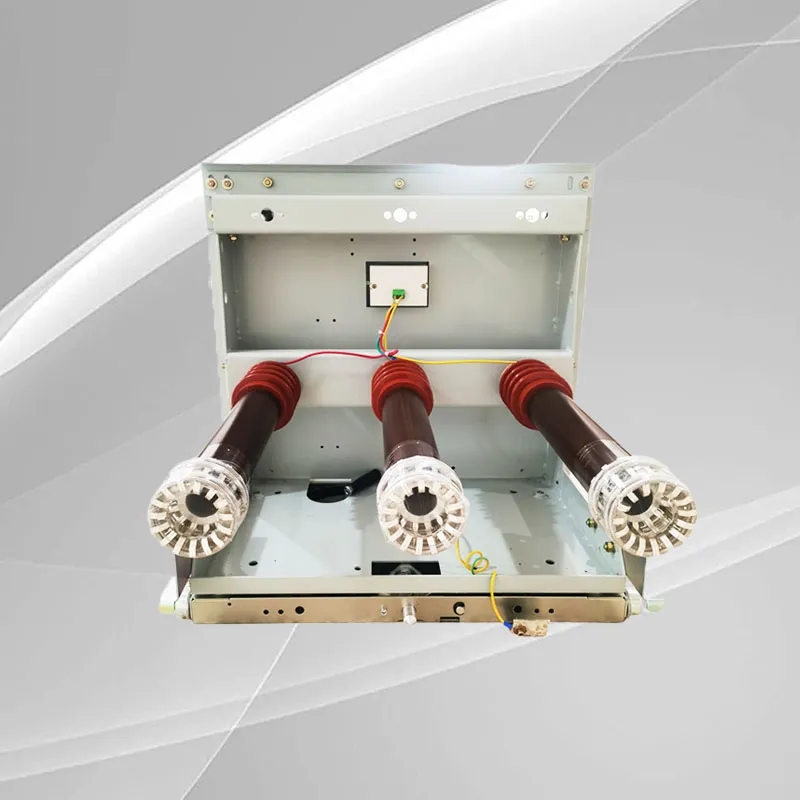 Withdrawable element for electricity metering with voltage check function
-
 Stainless steel meter panel
-
 DZ15LE Leakage Current Circuit Breaker - White 3P 4P Low Voltage AC



