


Epoxy cast transformer 10 kV
Epoxy cast transformer 10 kV- this is, at first glance, a rather simple thing. But reality is often much more complicated than it seems. I have been designing and installing power systems for many years, and I can say with confidence that problems associated with these transformers occur more often than we would like. Often the problem is not in the transformer itself, but in the wrong approach to the choice of material, casting technology or subsequent operation. Therefore, I want to share my thoughts and experience, without claiming to be the absolute truth, but only offering some considerations that I hope will be useful.
Introduction: Myths and Realities of Epoxy Casting
There is a common misconception in the industry that epoxy cast is always better than traditional oil cast. And this is not entirely true. Each method has its own advantages and disadvantages. The advantages of epoxy casting are, of course, obvious: the absence of oil eliminates the risk of leaks and fires, which is especially important under conditions of high load and potential emergency situations. In addition, epoxy resin provides better dielectric strength and environmental resistance. But there are also difficulties associated with casting technology and the cost of materials.
For example, epoxy resin is typically more brittle than oil, requiring a more careful approach to transformer housing design. Mechanical loads arising during transportation and installation must be taken into account. Also, if overheating occurs, the epoxy resin can become deformed, which can lead to serious consequences. In our practice, we have encountered cases where an incorrectly selected epoxy resin in combination with a suboptimal housing design led to cracks and destruction of the transformer.
Problems with heat resistance of epoxy resin
One of the most important aspects when usingepoxy cast transformers– this is their heat resistance. Although epoxies have a higher glass transition temperature than many polyester resins, they are still susceptible to degradation when exposed to high temperatures for long periods of time. We had to use special additives and modifiers to increase the heat resistance of the epoxy resin and extend the life of the transformer. We used different types of hardeners and also added fillers such as aluminum oxide and silica to improve thermal conductivity and reduce thermal stress.
Another problem is the possible deformation of the transformer housing when heated. This is especially true for high power transformers. To solve this problem, we used special housing designs with reinforced walls and thermal stabilizers. We also carried out careful calculations of thermal expansion and contraction to avoid internal stresses.
Epoxy Transformer Casting Technology
Casting processepoxy cast transformersignificantly different from oil casting. It requires high precision and control at every stage. It is important to ensure that the mold is filled evenly with resin to avoid voids and defects. For this purpose, special vacuum molds and injection molding methods are used.
We cooperate with several foundries specializing in the production of epoxy transformers. When choosing a partner, we pay special attention to its equipment and personnel qualifications. It is important that the foundry has experience working with high power transformers and can provide high quality products.
Vacuum infusion and its role
Vacuum infusion is a modern casting method that allows a mold to be filled with resin under vacuum. This ensures that the mold is filled more evenly and reduces the number of air bubbles. We use vacuum infusion to produce transformers with high precision and quality.
This method is especially useful when casting complex geometries where it is difficult to ensure uniform filling of the mold with other methods. Vacuum infusion also allows the use of more viscous resins, which improves the mechanical properties of the transformer.
Real examples and mistakes
We once encountered the problem of deformation of an epoxy cast transformer that was operated in a high vibration environment. The reason turned out to be the wrong choice of material to fill the internal space of the transformer. We used a resin with insufficient elasticity, which led to internal stresses during vibration. As a result, the transformer housing cracked and required repair.
Another case where we made a mistake when designing the hull structure. We did not take into account the mechanical loads arising during transportation and installation. As a result, the transformer housing was deformed and damaged internal components. This case showed us the importance of a thorough analysis of all possible loads that will act on the transformer during operation.
Wenzhou Qiaonasen Electrical Equipment Co.,Ltd and our solutions
At our company, Wenzhou Qiaonasen Electrical Equipment Co., Ltd., we specialize in high and low voltage transmission and distribution solutions and electrical control systems in the power equipment industry. We offer a wide rangeepoxy cast transformers, developed taking into account all requirements and standards.
We use only high-quality materials and modern equipment for the production of transformers. Our team of experienced engineers is ready to develop customized solutions to suit your requirements. We also provide installation and commissioning services for transformers.
Conclusion: development prospects
Technologyepoxy cast transformer 10 kVis constantly evolving. New materials and casting methods are emerging that can improve the reliability and durability of transformers. We believe that epoxy cast transformers will play an increasingly important role in the power industry. The main thing is not to neglect knowledge and experience, but to constantly improve your skills and use modern technologies.
In the future, we plan to develop new types of epoxy cast transformers with improved heat resistance and mechanical strength characteristics. We also plan to introduce new product quality control methods to ensure maximum reliability and safety of transformers.
Correspondingproducts
Related Products

电动智能户外柱上高压真空断路分合闸开关.2.webp)

Best Sellingproducts
Best Selling Products-
 MBW1 series intelligent universal circuit breakers, three-pole fixed
-
 JYSF6-12 fully insulated gas-filled ring distribution device
-
 Metal Enclosed Stationary AC Switchgear XGN15-12
-
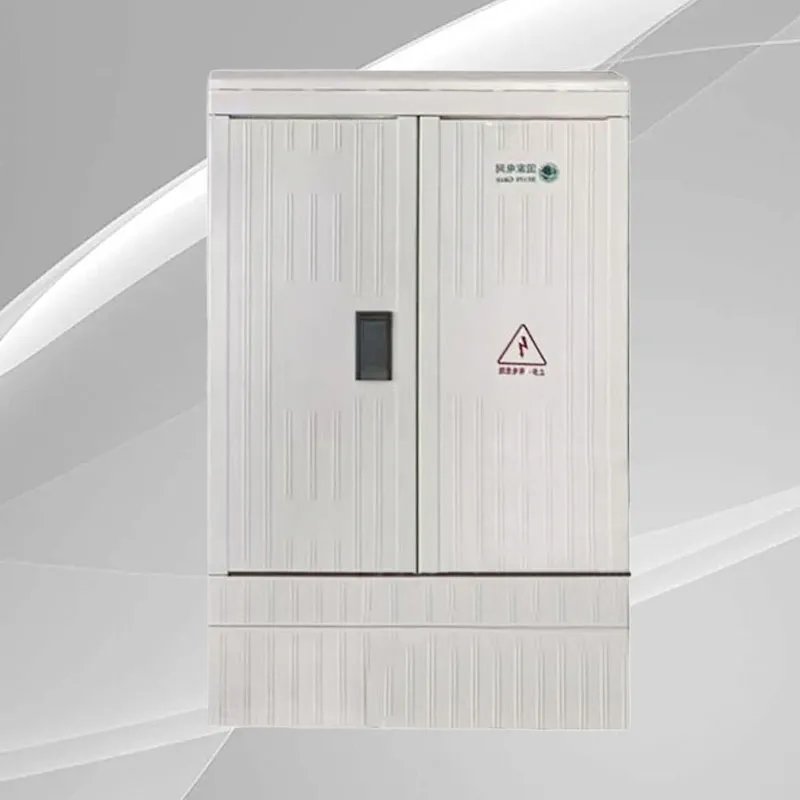 Thickened fiberglass housing for low voltage cable distribution board
-
 Outdoor Waterproof Stainless Steel Switchboard
-
 Blade contact disconnector ZW10-12
-
 Transparent Industrial Automatic Three Phase Four Wire Leakage Proof Switch
-
 Grid connection cabinet for photovoltaic system made of stainless steel
-
 Disconnector with blade contact in a complete high-voltage cabinet
-
 Withdrawable element for electricity metering
-
 Outdoor distribution board
-
 Rotating internal high voltage disconnector
Relatedsearch
Related Search- relay protection of power transformers
- China dry type transformer overload main buyer
- main distribution board price
- power transformer magnetic circuit
- power transformers tls
- power transformer TMG 25
- anti-vandal distribution board
- power transformers with a capacity of 250
- minimum circuit breaker
- beautiful switchboard



