


power transformer act
Power Transformer Act– this seems to be a formal document, but in reality it is a kind of “fingerprint” of the state of the equipment at a specific point in time. It is often perceived as a bureaucratic formality, and even then, many try to sign as quickly as possible, without paying due attention. But it is precisely this act that lays the foundation for further operation and, ultimately, the durability of the transformer itself. In my experience, it is errors and omissions in the preparation of this document that often lead to serious problems in the future.
What is an act and why is it needed?
Essentiallypower transformer act– this is a document recording the technical condition of the transformer as of a certain date. It reflects information about its parameters, appearance, presence of damage, test results (if carried out), etc. Why is it needed? Firstly, to confirm that the transformer is transmitted or received in an agreed state between the parties. Secondly, to track changes in its condition over time. For example, during routine inspections or after repair work. And finallypower transformer actis an important document for insurance payments in case of accidents or breakdowns. It allows you to objectively assess the cause of the incident and determine the amount of compensation.
It is important to understand that this is not just a formality, but an important asset management tool. Properly designedacthelps to avoid disputes and disagreements between the parties, and also allows timely identification of potential problems.
What parameters are recorded in the act?
The list of parameters that must be reflected in the act is quite extensive and depends on the type of transformer and its purpose. But in general, the following items are mandatory: transformer model, serial number, date of manufacture, rated power, voltage (high and low), insulation type, oil parameters (specific gravity, acid number, moisture content), visual inspection results (presence of cracks, signs of corrosion, winding damage), results of insulation resistance measurements and other parameters. If tests have been carried out (for example, hydraulic tests or strength tests), then the results of these tests must be indicated in the report.
Don't forget about photographs! It is advisable to attach photographs of the transformer from all sides in order to have a visual idea of its condition. This can be useful when dealing with disputes or assessing the cause of damage.
Practical difficulties and common mistakes
In practice, you often come across the fact thatpower transformer actfilled superficially. For example, oil parameters or insulation resistance measurements are not indicated. Or, even worse, the report does not record the presence of any damage. In such casesactloses its value as a reliable source of information.
Another common mistake is incorrectly indicating the serial number or model of the transformer. This can lead to confusion when searching for transformer information in technical documentation. Sometimes there are acts that do not indicate the date of last maintenance or repair. This can also be a problem, especially if the transformer starts to fail.
When working with transformers, especially old ones, problems with bearings often occur. Their condition must also be indicated in the act. If the bearings are loose or noisy, this may indicate a need for repair.
Example of a real situation: excessive oil consumption
We recently encountered a situation where one of the enterprises experienced excessive oil consumption in a power transformer. They suggested that the problem might be related to an oil leak. Checkedpower transformer act, and it turned out that it did not indicate the results of oil level measurements. We took further measurements and found that the oil level was indeed below normal. It turned out that the oil leak was due to a damaged seal. Indication of oil leakage in the originalactcould have prevented serious problems and greater repair costs.
This situation showed how important it is to carefully fill outpower transformer actand do not miss even minor details.
Recommendations for filling out the form
In conclusion, I would like to give some recommendations for filling outpower transformer act: carefully study the technical documentation for the transformer, carefully inspect it for damage, take the necessary measurements, do not miss any important details, attach photographs if possible. And most importantly, don’t signactuntil you are sure that it is filled out correctly and accurately. Remember that this document will serve as the basis for the further operation of the transformer and the protection of your interests.
Wenzhou Qiaonasen Electrical Equipment Co.,Ltd specializes in high and low voltage transmission and distribution solutions and electrical control systems in the power equipment industry. We offer a wide range of services for the maintenance and repair of power transformers, including preparation of acceptance certificates and technical inspection.
Correspondingproducts
Related Products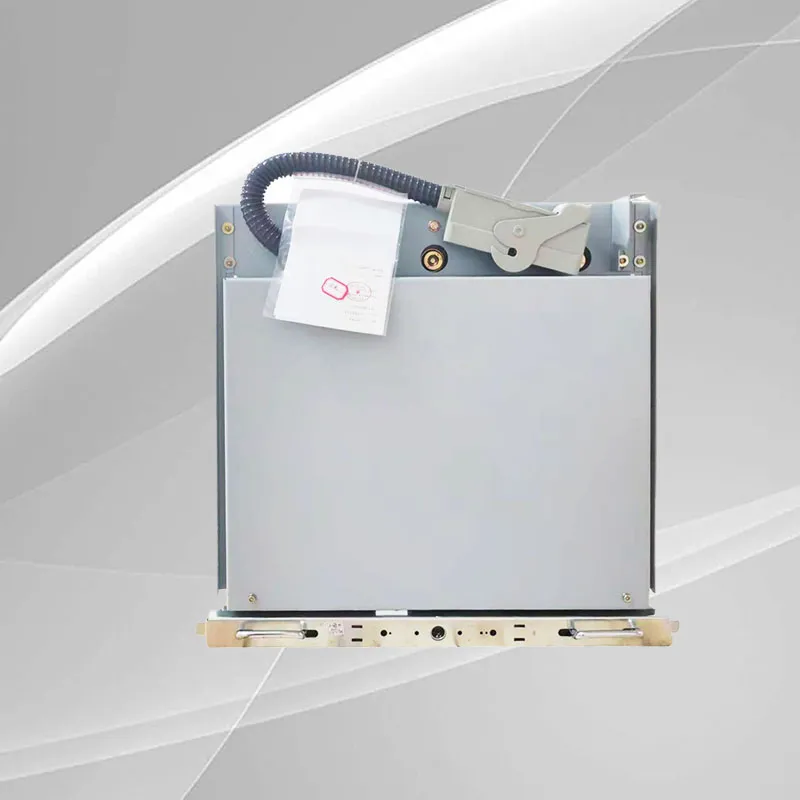
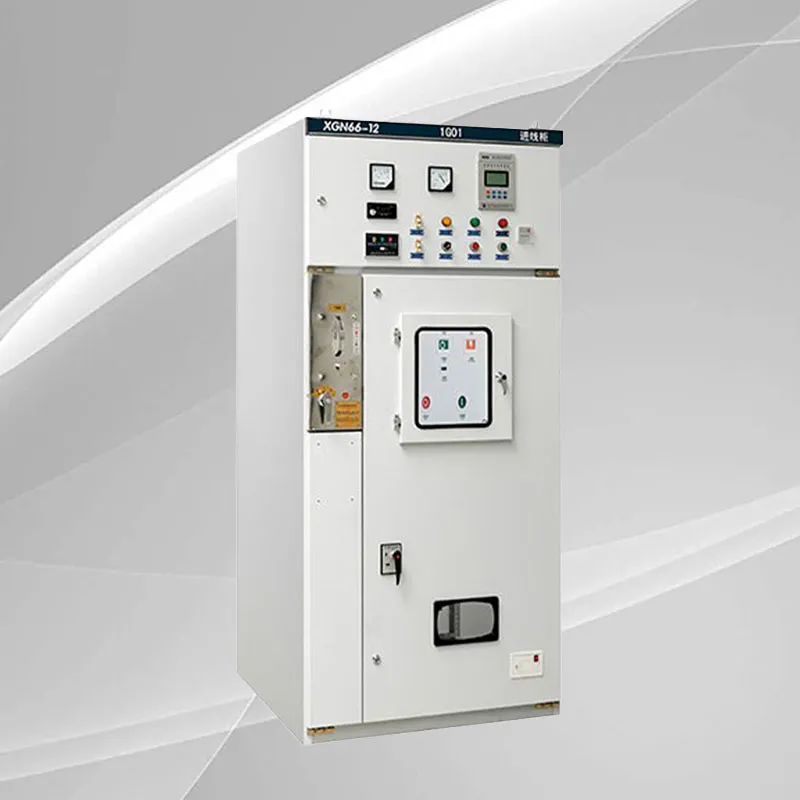





Best Sellingproducts
Best Selling Products-
 Outdoor Waterproof Stainless Steel Switchboard
-
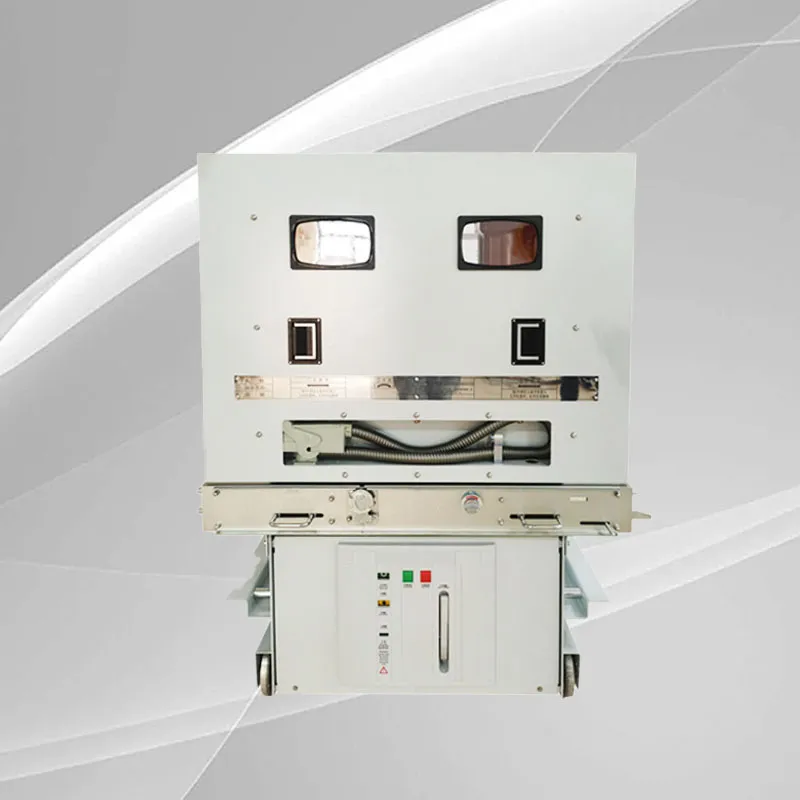 High Voltage Vacuum Circuit Breaker
-
 VS1 ZN63-12 1250A fixed indoor high voltage vacuum circuit breaker
-
 High voltage ring cabinet XGN66-12/10kV
-
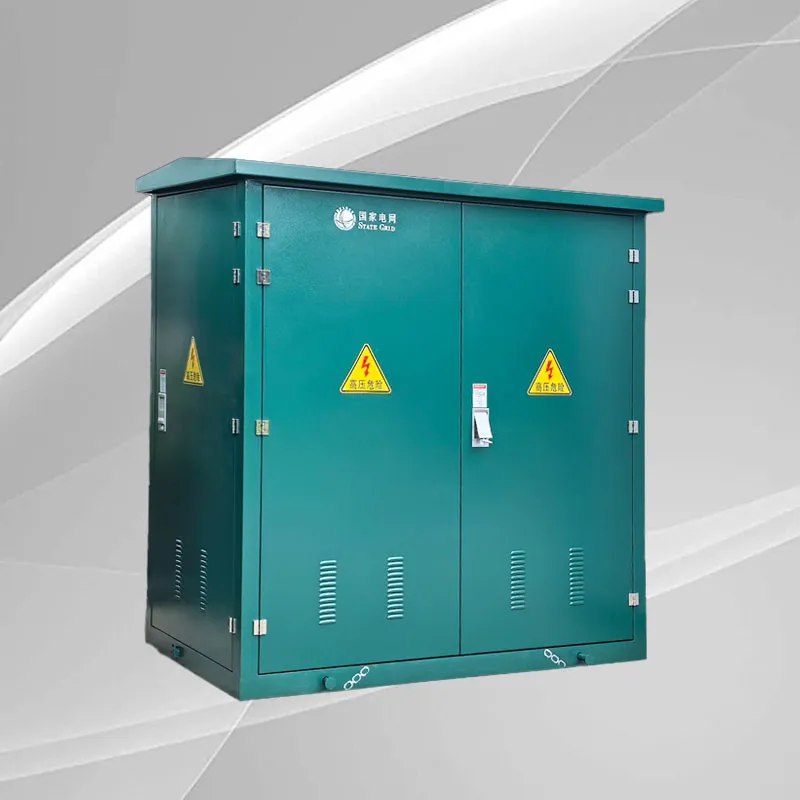 High voltage ring distribution cabinet
-
 Low-voltage withdrawable switchgears MNS
-
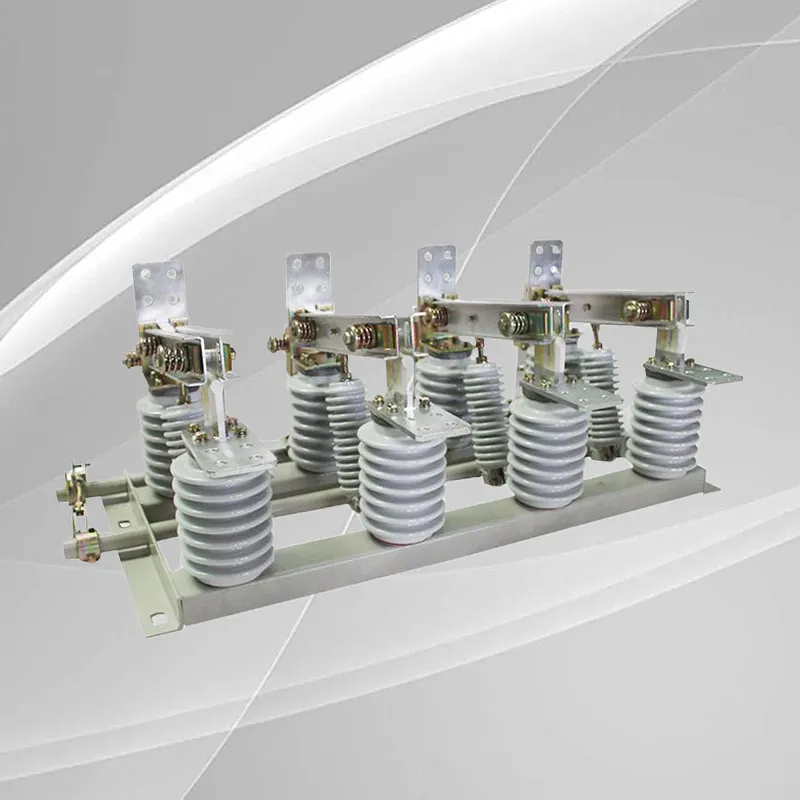 High voltage isolation switch GN24-12 for indoor use
-
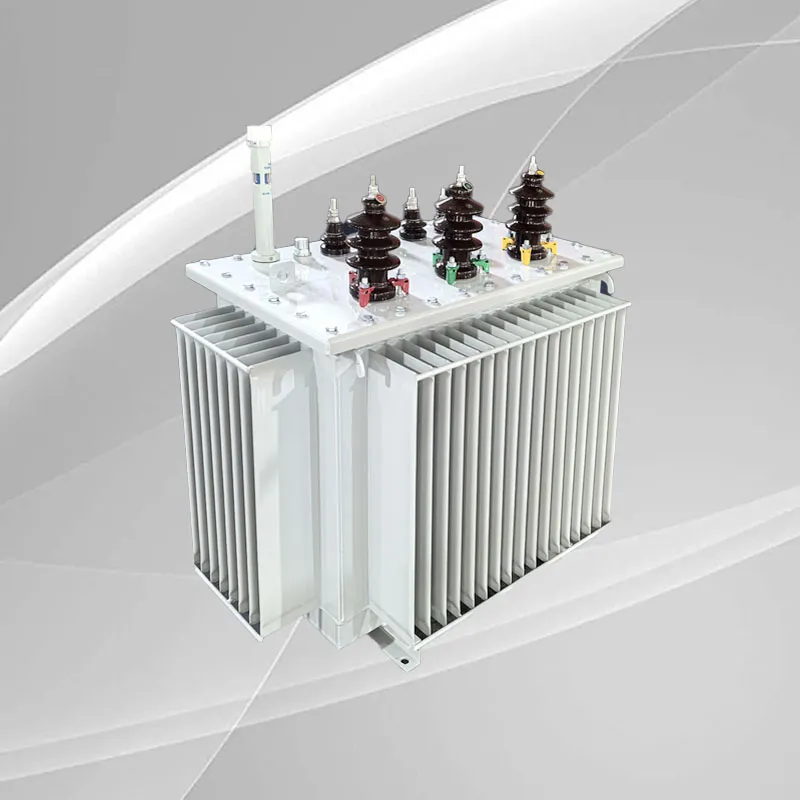 Oil power transformer
-
 Internal power distribution cabinet
-
 Residual current switch
-
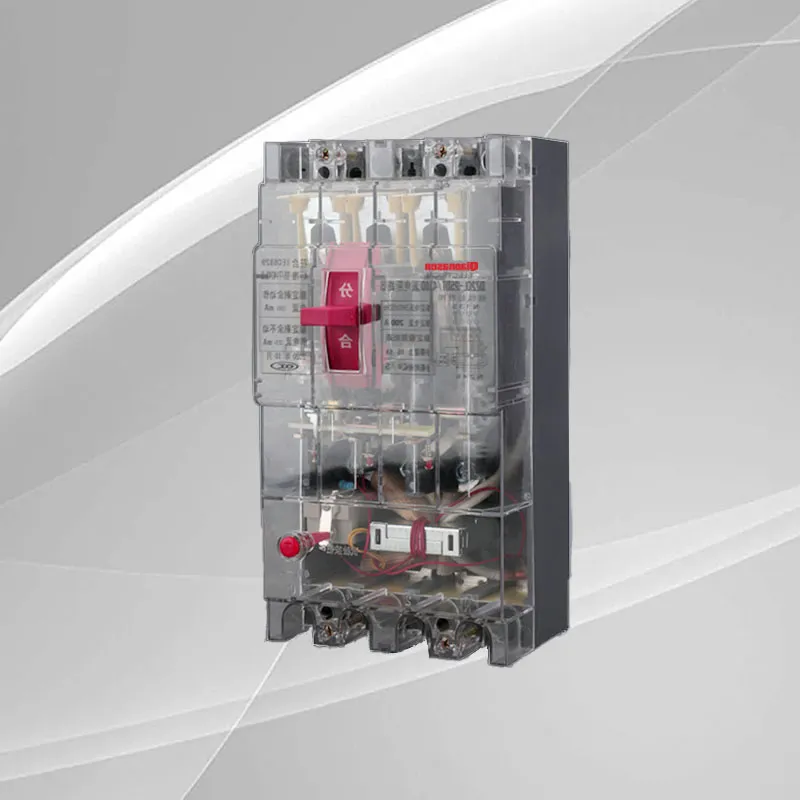 Circuit breaker with transparent plastic housing
-
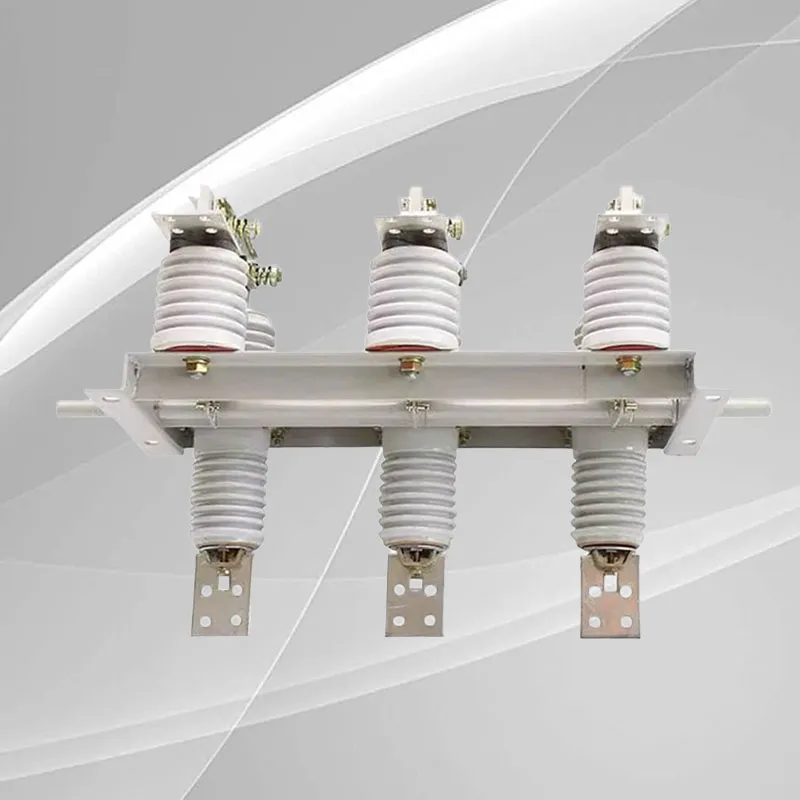 Internal high voltage disconnector type GN19-12C
Relatedsearch
Related Search- distribution board 18 m
- ship main distribution boards
- China dry transformer 1250 main buyer
- China power transformers 1000 kva main buyer
- dry-type transformer cooling
- dry-type transformer design
- China production of power transformers main buyer
- China power transformer 750kv main buyer
- Energy efficient transformers
- name of circuit breakers



